
 NL
NL High-Altitude Coffee
At high altitudes (above 1500 meters), coffee cherries ripen more slowly, resulting in denser beans with pronounced aromas. The lower temperature and thinner air foster a complex flavor profile, often characterized by high acidity and fruity, floral, or wine-like notes. Regions such as Ethiopia and parts of Latin America are known for their high-altitude coffees, which are prized for their refined and sparkling character.
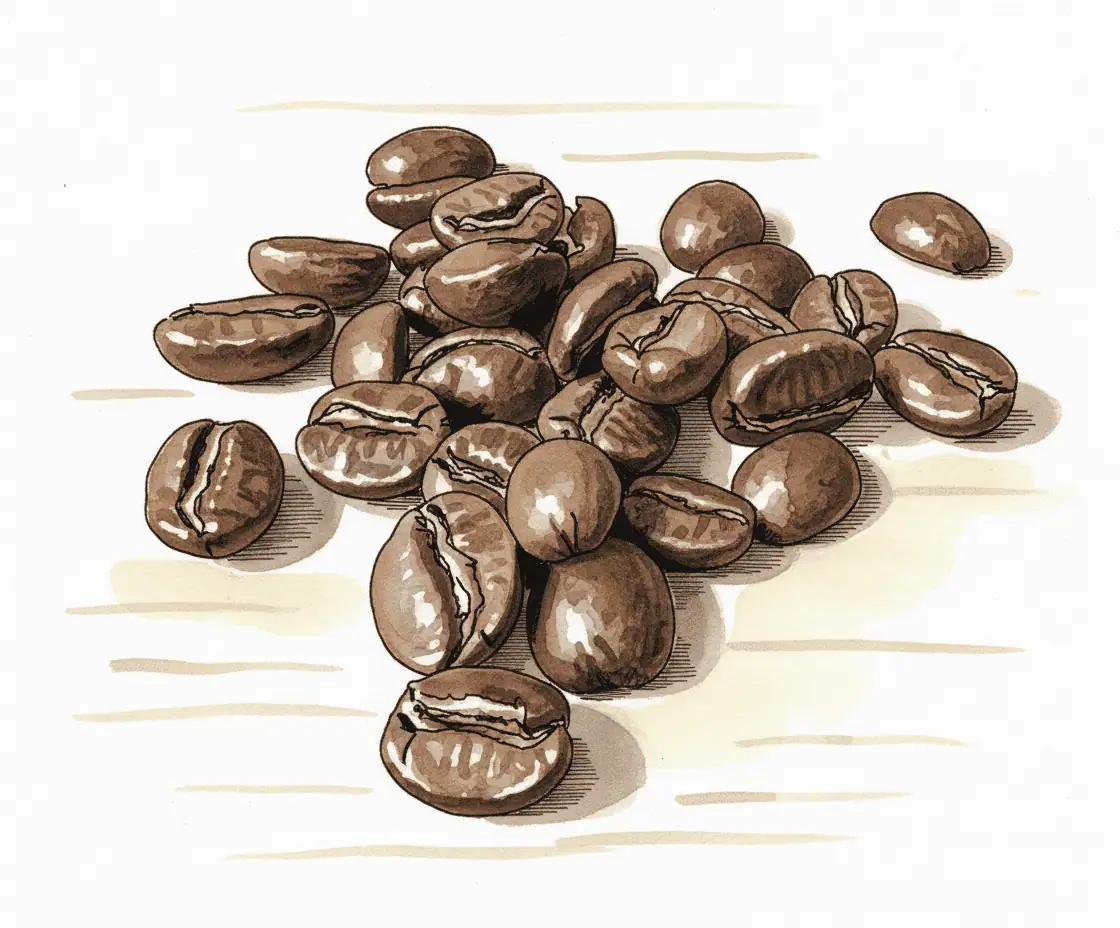
High‑altitude coffee beans

Gerson
Gerson van Koffie van Kees komt van Villa Pastora in Huila, waar de familie Mora Ortega al drie generaties koffie teelt. Deze Pink Bourbon krijgt 96 uur dubbele fermentatie en blijft toch helder en bloemig.In filter proef je framboos, mandarijn en cacao nibs. Als espresso komen zoet fruit, drop en rode port sterker naar voren.…
GESHA Colombia, Las Marias
Las Marias Geisha uit Pijao combineert bergklimaat en zorgvuldige selectie met precisie. A Matter of Concrete brandde dit lot voor heldere filterkoffie en expressie. Het profiel is florale geur, sprankelende citrus en rijpe perzik, met zijdeachtig mondgevoel en lange mandarijnfinish.Deze lot heet Rio Dulce Double Washed en onderstreept precisie. Bessen werden op pieprijpheid geplukt boven…
Girma Sentayehu
Girma Sentayehu van Shokunin Coffee laat zien hoe helder een gewassen Yirgacheffe kan smaken. Deze Ethiopische koffie uit Biloya combineert rozenblaadjes, blauwe bes, pruim en earl grey met een zachte, theeachtige body. Daardoor blijft de kop verfijnd, sappig en opvallend schoon. Shokunin brandt deze boon als omniroast, dus geschikt voor filter en espresso. Voor espresso…
Gladde iep
Gladde iep van Stam Coffee Roasters brengt een zachte, toegankelijke kop uit Veracruz in Mexico. Deze biologische blend van Bourbon en Catimor is washed verwerkt en in de zon gedroogd. Daardoor proef je een helder profiel met hazelnoot, honing en een ronde zoetheid. De medium roast geeft genoeg body voor espresso en blijft ook vriendelijk…
Gloria Ruby Peaberry
Gloria Ruby Peaberry van Shokunin is een opvallende microlot uit Kenia, geteeld op 1.800 meter door Sakami Coffee. Deze washed koffie combineert jasmijn, zwarte bes en zwarte thee met levendige zuren, zachte body en een schone afdronk. Daardoor blijft de kop helder, maar ook vriendelijk en gebalanceerd. De lichte omniroast werkt goed voor filter en…
Golden Standard
Golden Standard van Fancy Beans is een single origin uit Huila, Colombia, opgebouwd uit selecties van kleine producenten. De fully washed verwerking geeft de koffie een schone zoetheid, heldere structuur en een ronde body. In de kop proef je kaneel, karamel, melkchocolade en sinaasappelbloesem. Daardoor voelt deze koffie vertrouwd, maar blijft hij levendig en precies.…
Graciano
Kees en Graciano is een opvallende Catuaí van Los Lajones in Boquete, Panama. Deze natural koffie groeit op circa 1.800 meter en combineert tropisch fruit met frisse zoetheid en een juicy mondgevoel. Bovendien laat dit lot zien hoeveel spanning en precisie een hoog geteelde Catuaí kan bieden. De verwerking blijft schoon en helder, ondanks het…
Graciano Gesha
Kees en Graciano Gesha is een opvallende natural Gesha van Los Lajones Estate in Chiriquí, Panama. Door de hoge ligging, vulkanische bodem en langzame droging ontstaat een koffie met veel spanning en finesse.In het kopje proef je jasmijn, papaya, mango, ananas en rijpe bessen. Daarbij blijft het mondgevoel zacht, zoet en elegant. De branding is…
Grand Cru Mokka Decaf
Grand Cru Mokka Decaf van Maalwerk Koffie is een zachte blend uit Mexico, Colombia en Brazilië. De decafeïnering behoudt aroma’s, waardoor mokka en chocolade helder blijven. De body is romig, de aciditeit mild en netjes geïntegreerd. Dit maakt de koffie ideaal voor dagelijks genieten, ook laat in de avond. Geschikt voor espresso, volautomaten en filter.Smaken,…
Grand Lakes
Grand Lakes is a washed Arabica from individual farmers on the slopes of Mount Elgon in Uganda, at 1800 to 2300 metres. The coffee offers a bright, fruity profile with notes of cinnamon, blueberry and plum, balanced by gentle acidity. Sococo supports sustainable cultivation through fair prices and training in water management. The light to...
Grande & Isidro
Grande Isidro van Rojas bundelt twee Huila koffies van familiefinca’s San Isidro en Palo Grande. Door honey processing en anaerobe fermentatie krijgen beide koffies meer zoetheid, romige body en rijp fruit. San Isidro scoort 86 SCA punten en brengt chocolade, karamel en geel fruit. Palo Grande scoort 87 punten en laat watermeloen, cacao en zoete…
Granja Paraiso 92 – Decaf
Deze decaf van Nordic Roasting Company komt van Granja Paraiso 92 in Cauca, Colombia. Het is Red Bourbon met een lichte branding en een helder, kruidig citrusprofiel.De kersen kregen een anaerobe vergisting met mosto en een warm koud waterbad. Daarna volgde EA suikerriet decaf, waardoor aroma en zoetheid behouden bleven. Verwacht citroengras, groene mandarijn en…
Grenadine – Colombia
DAK Grenadine is een opvallende Papayo uit Huila van Nestor Lasso op El Diviso. Door de natural verwerking met extra fermentatie krijgt de koffie veel sappigheid, zoetheid en spanning.In de kop proef je citrus, granaatappel en kers, met een ronde body en frisse lift. Deze release is gebrand voor filter en past goed bij V60,…
Groningse Bonen
Groningse Bonen brengt het noorden in de kop, met een evenwichtige melange van arabica en robusta. Maalwerk Koffie brandt kleinschalig in Groningen, waardoor de stijl herkenbaar en constant blijft. Het profiel smaakt vol en rond, zonder franje, met milde aciditeit en een romige textuur. Daardoor past de koffie bij melkdranken en blijft hij zwart prettig…
Guama – Kenya
Guama Kenya van Sango laat Kirinyaga helder en precies proeven. Deze washed koffie uit de Guama Factory binnen Baragwi biedt tonen van honing, blauwe bes en sinaasappelschil. Daardoor ontstaat een frisse, schone kop met levendige zuren en een zijdeachtige body. Bovendien brengen SL28, SL34, Ruiru 11 en Batian samen klassiek Keniaans karakter en moderne balans.…
Guatemala
KBC Arnhem presenteert een single estate uit Huehuetenango in Guatemala, een hooggelegen regio met koele nachten. Deze omstandigheden geven frisse zuren en gelaagde zoetheid die de kop helder maken. De koffie is gewassen verwerkt en mediumlight gebrand, waardoor de origin zuiver spreekt en de balans behouden blijft. Verwacht een floraal aroma met mandarijn, amandel en…
High Altitude (above 1500 meters)
Welcome to the world of high-altitude coffee! When you think of beans grown above 1500 meters, words like “refined,” “complex,” and “vibrant” often come to mind. But why exactly? In this article, we’ll dive into the effects of high altitudes on your espresso, the chemical composition of the beans, processing methods, and much more.
How altitude affects espresso flavor
At high altitudes, coffee cherries mature more slowly. This gradual ripening process allows sugars and acids in the fruit to develop over time, giving the beans ample opportunity to build a full range of flavors. When you use these beans for espresso, you’ll often taste a refined acidity and floral or fruity characteristics—think subtle citrus or berry aromas with a bright, almost “sparkling” quality. If you enjoy a delicate espresso, high-altitude beans are an excellent choice.
Chemical composition: density, sugars, and acids
Because the air is thinner and cooler at higher elevations, coffee trees receive less oxygen and grow at a slower pace. This results in denser beans that often exhibit higher acidity. The sugars develop more gradually, and the extended ripening contributes to a complex flavor structure. You end up with a bean that balances sweetness and complexity, translating into a lively cup of coffee. The increased density also impacts roasting profiles: roasters usually take extra care to highlight all those nuanced flavors.
Processing methods at high altitude
Thanks to the cooler, sometimes more humid climate, some coffee farmers opt for processing techniques that emphasize their beans’ unique characteristics. In many high-altitude regions, the washed method is especially popular, as it accentuates fruity and floral notes. Removing the pulp and mucilage under carefully controlled conditions allows any impurities to wash away, leaving a clean, pure flavor. There’s also some experimentation with natural and honey processes in these regions, though washed processing is often the standard for maintaining clarity.
Climate and microclimate
High-altitude environments have unique weather conditions: cooler nights, milder days, and often more rainfall. In some places, mist clings to the mountainsides, creating microclimates that can vary even from one slope to the next. This contributes to the slow ripening of cherries and the development of complex aromas. On the flip side, coffee farmers face challenges like fungal diseases in damp conditions, but the reward is a flavor profile cherished worldwide.
Yield and resilience
Growing coffee at 1500 meters or higher isn’t easy. The trees often produce fewer cherries because the plants expend more energy just to survive in cooler temperatures. Still, the beans command a premium for their pronounced quality and distinctive taste. Many farmers form cooperatives to share knowledge about cultivating coffee under these challenging conditions, employing innovative irrigation methods or using shade trees to protect their coffee plants.
Choosing coffee varieties
Not all coffee plants thrive at 2000 meters. Farmers often select varieties that can handle the cold and resist diseases, such as certain Arabica strains (like Bourbon, Typica, or Geisha). These varieties are known for their potential to develop subtle flavor nuances—a perfect match for the special circumstances high altitudes provide.
All in all, coffee from high altitudes isn’t just any cup of joe. Expect floral notes, a lively acidity, and refined aromas that will delight anyone seeking a bright and complex coffee experience.