
 NL
NL Looking for the best coffee in Leeuwarden? GrachtenBeans tracks 20 gekoppelde koffiebranders voor Leeuwarden, met uiteenlopende blends, single origins en cafeïnevrije bonen. In deze gids zie je welke branders aan Leeuwarden zijn gekoppeld en wat je per espresso betaalt als je de bonen zelf koopt: van €0,21/shot (€11,45/kg) voor El Cielo van Manhattan Coffee Roasters tot €6,16/shot (€342,00/kg) voor Panama Kotowa Gesha #1923 van Friedhats Coffee Roasters. Zo vergelijk je eenvoudig betaalbare dagelijkse koffie met exclusievere bonen uit het hogere prijssegment.
Last updated:
Leeuwarden Coffee Price Index
This Week (Week 38 · 2026):
Bean prices for home brewing · Per shot based on 19g · Updated weekly
- Average €1.14 per shot (home brewing, 19g) · €60.24/kg
- Most affordable bean: El Cielo – Manhattan Coffee Roasters at Manhattan Coffee Roasters — €0.21/shot · €11.05/kilo
- Most expensive bean: Panama Kotowa Gesha #1923 at Friedhats Coffee Roasters — €6.16/shot · €324.21/kilo
Top 5 Specialty Coffee Bars in Leeuwarden
Sorted by Google rating · Bars with a known roaster · Updated weekly
| # | Coffee Bar | Rating | Neighbourhood | Roaster |
|---|---|---|---|---|
| 1 | Anne-Famkes Pleats | ★★★★★4.9 | Stiens and surrounding area | DutchBeans |
| 2 | Kofje | ★★★★★4.9 | Binnenstad | Stean’s Beans |
| 3 | FOLK Specialty Coffee | ★★★★★4.8 | Binnenstad | Single Estate Coffee Roasters |
| 4 | NØRD | ★★★★★4.8 | Binnenstad | Bocca Coffee |
| 5 | Anne&Max Leeuwarden | ★★★★★4.6 | Binnenstad | Keen Coffee |
This ranking includes coffee bars in Leeuwarden that use specialty beans
from a Dutch roaster in our catalogue. Sorted by Google rating with more than 50 reviews. Missing a coffee bar? Send us a tip — we’re constantly expanding our database.
Prefer more choice? View all 12 koffiebars in Leeuwarden per wijk ↓
Coffee Roasters in Leeuwarden: Where Can You Buy Specialty Coffee Beans?
Prices updated: September 17, 2026 • Week 38
Leeuwarden telt 20 specialty koffiebranders waarvan GrachtenBeans wekelijks de bonenprijzen bijhoudt. De goedkoopste boon op dit moment is El Cielo bij Manhattan Coffee Roasters voor €0,21 per shot (€11,45/kg). Klik op een brander hieronder om alle bonen, herkomst en actuele kilo-prijzen te bekijken.
We always compare the most cost-effective packaging per bean – usually a 1 kg bag, as it is cheaper per kilo than a 250 g bag. We calculate the shot price based on 18 grams of ground coffee per espresso.
B
Beukenhorst Koffie
Blanche Dael
Bocca Coffee
Brandsma Koffie
Buscaglione Espresso
C
Cook & Boon
D
DutchBeans
F
Friedhats Coffee Roasters
H
Heilige Boontjes
I
It Sûkelade Famke
L
Laurens Coffee
Lot Sixty One Coffee Roasters
M
Manhattan Coffee Roasters
P
S
Single Estate Coffee Roasters
Smit & Dorlas
Coffee Bars in Leeuwarden on the Map
Coffee in Leeuwarden by Neighbourhood
✴︎Updated:
’t Zand-Stromenwijk-Rittenburg
A profile of the neighbourhood-driven coffee scene in ’t Zand, Stromenwijk and Rittenburg: affordable, close by and social, with regular coffee moments at Het Getij, De Branding, churches and local shops. Specialty bars are absent; neighbourhood routines set the pace.
✴︎Updated:
’t Zand-Stromenwijk-Rittenburg
In ’t Zand, Stromenwijk and Rittenburg, coffee is all about proximity and connection: community centres and neighbourhood hubs offer affordable cups, with peaks in the late morning and early afternoon, and programming that strengthens community and daily rhythm.
✴︎Updated:
Aalanden
Aalanden lacks specialty cafés, but offers neighbourhood-focused coffee around De Dobbe. The bakery, Délifrance, the library, and De Bolder support quick coffee stops, with the Tuesday market and senior activities setting the rhythm.

- 8 coffee bars
✴︎Updated:
Aldlân & De Hemrik
Aldlân and De Hemrik reveal a down-to-earth coffee culture centred on neighbourhood connection, workplaces, service and business supply.
✴︎Updated:
Alteveer/Cranevelt
In Alteveer and Cranevelt, coffee is mainly about connection, care and daily routines. The neighbourhood offers opportunities for a small-scale, green and community-focused coffee concept.
✴︎Updated:
Angelslo
In Angelslo, coffee is not a lifestyle product, but a familiar way to make contact, offer convenience and take part in neighbourhood life.

✴︎Updated:
Arnemuiden
Coffee culture profile of Arnemuiden: a daily rhythm of filter coffee and Zeeuwse bolus, with small-scale meeting places for social connection. Bie de Buren and Sjokadoo lead the list, third-wave influence is limited, and the focus remains affordable and familiar.

✴︎Updated:
Arnhemse Broek
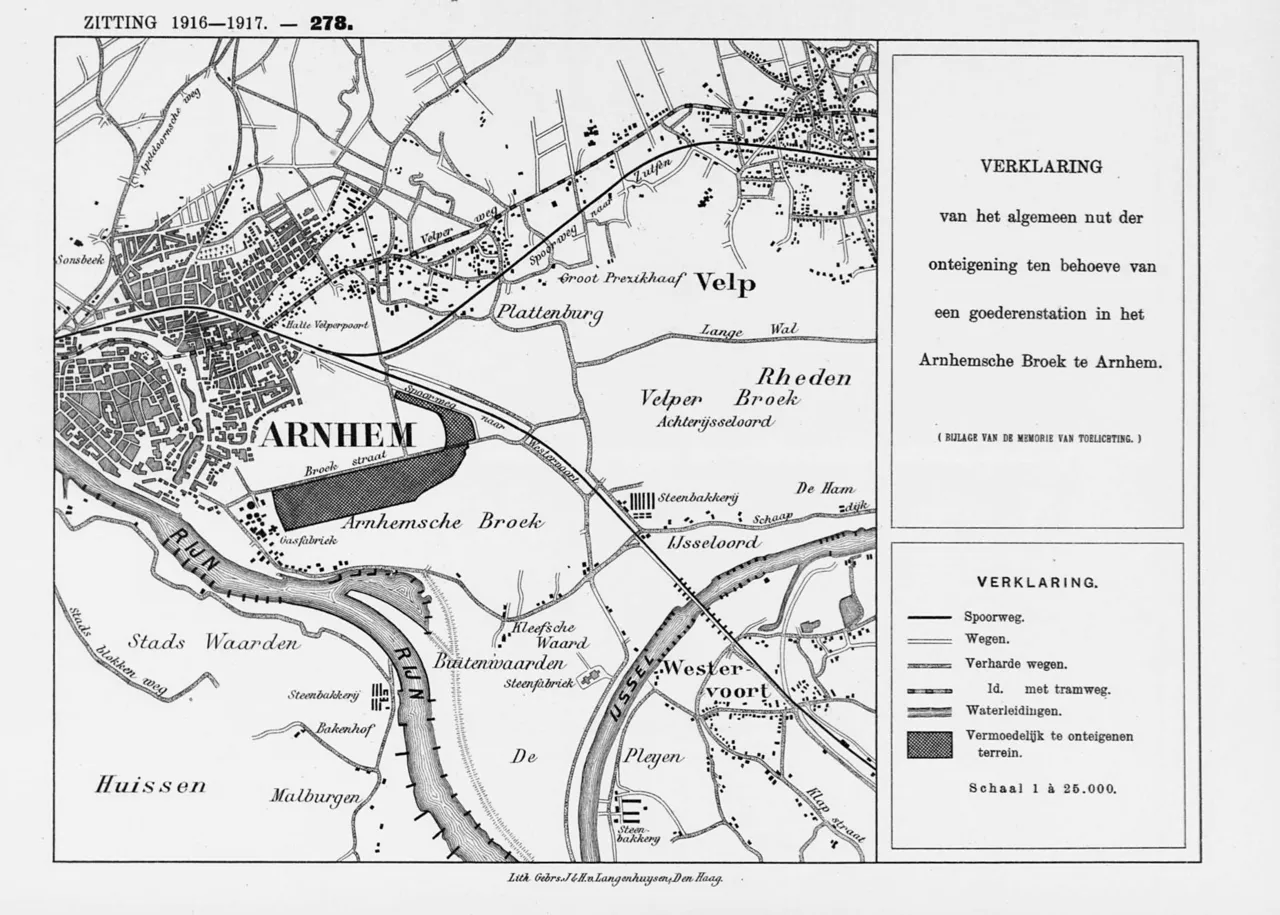
Arnhemse Broek grew from an industrial area into a workers’ district. Its coffee culture is practical and neighbourhood-focused, concentrated along Johan de Wittlaan with lunchrooms, cafés and social drop-in spots such as De Kansenfabriek.
✴︎Updated:
Assendorp
Assendorp has a neighborhood-driven coffee scene along the Assendorperstraat, with Everyday Bread for morning coffee to go, Freddies for brunch and Mens en Kinders for families. Events on the Assendorperplein and at De Enk bring in extra foot traffic.
✴︎Updated:
Atolwijk
In Atolwijk, coffee culture is mainly about connection, support and accessibility. Neighbourhood spots such as Atolplaza, Open Haven and the Ontmoetingskerk make coffee part of everyday social life.

- 1 coffee bar
✴︎Updated:
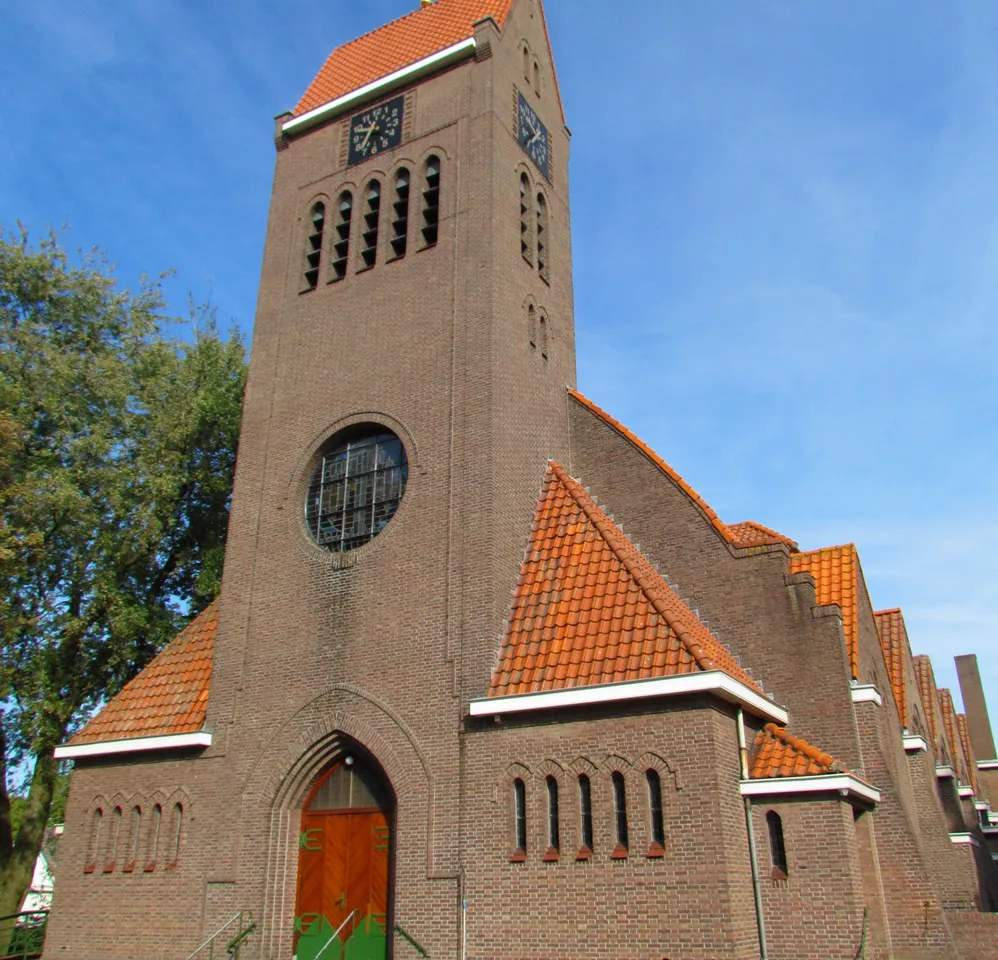
Barger-Compascuum
In Barger-Compascuum, coffee is mainly about meeting up, heritage and village warmth: from the bakery and village café to group packages, cyclists and family visits.
✴︎Updated:
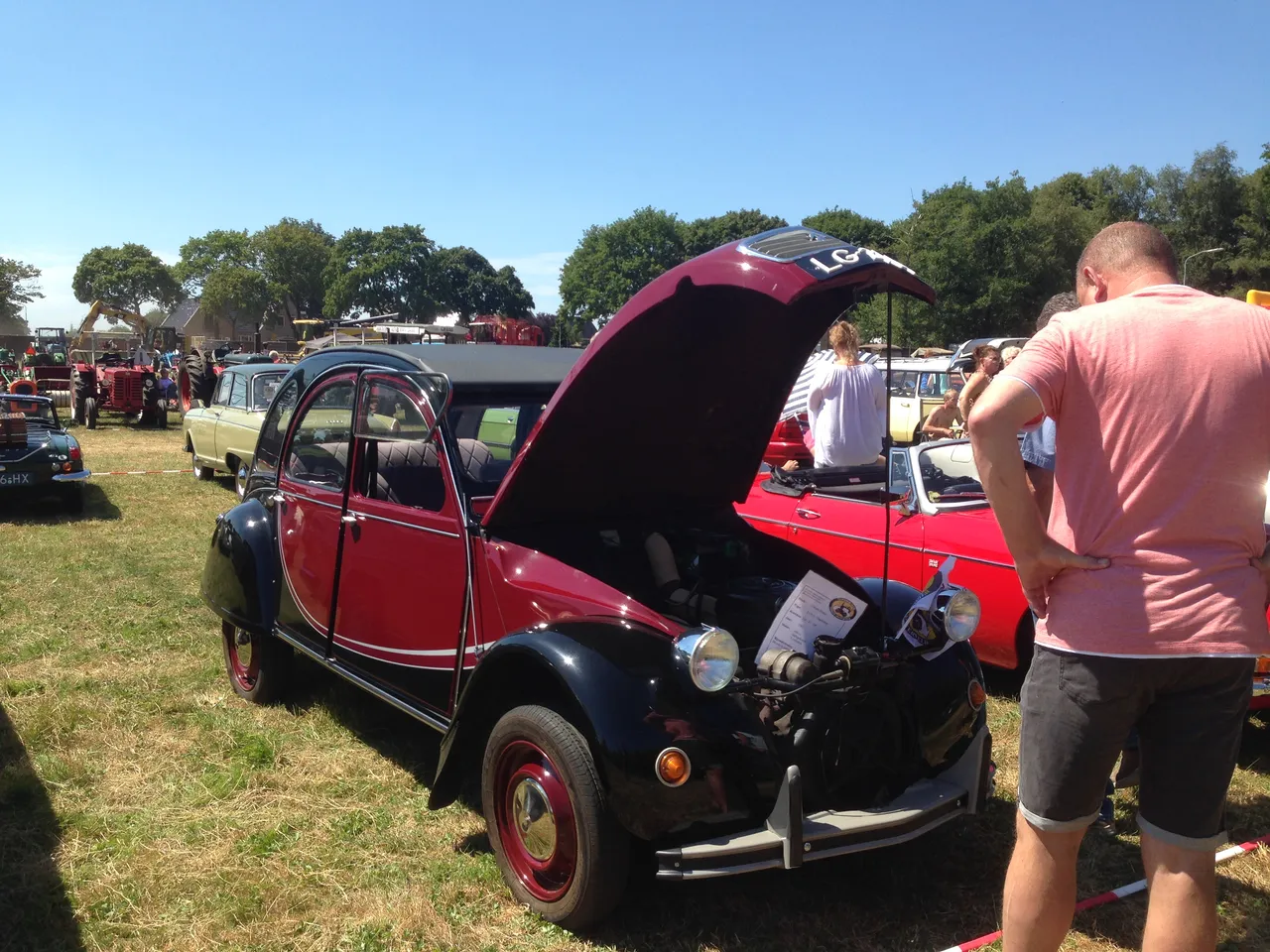
Barger-Oosterveld
In Barger-Oosterveld, coffee is above all a village ritual: accessible, social and connected to the church, village hall, event spaces and neighbourhood activities.
✴︎Updated:
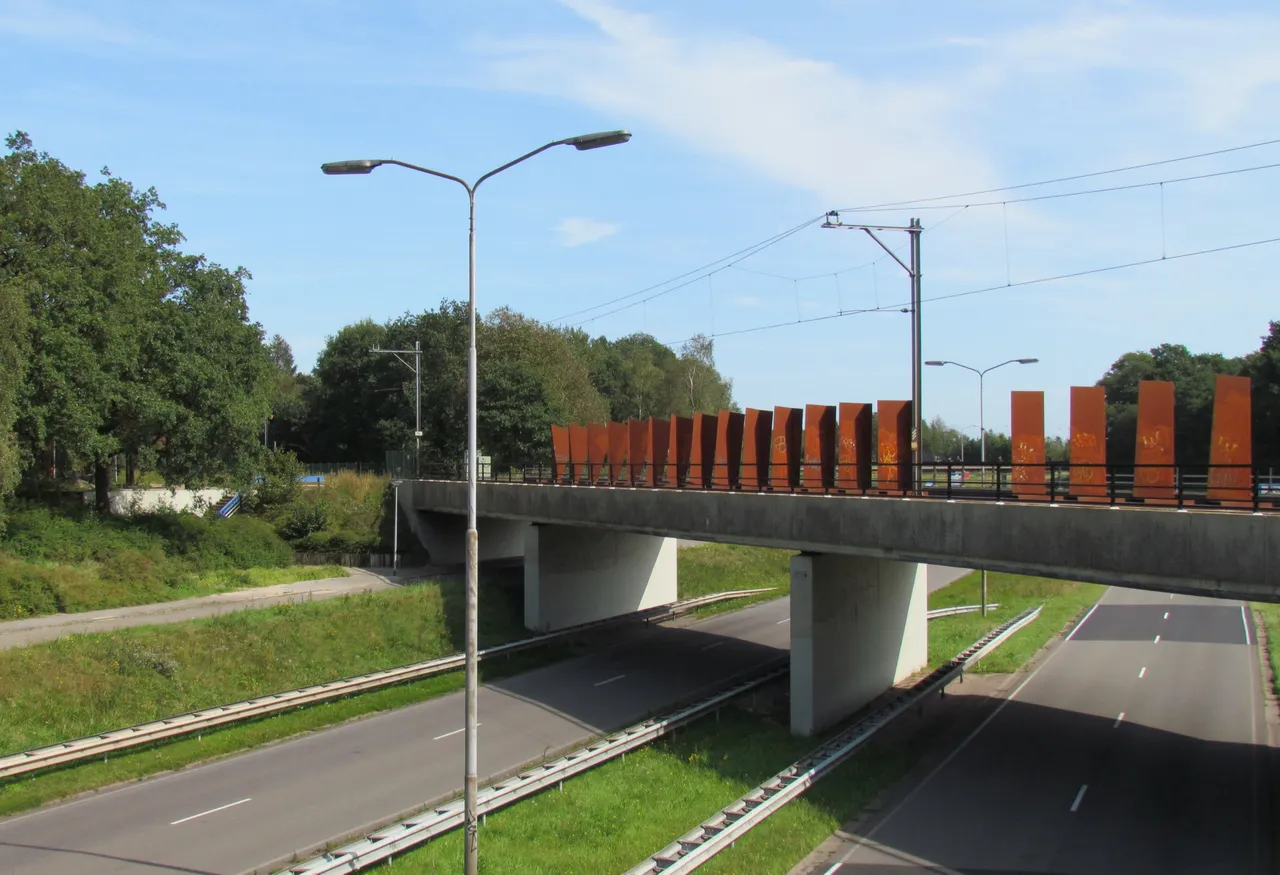
Bargeres
In Bargeres, coffee is about neighbourhood life and accessibility. Coffee moments at ’t Brinkenhoes, De Opgang and Holtingerhof form the social fabric, with low prices and fixed times, while specialty coffee is mostly sought in central Emmen.
✴︎Updated:
Bargermeer
Bargermeer has an industrial coffee culture where coffee is mainly about work, meetings and networking. Drents Bakkie gives the district a recognisable face through local production and social impact.
✴︎Updated:
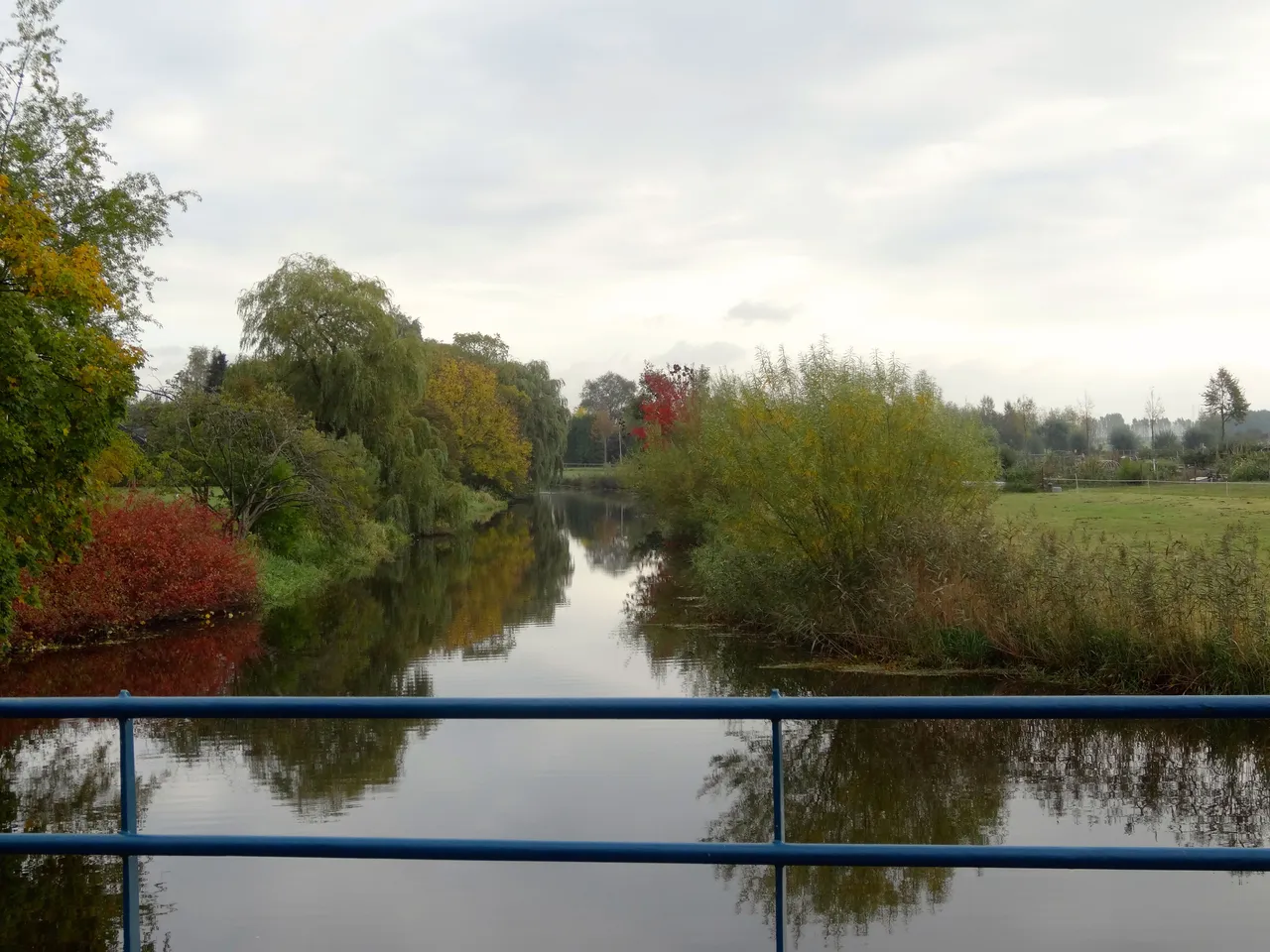
Berkum
Berkum experiences coffee through the community centre, canteens, and local neighbourhood addresses, with peaks in the morning, around sports, and during club evenings. Specialty options are scarce in the district, so the city centre fills the gap; sustainability comes through coffee grounds and initiatives such as Berkum Energieneutraal.
✴︎Updated:
Bilgaard & Havankpark and surroundings
In Bilgaard and Havankpark, coffee is first and foremost an approachable neighborhood amenity: at shops, the community center, and repair activities, a cup of coffee brings together residents, volunteers, and visitors.

✴︎Updated:
Bilgaard & Havankpark and surroundings
Bilgaard and Havankpark have a down-to-earth, neighbourhood-focused coffee culture. The anchors are the Bilgaardpassage, the Buurtkamer and the Rustpunt, with daytime opening, affordable prices and social activities for residents and walkers.
✴︎Updated:
Binnenstad
Zwolle’s city centre brings together history and specialty coffee. Around Luttekestraat are Maling and Rojas, alongside heritage shop ’t Konkeltje, museum cafés, and sustainable initiatives such as reusable cups and local roasting.

✴︎Updated:
Binnenstad
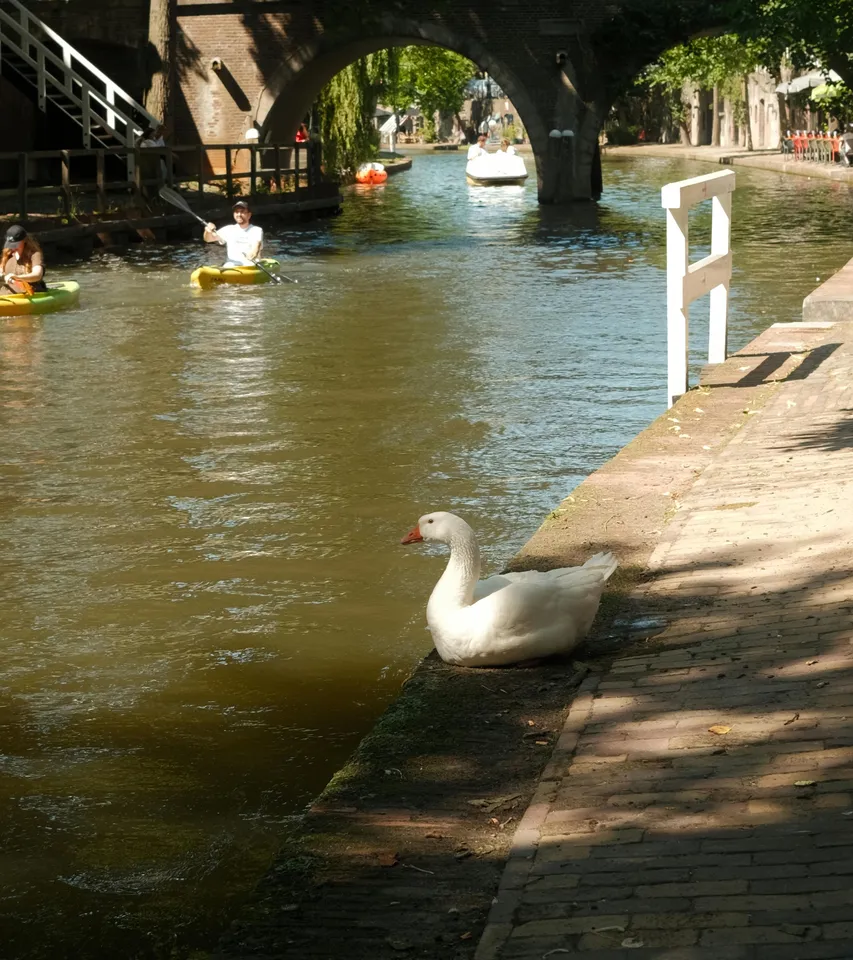
A core profile of the coffee scene in Utrecht's Binnenstad, from heritage and third wave coffee to hotspots, community, peak hours, and sustainable systems such as NoSUPcup.
✴︎Updated:
Binnenstad
Binnenstad Leeuwarden combines historic hospitality with new specialty coffee. Folk, Fer, Kofje and grand cafés show how coffee, sustainability and community come together.

✴︎Updated:
Binnenstad
Middelburgs Binnenstad has a compact yet rich coffee culture, with historic coffee houses, modern espresso bars, lunch spots and social meeting places around Markt, Vlasmarkt and Sint Janstraat.

- 2 coffee bars
✴︎Updated:
Bolder
Bolder drinks coffee close to home, with Hanzeborg, Kempenaar and sports canteens as anchors. Peak moments fall around school runs and Saturday sports, with familiar drinks, to-go flows and a local bean supply chain through Man met de Baard.
✴︎Updated:
Boswijk
Boswijk shows how coffee mainly serves as an accessible way to encourage contact, care and everyday convenience, with affordable places such as De Brink.
✴︎Updated:
Botter
Coffee in Botter is practical and community-focused. Around De Botter, PLUS Postma and the neighbourhood room, it is mostly about connection, convenience and everyday contact.
✴︎Updated:
Buitenwijk Noordoost
An overview of coffee culture in Borgharen, Itteren, Meerssenhoven and Beatrixhaven, with village cafés, vlaai and a specialty anchor at Dutch Barista. Key coffee points are found along the Maas and in community centres.

✴︎Updated:
Buitenwijk Noordwest
In Buitenwijk Noordwest, a compact coffee axis is emerging around Sphinxkwartier and ’t Bassin. Blanche Dael, Gedeelde Weelde, The Social Hub and Lumière connect production, training, work and culture in a walkable cluster.
✴︎Updated:
Buitenwijk Oost
A neighbourhood-focused coffee culture with bakeries, community living rooms and cafés, and a lower specialty density than the city centre. Groene Loper is boosting takeaway coffee, community moments are growing, and there are opportunities for affordable counters and upgrades in Scharn, Amby and Wittevrouwenveld.

✴︎Updated:
Buitenwijk West
Coffee in Buitenwijk West is above all nearby, social and functional: from shopping centre Brusselse Poort to Annadal, community centres and care locations.

✴︎Updated:
Buitenwijk Zuidoost
An overview of coffee culture in Buitenwijk Zuidoost: from village café to campus spot, with anchors such as Cortado, Bandito, Preps and ’t Heegeneerke, focusing on coffee to go, laptop-friendly seating, community and sustainable initiatives.

✴︎Updated:
Buitenwijk Zuidwest
Buitenwijk Zuidwest is not a compact specialty coffee district, but an area where coffee moves with the neighbourhood, walks, bakeries, sport and care.

✴︎Updated:
Burgemeesterswijk/Hoogkamp
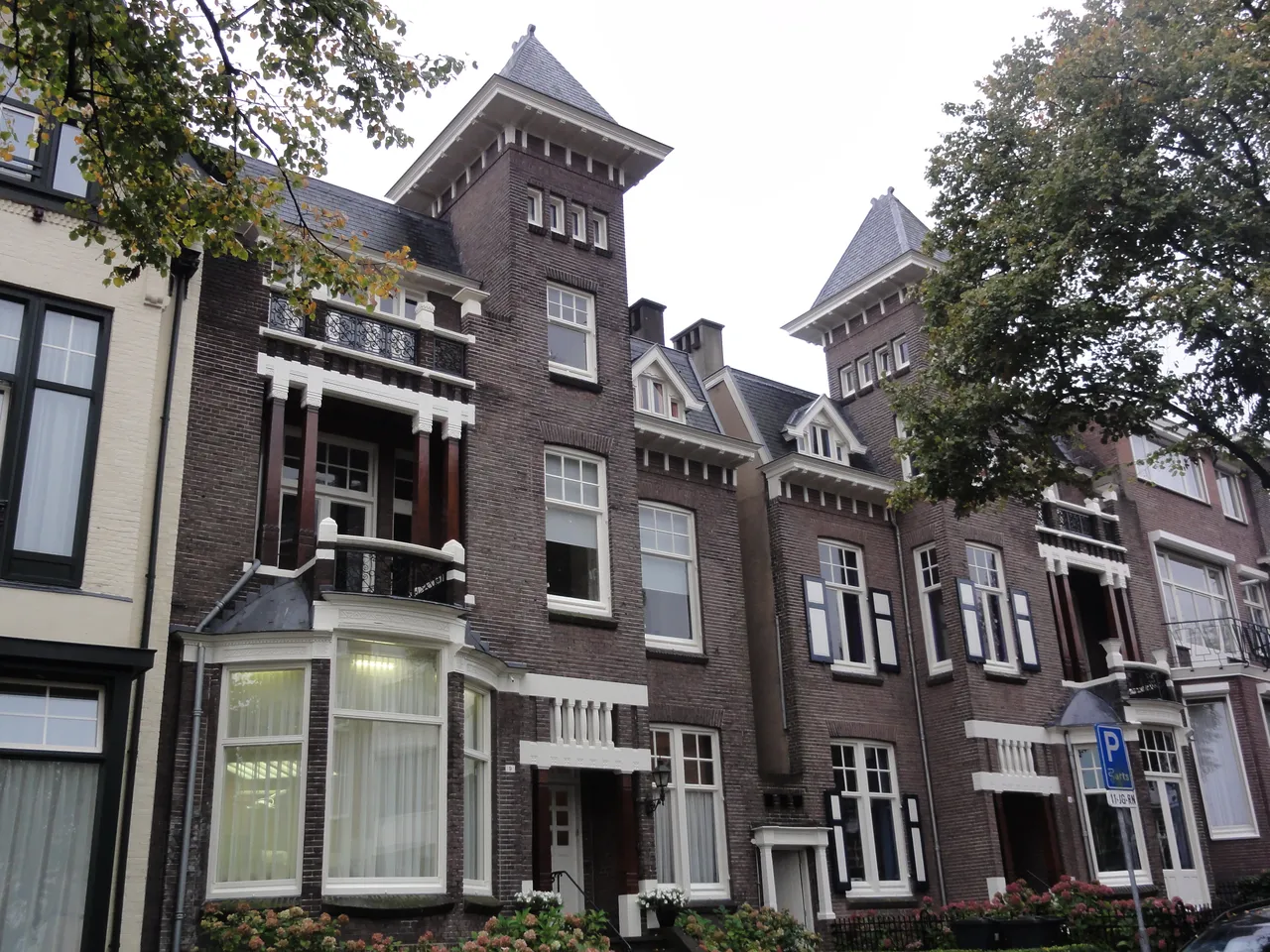
Burgemeesterswijk Hoogkamp offers a calm coffee culture with neighbourhood cafés, bakeries and park-oriented hospitality around Sonsbeek, where coffee is about walking, patisserie, social contact and comfort.
✴︎Updated:
Camminghaburen and surroundings
Coffee in Camminghaburen follows the daily rhythm of the neighborhood: shopping, socializing, walking, and recreation. Local demand is mainly about convenience, terraces, lunch, and shared moments.

✴︎Updated:
City Centre
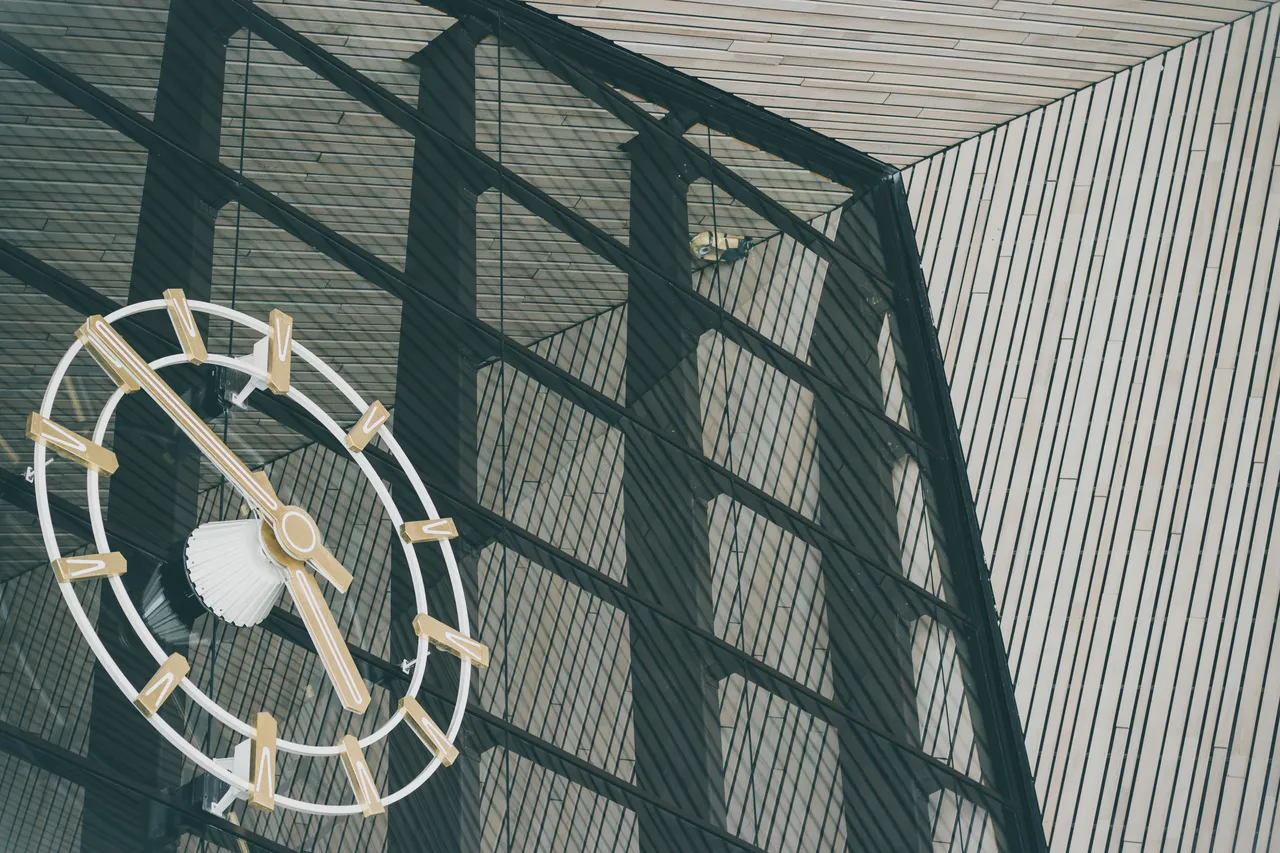
Rotterdam Centrum has been breathing coffee since 1650. From Van Nelle to third‑wave micro‑roasters, the district unites history, innovation and sustainability. Visit hotspots like Man Met Bril and Manhattan Coffee Roasters and feel how community and flavor keep pushing the city forward every day.
✴︎Updated:
City Centre
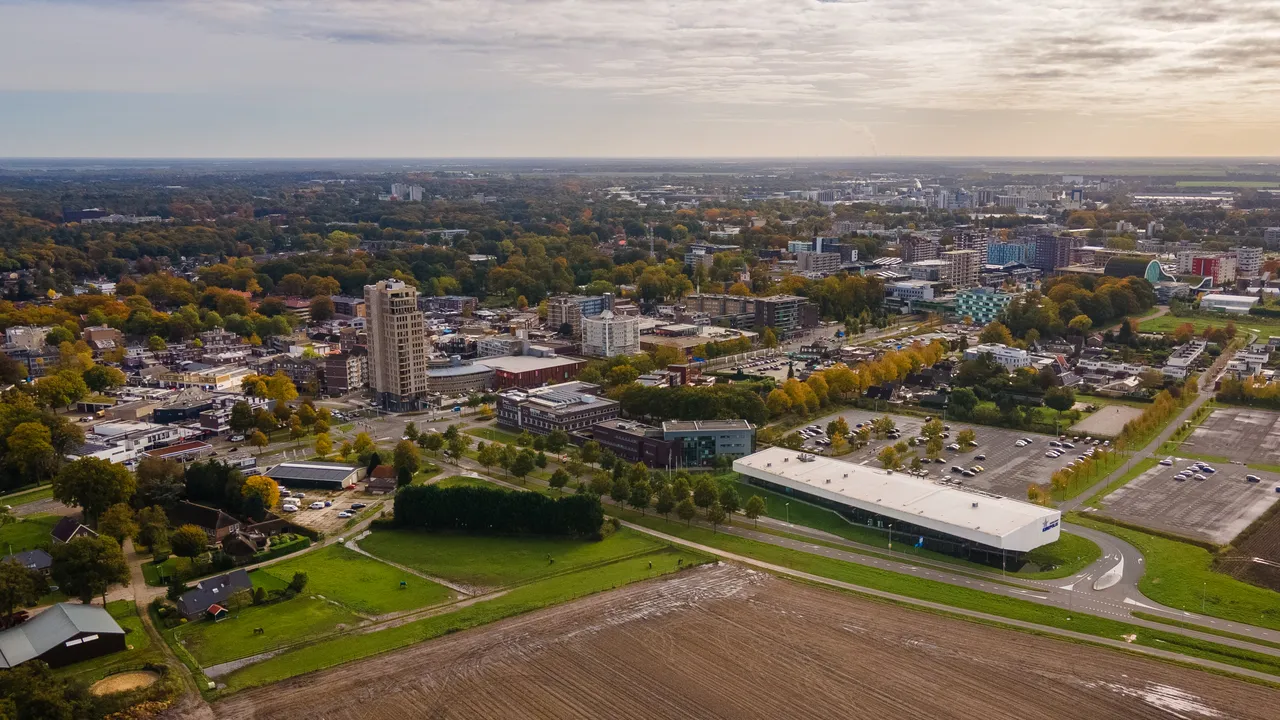
Emmen Center combines the Drenthe coffee table tradition with trendy single-origin espresso. Local roaster Drents Bakkie and cafés such as De Koffiepot and Koffiehuis Emmen showcase latte art, fair-trade beans, social impact, and affordable prices for every generation, including compost projects and events.
✴︎Updated:
City Centre
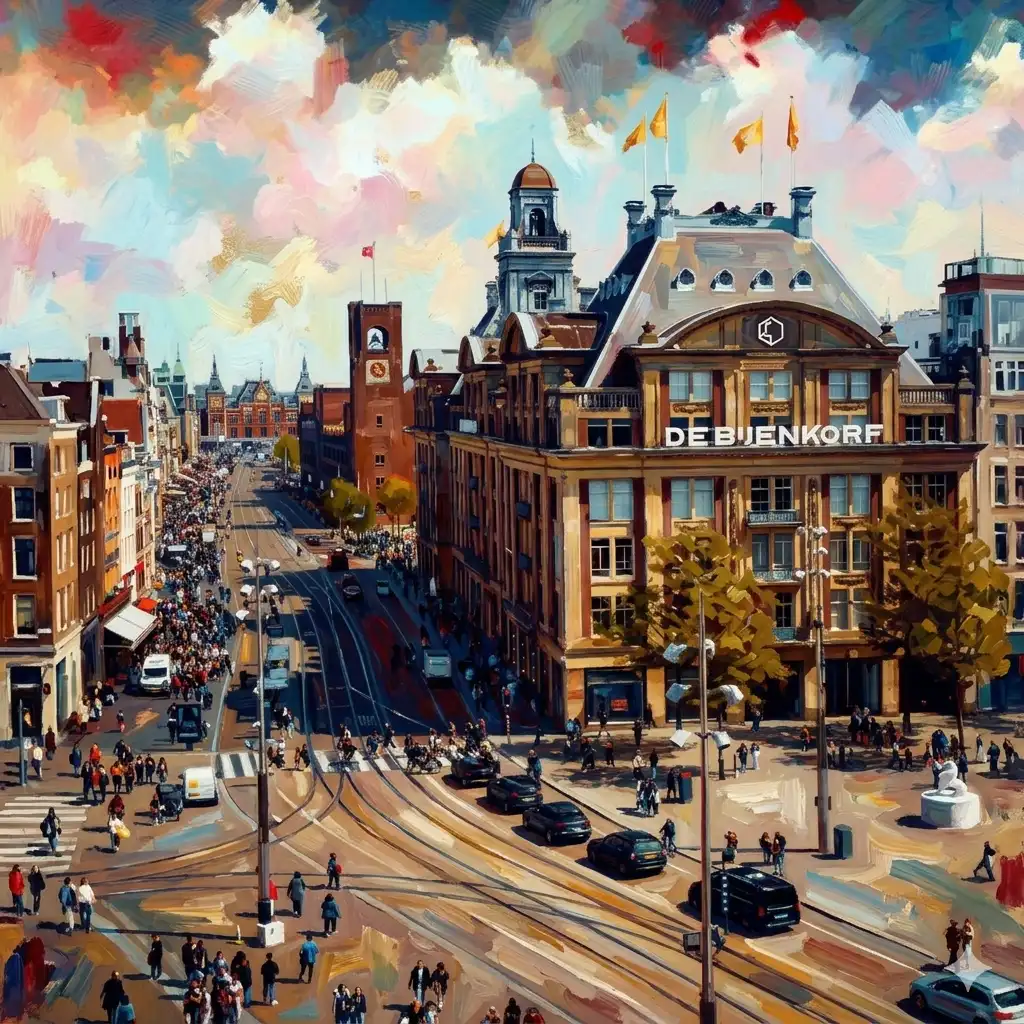
This guide explores coffee in Amsterdam Centrum, from 17th-century coffeehouses to today’s specialty bars, with hotspots like Bocca, Back to Black and Toki, community events and festivals, the rise of plant-based milk, and sustainable initiatives.
✴︎Updated:
City Centre
Centrum Den Haag combines old-school coffee spots with modern specialty bars. History, filter coffee, plant-based milk and laptop-friendly cafés make the coffee scene diverse.

✴︎Updated:
City Centre
Groningen Centrum combines historic trading places, student rhythms and specialty coffee. From Black & Bloom to market roasters and plant-based cafés, coffee here is a craft product, study spot and piece of social infrastructure.

✴︎Updated:
City Centre
Arnhem Centrum connects coffee heritage with a compact specialty scene around Nieuwstad, Nieuwstraat and Walstraat. Hotspots offer work-friendly seating, fast Wi-Fi and plant-based options, while the restored Sint Jansbeek strengthens foot traffic and terrace culture.

✴︎Updated:
City Centre
The compact city centre connects brown cafés, heritage and third-wave coffee. Students, readers and cyclists find study spots, hand brews, tours and sustainable choices.

✴︎Updated:
City Centre
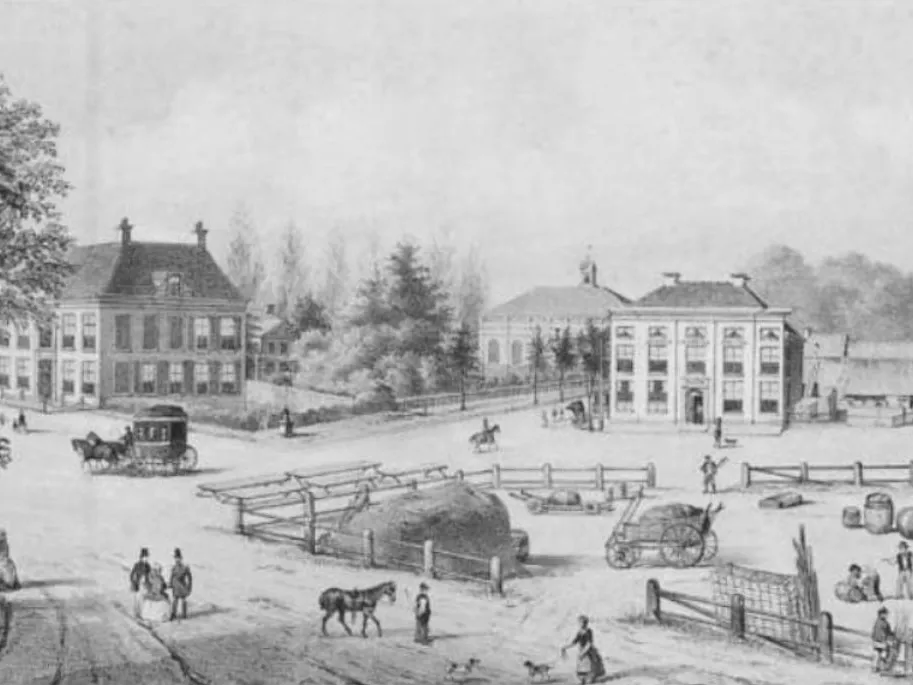
Assen city centre has a compact coffee culture where heritage, shops, terraces and specialty coffee come together around Brink, Markt and Gedempte Singel.
✴︎Updated:
Charlois
Coffee in Charlois is less about the specialty scene and more about connection, neighbourhood cafés, daytime hospitality and cultural spots around Oud-Charlois, Zuidplein and Hart van Zuid.

✴︎Updated:
Dauwendaele
An overview of the down-to-earth, price-conscious coffee culture in Dauwendaele. Neighbourhood locations around the shopping centre and community centre define the scene, with coffee hours, affordable options such as Bistro Middelburg and signposts to specialty coffee in the city centre.
✴︎Updated:
De Groote Wielen
Waterfront Het Frontier is the everyday coffee hub, with TUUR, ’t Vosje, Korengoud and Sweet-N-Ice. Convenience, terraces and family-friendliness dominate, while the potential for a specialty bar is growing.

✴︎Updated:
De Laar
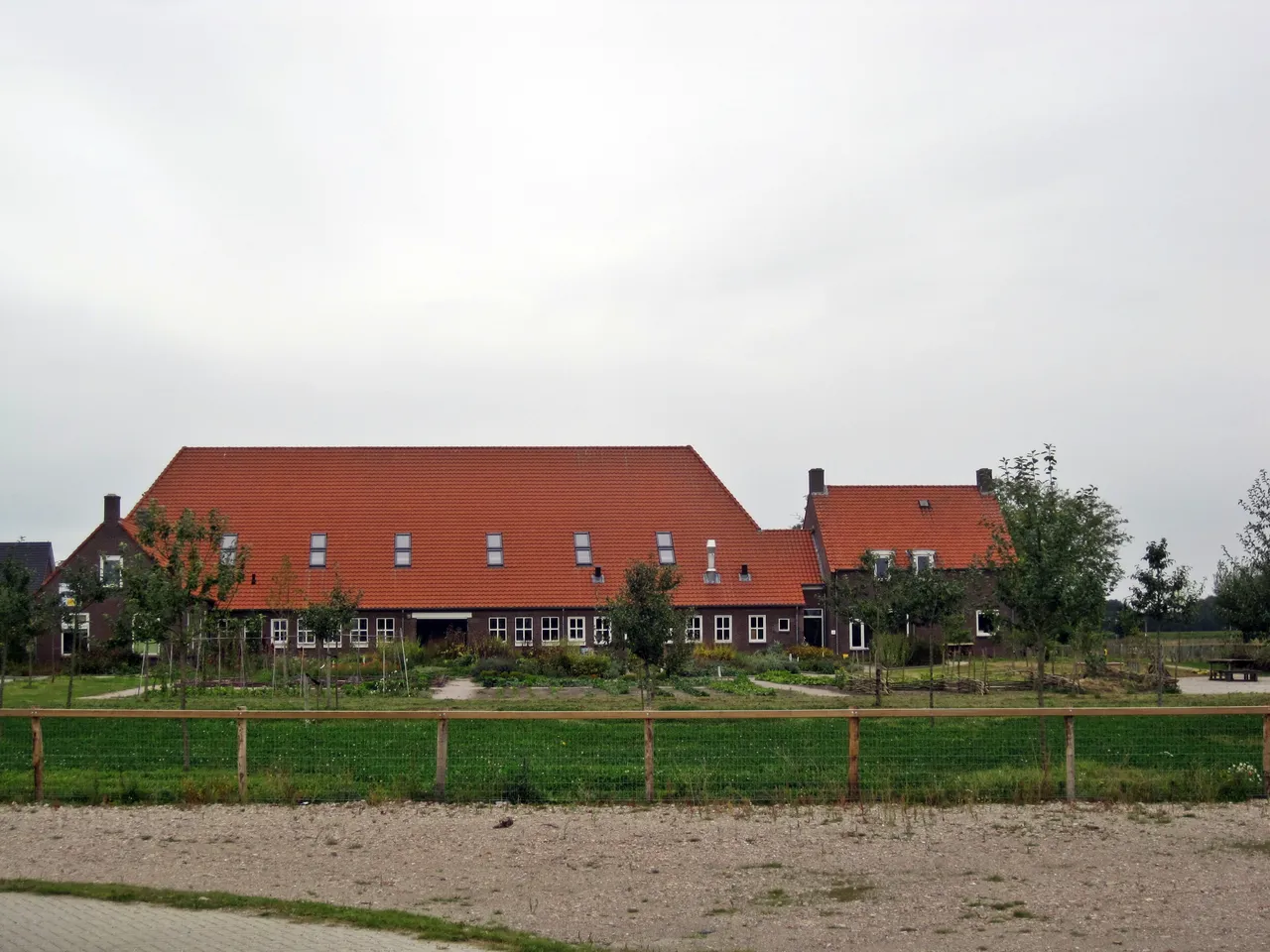
De Laar has a neighbourhood-focused coffee culture without specialty bars. Coffee is part of daily routines and social encounters at places like De Laarhof, lunchrooms, bakeries and sports canteens; for specialty coffee, the focus shifts to the centre of Arnhem.
✴︎Updated:
De Zuidlanden
De Zuidlanden does not yet have a mature coffee scene, but it has many of the right conditions for growth. Coffee here is mainly part of home life, school life, gardens and neighbourhood moments.
✴︎Updated:
Delfshaven
A sketch of Delfshaven’s coffee culture, with independent cafés, micro-roaster Evermore, hotspots along Coolhaven and Nieuwe Binnenweg, community events and sustainable initiatives that shape both stay-in and to-go demand.

✴︎Updated:
Delftlanden
Delftlanden does not have a classic café street, but it does have a growing coffee culture around home, school, services and events.
✴︎Updated:
Diemen
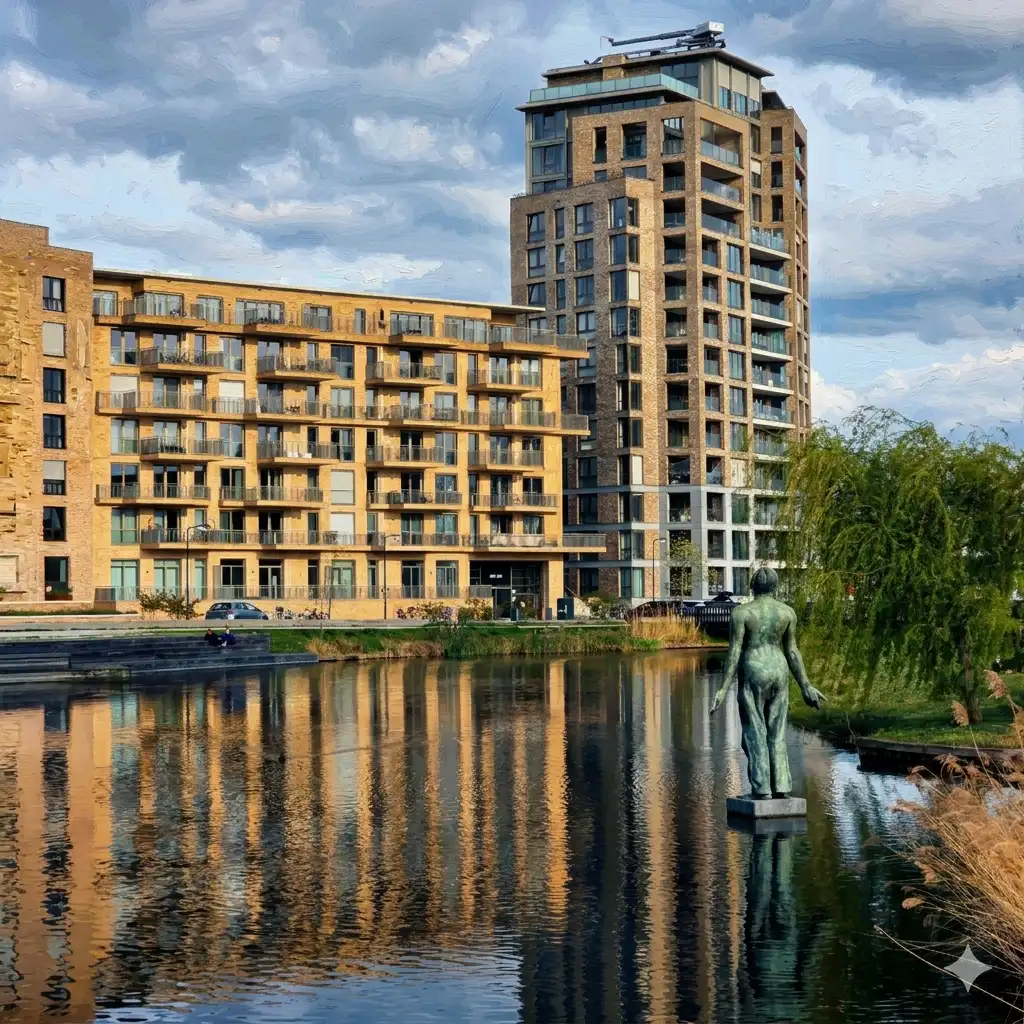
Diemen is growing as a coffee destination, with short distances and a strong neighborhood feel. OurCampus and the stations draw students and commuters, while hotspots like Louffee Coffee and House of Bird offer study spaces and terraces. Sustainability and coffee-ground projects strengthen the scene, and rush hours call for fast service.
✴︎Updated:
Diezerpoort
Diezerpoort has a down-to-earth, neighborhood-focused coffee scene: short menus, social meeting places and coffee to go while shopping, historically anchored around Diezerbrink and Brink.

✴︎Updated:
Dokkumer Ie e.o.
Along the Dokkumer Ie, village coffee dominates: village halls and tea gardens serve simple classics for walkers and cyclists. No specialty bars, but weekend and event-driven peaks, with opportunities for short supply chains and heritage routes.

✴︎Updated:
Villages of Zuid-Oost
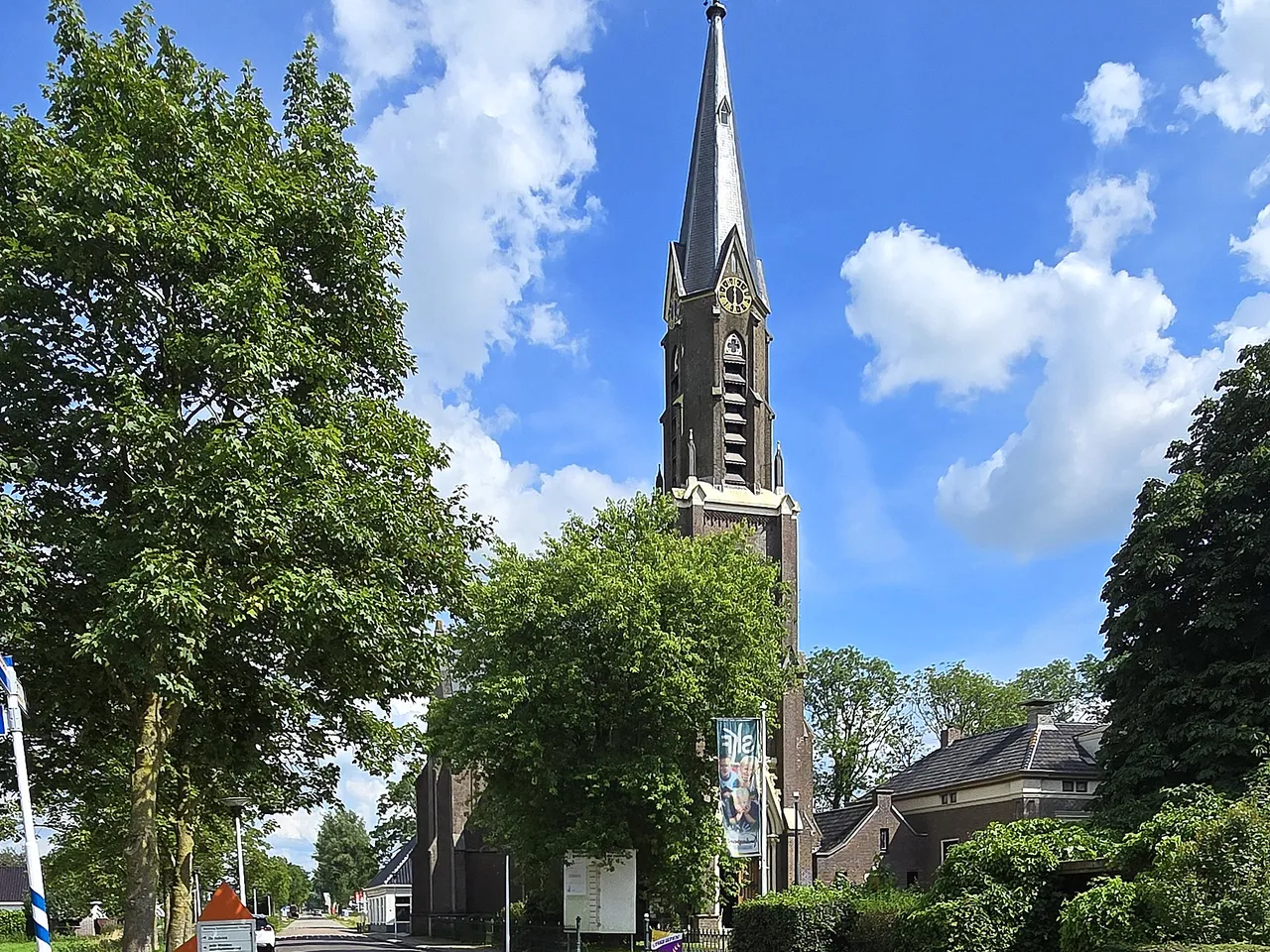
In Dorpen Zuid-Oost, coffee is less about urban trends and more about hospitality, connection and taking a break at community centres, terraces, walking routes and waterways.
✴︎Updated:
Dorpen Zuid-West
A village-oriented coffee region near Leeuwarden, with village cafés, daytime service and heritage locations. Coffee connects the community and local events; for third wave experiences, the choice more often lies in Leeuwarden’s city centre.

✴︎Updated:
Elden
Elden is not a specialty hub, but coffee has a strong social function there. The village hall, bistro, cafés and events make coffee a familiar anchor for meeting others.

✴︎Updated:
Elderveld
In Elderveld, coffee is mainly about connection, proximity and everyday usefulness. Community centres, parent groups and neighbourhood initiatives turn coffee into social infrastructure.

✴︎Updated:
Emmer-Compascuum
A profile of the coffee culture in Emmer-Compascuum, from peat-colonial cafés to today’s venues, markets and community centres. The focus is on practical coffee, an older demographic, sustainability and opportunities near Marktplein and Hoofdkanaal.

✴︎Updated:
Emmerhout
Emmerhout has a quick, neighbourhood-focused coffee culture around Houtweg. Short coffee stops happen at the bakery and snack bar, while specialty coffee is mostly sought out in Emmen-Centrum.
✴︎Updated:
Emmermeer
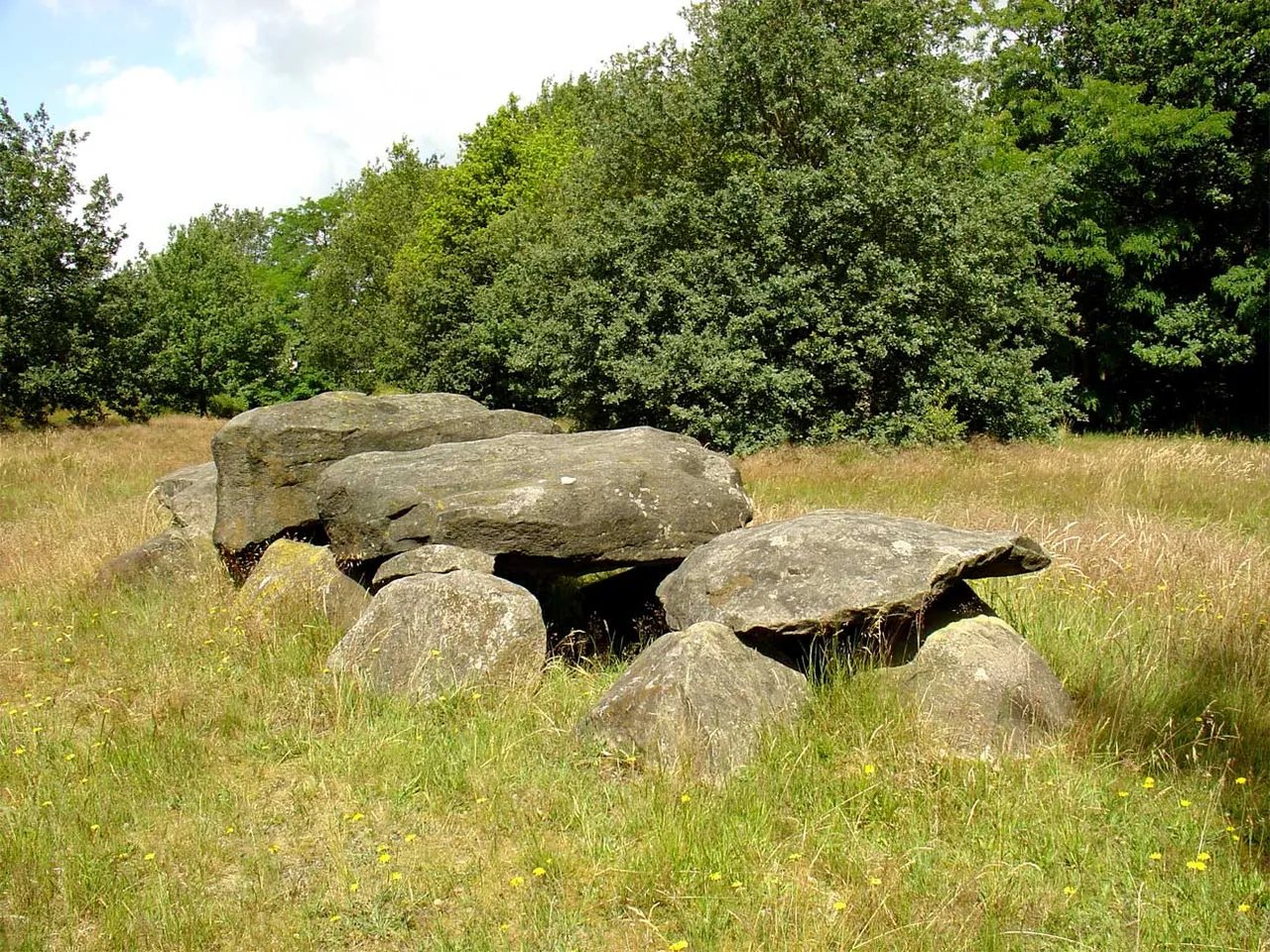
Emmermeer has a down-to-earth coffee scene centred on the bakery and snack bar. Peak moments fall in the morning and early afternoon, specialty coffee can be found in Emmen Centrum, while neighbourhood activities use coffee as an accessible ritual for bringing people together.
✴︎Updated:
Emmerschans
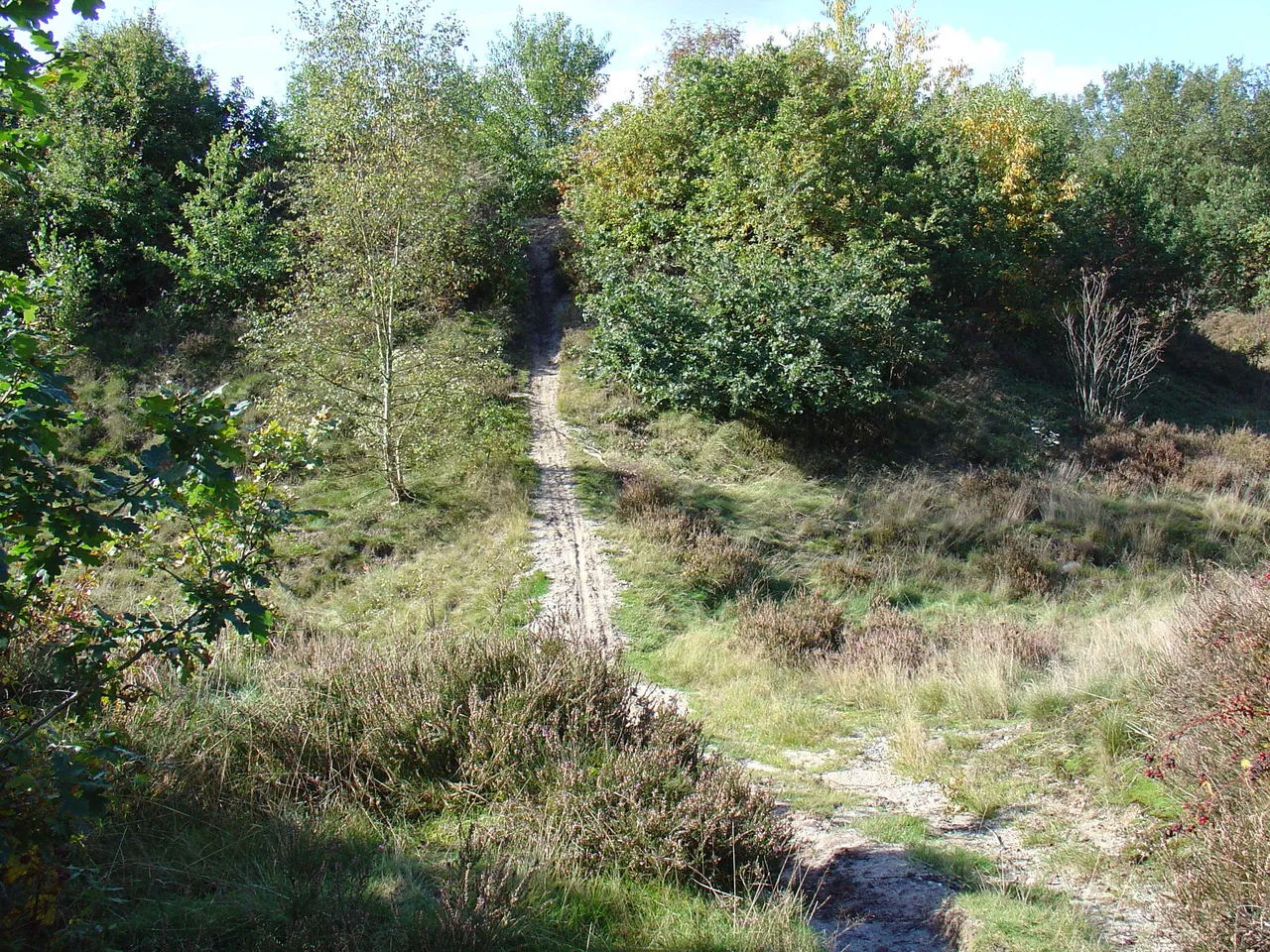
Emmerschans has a neighbourhood-focused coffee culture without micro-roasters or a trendy café strip. Coffee is mainly enjoyed at De Schans, Cafetaria De Boslaan and Happy Dinner, with an emphasis on proximity, time of day and social connection.
✴︎Updated:
Empel
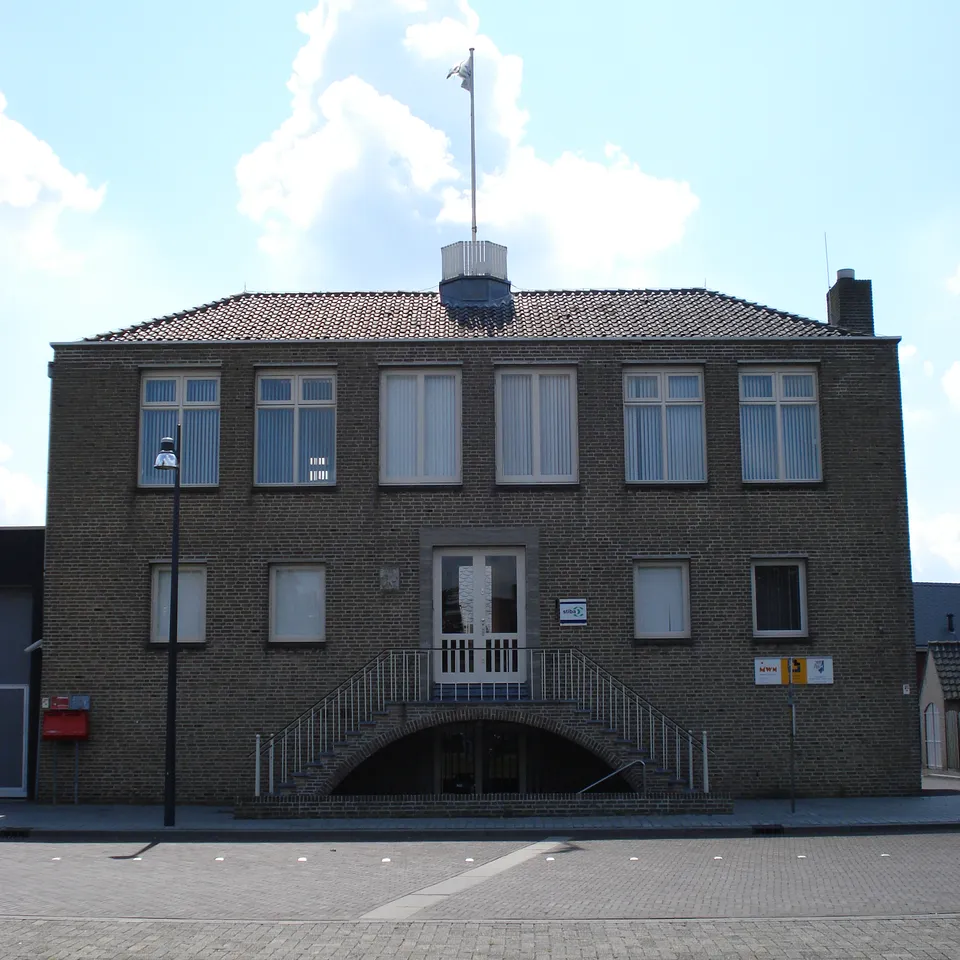
In Empel, coffee is above all a village ritual: a sign of welcome in cafés, sports clubs, neighbourhood celebrations and familiar meeting places.
✴︎Updated:
Engelen
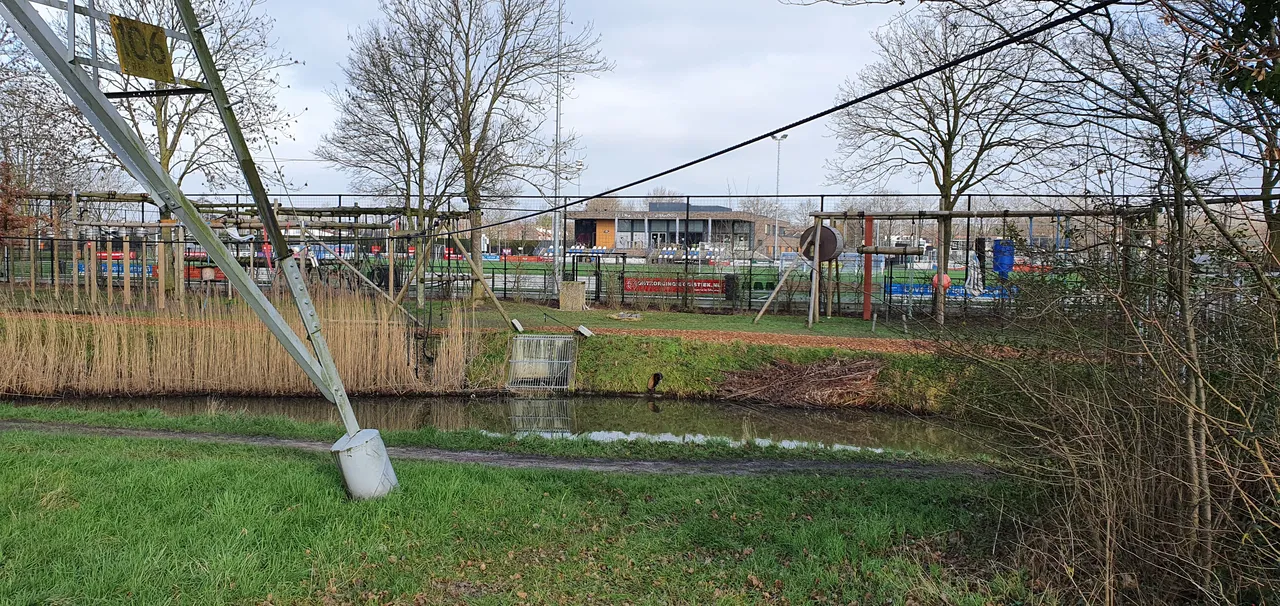
In Engelen, coffee is less about trends and more about meeting up. Village spots, senior meet-ups and terrace coffees make coffee above all a social habit.
✴︎Updated:
Erica
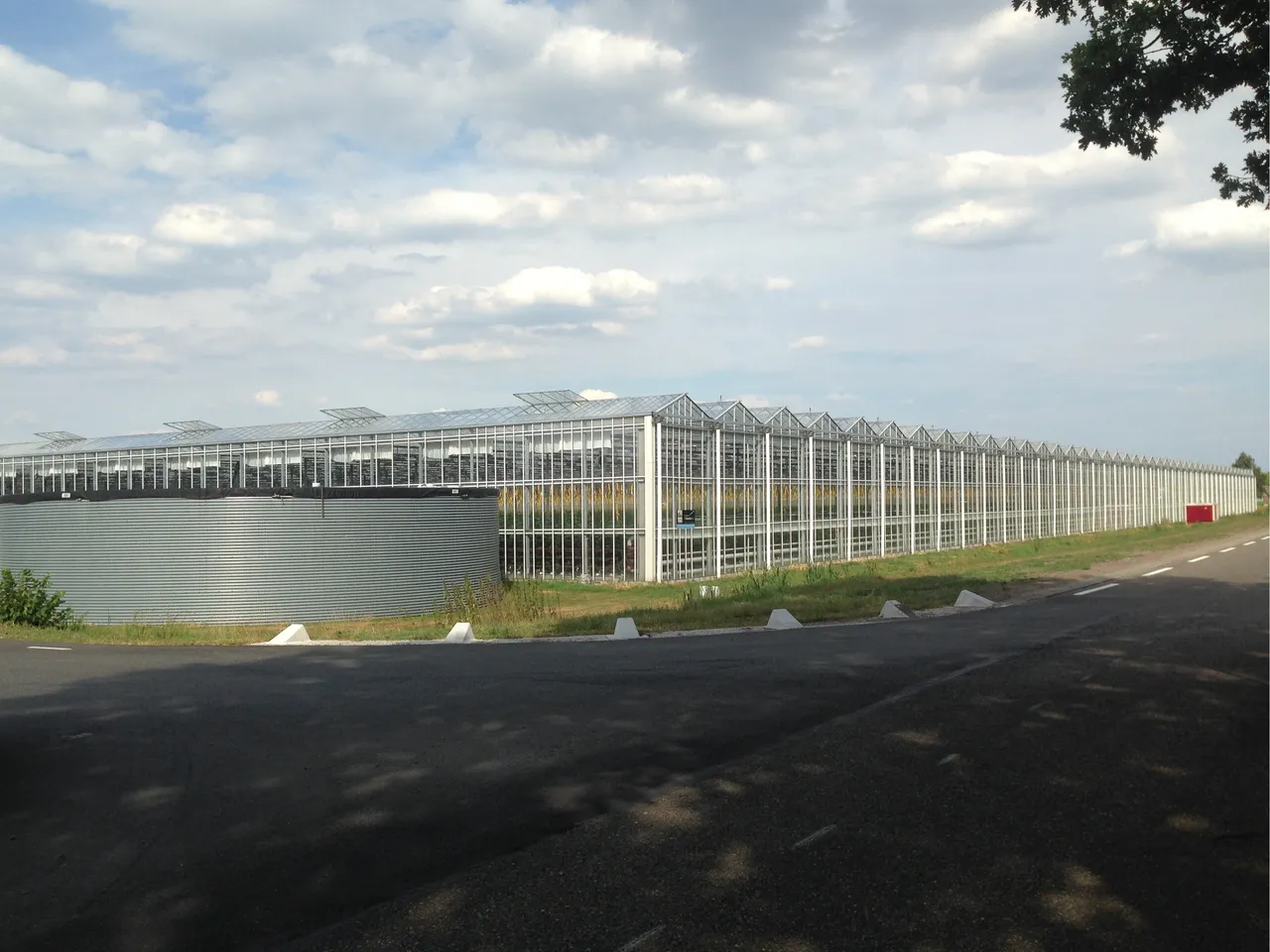
Erica’s coffee scene is down-to-earth and village-oriented. Havenstraat, the baker, the museum and HK Koffiemachines with the Erica Blend carry the day, while specialty coffee often means heading to Emmen.
✴︎Updated:
Escamp
In Escamp, coffee culture grows out of shopping streets, neighbourhood spots and everyday routines. Coffee connects residents and creates opportunities for accessible cafés.

✴︎Updated:
Feijenoord
Feijenoord links coffee with harbour stories along Katendrecht, Kop van Zuid and Noordereiland. Hotspots range from Hotel New York and ss Rotterdam to Kopi Soesoe and Koozie, with rhythms shaped by office bustle and weekend strolls.

✴︎Updated:
Geitenkamp
In Geitenkamp, coffee is less about specialty bars and more about connection, affordability and its role within the neighbourhood. Cafés, lunchrooms and social spaces bring residents together.

✴︎Updated:
Glimmen-Onnen-Noordlaren
A rural coffee landscape around Appelbergen and Zuidlaardermeer, with a pavilion, village bakery, and seasonal bistros. There is no micro-roaster, but dry weekends between 10:30 and 15:30 get busy, especially with walkers, cyclists, and families.

✴︎Updated:
Goutum
In Goutum, coffee is down-to-earth and village-minded. McCafé serves the daily flow, while the church and village hall carry the social side, and anyone seeking specialty coffee heads to nearby Leeuwarden.

✴︎Updated:
Graafsepoort
Graafsepoort has an everyday coffee scene built around neighbourhood cafés and social hubs; specialty coffee is just across the Aa in the Binnenstad. Value and proximity dominate, especially along the Graafseweg.
✴︎Updated:
Griffioen
Coffee in Griffioen is all about familiar neighbourhood moments at bakeries, playgrounds and community locations, with a historic link to tea culture and green urban living.
✴︎Updated:
Grou e.o.
Grou lives and breathes watersports, with coffee by the Pikmeer. Het Theehuis, PrikMar and an early-opening kiosk serve commuters and sailors, with peaks around regattas, Sint Piter and summer weekends.

✴︎Updated:
Haagse Hout
Haagse Hout has a neighbourhood-focused coffee culture, with specialty coffee around Theresiastraat, living-room-style cafés in Benoordenhout and approachable meeting places in Mariahoeve and Marlot.

✴︎Updated:
Haren-Oost e.o.
A neighbourhood-first coffee landscape around Anjerplein, De Mikkelhorst, and De Mellenshorst, with short coffee moments, a family focus, and circular initiatives such as oyster mushrooms grown on coffee grounds; for third-wave coffee, residents head to Haren-centrum or Groningen.

✴︎Updated:
Haren-West e.o.
An overview of coffee in Haren-West: Rijksstraatweg and Raadhuisplein form the core, with a bakery café, brasserie, reading café and Hortus. The focus is on everyday coffee, plant-based milk, sustainability and reliable go-to spots.

✴︎Updated:
Havendiep
Havendiep has a down-to-earth, utilitarian coffee culture without a specialty flagship. Coffee mainly comes from snack bars and tokos in Tjalk, Schoener and Botter, with opportunities for a neighbourhood-focused player offering fast takeaway and reusable cups.
✴︎Updated:
Heechterp & Schieringen
In Heechterp-Schieringen, coffee is not about prestige but about connection. The community center, Repair Café, and shopping park turn coffee into an accessible form of social infrastructure.

✴︎Updated:
Heijenoord/Lombok
Heijenoord and Lombok may not have a classic specialty coffee scene, but coffee is firmly woven into neighbourhood cafés, community centres, and everyday social encounters.
✴︎Updated:
Hempens/Teerns & Zuiderburen
Historic villages and a VINEX neighbourhood without specialty bars. Coffee here revolves around community centres, volunteers and everyday errands, with peaks around local activities. There is a market opportunity for a sit-down specialty concept near Kruisdobbe or in multifunctional venues such as Màrkant and De Bining.
✴︎Updated:
Hempens/Teerns & Zuiderburen
In Hempens, Teerns and Zuiderburen, coffee revolves around village halls, churches and events. Màrkant and De Bining are the hubs, with pragmatic service, pop-ups and sustainable opportunities such as reusable cups and sending coffee grounds to the Fruittuin.
✴︎Updated:
Hillegersberg‑Schiebroek
Hillegersberg‑Schiebroek pairs village charm with an urban coffee culture. From Senseo to single‑origin espresso, from Rotterzwam to a packaging‑free bean wall, residents and visitors savour quality, sustainability, and barista creativity in every cup. Stroll along Bergse Dorpsstraat and sample flat whites, matcha lattes, and pastries.
✴︎Updated:
Hoek van Holland
Coffee culture on Rotterdam’s coast grows out of heritage, beach venues and eco-minded concepts. PLSTK, Pele, Bistro-M and Beachclub One showcase all-day coffee, alt-milk options and easy access thanks to the metro.

✴︎Updated:
Holtenbroek
In Holtenbroek, coffee culture is not about specialty coffee, but about connection. Coffee brings residents together at the community centre, the bakery, lunch spots, and neighbourhood activities.

✴︎Updated:
Hoogkerk e.o.
In Hoogkerk and the surrounding area, coffee is mainly an accessible neighbourhood amenity. The village hall, library, community restaurant and local hospitality venues connect coffee with meeting others, care, affordability and daily routine.

✴︎Updated:
Hoogvliet
Hoogvliet has a practical coffee culture around the Binnenban. Brasseries, La Cocotte, Wijkhub and the library draw daytime visitors, with peaks around the Thursday market, while specialty coffee bars are missing within the neighborhood.

✴︎Updated:
Huizum-West
Huizum-West has a down-to-earth, neighbourhood-focused coffee culture. Coffee here is about proximity, morning rituals and meeting places around DOAS and Julianapark; for specialty coffee, people head to the city centre.

✴︎Updated:
IJsselmonde
IJsselmonde has a neighbourhood-focused coffee culture, with daytime hospitality, peaks around De Kuip and an emphasis on meeting up. Keizerswaard and community hubs set the rhythm, while policy creates room for quality-driven initiatives and circular pilots.

✴︎Updated:
Ittersum
In Ittersum, coffee is not a specialty hotspot, but a familiar neighbourhood function built around meeting up, lunching, shopping, and gathering at local addresses in Zwolle-Zuid.
✴︎Updated:
Kamperpoort-Veerallee
Kamperpoort-Veerallee shows how coffee works as a neighbourhood ritual, a hospitality service, and a sustainable trade flow, from community centre to lunchroom and circular coffee companies.

✴︎Updated:
Klarenbeek-Veersepoort
Klarenbeek-Veersepoort does not have a specialty coffee cluster, but coffee is part of everyday life through bakeries, care facilities, neighbourhood activities and daily routines.

✴︎Updated:
Klarendal
Coffee in Klarendal is about more than specialty. From old coffee houses to modern living-room-style spots, a cup of coffee connects residents, makers, students and visitors.
✴︎Updated:
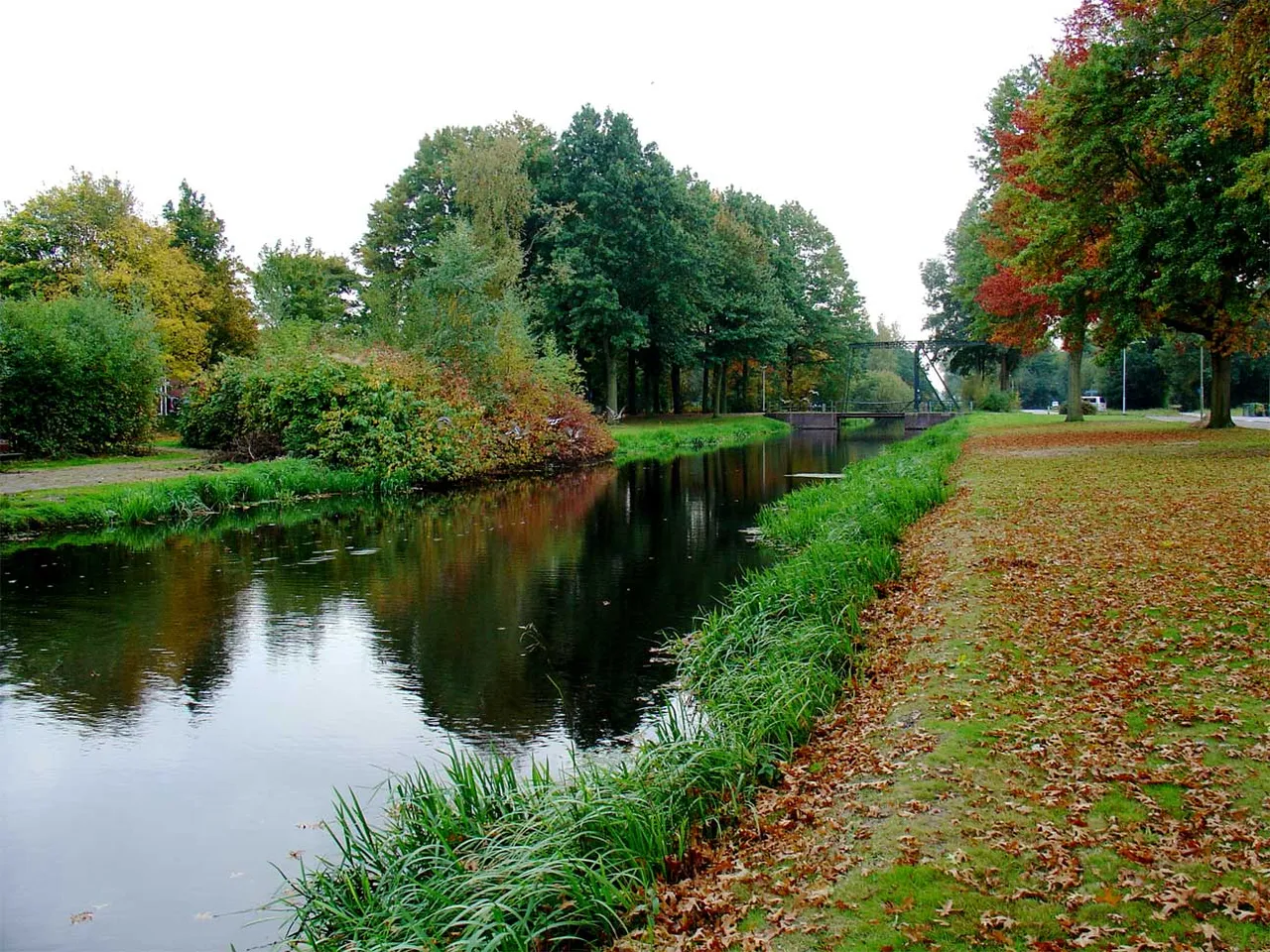
Klazienaveen
Klazienaveen has a down-to-earth coffee culture built around hospitality venues, bakeries, lunchrooms and community centres. Here, coffee connects canal history, hospitality, social encounters and the modern impulse of Barista Cafe.
✴︎Updated:
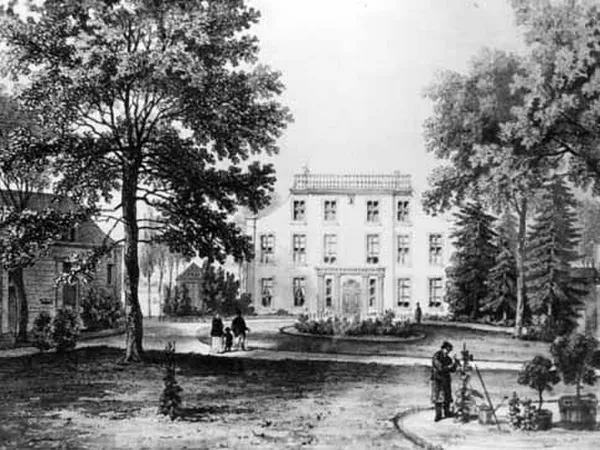
Klingelbeek e.o.
Klingelbeek and the surrounding area do not have a busy coffee strip, but rather a calm daytime scene shaped by walking, work, care and neighbourhood connections. Atelier Giri, Kookplaats Arnhem and ’t HoeveCafé are the main anchor points.
✴︎Updated:
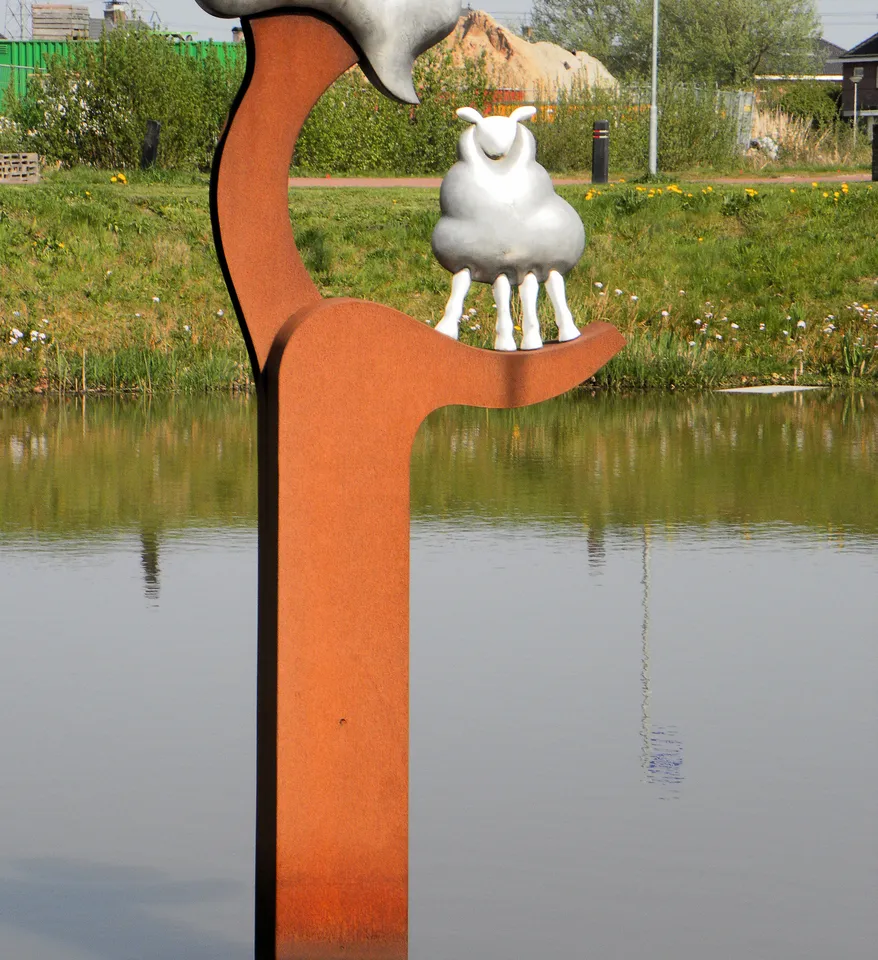
Kloosterveen
Kloosterveen has a young, social coffee culture centred around Kloosterveste, Kloosterbrand and Concept Anders. Here, coffee goes hand in hand with grocery shopping, cake, lunch and neighbourhood activities.
✴︎Updated:
Kralingen-Crooswijk
Kralingen-Crooswijk is not an overcrowded coffee district, but a finely woven daytime neighbourhood with specialty coffee, community-minded service and daytime hospitality that fits the rhythm of living, studying and working.

✴︎Updated:
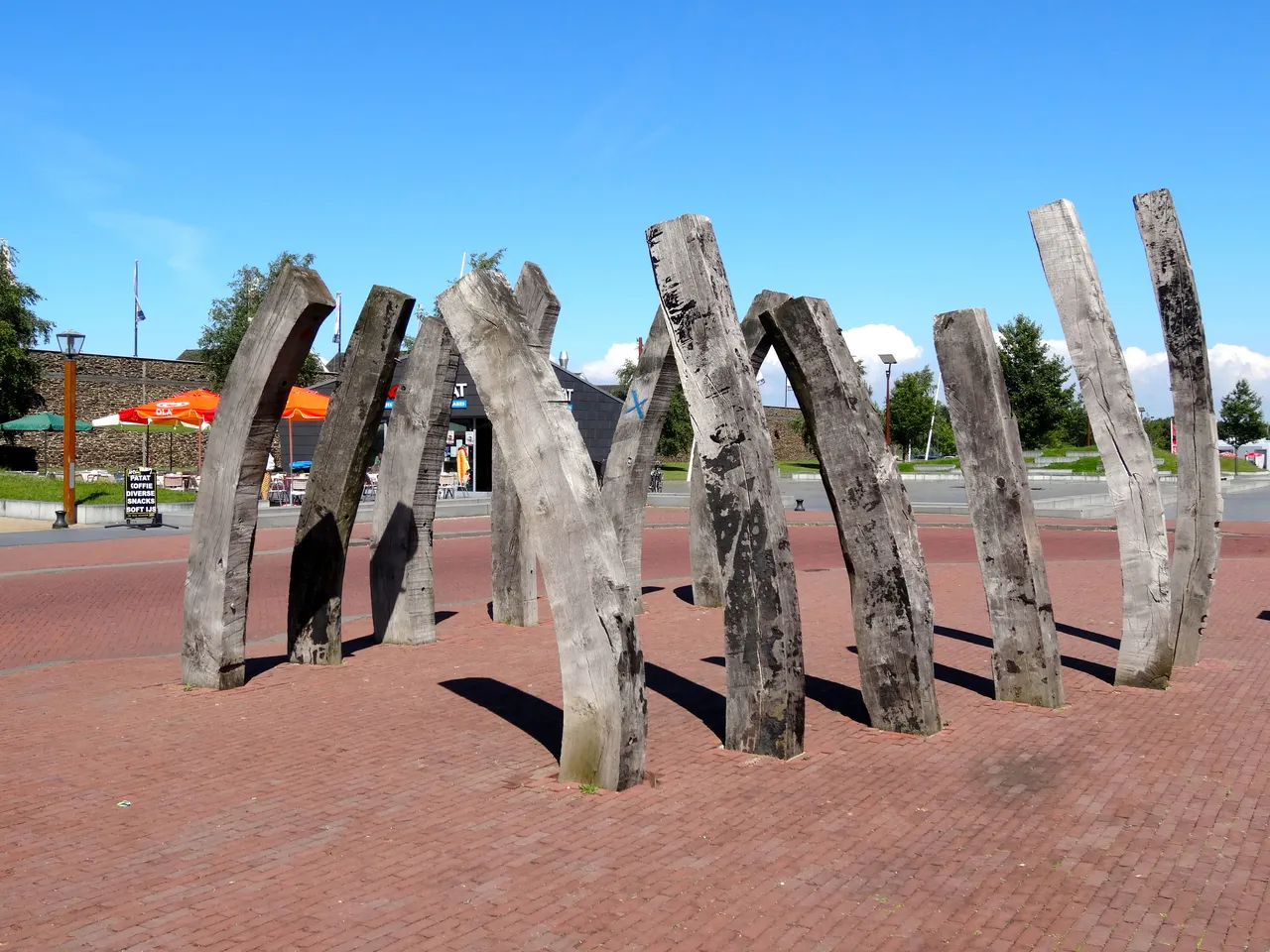
Kustwijk
Kustwijk does not have an old café street, but rather a practical coffee landscape shaped by Batavia Stad, the harbour and neighbourhood spots such as De Dukdalf.
✴︎Updated:
Laak
Laak is not a classic coffee destination, but it shows how coffee functions as social infrastructure for work, study, lunch and local connection.

✴︎Updated:
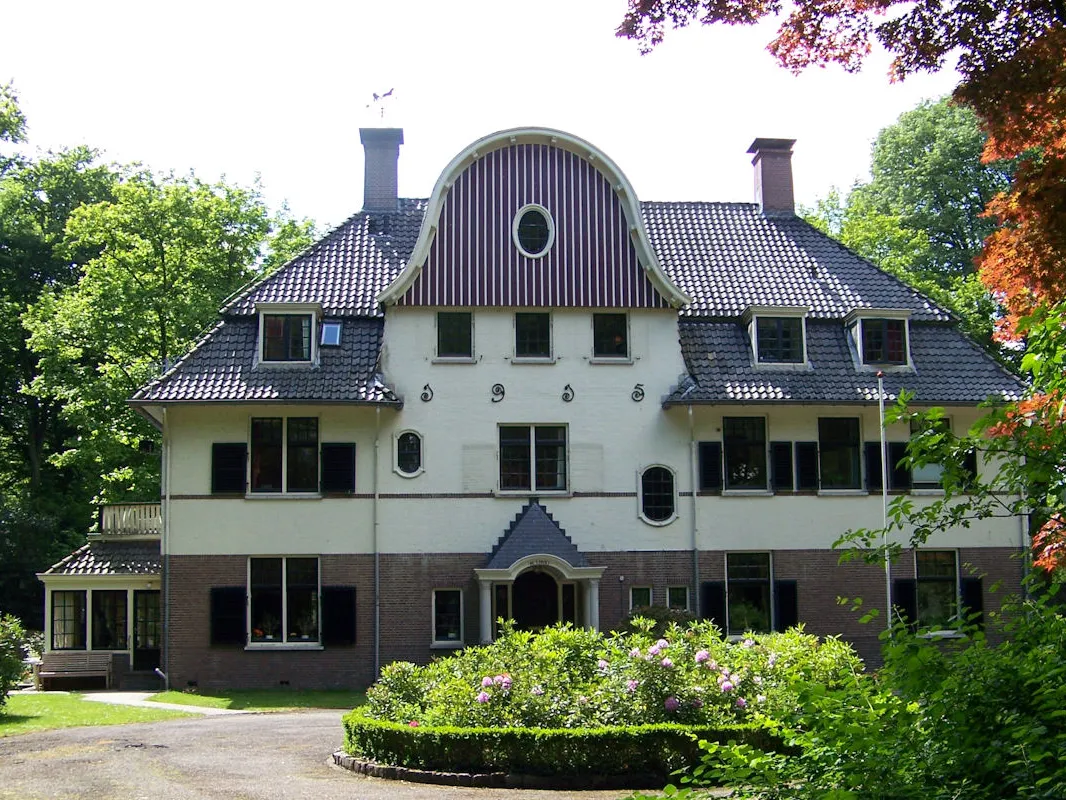
Lariks
Lariks has a small-scale coffee landscape where community, care, and meeting up are central. Malers Specialty Coffee acts as a professional anchor, complemented by spots on Nobellaan and canal-side eetcafés.
✴︎Updated:
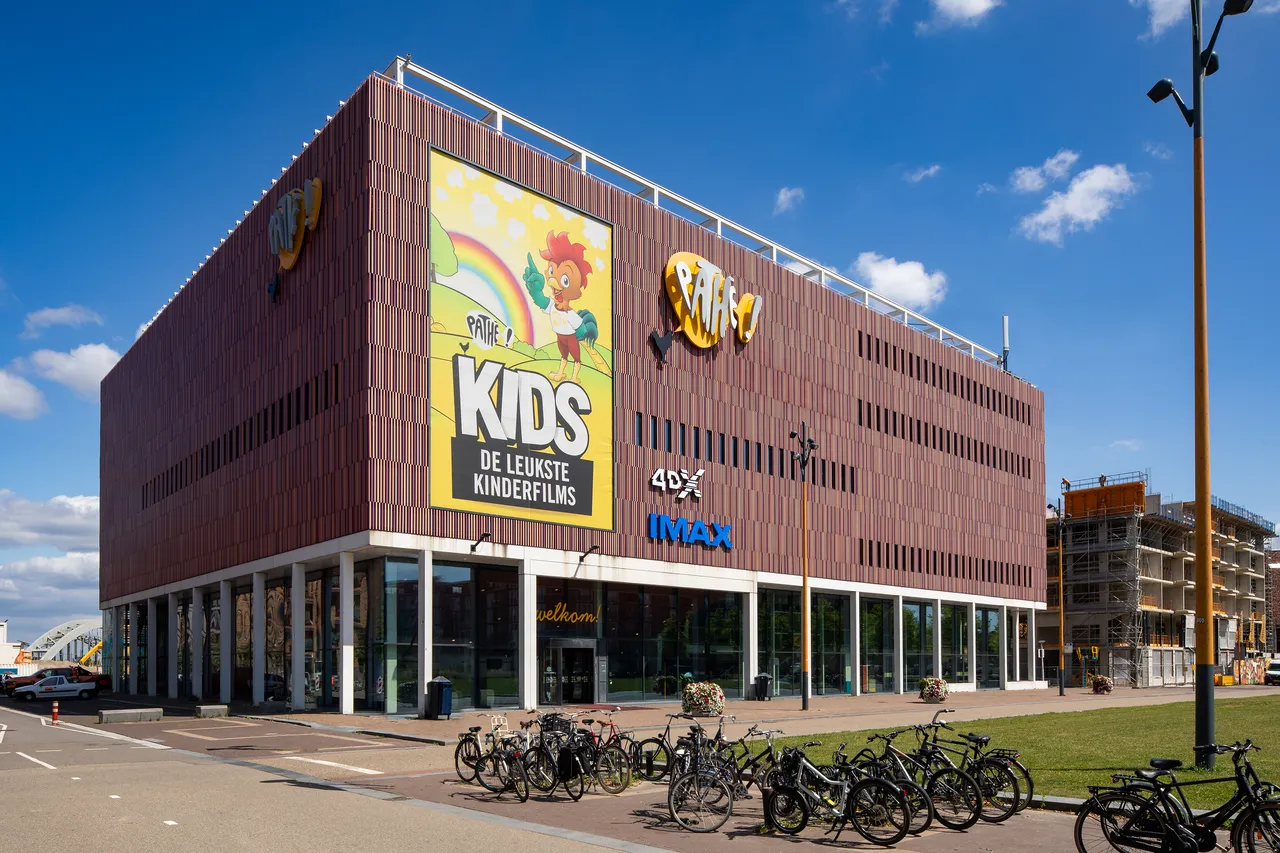
Leidsche Rijn
Leidsche Rijn has a young coffee culture where brunch spots, neighbourhood cafés and family-friendly hospitality come together around the station, library and everyday routes.
✴︎Updated:
Leidschenveen-Ypenburg
Leidschenveen-Ypenburg shows how coffee works as an everyday amenity: practical, family-friendly and connected to lunch spots, station coffee and neighbourhood activities.

✴︎Updated:
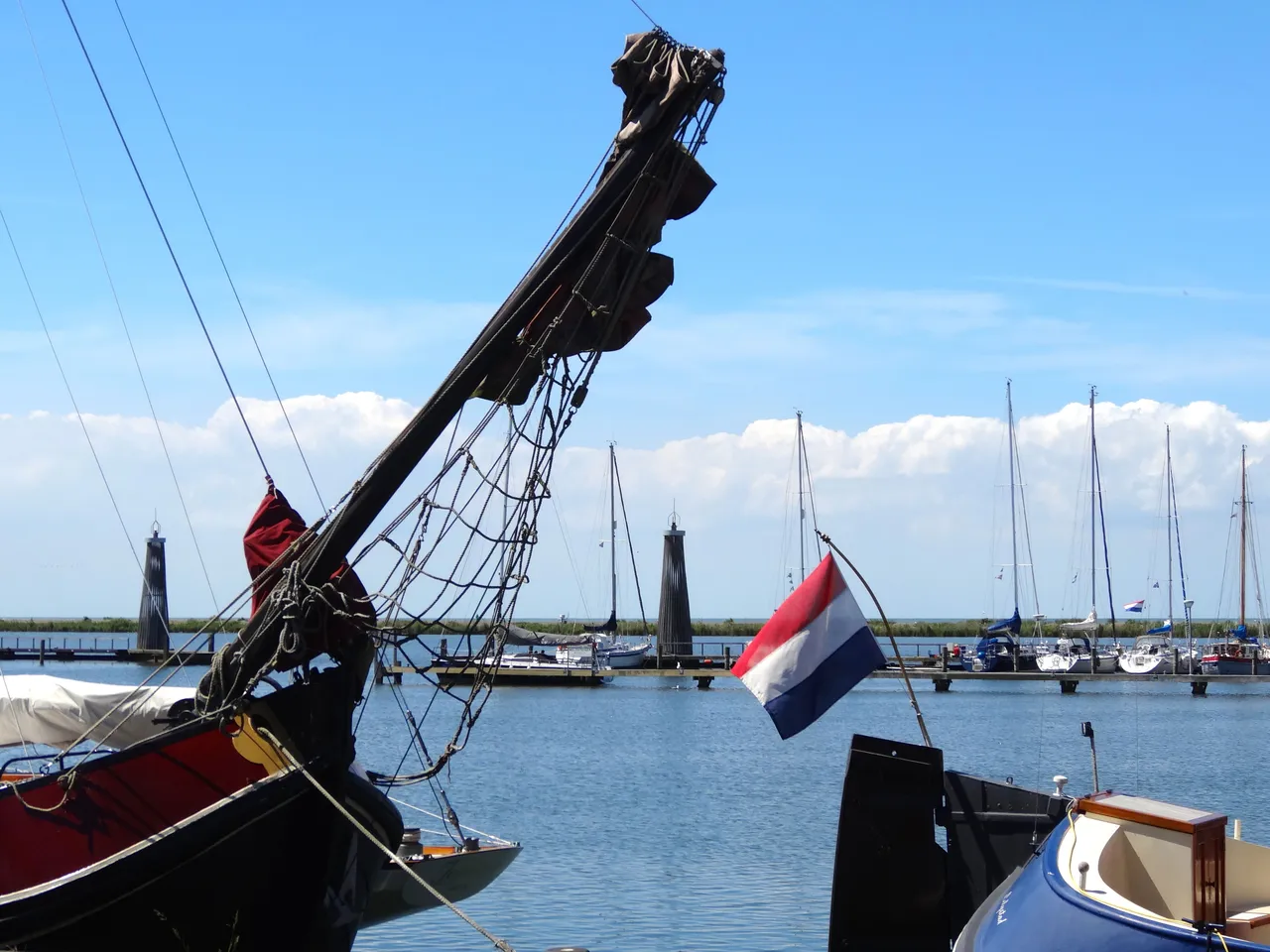
Lelystad-Haven
Coffee in Lelystad-Haven is practical and social: from pioneer canteen to harbour restaurant, lunchroom and high tea by the water.
✴︎Updated:
Loosduinen
Coffee in Loosduinen is less about specialty hype and more about neighbourhood life, green spaces, cake and connection. Local spots bring together residents, families, older people and walkers.

✴︎Updated:
Maaspoort
Maaspoort has a down-to-earth coffee culture shaped by bakeries, a deli and a drivers’ café. Major destination cafés are missing, which creates a clear opportunity for a central, family-friendly café on the Lokerenpassage.
FAQ: Coffee in Leeuwarden
Leeuwarden has 20 gekoppelde koffiebranders. Het aanbod loopt van branders met een klein assortiment, zoals Five Ways Coffee and It Sûkelade Famke met elk 1 boon, tot grotere assortimenten bij Manhattan Coffee Roasters with 20 coffees and Friedhats Coffee Roasters met 26 bonen. Ook Bocca Coffee met 14 bonen en Blanche Dael met 13 bonen bieden een breed aanbod.
De prijzen van koffiebonen die aan Leeuwarden zijn gekoppeld lopen van €0,21/shot (€11,45/kg) voor El Cielo van Manhattan Coffee Roasters tot €6,16/shot (€342,00/kg) voor Panama Kotowa Gesha #1923 van Friedhats Coffee Roasters. Betaalbare opties zijn onder meer Cook & Boon, met bonen van €0,22/shot (€12,22/kg) tot €0,64/shot (€35,56/kg), It Sûkelade Famke met Peru Premium Arabica voor €0,38/shot (€21,11/kg) en Laurens Coffee met Samba voor €0,39/shot (€21,67/kg). Bij Beukenhorst Koffie lopen de prijzen van €0,43/shot (€23,89/kg) tot €0,54/shot (€30,00/kg), terwijl DutchBeans varieert van €0,43/shot (€23,89/kg) tot €0,61/shot (€33,89/kg).
Friedhats Coffee Roasters — 26 bonen is de brander met het grootste assortiment binnen de aan Leeuwarden gekoppelde data. Daarna volgen Manhattan Coffee Roasters met 20 bonen, Bocca Coffee met 14 bonen en Blanche Dael met 13 bonen. Brandsma Koffie heeft 10 bonen en Lot Sixty One Coffee Roasters 9 bonen.
The cheapest bean is El Cielo bij Manhattan Coffee Roasters — €0,21/shot (€11,45/kg). Andere voordelige opties zijn Ethiopia Brazil van Cook & Boon voor €0,22/shot (€12,22/kg), Gisele en Hertson Bernal van Manhattan Coffee Roasters voor €0,27/shot (€15,00/kg) en Peru Premium Arabica van It Sûkelade Famke voor €0,38/shot (€21,11/kg). Bij Laurens Coffee kost Samba €0,39/shot (€21,67/kg).