GrachtenBeans / Province of Utrecht

Province of Utrecht

Koffiecultuur Utrecht van historie tot specialty roast trend

Utrecht drinks four cups of coffee a day and blends centuries‑old gezelligheid with modern taste, Douwe Egberts dominates aroma and history while specialty roasters push quality, Fairtrade organic beans and capsule convenience together shape the future of a vibrant coffee culture that inspires worldwide

Roasters in the Province of Utrecht

B

Beukenhorst Koffie

Lichtenvoorde, Gelderland
€€
Beans
8 beans
Price/kg
€23–€28
Per shot
€0.43–€0.54

BlackStock Coffee

Aalsmeer, Noord-Holland
€€
Beans
12 beans
Price/kg
€25–€28
Per shot
€0.47–€0.54

Blanche Dael

Maastricht, Limburg
€€€
Beans
29 beans
Price/kg
€29–€133
Per shot
€0.55–€2.53

Bocca Coffee

Dronten, Flevoland
€€€
Beans
14 beans
Price/kg
€28–€109
Per shot
€0.54–€2.07

Boot Koffie

Baarn, Utrecht Province
€€€
Beans
18 beans
Price/kg
€36–€45
Per shot
€0.68–€0.85
Beans
11 beans
Price/kg
€17–€26
Per shot
€0.32–€0.49

Brandmeesters

Boesingheliede, Noord-Holland
€€€
Beans
17 beans
Price/kg
€13–€147
Per shot
€0.24–€2.79

C

D

Dagger Coffee

Utrecht, Utrecht Province
€€€
Beans
7 beans
Price/kg
€36–€55
Per shot
€0.68–€1.05

DAK Coffee Roasters

Amsterdam, Noord-Holland
€€€€
Beans
24 coffees
Price/kg
€52–€93
Per shot
€0.98–€1.76

De Jong Koffie

Soest, Utrecht Province
€€€€
Beans
9 beans
Price/kg
€34–€265
Per shot
€0,65–€5,04

De Laat Coffee

Nieuwkuijk, Noord-Brabant
€€
Beans
8 beans
Price/kg
€3–€42
Per shot
€0.06–€0.80

F

Beans
4 beans
Price/kg
€19–€23
Per shot
€0.37–€0.43

G

GUZO Coffee

Debre Zeit
€€€
Beans
10 beans
Price/kg
€20–€47
Per shot
€0.38–€0.90

H

Heilige Boontjes

Rotterdam, Zuid-Holland
€€
Beans
5 beans
Price/kg
€25–€32
Per shot
€0.47–€0.60

I

Illimani

Zwolle, Overijssel
€€
Beans
5 beans
Price/kg
€24–€27
Per shot
€0.46–€0.52

K

Keen Coffee

Utrecht, Utrecht Province
€€€
Beans
28 beans
Price/kg
€42–€148
Per shot
€0.80–€2.82

Keikoffie

Warffum, Provincie Groningen
€€
Beans
3 beans
Price/kg
€23–€25
Per shot
€0,44–€0,47

Kiaterra

Utrecht, Utrecht Province
€€€€
Beans
3 beans
Price/kg
€49–€55
Per shot
€0.94–€1.04

Koffie & Ik

Amersfoort, Utrecht Province
€€€€
Beans
1 bean
Price/kg
€52
Per shot
€0,99

L

Laurens Coffee

Vries, Drenthe
€€
Beans
14 beans
Price/kg
€21
Per shot
€0,39

Little Roastery

Amersfoort, Utrecht Province
€€
Beans
27 beans
Price/kg
€31–€36
Per shot
€0,59–€0,68

M

Man Met Bril

Rotterdam, Zuid-Holland
€€€
Beans
16 beans
Price/kg
€32–€76
Per shot
€0.61–€1.44

Mellow Coffee Roasters

Rotterdam, Zuid-Holland
€€€€
Beans
23 beans
Price/kg
€53–€225
Per shot
€1.00–€4.28

Moto Coffee

Amersfoort, Utrecht Province
€€€
Beans
18 beans
Price/kg
€27–€42
Per shot
€0.51–€0.80

N

nooc coffee

Amersfoort, Utrecht
€€€€
Beans
9 beans
Price/kg
€57–€85
Per shot
€1.08–€1.62

O

P

R

Redbeans

Almelo, Overijssel
€€
Beans
4 beans
Price/kg
€25–€32
Per shot
€0.47–€0.60

Roast'n Toast

Veenendaal, Utrecht Province
€€
Beans
12 beans
Price/kg
€30–€45
Per shot
€0,57–€0,86

Rubinati Koffie

Utrecht, Utrecht Province
€€
Beans
2 beans
Price/kg
€30
Per shot
€0,57

S

Beans
2 beans
Price/kg
€21
Per shot
€0,39

Simon Lévelt

Haarlem, Noord-Holland
€€€
Beans
28 beans
Price/kg
€31–€72
Per shot
€0.59–€1.36

SWAN ROAST

Veenendaal, Utrecht Province
€€
Beans
2 beans
Price/kg
€24
Per shot
€0,45

T

U

Ukiyo Koffie

Utrecht, Utrecht
€€€€
Beans
1 bean
Price/kg
€114
Per shot
€2,16

V

Vanneau Espresso

Harderwijk, Gelderland
Beans
13 coffees
Price/kg
€26
Per shot
€0,49

W

Wonder Beans

Utrecht, Utrecht Province
€€€
Beans
13 coffees
Price/kg
€28–€67
Per shot
€0.54–€1.28

#

30ML Coffee Roasters

Nijkerk, Gelderland
€€€
Beans
4 beans
Price/kg
€36–€47
Per shot
€0.69–€0.89

Cities in Utrecht Province

  • Beste Koffie in Leeuwarden (2026) — 12 Bars & 20 Branders

    Beste Koffie in Leeuwarden (2026) — 12 Bars & 20 Branders

    Leeuwarden has been drinking coffee since 1687, moving from Douwe Egberts to trendy barista bars. Hotel Post Plaza roasts its own blends, while Brandsma Koffie marks its anniversary. Fairtrade initiatives, latte art competitions and circular projects weave together tradition, innovation and community for locals and visitors alike.
  • Beste Koffie in Utrecht (2026) — 68 Bars & 45 Branders

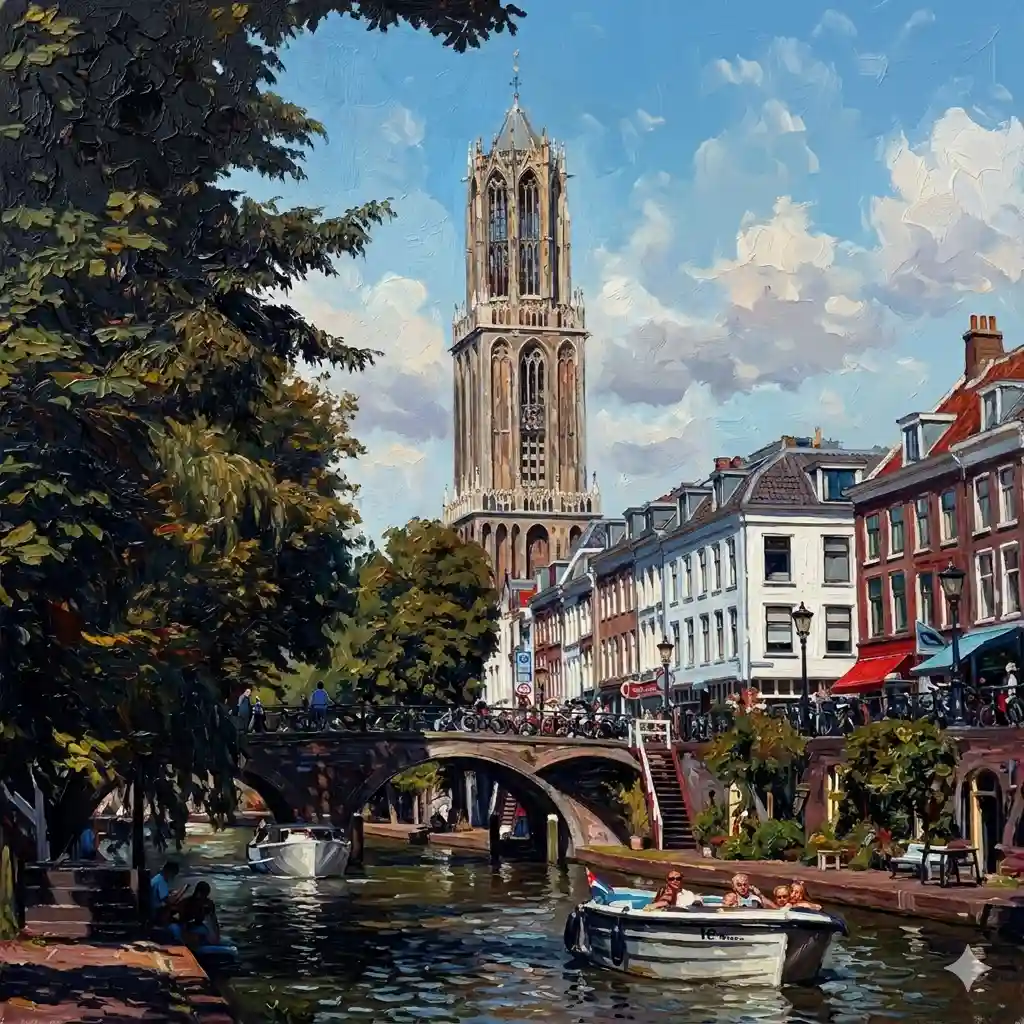
    Beste Koffie in Utrecht (2026) — 68 Bars & 45 Branders

    Utrecht breathes coffee aroma. From eighteenth‑century coach travelers to modern micro‑roasters, the city has grown to 65 specialty cafés. Pioneers like The Village and Keen Coffee combine craftsmanship, sustainability, and community, while events keep the coffee culture buzzing, inviting new flavor‑seekers and entrepreneurs
  • Beste Koffie in Groningen (2026) — 30 Bars & 32 Branders

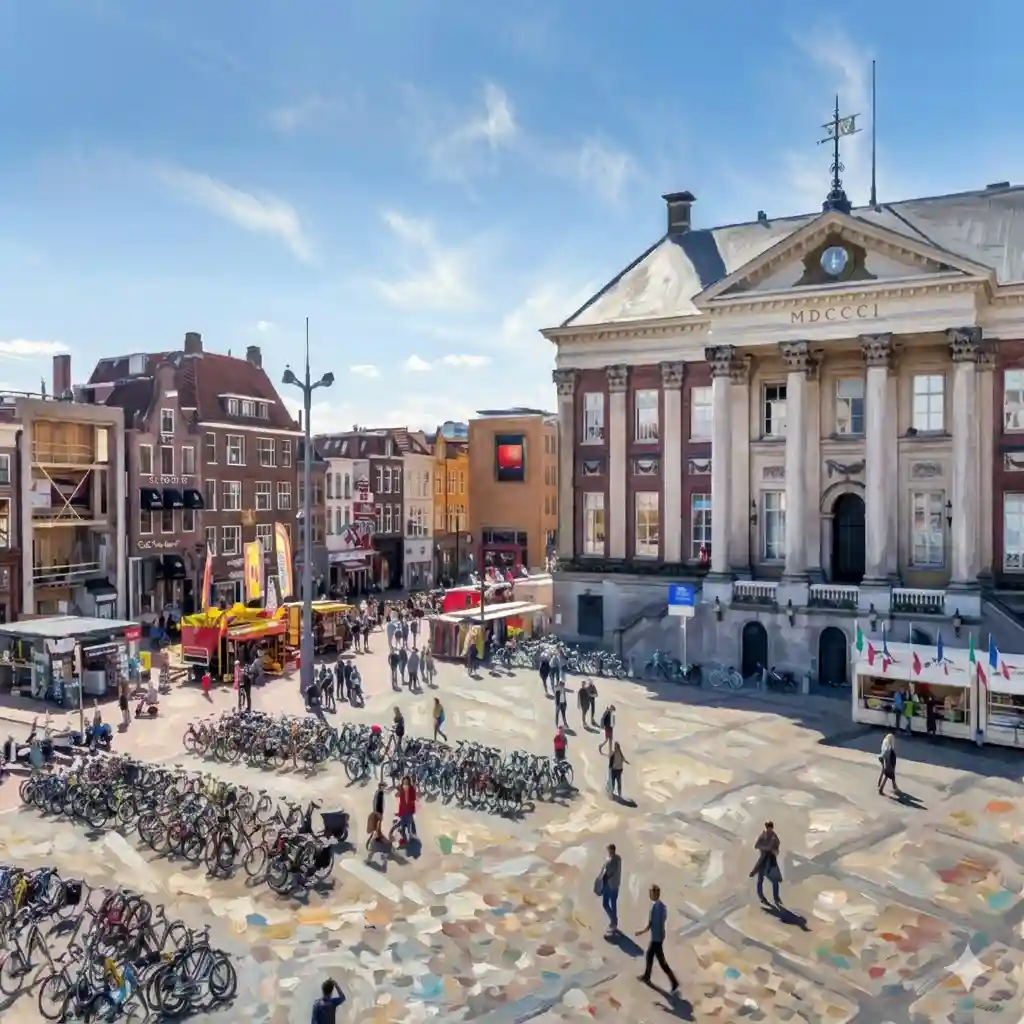
    Beste Koffie in Groningen (2026) — 30 Bars & 32 Branders

    Groningen has grown from a luxury product into a breeding ground for specialty coffee; historic roasters, award‑winning bars and circular projects show how tradition, innovation and sustainability converge and create opportunities for investors and enthusiasts. The guide explores key players, flavour trends, green solutions and tips.
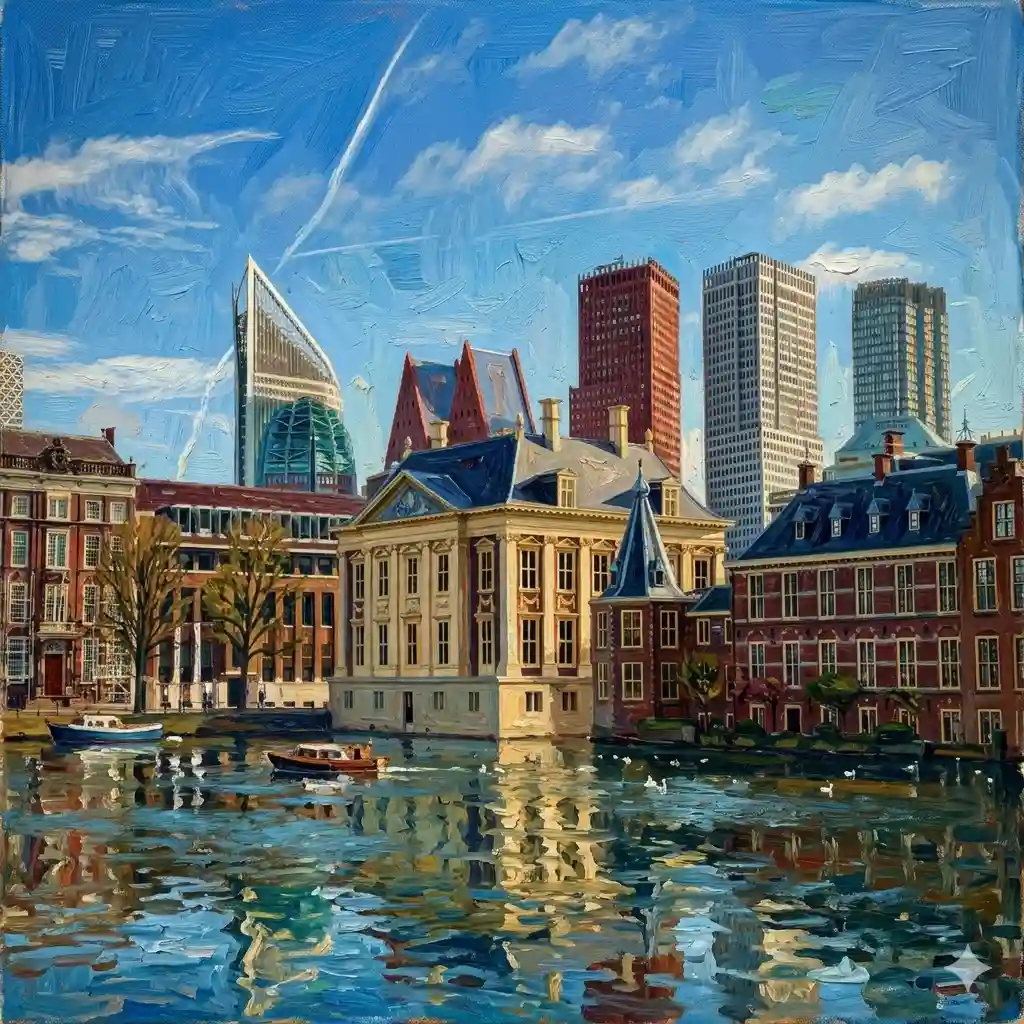
  • Beste Koffie in Den Haag (2026) — 83 Bars & 48 Branders

    Best Coffee in Den Haag (2026) – 83 Bars & 48 Roasters

    The Hague enjoys a rich coffee tradition dating back to 1664, from seventeenth-century salons to modern espresso bars. Iconic venues, sustainable initiatives and rising demand for single-origin beans show how tradition and innovation blend here in harmony. The city breathes coffee at every moment of the day.
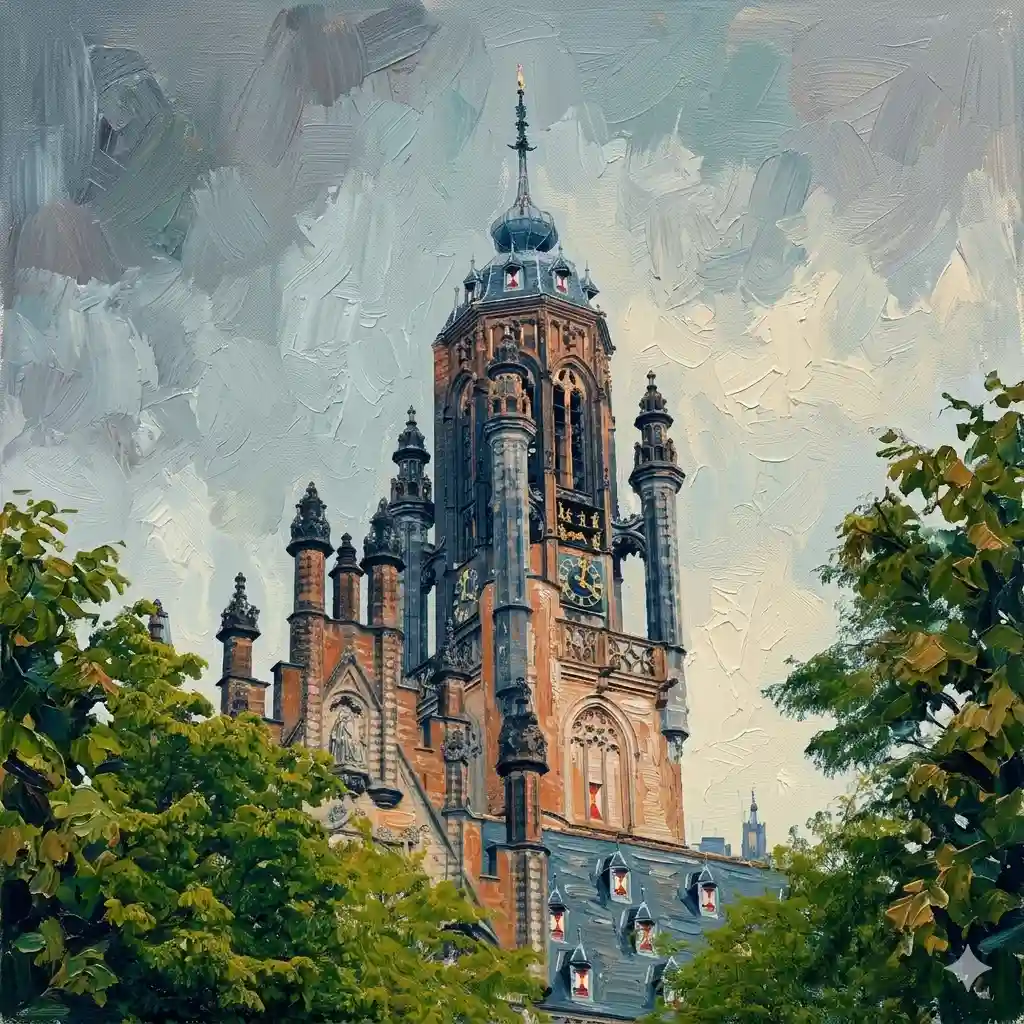
  • Beste Koffie in Middelburg (2026) — 11 Bars & 14 Branders

    Best Coffee in Middelburg (2026) — 11 Coffee Bars & 14 Roasters

    Middelburg’s coffee story begins with the Dutch East India Company and flows into creative micro-roasters, atmospheric bars and sustainable initiatives. From a bolus with an espresso to live music festivals, every sip proudly tells Zeeland history and reveals the future of circular coffee.
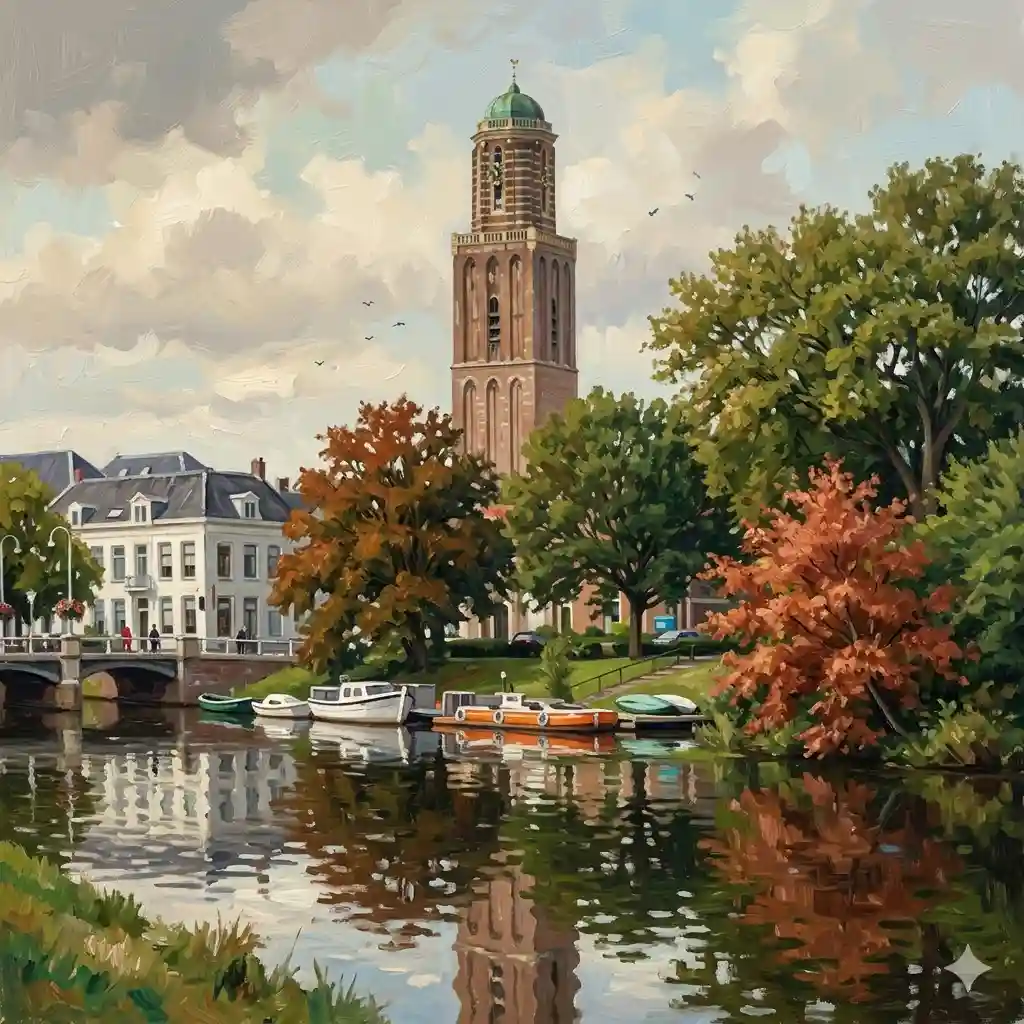
  • Beste Koffie in Zwolle (2026) — 27 Bars & 30 Branders

    Beste Koffie in Zwolle (2026) — 27 Bars & 30 Branders

    Zwolle breathes coffee. From Hanseatic‑era roasteries to Mocca d’Or’s high‑tech roasting centre, the city combines centuries of craftsmanship with innovation and sustainability. Top cafés shine in the Misset Koffie Top 100, while circular projects turn spent coffee grounds into tasty opportunities for entrepreneurs and residents.

  • Beste Koffie in ‘s-Hertogenbosch (2026) — 17 Bars & 23 Branders

    Beste Koffie in ‘s-Hertogenbosch (2026) — 17 Bars & 23 Branders

    Den Bosch blends centuries‑old trade with modern coffee bars. From De Gruyter to La Jeu, sustainability, plant‑based milk and community events form the backbone of a city where tradition and innovation meet in every sip, inspiring coffee lovers and ambitious entrepreneurs worldwide today.
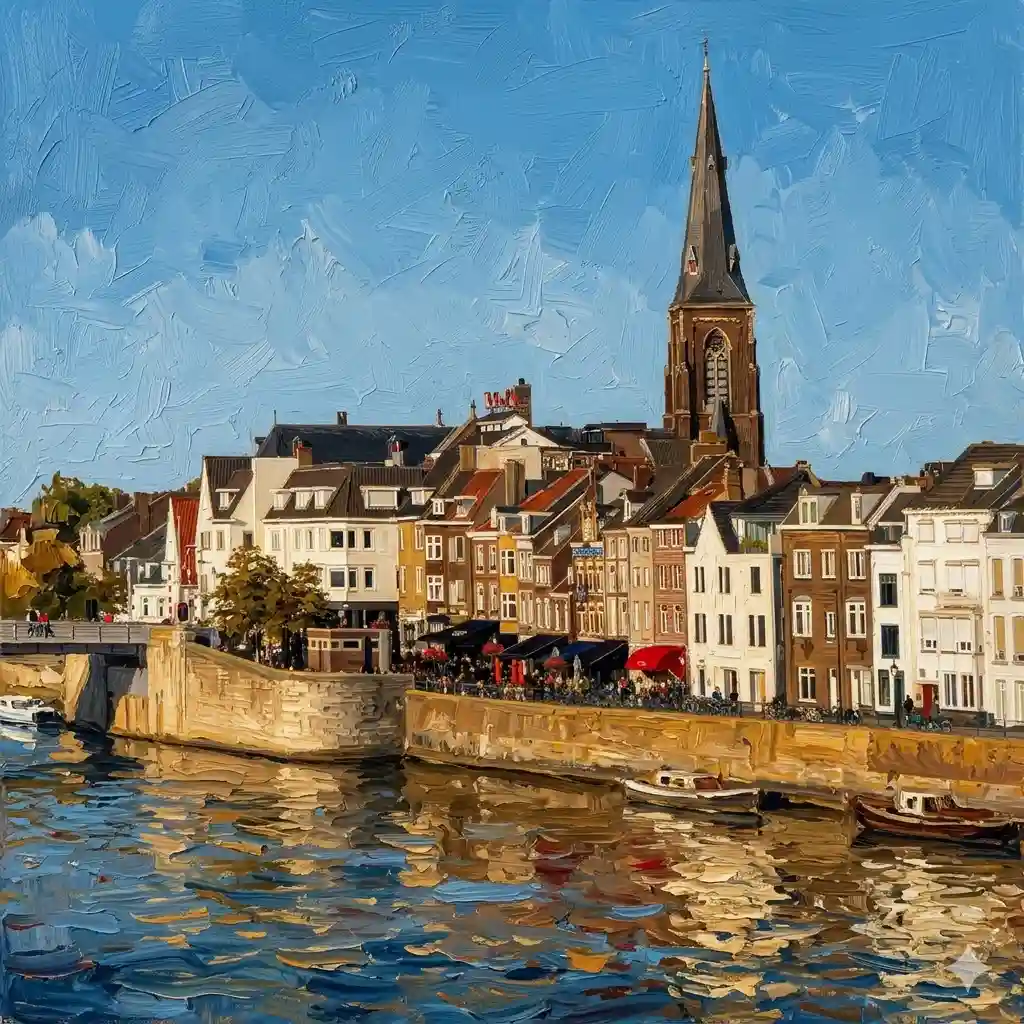
  • Beste Koffie in Maastricht (2026) — 26 Bars & 19 Branders

    Beste Koffie in Maastricht (2026) — 26 Bars & 19 Branders

    Maastricht has breathed coffee aroma since the nineteenth century, from Dael to Coffeelovers, heritage and start‑ups blend their roasts, local events celebrate flavours while sustainability grows through Fairtrade beans, circular coffee grounds and energy‑efficient roasteries such as Blanche Dael that keep inspiring future baristas.
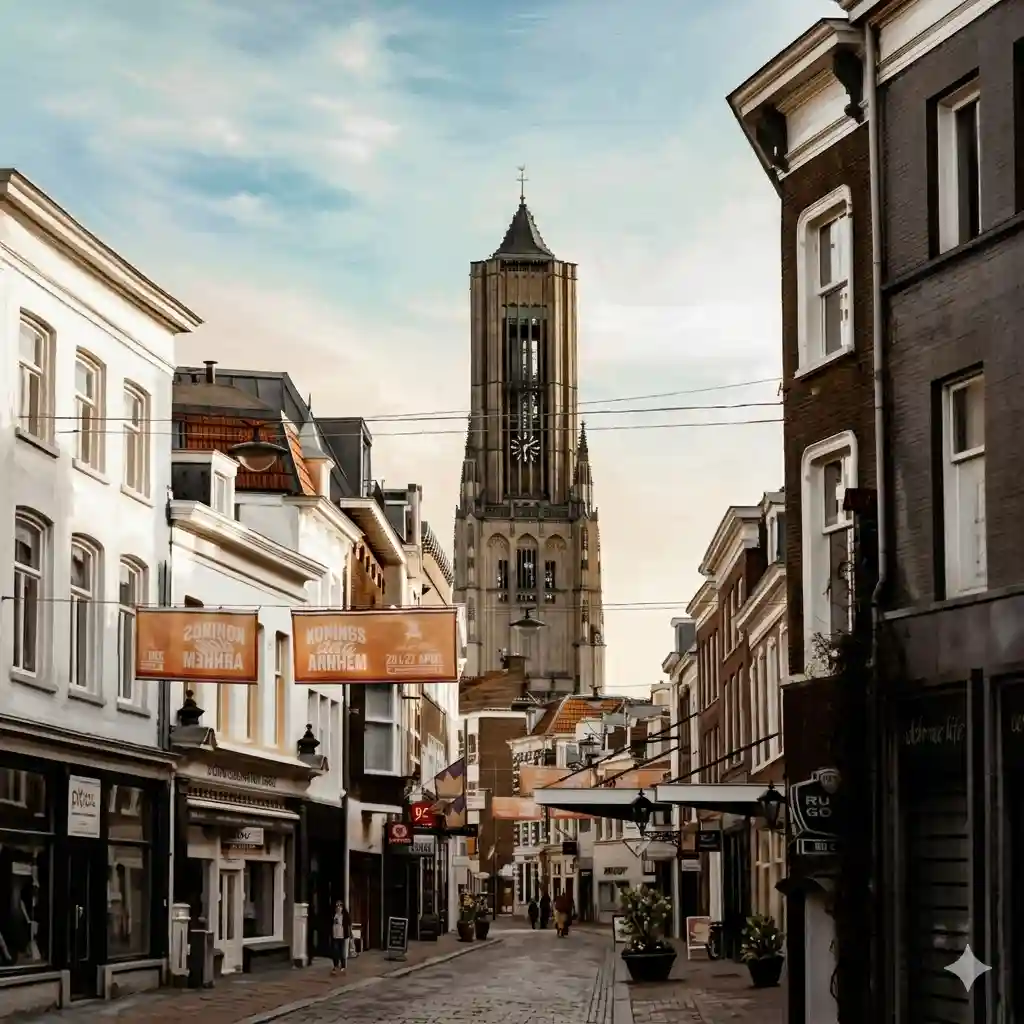
  • Beste Koffie in Arnhem (2026) — 27 Bars & 25 Branders

    Beste Koffie in Arnhem (2026) — 27 Bars & 25 Branders

    Arnhem grew from colonial coffee trading into an innovative coffee city where Peeze and new cafés combine craftsmanship, plant-based choices, latte art and circular initiatives, allowing consumers to experience quality, conviviality and sustainability in every cup, where networks of local talents and flavour trends converge
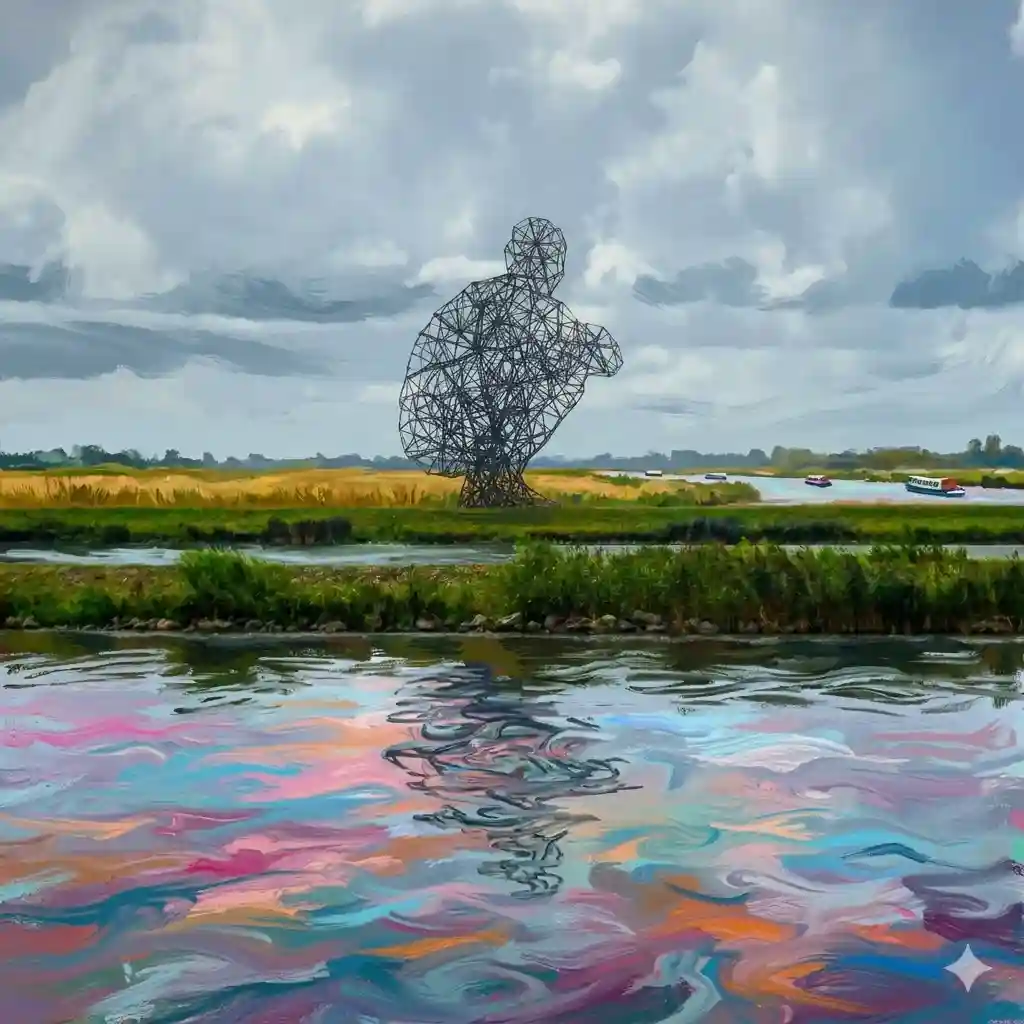
  • Beste Koffie in Lelystad (2026) — 5 Bars & 8 Branders

    Beste Koffie in Lelystad (2026) — 5 Bars & 8 Branders

    From pioneers’ canteen to trendy espresso bar, Lelystad shows how specialty coffee, fair‑trade beans and circular start‑ups together create a vibrant coffee culture, offering opportunities for local entrepreneurs and flavour‑packed choices for residents who value freshness and sustainability, enjoying it day after day
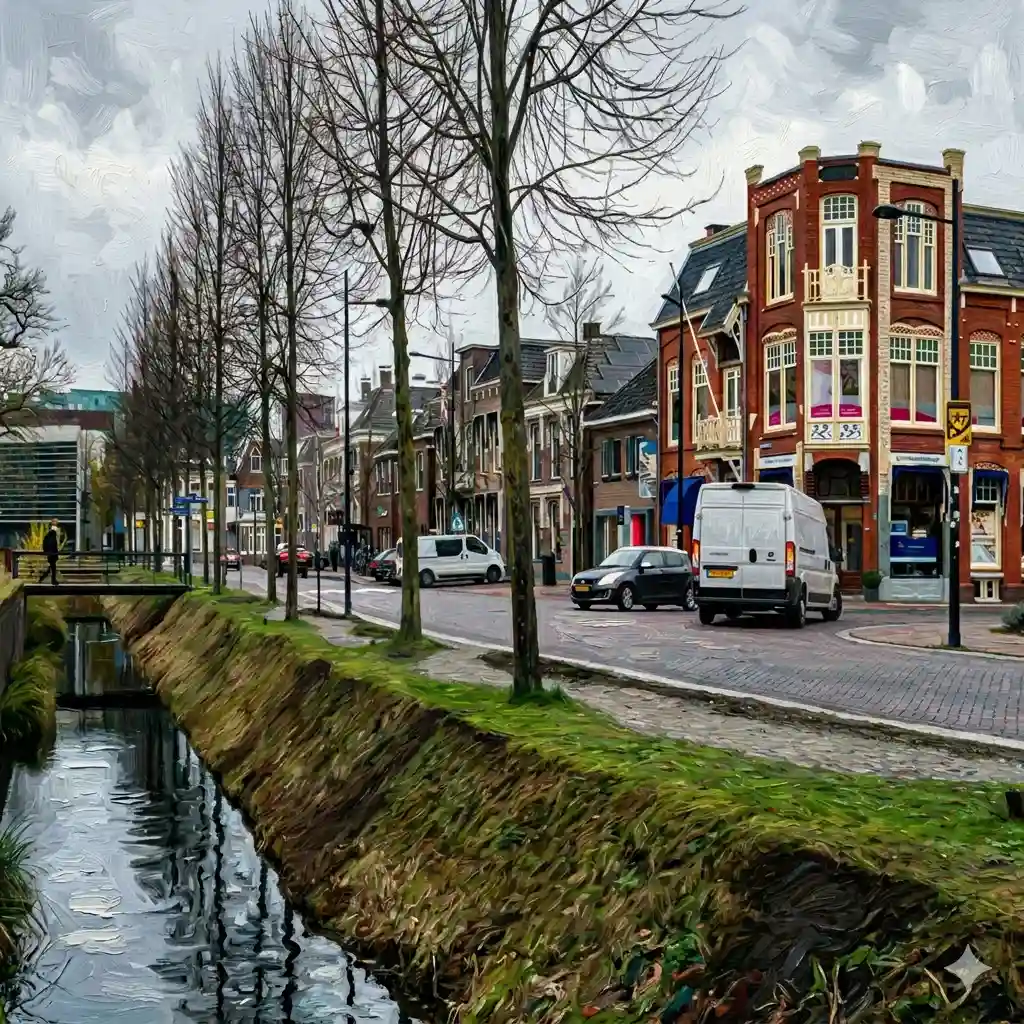
  • Beste Koffie in Assen (2026) — 7 Bars & 15 Branders

    Beste Koffie in Assen (2026) — 7 Bars & 15 Branders

    Assen is shifting from a traditional bar culture to a compact specialty scene with SIJL and Malers, steady demand from the station, markets, and museum, and a focus on pricing, equipment, workshops, and sustainable logistics.
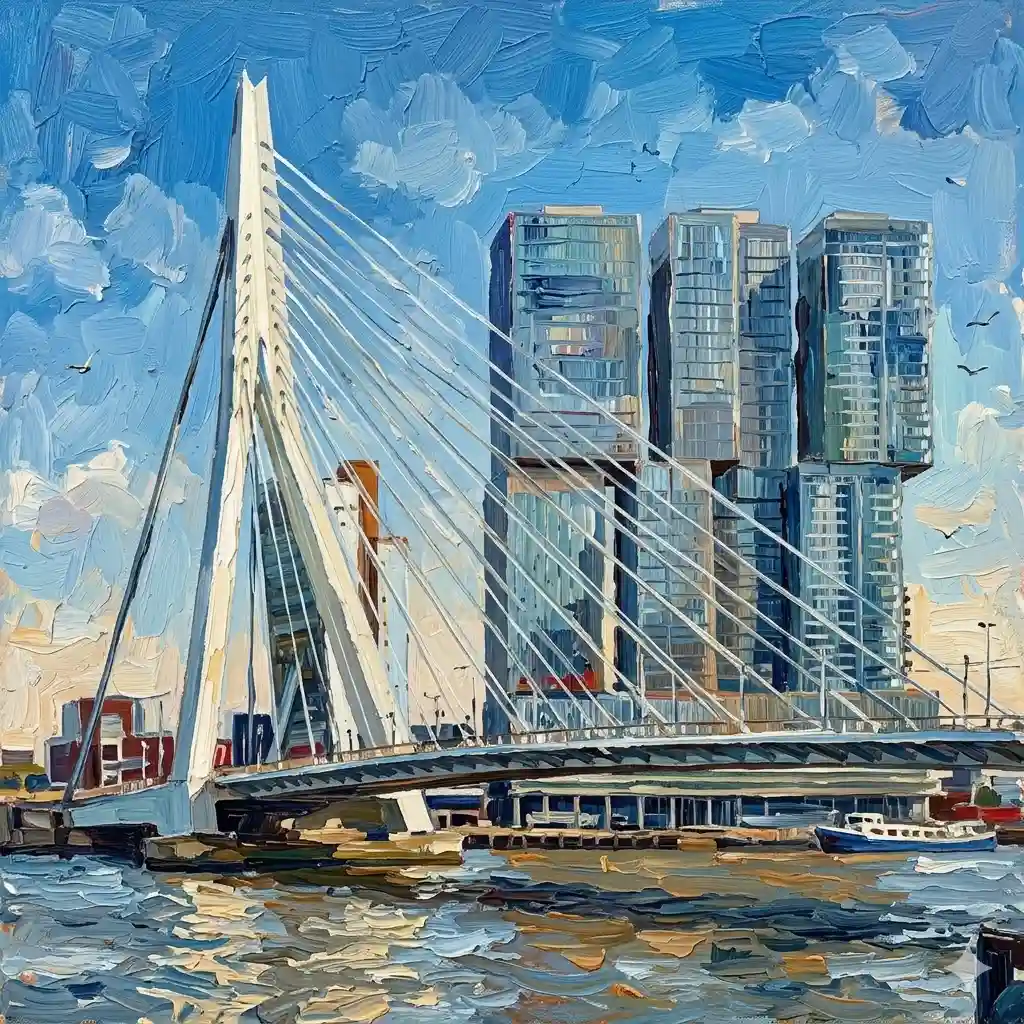
  • Beste Koffie in Rotterdam (2026) — 122 Bars & 47 Branders

    Beste Koffie in Rotterdam (2026) — 122 Bars & 47 Branders

    Rotterdam breathes coffee. From historic warehouses to futuristic roasters, a vibrant scene unfolds, filled with award‑winning baristas, social projects and sustainable innovations. Sip a ‘bakkie pleur’ or a single‑origin espresso, and feel how tradition and innovation continuously reinforce each other, day and night.
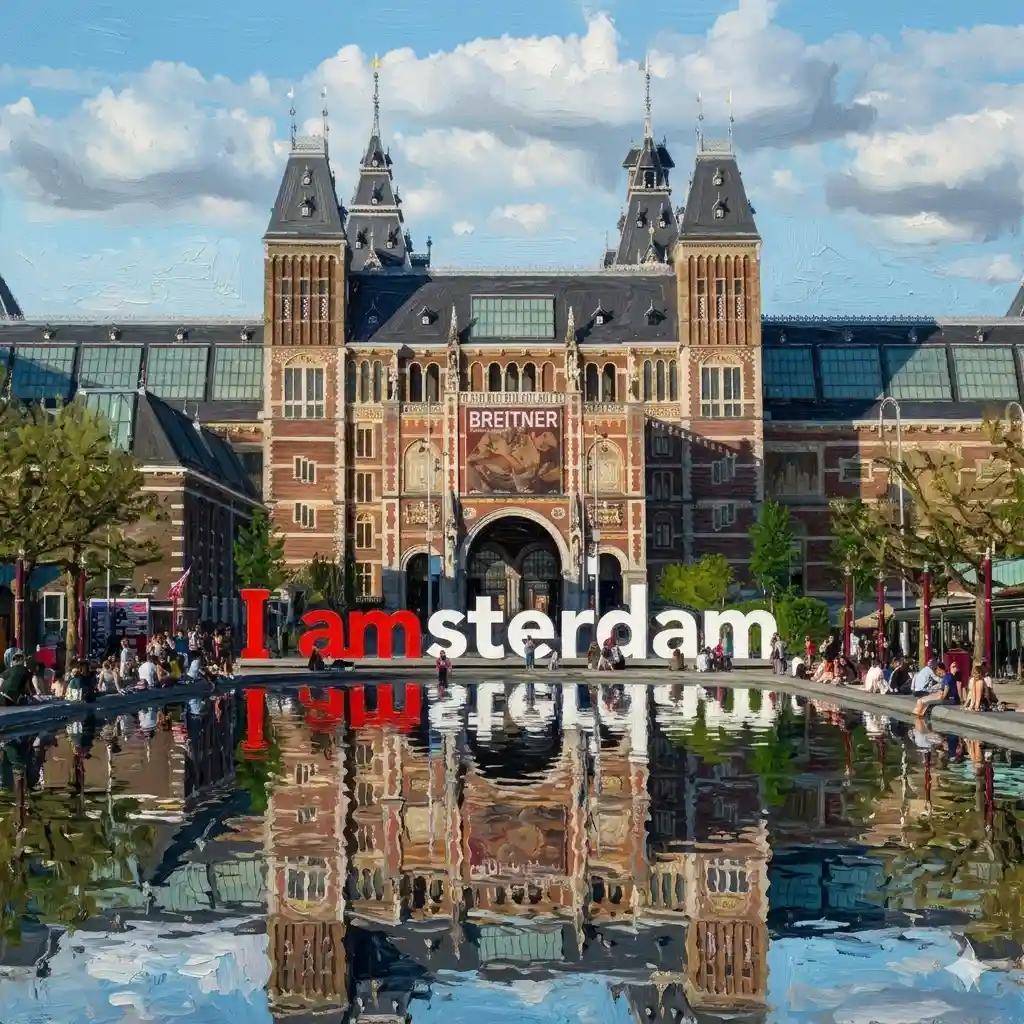
  • Beste Koffie in Amsterdam (2026) — 269 Bars & 84 Branders

    Best Coffee in Amsterdam (2026) — 269 Bars & 84 Roasters

    Amsterdam is home to 40+ coffee roasters and hundreds of specialty bars spread across 10 neighbourhoods. From third-wave pioneers like Bocca to local favourites in De Pijp and Noord — this is where you need to go.
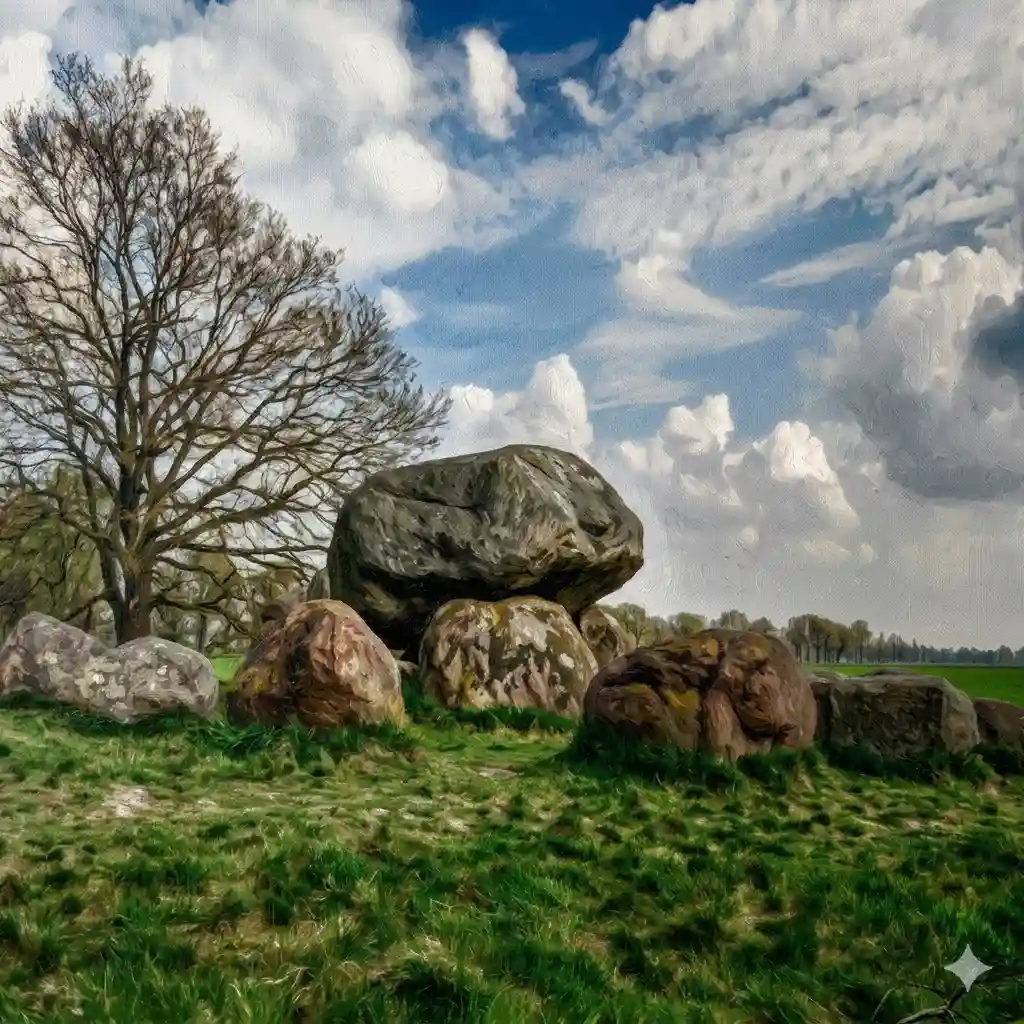
  • Beste Koffie in Emmen (2026) — 2 Bars & 13 Branders

    Beste Koffie in Emmen (2026) — 2 Bars & 13 Branders

    Emmen nurtures a rich coffee culture that began with peat cutters and has grown into trendy bars serving single‑origin espresso, social branding and circular innovations. Local blends, events and Fairtrade initiatives make the city attractive to coffee lovers and entrepreneurs, and investors see growth potential here.

More about Utrecht Province

Vibrant coffee sector in Utrecht Province

Coffee is a beloved fuel in Utrecht. Four cups per person disappear here every day, ranking the province among Europe's leaders. Yet it's about more than caffeine, aroma, experience, and fairness drive the scene. This article briefly and clearly sums up the key developments.

From coffeehouse to pod machine

In the mid‑eighteenth century the first Utrecht coffeehouses appeared. They offered warmth, card games, and newspapers to men who had little space at home. A century later simple taverns turned into social salons. Coffeehouse “De nieuwe bak” on the Oudegracht organised evening concerts and in 1852 even became the cradle of the Utrecht Trade Association.
Industrial fire arrived in 1919, when Douwe Egberts opened a roastery on the Catharijnekade. Ten years later the imposing factory on the Merwedekade followed, still active today. The aroma above the Douwe Egberts bridge has since become an urban landmark.
Speed became a new theme after 2001. The Senseo pod machine, developed by Philips together with Douwe Egberts, made single‑cup coffee normal. Within ten years seven million machines stood in Dutch kitchens. The brew was sometimes called a “weak cup”, but it changed the home ritual for good.

Specialty roasters add flavour to the market

Local roasters lift quality and variety to a higher level. Some frontrunners: - Boot Koffie (Baarn) works with direct trade and pays farmers up to fifty percent above the Fairtrade rate. - Keen Coffee (Utrecht) roasts light to let each origin speak and supplies cafés and international fans alike. - 30ML roasts for its own locations, keeping full control over flavour and price. - Nordkapp Coffee delivers regionally with electric vans or cargo bikes and even offers co‑roasting to start‑ups. - Special Roast (Amersfoort) focuses on private label and provides custom blends to hospitality and offices.

Consumer trends: coziness, sustainability, convenience

Utrecht locals love variety, but two flavors dominate. Black filter coffee remains a favorite with a broad audience, while cappuccino leads among young people and women. Strong double espressos are gaining ground with people looking for extra kick. In the office, milk foam is chosen just as often as pure black, so machines continue to offer multiple milk options.
Sustainability carries weight. More and more shops and cafés serve only Fairtrade or Rainforest Alliance. In 2015 the province even earned the title of the first Fairtrade province in the Netherlands. By now, more than two‑thirds of all residents drink coffee in a Fairtrade municipality. At home the demand for organic and single origin is growing; sales of hand grinders and slow‑brew tools attest to this.
Yet the public does not want to give up convenience. Capsule machines stand alongside high‑end espresso machines in open kitchens. ‘Coffee‑to‑go’ apps speed up the queue, while subscriptions deliver freshly roasted beans to the doorstep. Oat latte and cold brew pick up on global innovations without losing the recognizable Dutch ‘bakkie culture’.

Events bring the community together

Utrecht is both stage and playground for coffee fans. The Dutch AeroPress Championship of 31 August 2024 drew forty‑eight competitors and many curious visitors to Werkspoorkwartier. Music, specially brewed ‘DAC beer’ and games turned it into a party.
Keen Coffee organized a mini‑festival in 2022 with perhaps the largest tasting session in the Netherlands. Three hundred tickets sold out quickly, DJs played until midnight, and a Utrecht brewer launched a coffee IPA. Days like these show how coffee, music and gezelligheid come together.
On a smaller scale, Koffie Leute celebrated its tenth anniversary in 2025 with a double bill: live bands at LE:EN and electronic beats at De Helling. The crowd effortlessly moved between a cup of filter coffee and the late‑night dance floor.

Sustainable steps in the supply chain

Alongside certification schemes, Utrecht is leading with innovative projects. Boot Koffie is developing "True Price", a method that incorporates environmental and social costs into the coffee invoice. Keen Coffee is supporting a Peruvian cooperative through MVO Nederland to raise organic quality. At street level, Nordkapp couriers ride emission‑free, while more and more cafés switch to recyclable coffee bags and reusable cups.

Look Ahead

Utrecht's coffee culture combines centuries-old conviviality with modern taste and green ambitions. With strong consumption, creative roasters, and engaged consumers, the region remains an inspiring example for the Dutch coffee sector.


Disclaimer: We do our best to keep all information in this article as accurate as possible. Have you come across something that is no longer quite correct? Send a message to the editorial team at [email protected] and we'll update it!