
 NL
NL Looking for the best coffee in Arnhem? GrachtenBeans tracks 25 specialty coffee roasters die aan Arnhem zijn gekoppeld, van lokale namen als Peeze en KBC Arnhem (Velp) tot bekende Nederlandse specialty roasters. In deze complete gids vind je welke branders en bonen beschikbaar zijn en wat je betaalt per espresso als je de bonen zelf koopt: van €0,22 (Cook & Boon) tot €6,16 (Friedhats Coffee Roasters) per shot. Het aanbod loopt van toegankelijke blends en cafeïnevrije koffie tot exclusieve single origins. Prijzen worden bijgehouden op basis van de actuele bonenprijzen van de branders zelf, zodat je het aanbod in Arnhem eenvoudig kunt vergelijken.
Last updated:
Coffee Price Index Arnhem
Deze Week (Week 39 · 2026):
Bean prices for home brewing · Per shot based on 19g · Updated weekly
- Average €0.93 per shot (home brewing, 19g) · €48.71/kg
- Most affordable bean: Cafeïne arm Arabica at De Laat Coffee — €0.06/shot · €3.16/kg
- Most expensive bean: Panama Kotowa Gesha #1923 at Friedhats Coffee Roasters — €6.16/shot · €324.21/kilo
Top 5 Specialty Coffee Bars in Arnhem
Sorted by Google rating · Bars with a known roaster · Updated weekly
| # | Coffee Bar | Rating | Neighbourhood | Roaster |
|---|---|---|---|---|
| 1 | Café MOES | ★★★★★4.9 | Velperweg e.o. | Peeze |
| 2 | Bistro Het Hoefijzer | ★★★★★4.8 | Elden | Beukenhorst Koffie |
| 3 | Café Cadans | ★★★★★4.8 | Geitenkamp | KBC Arnhem (Velp) |
| 4 | Koek van Nouk | ★★★★★4.7 | City Centre | Keen Coffee |
| 5 | Café Eijck Arnhem | ★★★★★4.7 | City Centre | Blommers Coffee Roasters |
This ranking features coffee bars in Arnhem that use specialty beans
from a Dutch roaster in our catalogue. Sorted by Google rating with more than 50 reviews. Missing a coffee bar? Send us a tip — we’re constantly expanding our database.
Prefer more choice? View all 27 coffee bars in Arnhem by neighborhood ↓
Coffee roasters in Arnhem: Where to buy specialty coffee beans?
Prices updated: September 17, 2026 · Week 38
Arnhem telt 25 specialty koffiebranders waarvan GrachtenBeans wekelijks de bonenprijzen bijhoudt. De goedkoopste boon op dit moment is Ethiopia Brazil bij Cook & Boon voor €0,22 per shot (€12,50/kg). Klik op een brander hieronder om alle bonen, herkomst en actuele kilo-prijzen te bekijken.
We always compare the most cost-effective packaging per bean – usually a 1 kg bag, as it is cheaper per kilo than a 250 g bag. We calculate the shot price based on 18 grams of ground coffee per espresso.
B
Barista Brothers
Beukenhorst Koffie
BlackStock Coffee
Blanche Dael
Blommers Coffee Roasters
Bocca Coffee
Boot Koffie
Buscaglione Espresso
C
Cook & Boon
D
De Laat Coffee
DUIF Coffee
F
Five Ways Coffee Roasters
Friedhats Coffee Roasters
G
Gosling Coffee
H
Heilige Boontjes
Hesselink Koffie
I
Il Magistrale Cycling Coffee
K
KBC Arnhem (Velp)
M
Mokha Specialty Coffee
P
Peeze
S
Simon Lévelt
Single Estate Coffee Roasters
Smit & Dorlas
Coffee Bars in Arnhem on the Map
Coffee in Arnhem by Neighbourhood
✴︎Updated:
Alteveer/Cranevelt
In Alteveer and Cranevelt, coffee is mainly about connection, care and daily routines. The neighbourhood offers opportunities for a small-scale, green and community-focused coffee concept.
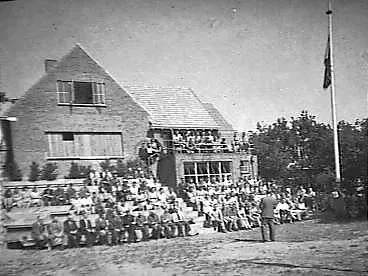
- 1 coffee bar
✴︎Updated:
Arnhemse Broek
Arnhemse Broek grew from an industrial area into a workers’ district. Its coffee culture is practical and neighbourhood-focused, concentrated along Johan de Wittlaan with lunchrooms, cafés and social drop-in spots such as De Kansenfabriek.
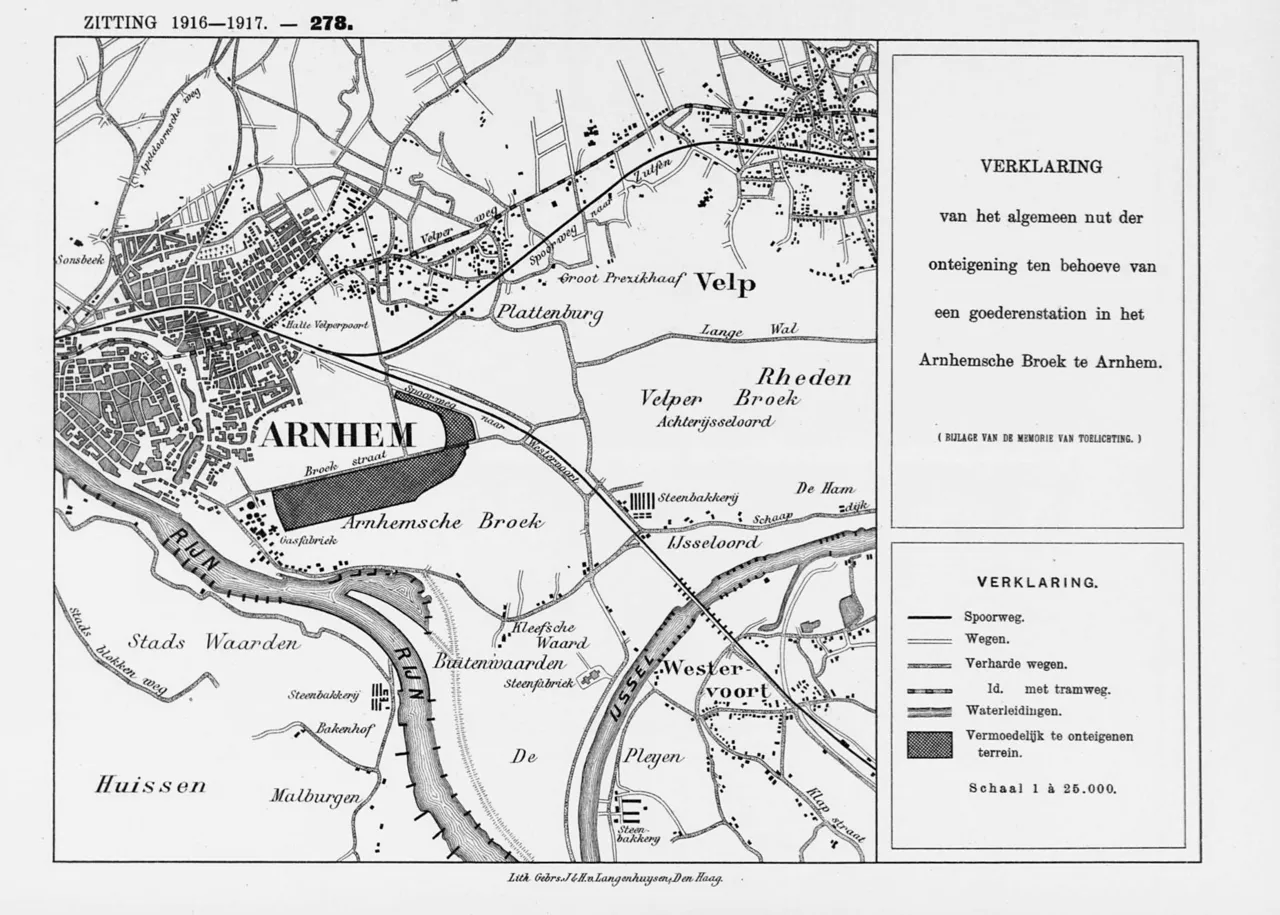
- 2 coffee bars
✴︎Updated:
Burgemeesterswijk/Hoogkamp
Burgemeesterswijk Hoogkamp offers a calm coffee culture with neighbourhood cafés, bakeries and park-oriented hospitality around Sonsbeek, where coffee is about walking, patisserie, social contact and comfort.
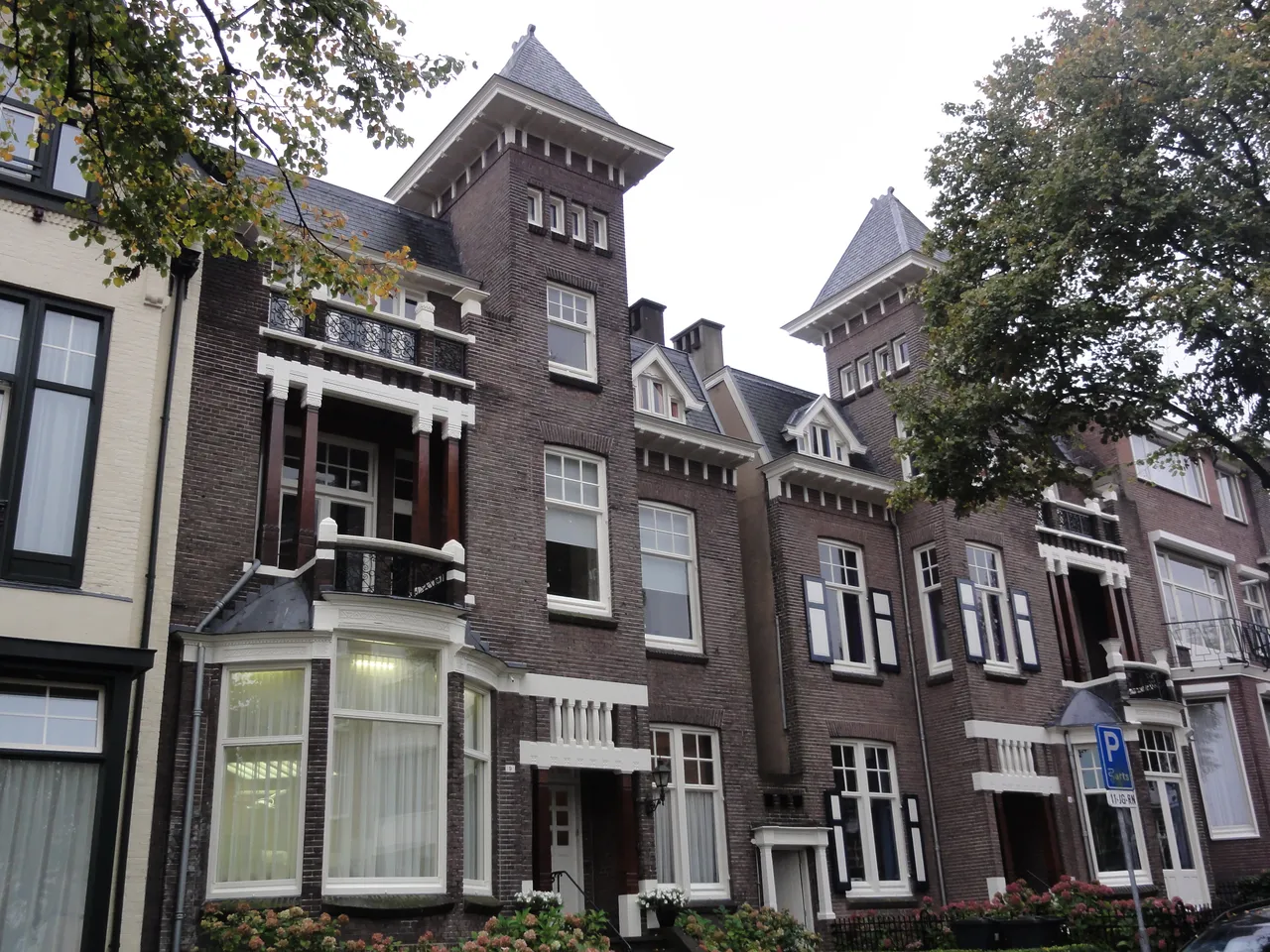
- 11 coffee bars
✴︎Updated:
City Centre
Arnhem Centrum connects coffee heritage with a compact specialty scene around Nieuwstad, Nieuwstraat and Walstraat. Hotspots offer work-friendly seating, fast Wi-Fi and plant-based options, while the restored Sint Jansbeek strengthens foot traffic and terrace culture.

✴︎Updated:
De Laar
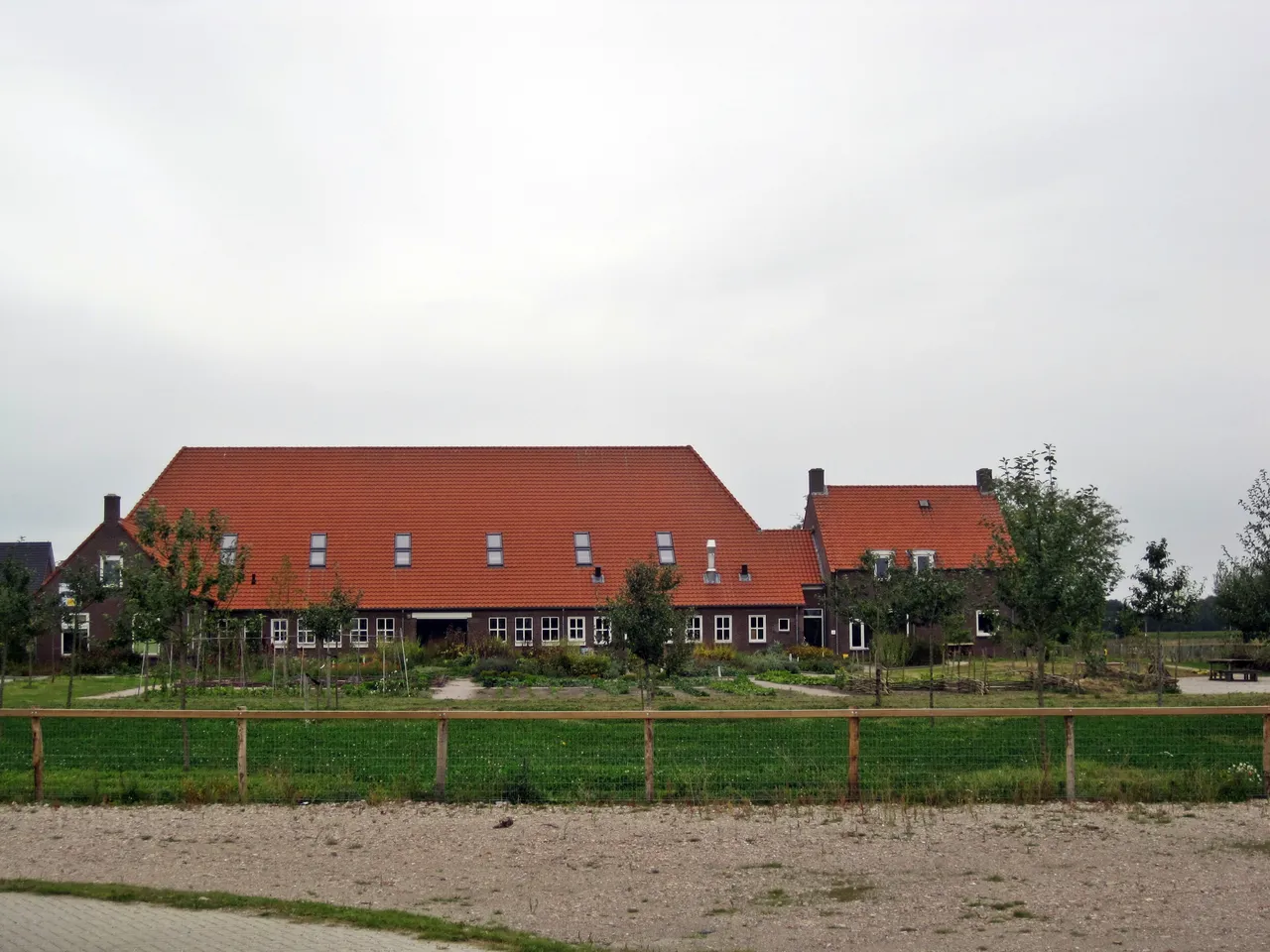
De Laar has a neighbourhood-focused coffee culture without specialty bars. Coffee is part of daily routines and social encounters at places like De Laarhof, lunchrooms, bakeries and sports canteens; for specialty coffee, the focus shifts to the centre of Arnhem.
- 2 coffee bars
✴︎Updated:
Elden
Elden is not a specialty hub, but coffee has a strong social function there. The village hall, bistro, cafés and events make coffee a familiar anchor for meeting others.

✴︎Updated:
Elderveld
In Elderveld, coffee is mainly about connection, proximity and everyday usefulness. Community centres, parent groups and neighbourhood initiatives turn coffee into social infrastructure.

- 1 coffee bar
✴︎Updated:
Geitenkamp
In Geitenkamp, coffee is less about specialty bars and more about connection, affordability and its role within the neighbourhood. Cafés, lunchrooms and social spaces bring residents together.

✴︎Updated:
Heijenoord/Lombok
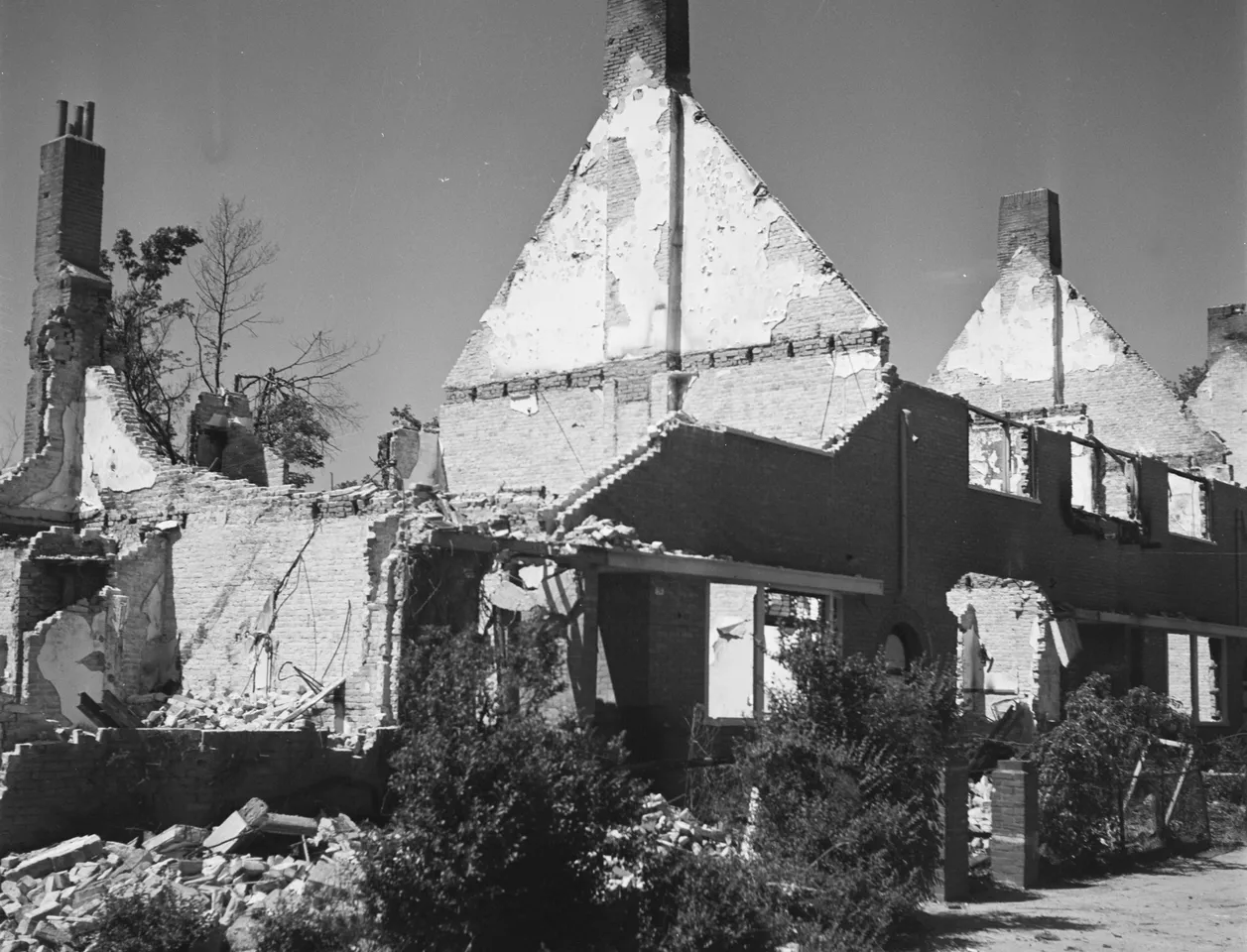
Heijenoord and Lombok may not have a classic specialty coffee scene, but coffee is firmly woven into neighbourhood cafés, community centres, and everyday social encounters.
✴︎Updated:
Klarendal
Coffee in Klarendal is about more than specialty. From old coffee houses to modern living-room-style spots, a cup of coffee connects residents, makers, students and visitors.
- 1 coffee bar
✴︎Updated:
Klingelbeek e.o.
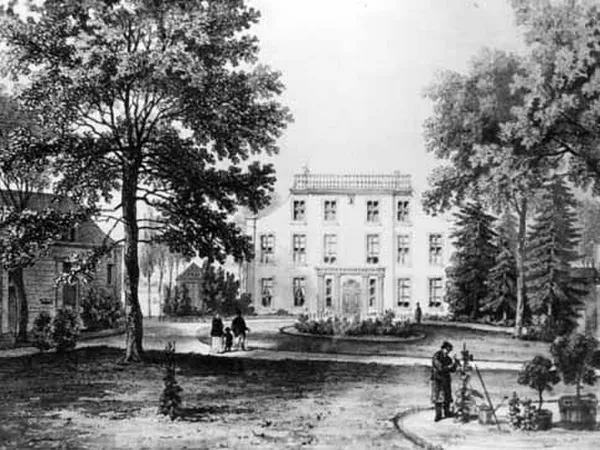
Klingelbeek and the surrounding area do not have a busy coffee strip, but rather a calm daytime scene shaped by walking, work, care and neighbourhood connections. Atelier Giri, Kookplaats Arnhem and ’t HoeveCafé are the main anchor points.
✴︎Updated:
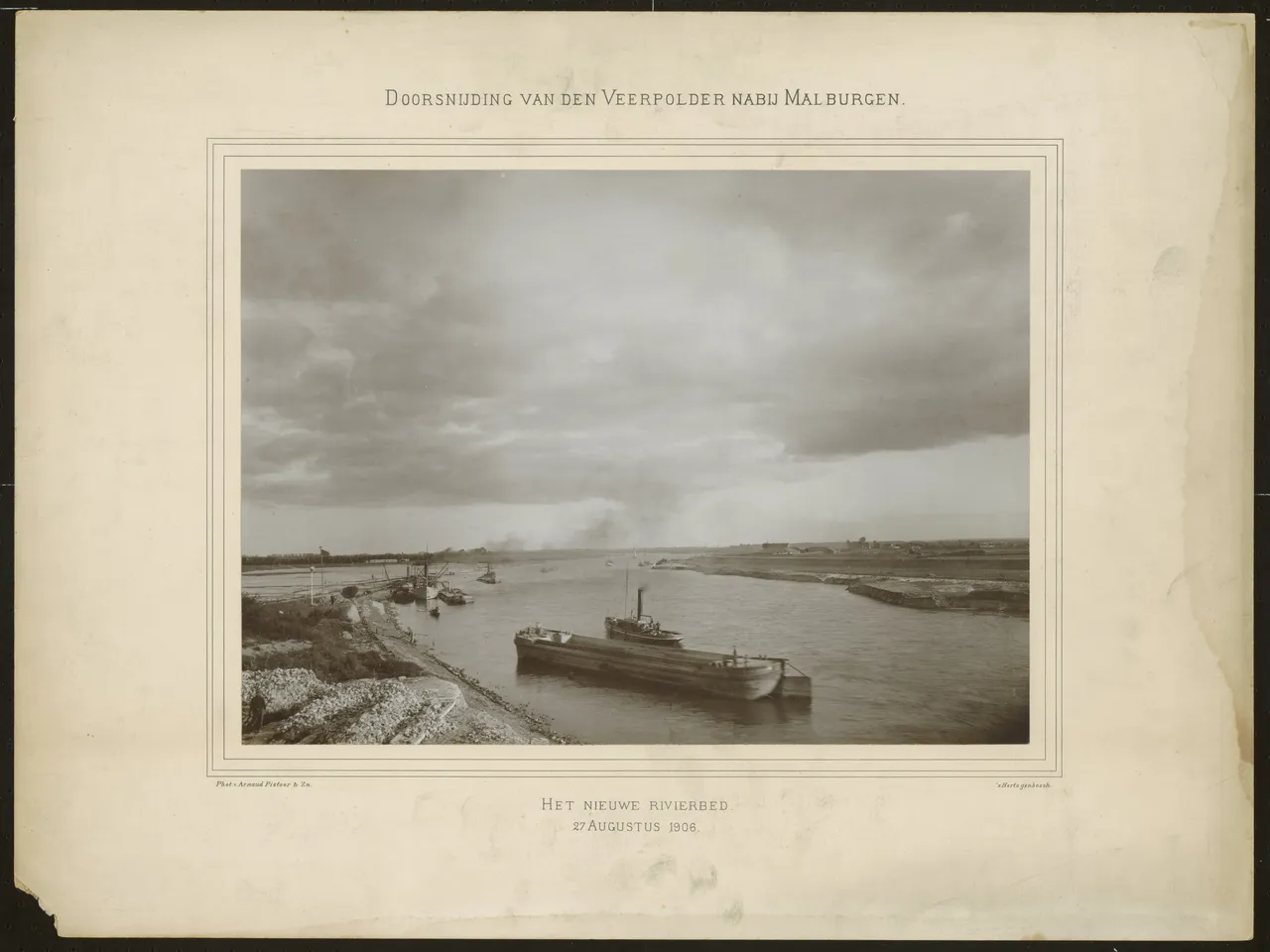
Malburgen-Oost (Noord)
In Malburgen-Oost Noord, coffee culture revolves around connection, community work and daily rhythms. Coffee brings residents together at schools, MFC De Malburcht and local cafés.
✴︎Updated:
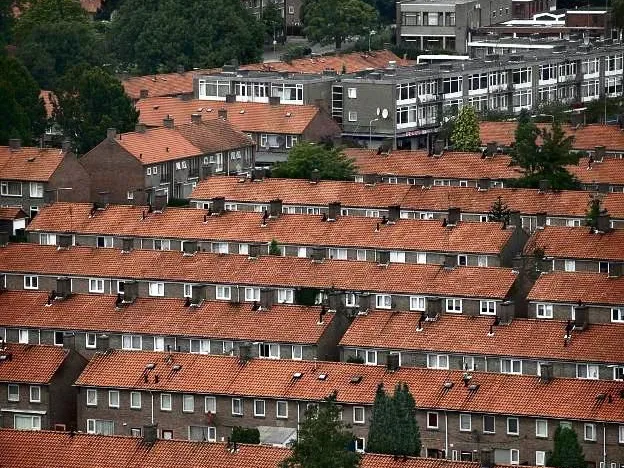
Malburgen-Oost (Zuid)
In Malburgen-Oost Zuid, coffee culture revolves around proximity, affordability and connection. Neighbourhood spots such as De Drieslag and the Bruishuis show where the opportunities lie.
✴︎Updated:
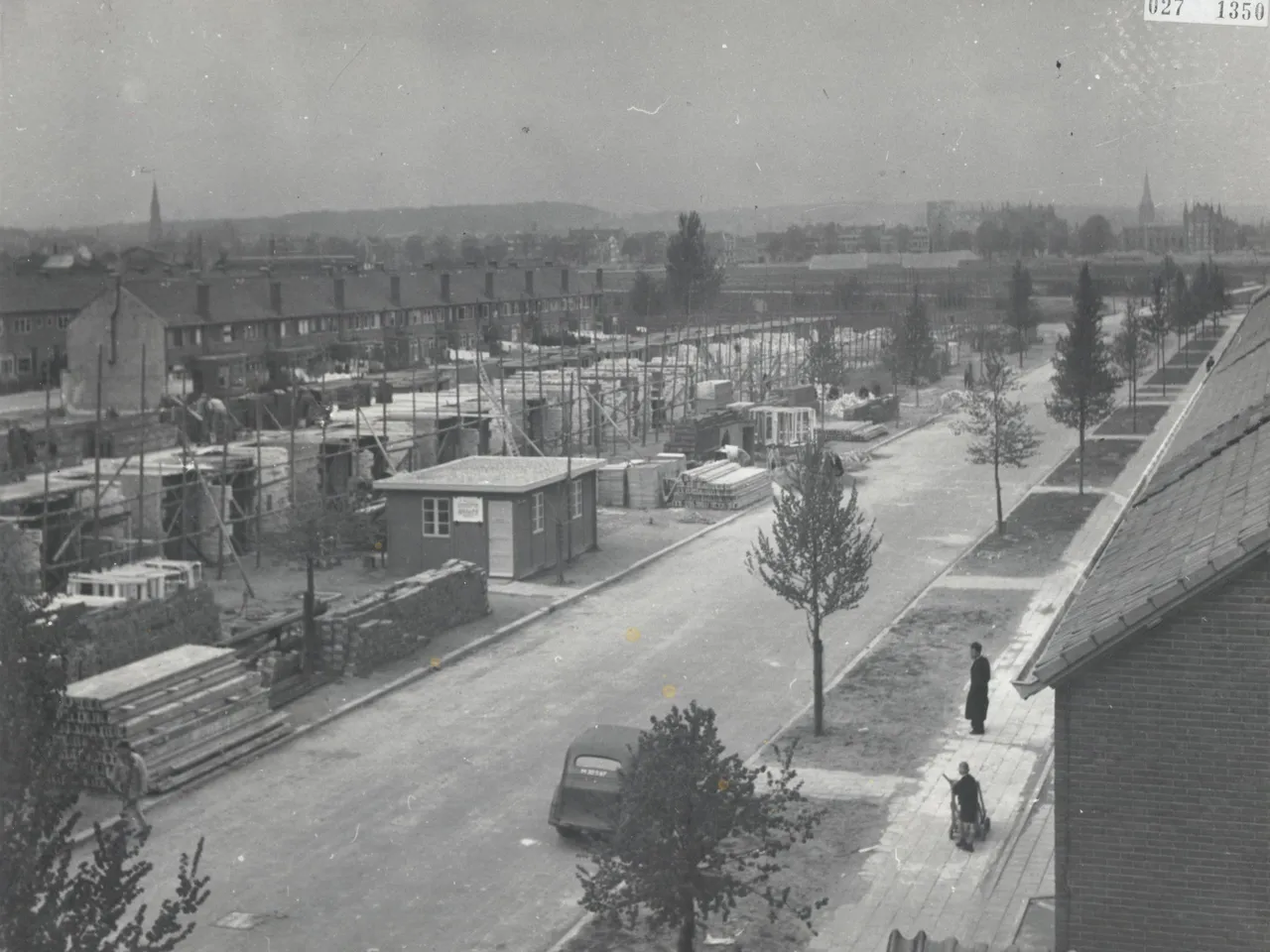
Malburgen-West
Malburgen-West is not a specialty coffee hotspot, but a neighbourhood where coffee mainly supports connection, heritage, and local community ties.
✴︎Updated:
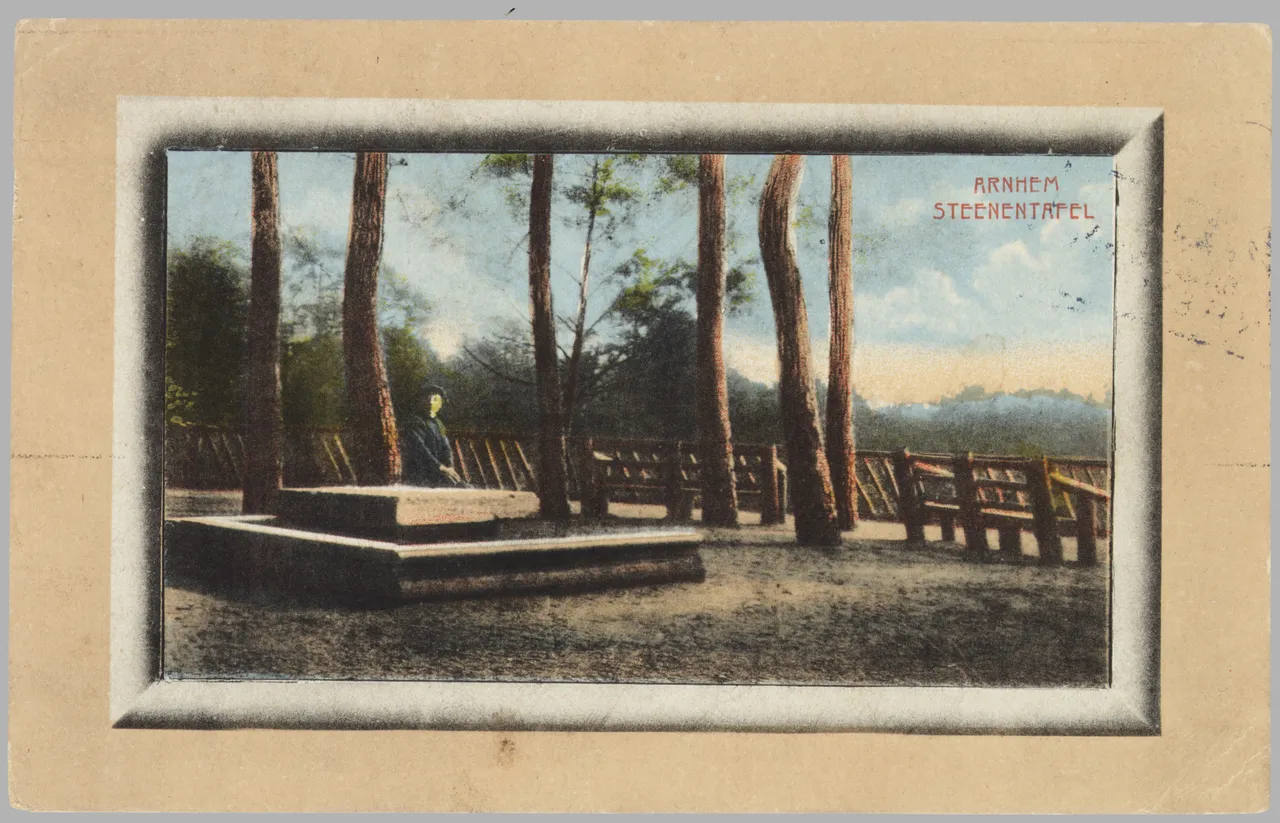
Monnikenhuizen
Monnikenhuizen does not have a coffee street, but it does have its own coffee culture shaped by local cafés, cycling, green spaces, park hospitality and regular moments of connection.
✴︎Updated:
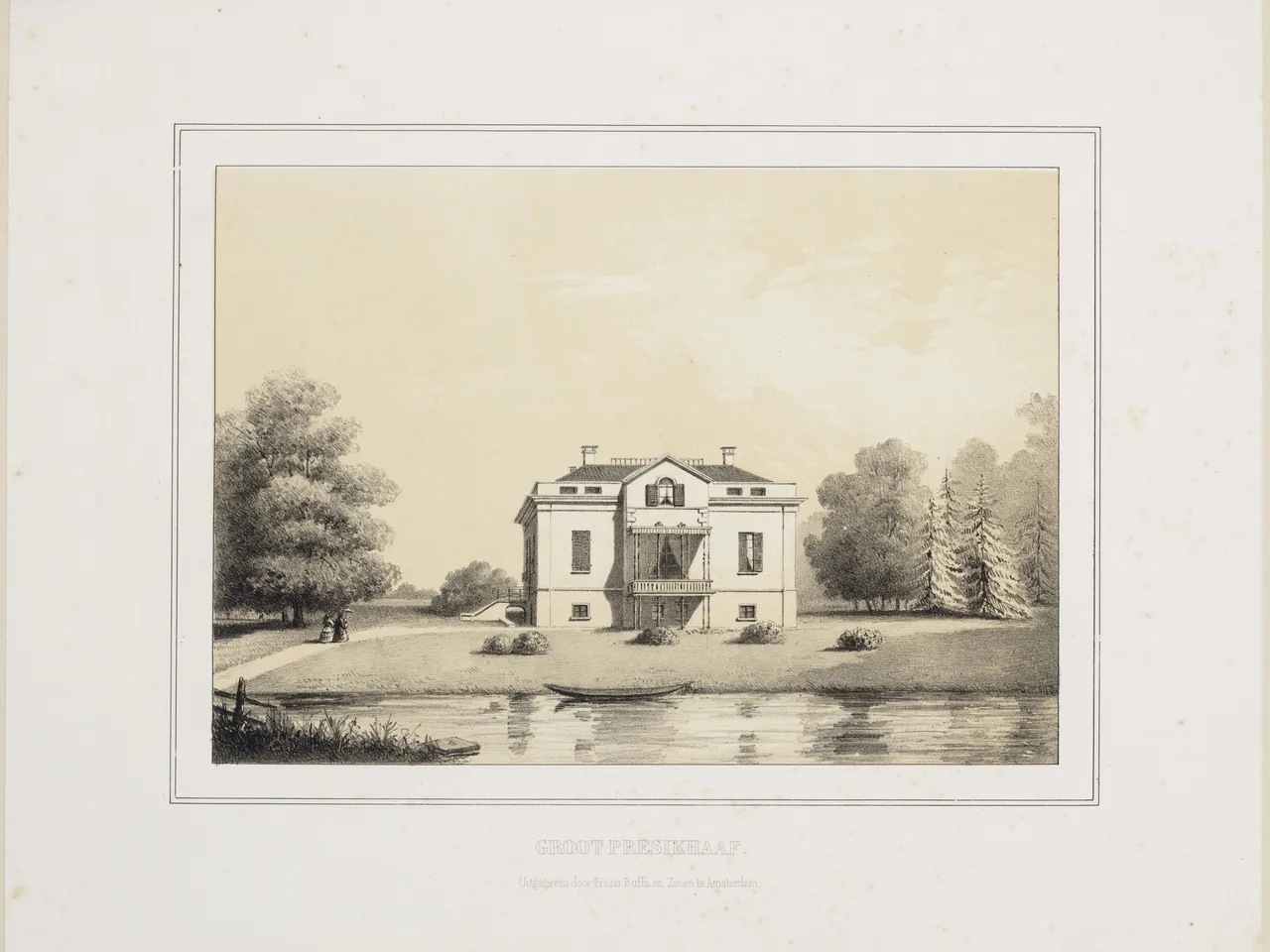
Presikhaaf-Oost
In Presikhaaf-Oost, coffee revolves around shops, park visits and meeting others. The neighbourhood shows how an affordable cup of coffee can gain real social value.
- 1 coffee bar
✴︎Updated:
Presikhaaf-West
Presikhaaf-West has an accessible, neighbourhood-focused coffee scene. Peeze, T-HUIS and the shopping centre anchor everyday coffee stops, with affordable classics and a few specialty accents dominating the offer.

✴︎Updated:
Rijkerswoerd
Rijkerswoerd has a social, accessible coffee culture centred around the shopping centre, farm café and urban agriculture. Happy Day, De Hooijmaat and coffee in green surroundings draw locals with affordable drinks, meetups and weekly rituals.
- 1 coffee bar
✴︎Updated:
Schaarsbergen
Schaarsbergen does not have an urban specialty coffee scene, but a calm coffee culture shaped by walking, cycling, village life, defence, and family-run hospitality on the edge of the Veluwe.
✴︎Updated:
Schuytgraaf
Schuytgraaf has a young, approachable coffee scene with FortVier, De Buitenplaats and Gusto. The focus is on families, mornings and sustainability. Third-wave micro-roasters are still missing, which creates opportunities around Pallas Atheneplein and MFC De Omnibus.
- 4 coffee bars
✴︎Updated:
Spijkerkwartier
Spijkerkwartier in Arnhem has a walkable, quality-driven coffee scene around Steenstraat, with laptop-friendly cafés, strong to-go flows and clear links to Repair Café culture and circularity.
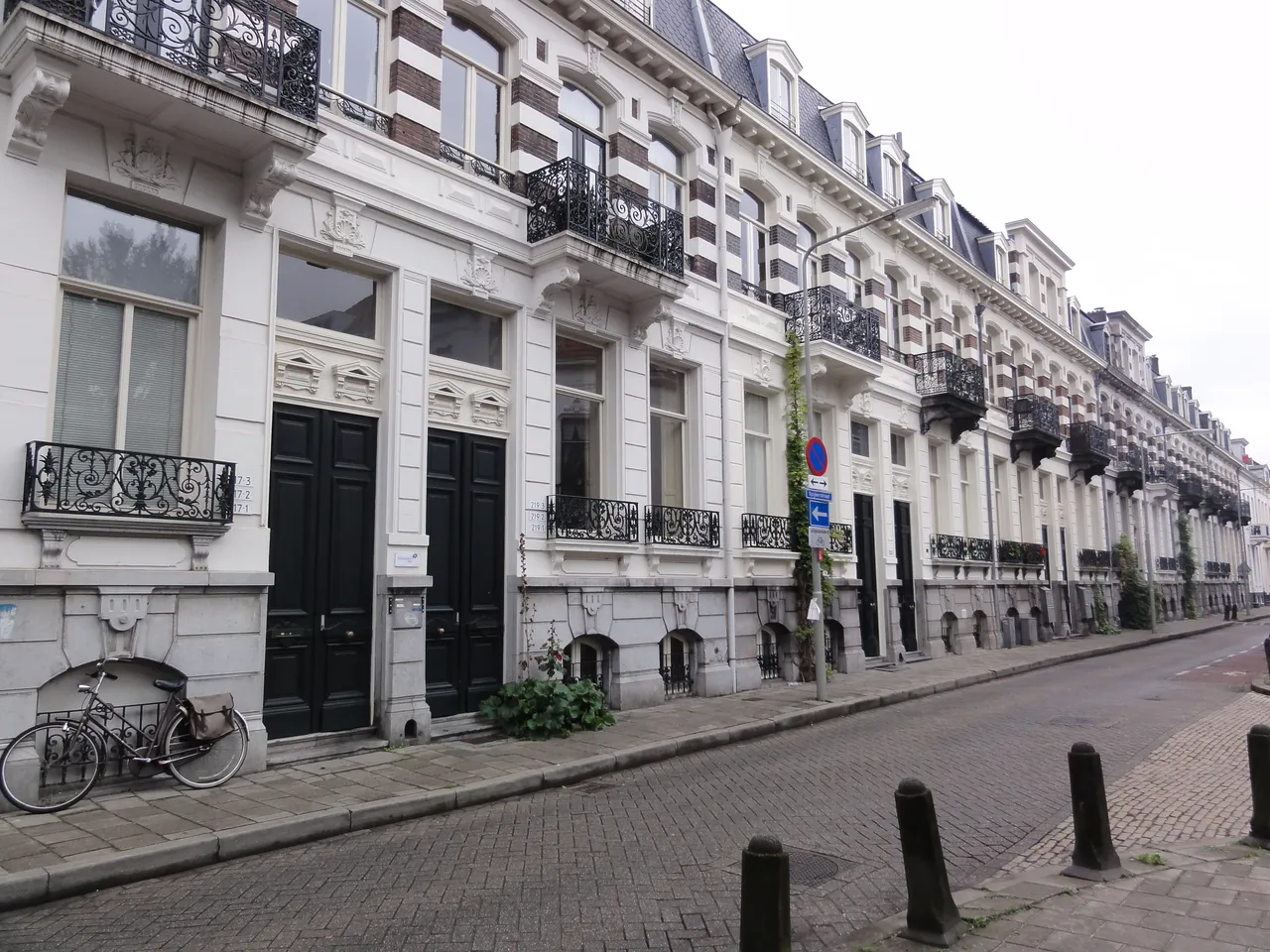
- 1 coffee bar
✴︎Updated:
St. Marten/Sonsbeek
St. Marten and Sonsbeek live by the rhythm of the park. Pavilions, Stadsvilla, Ketelhuis and Heisa Koffiebar attract walkers, commuters and families, with weekend peaks around Park Open, Open Coffee and ArnhemProeft, plus attention to sustainable cups and local makers.
- 1 coffee bar
✴︎Updated:
Velperweg e.o.
A profile of the coffee culture around Velperweg, Arnhem, featuring MOES, Brasserie Angerenstein, Bronbeek and the Rijn IJssel training restaurant. Daylight-focused, neighbourhood-minded and affordable, with peaks around school times, park visits and museum activities.

✴︎Updated:
Vredenburg/Kronenburg
Vredenburg/Kronenburg has a shopping-centre-led coffee culture: accessible, affordable and social. Peak moments align with shopping hours and bus traffic, while renewal creates opportunities for better quality, more seating and more sustainable choices.

FAQ: Coffee in Arnhem
Arnhem heeft 25 associated specialty coffee roasters. Het aanbod loopt uiteen van kleinere assortimenten zoals Heilige Boontjes (2 beans) and Il Magistrale Cycling Coffee (3 bonen) tot grotere collecties bij Barista Brothers (15 beans), Simon Lévelt (25 bonen) en Friedhats Coffee Roasters (26 bonen). Ook Arnhemse en regionale namen zoals Peeze and KBC Arnhem (Velp) zijn aan de stad gekoppeld.
De prijzen voor koffiebonen die aan Arnhem zijn gekoppeld lopen van €0,22/shot (€12,50/kg) to €6,16/shot (€342,00/kg), gebaseerd op 18 gram koffie per shot. Betaalbare opties zijn onder meer Beukenhorst Koffie, van €0,43/shot (€23,89/kg) tot €0,54/shot (€30,00/kg), BlackStock Coffee, van €0,47/shot (€26,11/kg) tot €0,54/shot (€30,00/kg), en Hesselink Koffie, van €0,50/shot (€27,78/kg) tot €0,60/shot (€33,33/kg). Friedhats Coffee Roasters heeft daarnaast bonen van €0,74/shot (€41,11/kg) tot €6,16/shot (€342,00/kg), terwijl Blommers Coffee Roasters varieert van €0,56/shot (€31,11/kg) tot €5,38/shot (€298,89/kg).
Brander met meeste bonen: Friedhats Coffee Roasters — 26 bonen. Daarna volgen Simon Lévelt met 25 bonen, Barista Brothers met 15 bonen, Bocca Coffee met 14 bonen en Blanche Dael met 13 bonen. Ook Hesselink Koffie heeft met 12 bonen een breed assortiment binnen het aanbod dat aan Arnhem is gekoppeld.
Goedkoopste boon: Ethiopia Brazil bij Cook & Boon — €0,22/shot (€12,50/kg). Andere voordelige opties zijn Barista Brothers vanaf €0,43/shot (€23,89/kg), Beukenhorst Koffie from €0.43/shot (€23.89/kg) and KBC Arnhem (Velp) vanaf €0,43/shot (€23,89/kg). Bij BlackStock Coffee begint het assortiment bij €0,47/shot (€26,11/kg), terwijl Hesselink Koffie start bij €0,50/shot (€27,78/kg).
All About Coffee in Arnhem
Introduction
Historical roots
Craftsmanship and consolidation
The rise of espresso culture
Key players in the city
- Local roasters focus on careful selection, flavour profiles, and responsibly sourced coffee.
- Coffee bars with a homely atmosphere combine well-made coffee with a relaxed place to start the day, work, or catch up.
- Specialty shops help consumers choose beans, brewing methods, and equipment for home use.
- Hospitality venues with their own signature style give coffee a permanent place alongside breakfast, lunch, and pastries.
- Creative coffee locations connect coffee culture with meeting people, flavour, and local experience.
Consumer trend: quality first
Plant-based choices and a living-room atmosphere
Events and networking
Sustainable initiatives
- Fair sourcing is receiving more and more attention, with an emphasis on transparency and better conditions throughout the supply chain.
- Waste Reduction encourages hospitality businesses and consumers to be more mindful about packaging, waste streams, and food waste.
- Plant-based choices make it easier to adapt coffee to changing preferences.
- Circular applications give coffee grounds and other by-products a new purpose.
- Collaboration between entrepreneurs and local initiatives helps make sustainable choices more visible and practical.