GrachtenBeans / Province of Groningen

Province of Groningen

Groninger koffiecultuur gids geschiedenis en toekomst

Groningen breathes coffee through three centuries of roasters and cafés that connect history, innovation and sustainability, from Tiktak to Black en Bloom, from Fairtrade to hydrogen roasting, this guide reveals the story behind the northern coffee ritual for residents, visitors and curious baristas

Roasters in the Province of Groningen

A

A Matter of Concrete

Rotterdam, Zuid-Holland
€€€€
Beans
28 beans
Price/kg
€29–€134
Per shot
€0.56–€2.54

B

Beukenhorst Koffie

Lichtenvoorde, Gelderland
€€
Beans
8 beans
Price/kg
€23–€28
Per shot
€0.43–€0.54

Black & Bloom

Groningen, Groningen Province
€€€
Beans
9 beans
Price/kg
€36–€50
Per shot
€0.68–€0.95

BlackStock Coffee

Aalsmeer, Noord-Holland
€€
Beans
12 beans
Price/kg
€25–€28
Per shot
€0.47–€0.54

Blanche Dael

Maastricht, Limburg
€€€
Beans
29 beans
Price/kg
€29–€133
Per shot
€0.55–€2.53

Blue City Roasters

Zuidbroek, Province of Groningen
€€€
Beans
8 beans
Price/kg
€29–€38
Per shot
€0,56–€0,72

Boot Koffie

Baarn, Utrecht Province
€€€
Beans
18 beans
Price/kg
€36–€45
Per shot
€0.68–€0.85

Brute Bonen

Den Haag, Zuid-Holland
€€
Beans
5 beans
Price/kg
€28–€32
Per shot
€0.54–€0.61

C

Canters Coffee

Haren, Province of Groningen
€€
Beans
4 beans
Price/kg
€28–€36
Per shot
€0.54–€0.68

Cocodori

Amersfoort, Utrecht Province
Beans
9 beans
Price/kg
€11–€17
Per shot
€0.21–€0.33

D

Dorothy's Coffee

Leek, Province of Groningen
€€
Beans
5 beans
Price/kg
€26
Per shot
€0,50

DutchBeans

Grou, Fryslân
€€
Beans
7 beans
Price/kg
€23–€32
Per shot
€0.43–€0.61

F

G

GUZO Coffee

Debre Zeit
€€€
Beans
10 beans
Price/kg
€20–€47
Per shot
€0.38–€0.90

H

Heilige Boontjes

Rotterdam, Zuid-Holland
€€
Beans
5 beans
Price/kg
€25–€32
Per shot
€0.47–€0.60

I

Illimani

Zwolle, Overijssel
€€
Beans
5 beans
Price/kg
€24–€27
Per shot
€0.46–€0.52

K

KoffieLust

Veenhuizen, Drenthe
€€
Beans
9 beans
Price/kg
€18–€26
Per shot
€0,34–€0,50

Koffiestation

Groningen, Groningen Province
€€€
Beans
11 beans
Price/kg
€36–€83
Per shot
€0.68–€1.58

KOSU Koffiebranderij

Groningen, Groningen Province
€€
Beans
6 beans
Price/kg
€11–€45
Per shot
€0.20–€0.86

L

Laurens Coffee

Vries, Drenthe
€€
Beans
14 beans
Price/kg
€21
Per shot
€0,39

M

Maalwerk Koffie

Farmsum, Province of Groningen
€€
Beans
23 beans
Price/kg
€23–€32
Per shot
€0.43–€0.61

S

Beans
17 beans
Price/kg
€26–€142
Per shot
€0.50–€2.70

Simon Lévelt

Haarlem, Noord-Holland
€€€
Beans
28 beans
Price/kg
€31–€72
Per shot
€0.59–€1.36

V

Van Balen Koffie

Heerenveen, Fryslân
€€
Beans
2 beans
Price/kg
€23
Per shot
€0.43–€0.44

Vanneau Espresso

Harderwijk, Gelderland
Beans
13 coffees
Price/kg
€26
Per shot
€0,49

#

30ML Coffee Roasters

Nijkerk, Gelderland
€€€
Beans
4 beans
Price/kg
€36–€47
Per shot
€0.69–€0.89

Cities in Groningen Province

  • Beste Koffie in Leeuwarden (2026) — 12 Bars & 20 Branders

    Beste Koffie in Leeuwarden (2026) — 12 Bars & 20 Branders

    Leeuwarden has been drinking coffee since 1687, moving from Douwe Egberts to trendy barista bars. Hotel Post Plaza roasts its own blends, while Brandsma Koffie marks its anniversary. Fairtrade initiatives, latte art competitions and circular projects weave together tradition, innovation and community for locals and visitors alike.
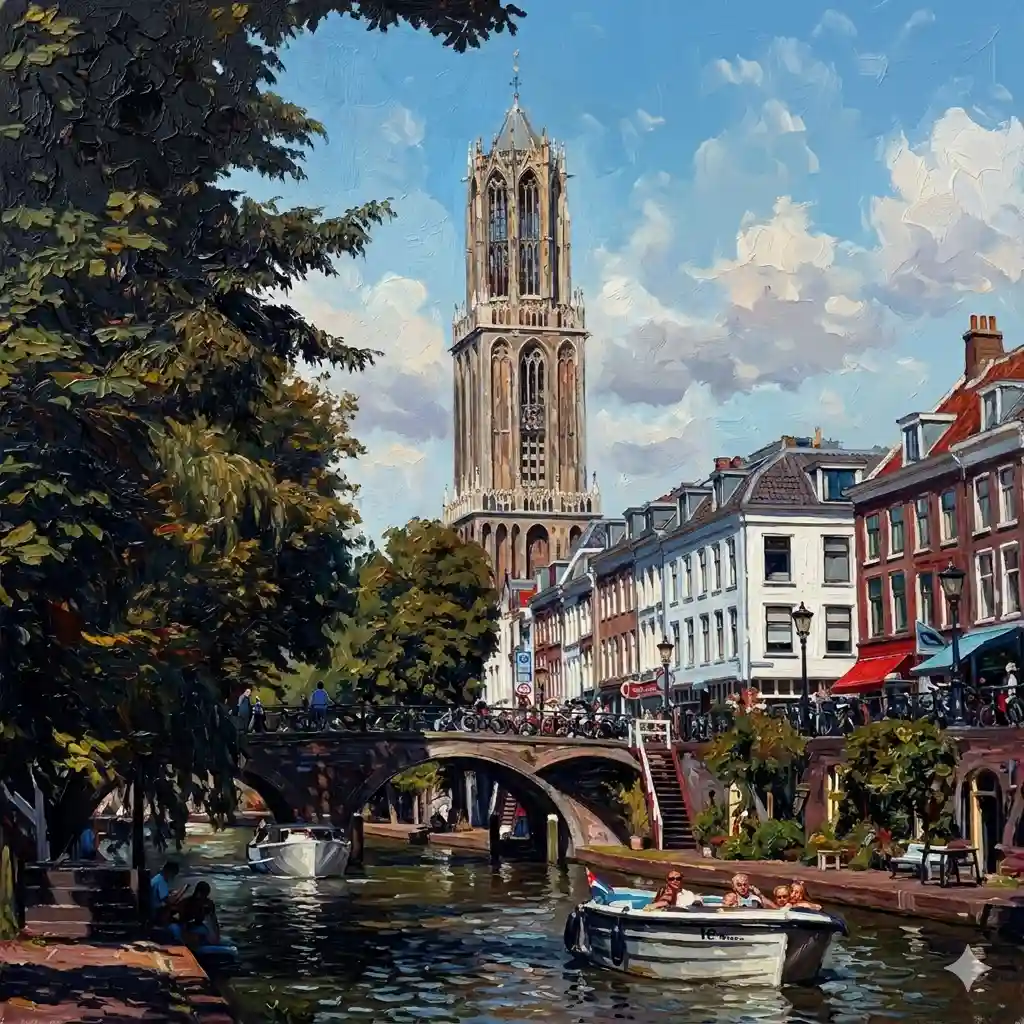
  • Beste Koffie in Utrecht (2026) — 68 Bars & 45 Branders

    Beste Koffie in Utrecht (2026) — 68 Bars & 45 Branders

    Utrecht breathes coffee aroma. From eighteenth‑century coach travelers to modern micro‑roasters, the city has grown to 65 specialty cafés. Pioneers like The Village and Keen Coffee combine craftsmanship, sustainability, and community, while events keep the coffee culture buzzing, inviting new flavor‑seekers and entrepreneurs
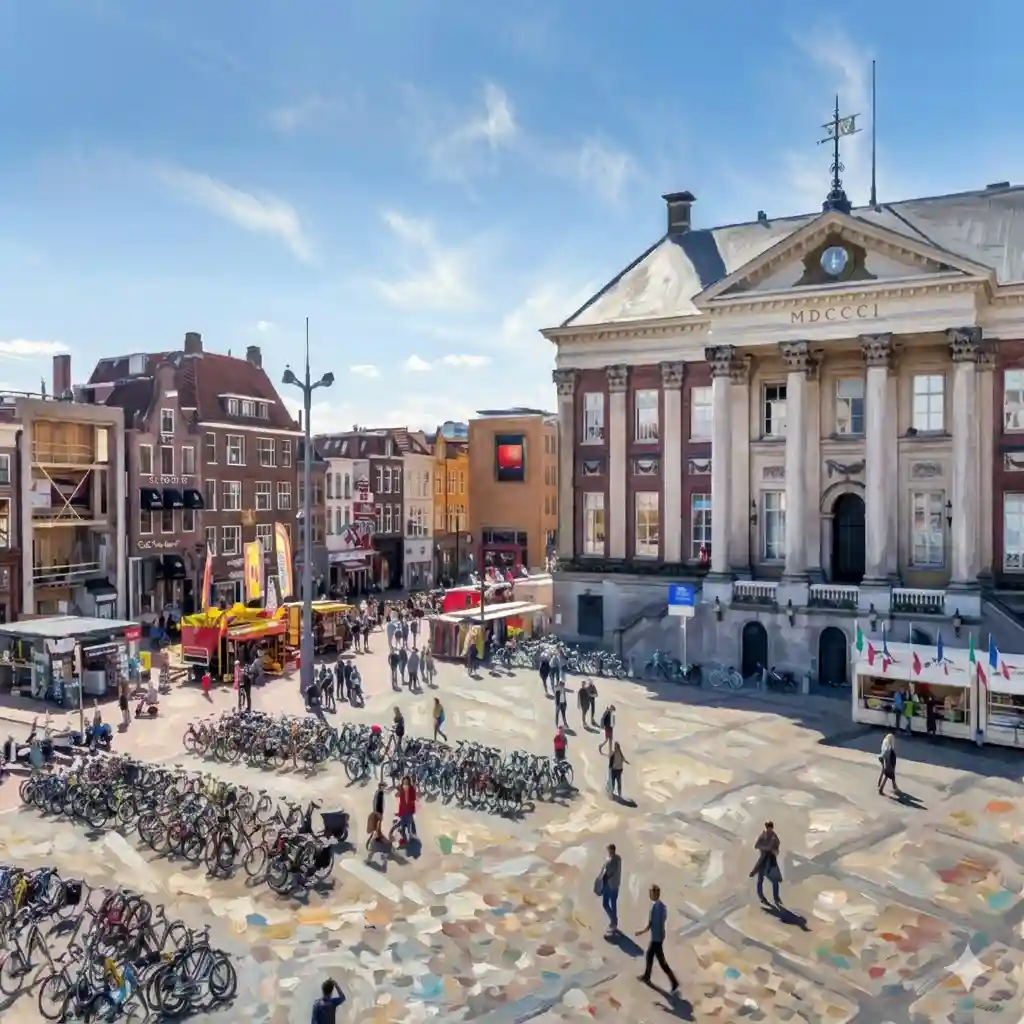
  • Beste Koffie in Groningen (2026) — 30 Bars & 32 Branders

    Beste Koffie in Groningen (2026) — 30 Bars & 32 Branders

    Groningen has grown from a luxury product into a breeding ground for specialty coffee; historic roasters, award‑winning bars and circular projects show how tradition, innovation and sustainability converge and create opportunities for investors and enthusiasts. The guide explores key players, flavour trends, green solutions and tips.
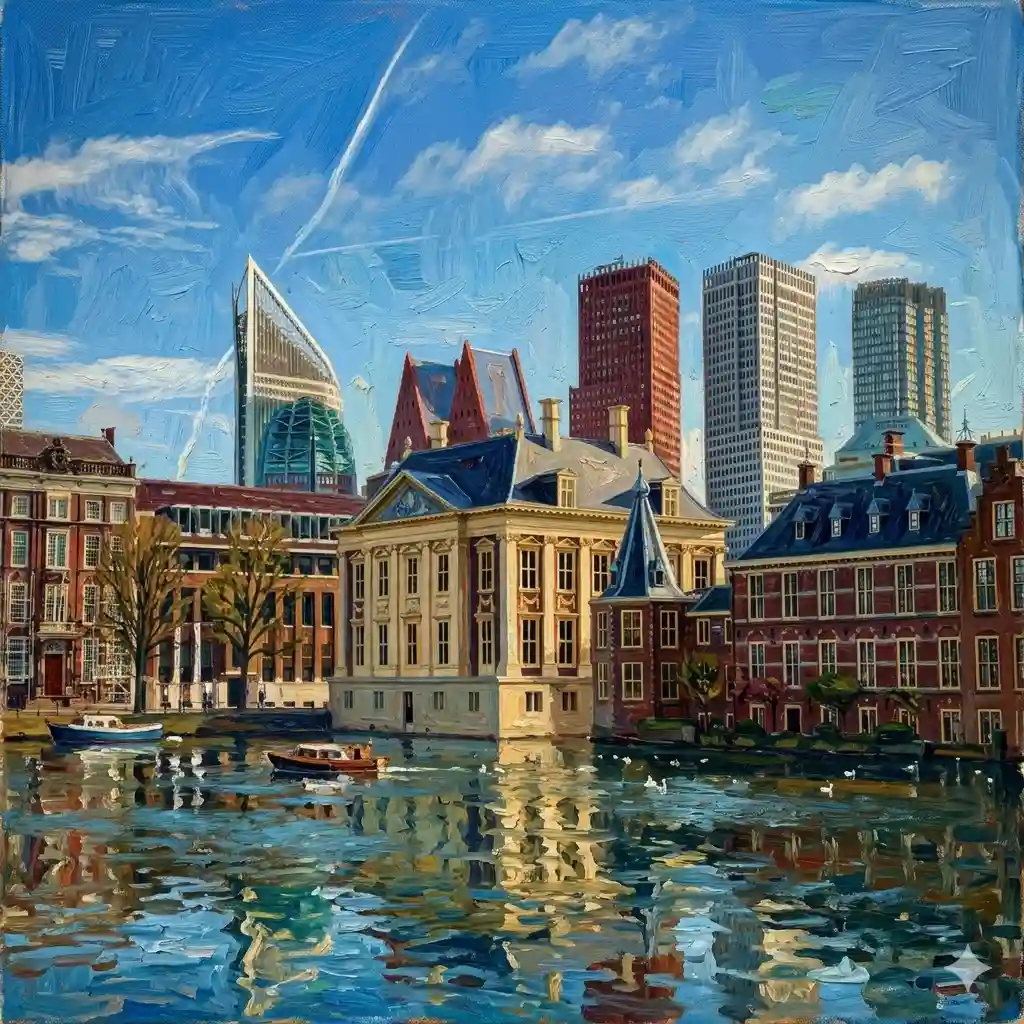
  • Beste Koffie in Den Haag (2026) — 83 Bars & 48 Branders

    Best Coffee in Den Haag (2026) – 83 Bars & 48 Roasters

    The Hague enjoys a rich coffee tradition dating back to 1664, from seventeenth-century salons to modern espresso bars. Iconic venues, sustainable initiatives and rising demand for single-origin beans show how tradition and innovation blend here in harmony. The city breathes coffee at every moment of the day.
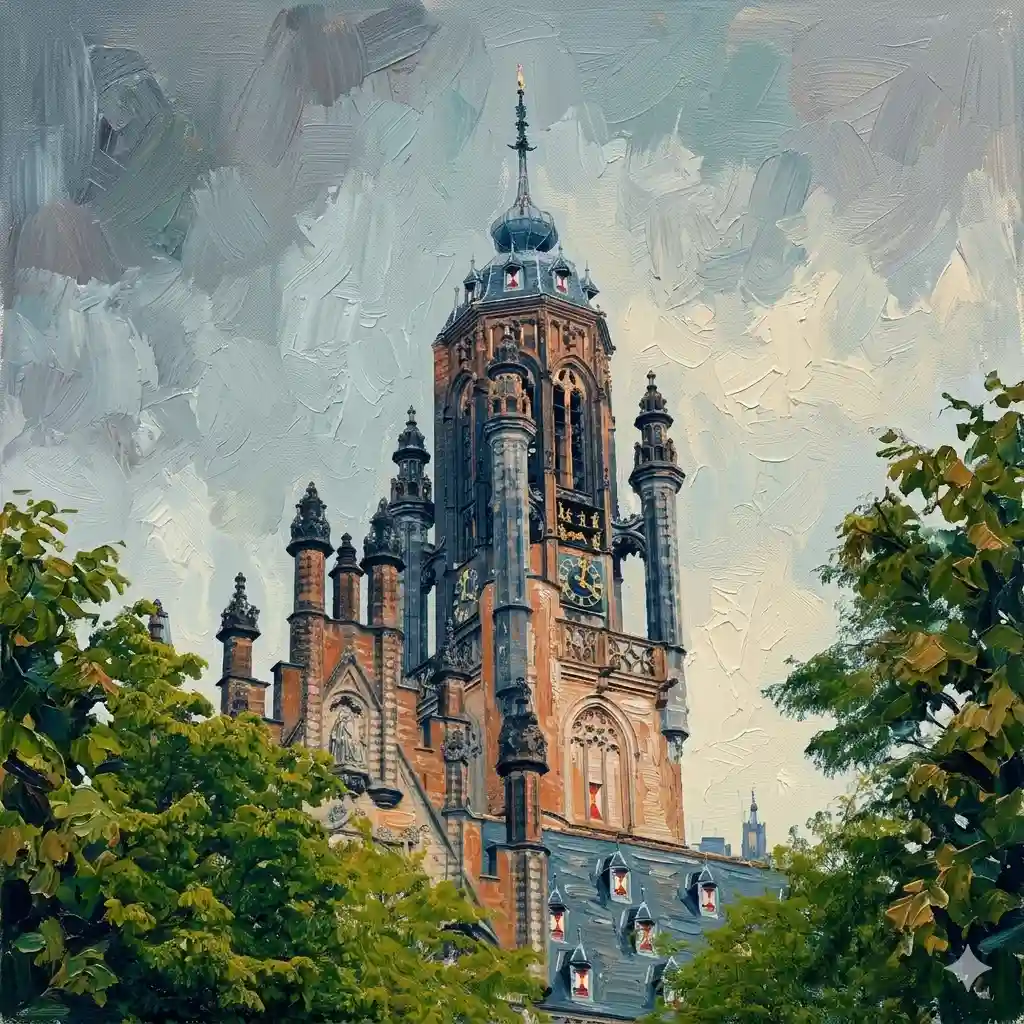
  • Beste Koffie in Middelburg (2026) — 11 Bars & 14 Branders

    Best Coffee in Middelburg (2026) — 11 Coffee Bars & 14 Roasters

    Middelburg’s coffee story begins with the Dutch East India Company and flows into creative micro-roasters, atmospheric bars and sustainable initiatives. From a bolus with an espresso to live music festivals, every sip proudly tells Zeeland history and reveals the future of circular coffee.
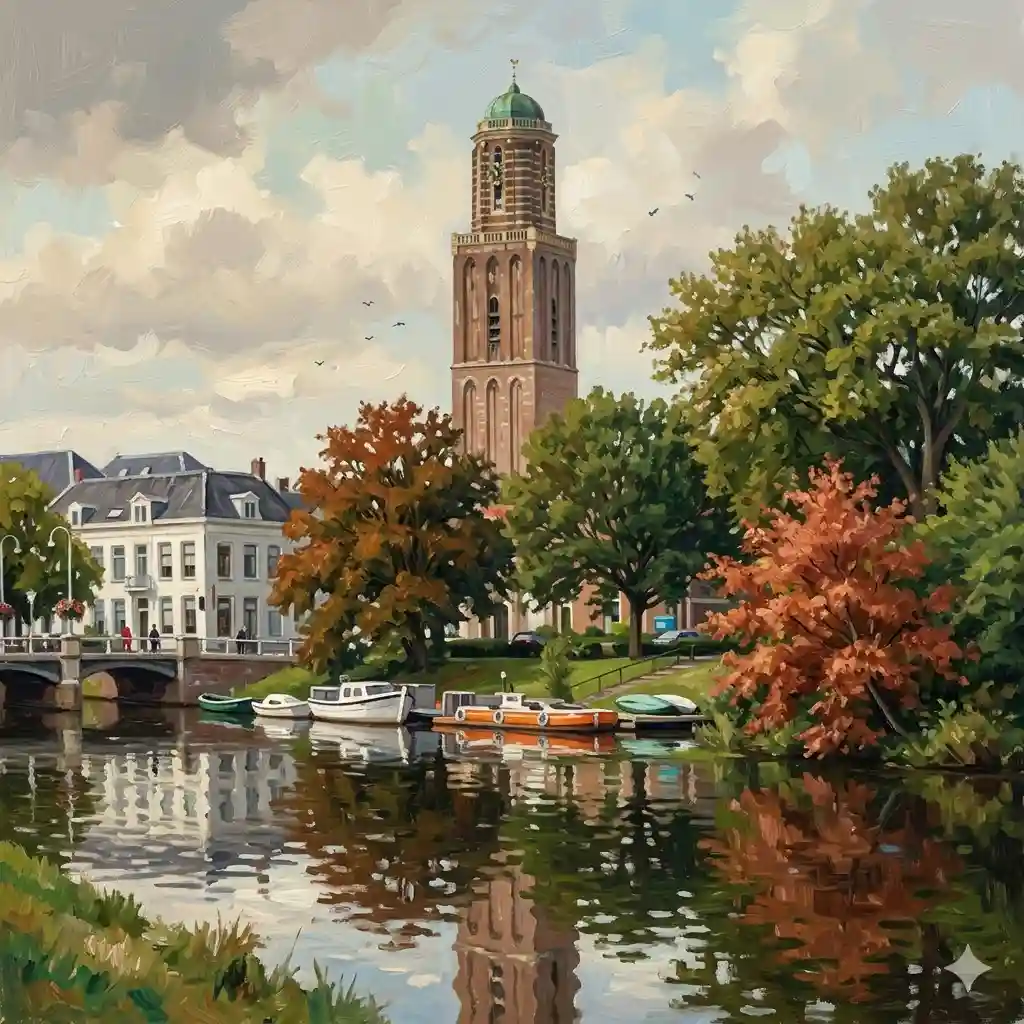
  • Beste Koffie in Zwolle (2026) — 27 Bars & 30 Branders

    Beste Koffie in Zwolle (2026) — 27 Bars & 30 Branders

    Zwolle breathes coffee. From Hanseatic‑era roasteries to Mocca d’Or’s high‑tech roasting centre, the city combines centuries of craftsmanship with innovation and sustainability. Top cafés shine in the Misset Koffie Top 100, while circular projects turn spent coffee grounds into tasty opportunities for entrepreneurs and residents.

  • Beste Koffie in ‘s-Hertogenbosch (2026) — 17 Bars & 23 Branders

    Beste Koffie in ‘s-Hertogenbosch (2026) — 17 Bars & 23 Branders

    Den Bosch blends centuries‑old trade with modern coffee bars. From De Gruyter to La Jeu, sustainability, plant‑based milk and community events form the backbone of a city where tradition and innovation meet in every sip, inspiring coffee lovers and ambitious entrepreneurs worldwide today.
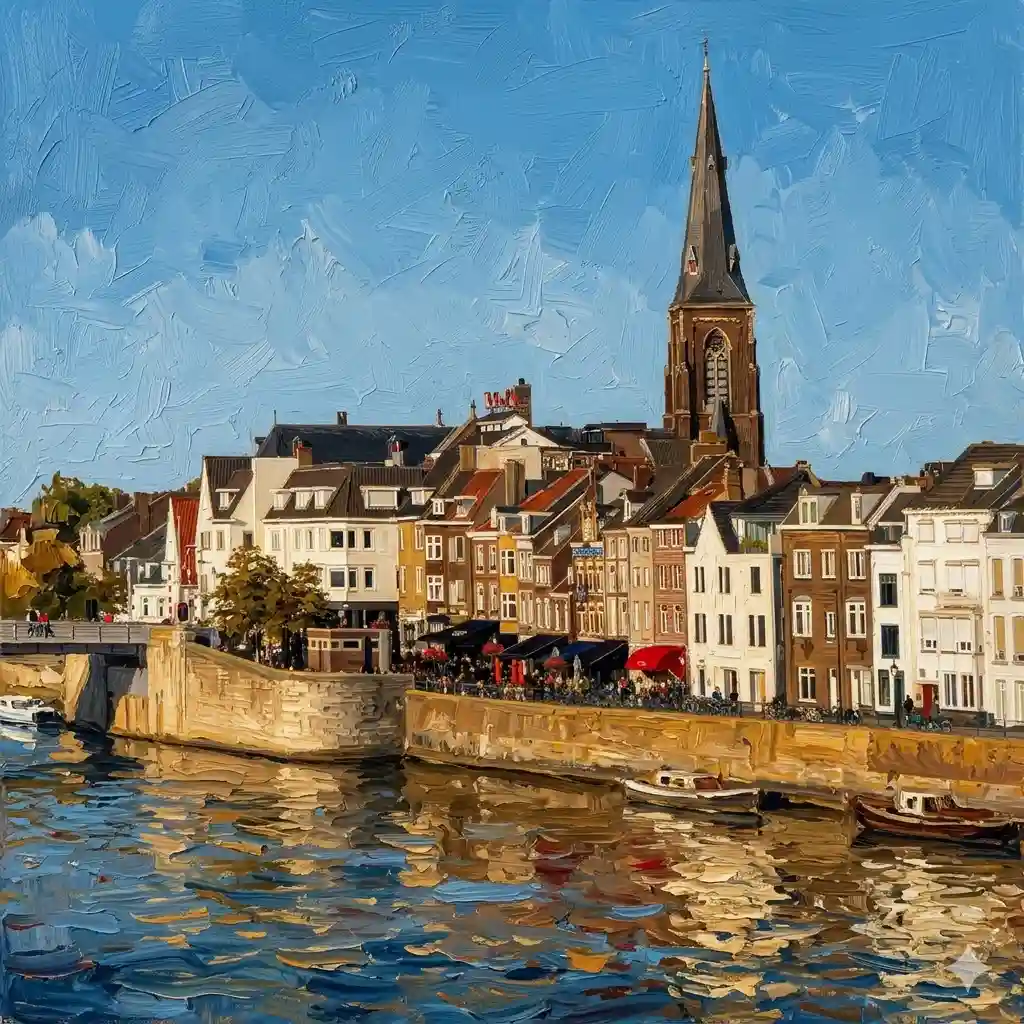
  • Beste Koffie in Maastricht (2026) — 26 Bars & 19 Branders

    Beste Koffie in Maastricht (2026) — 26 Bars & 19 Branders

    Maastricht has breathed coffee aroma since the nineteenth century, from Dael to Coffeelovers, heritage and start‑ups blend their roasts, local events celebrate flavours while sustainability grows through Fairtrade beans, circular coffee grounds and energy‑efficient roasteries such as Blanche Dael that keep inspiring future baristas.
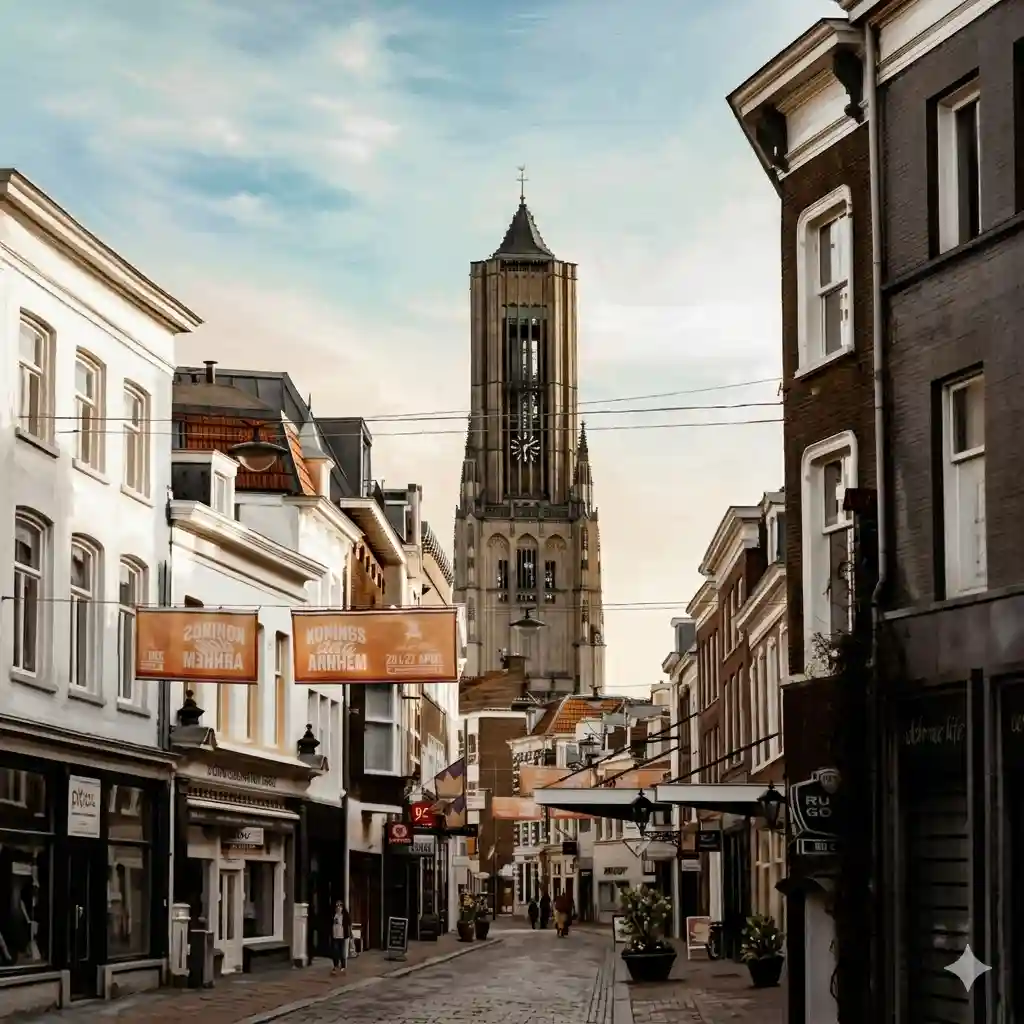
  • Beste Koffie in Arnhem (2026) — 27 Bars & 25 Branders

    Beste Koffie in Arnhem (2026) — 27 Bars & 25 Branders

    Arnhem grew from colonial coffee trading into an innovative coffee city where Peeze and new cafés combine craftsmanship, plant-based choices, latte art and circular initiatives, allowing consumers to experience quality, conviviality and sustainability in every cup, where networks of local talents and flavour trends converge
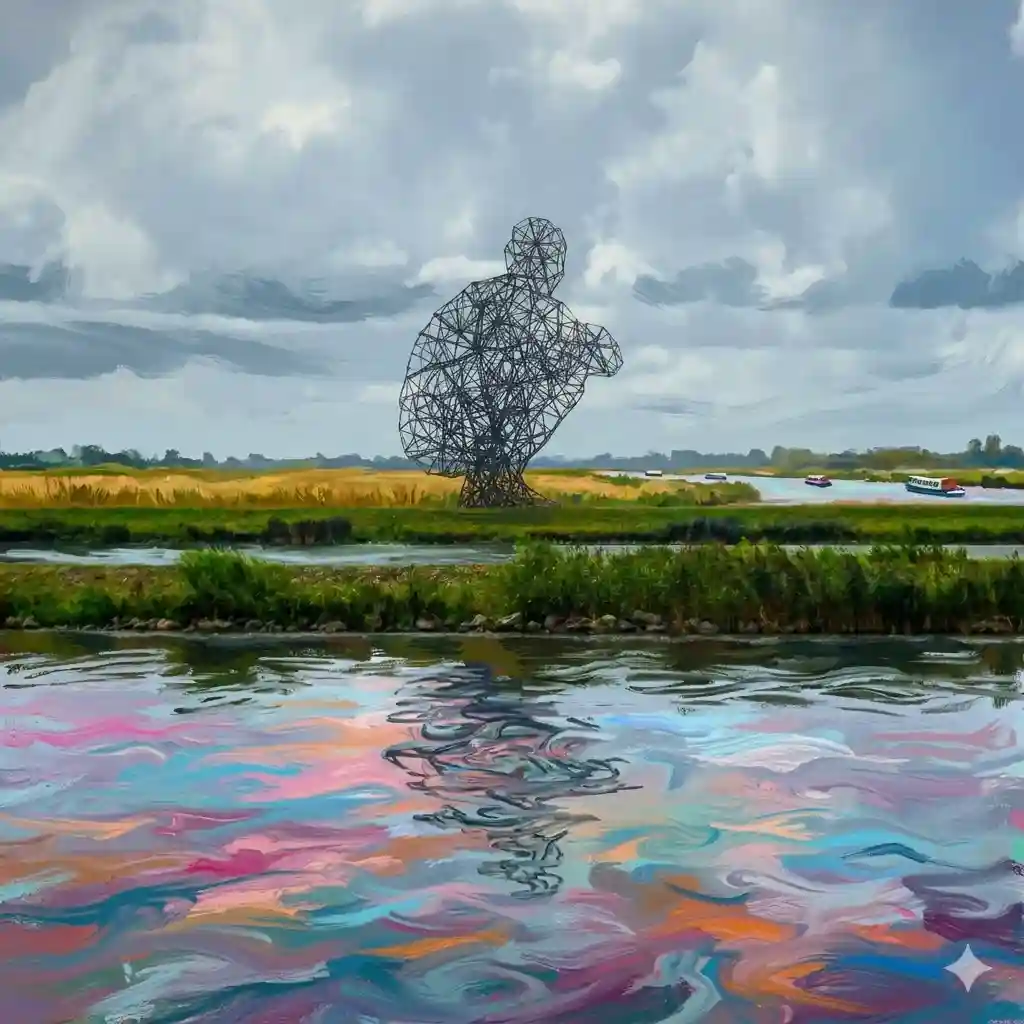
  • Beste Koffie in Lelystad (2026) — 5 Bars & 8 Branders

    Beste Koffie in Lelystad (2026) — 5 Bars & 8 Branders

    From pioneers’ canteen to trendy espresso bar, Lelystad shows how specialty coffee, fair‑trade beans and circular start‑ups together create a vibrant coffee culture, offering opportunities for local entrepreneurs and flavour‑packed choices for residents who value freshness and sustainability, enjoying it day after day
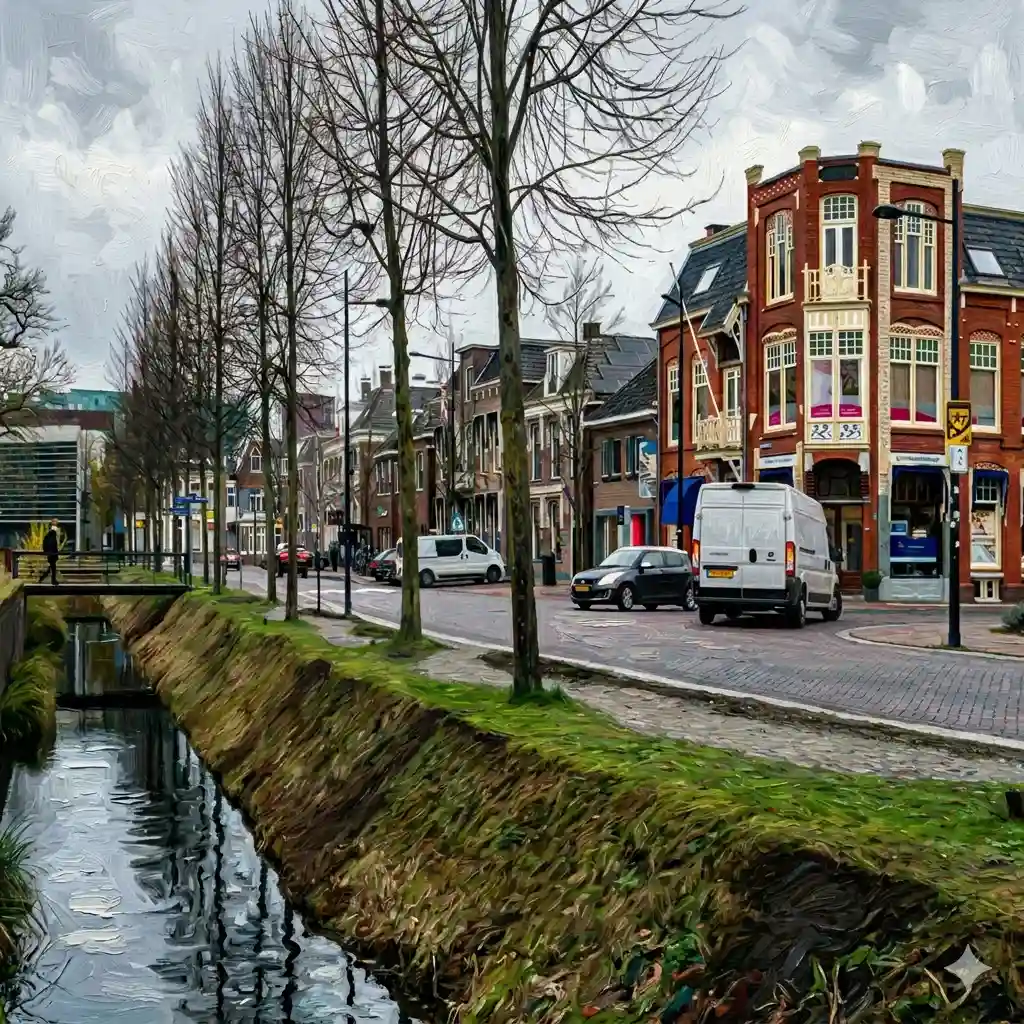
  • Beste Koffie in Assen (2026) — 7 Bars & 15 Branders

    Beste Koffie in Assen (2026) — 7 Bars & 15 Branders

    Assen is shifting from a traditional bar culture to a compact specialty scene with SIJL and Malers, steady demand from the station, markets, and museum, and a focus on pricing, equipment, workshops, and sustainable logistics.
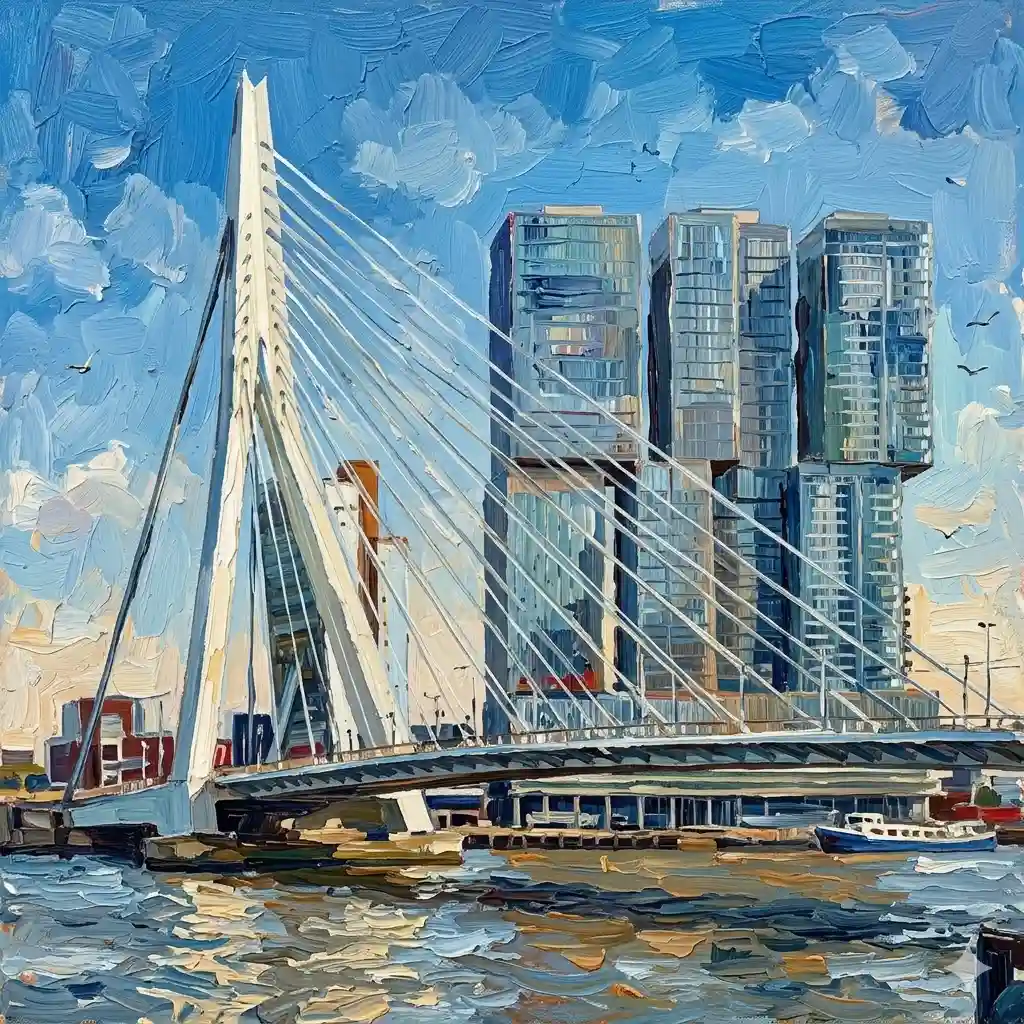
  • Beste Koffie in Rotterdam (2026) — 122 Bars & 47 Branders

    Beste Koffie in Rotterdam (2026) — 122 Bars & 47 Branders

    Rotterdam breathes coffee. From historic warehouses to futuristic roasters, a vibrant scene unfolds, filled with award‑winning baristas, social projects and sustainable innovations. Sip a ‘bakkie pleur’ or a single‑origin espresso, and feel how tradition and innovation continuously reinforce each other, day and night.
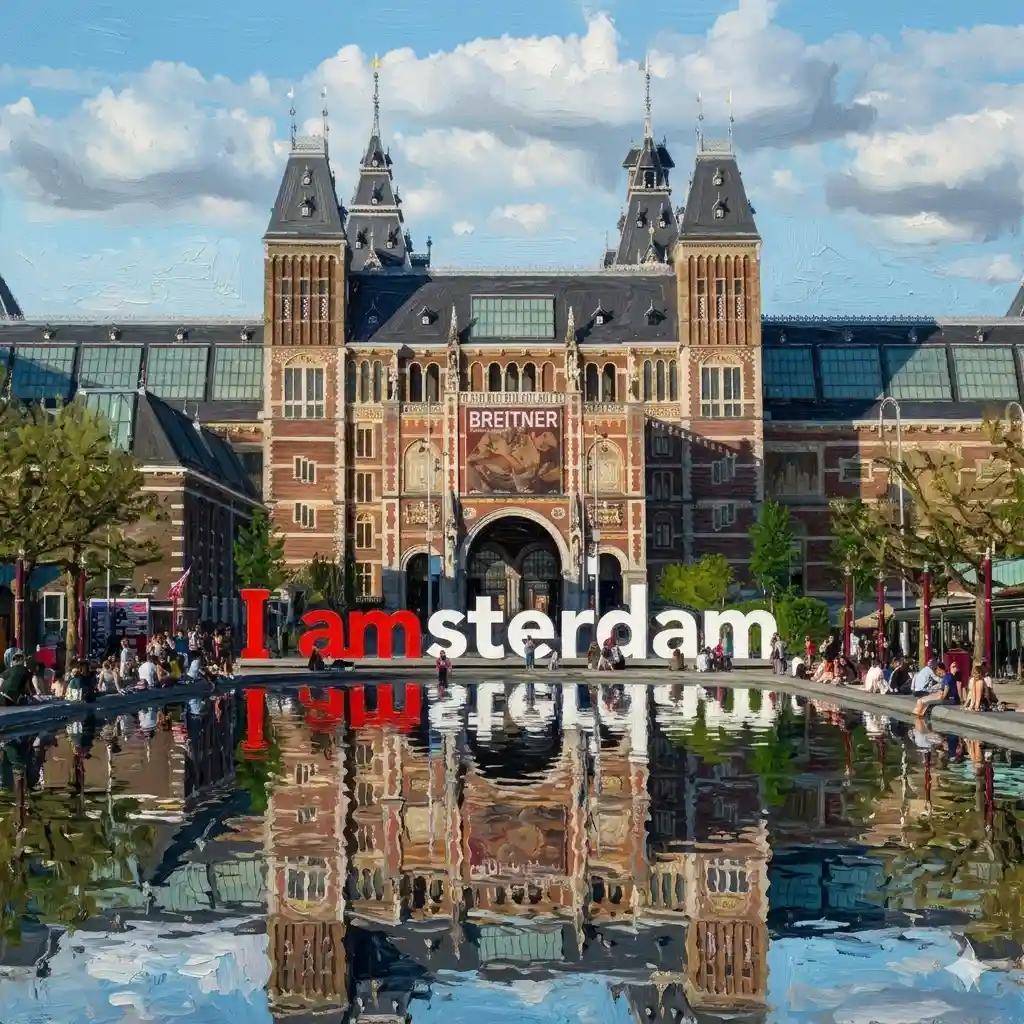
  • Beste Koffie in Amsterdam (2026) — 269 Bars & 84 Branders

    Best Coffee in Amsterdam (2026) — 269 Bars & 84 Roasters

    Amsterdam is home to 40+ coffee roasters and hundreds of specialty bars spread across 10 neighbourhoods. From third-wave pioneers like Bocca to local favourites in De Pijp and Noord — this is where you need to go.
  • Beste Koffie in Emmen (2026) — 2 Bars & 13 Branders

    Beste Koffie in Emmen (2026) — 2 Bars & 13 Branders

    Emmen nurtures a rich coffee culture that began with peat cutters and has grown into trendy bars serving single‑origin espresso, social branding and circular innovations. Local blends, events and Fairtrade initiatives make the city attractive to coffee lovers and entrepreneurs, and investors see growth potential here.

More about Groningen Province

Coffee heart of the North

Groningen breathes coffee. The province has been pouring steaming cups for more than three centuries and keeps surprising with rich flavours and smart innovations. From stately historic cafés to buzzing micro‑roasteries, every corner of the region tells its own coffee story. This guide takes readers through the heritage, current players, trends and sustainable future of Groningen coffee.

Historical roots

The first Groningen coffeehouse opened in 1686, when coffee was still a luxury drink for the elite. Thanks to colonial supplies from Java, the price soon dropped, and by the mid‑eighteenth century the drink had taken firm root in city life. Not long after, coffeehouses became popular places to discuss news and do business.
Around 1900 the north roasted about one million kilos of coffee a year, spread over 33 local roasteries. This scale of production earned Groningen the nickname “coffee city”. Classics like Huis De Beurs, opened in 1795, still proudly serve a traditional “coffee‑time” moment.

Growth into an industry

The Tiktak family started roasting in Groningen in 1870 and within thirty years grew into one of the largest coffee companies in the north of the Netherlands. Douwe Egberts, which began in Friesland, also took the step from the north to become the national market leader. After the coffee shortage during the Second World War, the market revived rapidly, local companies reopened and expanded their capacity to serve the craving population.

Specialty scene on the rise

Since 2012 a third coffee wave has been growing in Groningen. Black & Bloom set the tone with lightly roasted single origins, roasted in‑house. Young roasters now follow their example and introduce ever more refined brew methods, from pour‑over to nitro cold brew. The movement is slower than in Randstad cities, but every new bar attracts a loyal audience of curious coffee drinkers.

Leading roasters today

- Tiktak, since 1870: part of Segafredo Zanetti, still roasts millions of kilos on Rouaanstraat.
- Koffiestation: started in a basement, now supplies ethically sourced beans through markets, webshop and its own café.
- Black & Bloom: “godfather” Gerben Engelkes roasts award‑winning micro‑batches on site.
- Maalwerk Koffie, Delfzijl: hand‑roasted “Groninger beans” in small batches for hospitality and home baristas.
- KOSU Stads Koffiebranderij: roasts only specialty‑grade coffee, teaches at the Barista School Groningen.

Consumption and café culture

Dutch people drink an average of 150 litres of coffee per person per year, and Groningers are no exception. The morning ritual starts with a “lekker bakkie”, often followed by a cappuccino at the ten‑o‑clock break. Students and young professionals treat cafés as an extra living room; laptops, oat milk and flat whites dominate the streetscape. At the same time, filter coffee remains popular in many households, while espresso machines are slowly conquering kitchens.

Events and festivals

The Groningen Coffee Festival brings baristas, roasters and enthusiasts together under one roof each year for cuppings and latte‑art shows. Noorderzon, the big summer festival in the Noorderplantsoen, sees Koffiestation serve thousands of espressos between theatre and music performances. On Liberation Day, specialty stands fill the Stadspark so visitors can sample freshly roasted cortados alongside their beer.

Sustainable revolution

Groningen entrepreneurs are firmly committed to green roasting. Koffiestation is opening the world's first roastery powered entirely by green hydrogen, bringing CO₂ emissions down to zero. The Circle of Beans project goes further still: used coffee grounds from the city are fermented into biogas that powers roasters and delivery vans. In addition, shops such as Simon Lévelt encourage packaging‑free shopping to save half a million single‑use bags.
Fairtrade also flows through the province. In 2009 Groningen became one of the Netherlands' first Fairtrade Cities and motivates companies to serve only certified coffee. Plant‑based cafés such as Revista offer oat milk by default, making a latte not only delicious but also climate‑conscious.

Near future

Everything indicates that Groningen will keep its coffee crown. The combination of heritage, innovation and sustainability attracts both tourists and investors. New roasters serve niches, while big names modernise and go greener. Thus every sip of coffee from the north remains linked to history and the future.

Brief conclusion

In short, Groningen shows how tradition and progress together form a vibrant coffee culture. The next time a freshly roasted espresso is ordered, let its aroma recall three centuries of craftsmanship, entrepreneurship and northern level‑headedness.


Disclaimer: We do our best to keep all information in this article as accurate as possible. Have you come across something that is no longer quite correct? Send a message to the editorial team at [email protected] and we'll update it!