Drenthe blends tradition and innovation in its coffee culture. Filter coffee remains popular, while micro roasters, sustainable projects and coffee festivals are steadily gaining ground. For every enthusiast, this creates a flavorful, social and green coffee route that makes the province visible and attractive to visitors.
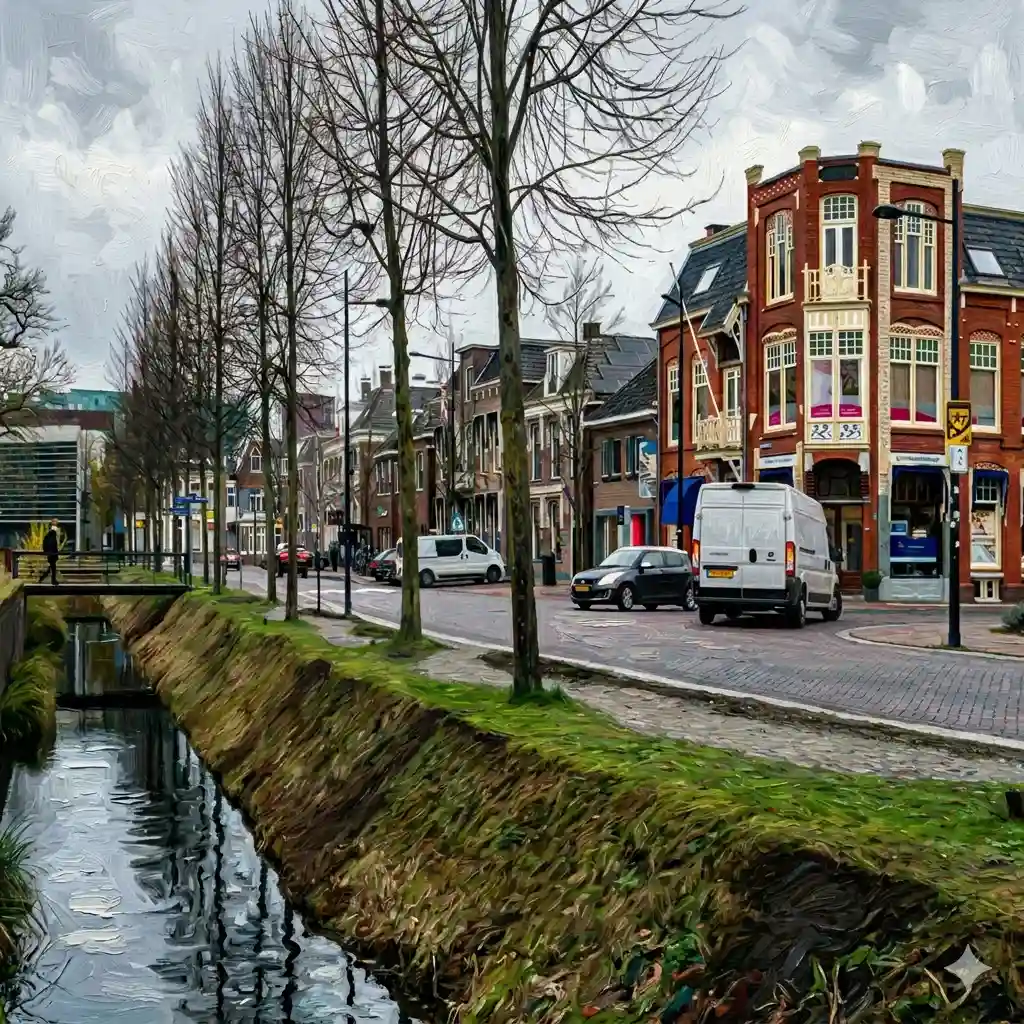
Assen is shifting from a traditional bar culture to a compact specialty scene with SIJL and Malers, steady demand from the station, markets, and museum, and a focus on pricing, equipment, workshops, and sustainable logistics.
Emmen nurtures a rich coffee culture that began with peat cutters and has grown into trendy bars serving single‑origin espresso, social branding and circular innovations. Local blends, events and Fairtrade initiatives make the city attractive to coffee lovers and entrepreneurs, and investors see growth potential here.
More about Drenthe
Introduction
Drenthe has enjoyed a close-knit coffee culture for years. From the traditional morning “bakkie” to the rise of trendy micro roasters, coffee connects residents, visitors and entrepreneurs. This article outlines the development, the players and the trends shaping the Drenthe coffee industry. The focus is on concrete facts and fresh examples so that enthusiasts can quickly see what is happening and where opportunities lie.
Historical roots and daily rituals
After World War II, coffee remained rationed until 1958. Once the shortages ended, coffee immediately regained its permanent place in every Drenthe household. Coffee was part of hospitality, the coffee table and the "groevenaal" after a funeral. Around 2014, people in the Northern Netherlands, including Drenthe, drank 28 percent of their daily beverages as coffee, compared with about 23 percent elsewhere. That figure underscores the enduring love for a simple, strong brew.
In villages, filter coffee machines have stood on countertops since the 1960s. A fixed coffee break around ten o’clock became an anchor point for farmers, construction workers and office staff. This deep‑rooted routine explains why cappuccinos and lattes caught on here later than in big cities, although variety is now gaining ground among younger town dwellers.
Specialty roasters set the tone
Since 2020, the so‑called third coffee wave has also been booming in Drenthe. New roasters combine craftsmanship with local pride and social impact. Their goal: to bring flavorful, fairly traded beans to consumers and strengthen the community.
Koffielust (Veenhuizen), an electric roaster, buys beans directly from farmers and provides jobs for people who are distanced from the labour market.
Drents Bakkie (Emmen) links regional jobs to blends such as 'Bakkie Nicaragua' and collects coffee grounds for reuse in gardens.
SIJL Coffee (Assen) reintroduced a city roastery in the capital after 45 years and sells omni‑roast single origins online.
Frans de Grebber (Meppel) grinds beans on demand and serves as a one‑stop shop for freshly roasted coffee and equipment.
Events and experience
Coffee connects Drenthe residents not only at home but also outdoors. Every Wednesday around 11:40 a.m. the public listens to “Koffie en Keuvelen” on Radio Drenthe, a moment when history and stories come together during the coffee break. Networking events such as Open Coffee Emmen draw entrepreneurs monthly to exchange ideas with steaming mugs in hand. Festivals such as Preuvenement Assen and the travelling Barrel Food Truck Fest provide space for coffee stands among culinary stalls. Roasters also organise tastings and barista workshops, allowing consumers to recognise and appreciate flavours.
Consumer preferences and trends
Although filter coffee is still the number‑one choice, demand for quality and diversity is growing. More households are buying bean‑to‑cup machines, burr grinders or slow‑coffee sets. Manual pour‑overs and French press are returning as trendy brewing methods. Thus about 70 percent of all coffee is still brewed at home, but the rise of specialty cafés in Assen and Emmen shows that people are willing to pay more for a better experience on location. Chains such as 30ML are considering expansion plans because the province is ready for barista‑crafted coffee.
Sustainability and social impact
Green and social initiatives colour the Drenthe coffee sector. Entrepreneurs reduce waste, save energy and support fair trade. Such actions fit the broader provincial ambition to work in a circular and climate‑neutral way.
Drents Bakie reuses coffee grounds as fertilizer and thus reduces its CO₂ footprint.
Koffielust roasts electrically, minimises transport and is switching to fully recyclable packaging.
Since 2010 Meppel has held the title of Fairtrade Town and encourages the hospitality sector to serve certified coffee.
In 2023 care organisation Vanboeijen switched to climate‑neutral coffee from Melange d’Or.
Lions Clubs collected Douwe Egberts points for 500 packs of coffee for the food bank, so everyone can enjoy a warm cup.
Conclusion
Drenthe combines tradition with innovation. The familiar cup remains, but now gains company from refined micro‑roasters, sustainable initiatives and a flourishing coffee experience sector. This makes the province attractive to enthusiasts who seek flavour, story and responsibility in one cup. The future therefore tastes not only strong but also increasingly social and green.
Coffee culture in Drenthe grows with specialty roasters
Discover how Drenthe connects classic coffee rituals with new specialty roasters, sustainable initiatives and events that enhance flavour and community
Disclaimer: We do our best to keep all information in this article as accurate as possible. Have you come across something that is no longer quite correct? Send a message to the editorial team at [email protected] and we'll update it!

 NL
NL