
 NL
NL High-Altitude Coffee
At high altitudes (above 1500 meters), coffee cherries ripen more slowly, resulting in denser beans with pronounced aromas. The lower temperature and thinner air foster a complex flavor profile, often characterized by high acidity and fruity, floral, or wine-like notes. Regions such as Ethiopia and parts of Latin America are known for their high-altitude coffees, which are prized for their refined and sparkling character.
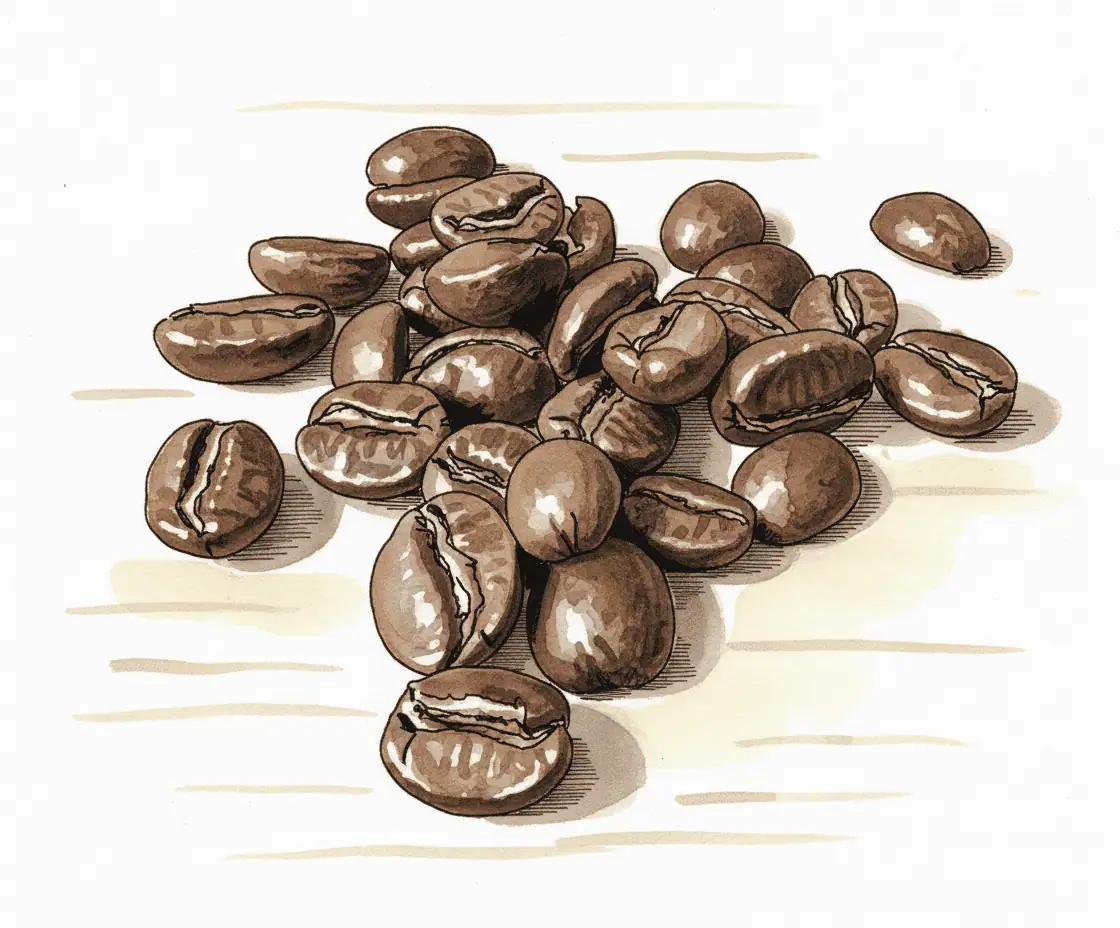
High‑altitude coffee beans

Guatemala
Deze single origin uit Huehuetenango komt van De Ouwe Smidte. Hoogte en koele winden zorgen voor trage rijping en veel definitie.Het gewassen proces geeft helderheid. Tonen van caramel, pure chocolade en rode druiven springen eruit. De kop is schoon, medium in body, met een lange afdronk.Geschikt voor espresso en handfilterSeizoensgebonden oogst van januari tot aprilKlassieke…
Guatemala
Tzikin van Henrys Coffee is een gewassen koffie uit Huehuetenango in Guatemala. De selectie komt van kleine boeren op grote hoogte, wat zorgt voor veel helderheid en structuur. In de kop proef je amandel, pure chocolade, appel en druif. Daardoor smaakt deze koffie vol, fris en mooi in balans. De branding is gericht op espresso,…
Guatemala
Tzikin van Henrys Coffee is een gewassen koffie uit Huehuetenango in Guatemala. De selectie komt van kleine boeren op grote hoogte, wat zorgt voor veel helderheid en structuur. In de kop proef je amandel, pure chocolade, appel en druif. Daardoor smaakt deze koffie vol, fris en mooi in balans. De branding is gericht op espresso,…
Guatemala
Sococo Guatemala laat zien hoe één herkomst twee heel verschillende koppen kan geven. Deze washed koffie uit Huehuetenango komt van Family Bonds Coffee en combineert helderheid met zoete chocolade.HUEHUE richt zich op een volle, krachtige espresso met veel cacao en een warme afdronk. IXTA brengt juist zachte chocolade en lichte citrus, met meer frisheid en…
Guatemala
De Guatemala van Koffiebranderij Venetië laat een klassiek hooglandprofiel zien met veel balans en een heldere structuur. Deze landenkoffie komt uit Guatemala en wordt geplaatst in de context van de zuidelijke hellingen van de Sierra Madre.In de kop vallen vooral body, frisse zuurgraad en evenwicht op. Daardoor past deze boon goed bij liefhebbers van een…
Guatemala
Tzikin van Henrys Coffee is een gewassen koffie uit Huehuetenango in Guatemala. De selectie komt van kleine boeren op grote hoogte, wat zorgt voor veel helderheid en structuur. In de kop proef je amandel, pure chocolade, appel en druif. Daardoor smaakt deze koffie vol, fris en mooi in balans. De branding is gericht op espresso,…
Guatemala – Antiqua
Guatemala Antigua is een vallei tussen de vulkanen Agua, Fuego en Acatenango, met mineraalrijke bodems en koele nachten. Deze single origin van Barista Brothers draait om helderheid en zoete complexiteit. De variëteiten Bourbon en Catuaí geven ronde zoetheid met frisse, beheerste aciditeit. De washed verwerking benadrukt zuivere citrus en een schone, langzame afdronk.In de kop…
Guatemala – Francisco Quinteros
Morning Glory El Pino is een uitgesproken microlot uit Santa Rosa in Guatemala. Deze washed koffie van Francisco Quinteros Rosales komt van 1880 meter hoogte en toont veel helderheid en finesse.In de kop vallen tonen van kaneelgebak, honingraat en gedroogde abrikoos op. Daardoor smaakt de koffie zoet, vriendelijk en tegelijk spannend. De branding lijkt bewust…
Guatemala – Jesus Pablo Pablo
Stooker presenteert Finca Meste uit Huehuetenango in Guatemala, een frisse en zuivere filterkoffie. De koffie is gewassen met een anaerobe start, wat extra geurlaagjes en helderheid geeft. Verwacht smaken van gekarameliseerde appel, limonade en braam met een sappige body. Deze branding is ontwikkeld voor moderne filterextracties in pour over en batchbrew.Hoogte 1700 tot 1730 meter…
guatemala – vista hermosa
Guatemala Vista Hermosa is een single origin uit Huehuetenango, geteeld op 1675 meter. De oogst van 2025 wordt traditioneel washed verwerkt, wat zorgt voor een helder en gebalanceerd profiel. Verwacht aroma’s van honing, melkchocolade en zwarte thee, met florale accenten en een zoete body. Het roastprofiel past tussen medium en medium donker en werkt uitstekend…
Guatemala Antigua
Guatemala Antigua van De Limburgse Koffiebranderij komt uit de vallei tussen Agua, Fuego en Acatenango. De gewassen verwerking met 36 tot 48 uur fermentatie levert een schone, heldere kop. Verwacht cacao nuance, frisse aciditeit en een soepele, stevige body met zachte afdronk. Dit profiel past bij het klassieke Antigua terroir met rijping op hoogte. De…
Guatemala Cobán
Deze single origin komt uit het mistige Cobán in Guatemala, op 1500 tot 1600 meter. Brute Bonen brandt iets donkerder voor balans en helderheid. Verwacht florale geur, hazelnoot, bittersinaasappel en een vleug cacao. De gewassen verwerking geeft een schone, levendige kop met medium body. Oogst valt tussen december en maart. Vers gebrand, direct verzonden. SCA…
Guatemala Filadelfia
Guatemala Filadelfia van Schot Coffee Roasters komt uit Antigua, op 1650 meter, met vulkanisch terroir. De boon is gewassen, wat zorgt voor helderheid en een schone afdronk. Verwacht een zoete, gebalanceerde kop met notige warmte en sappig fruit.Smaak: fudge, hazelnoot, peer, zachte aciditeit.Variëteiten: bourbon, caturra, villa sarchi.Beschikbaar: filterbranding en espressobranding, vers gebrand.Als espresso benadrukt het…
Guatemala Gesha – Finca Palestina Acatenango
Deze Guatemala Gesha van Koffiestation komt van Finca Palestina in Acatenango Guatemala. Vulkanische bodems en frisse nachten zorgen voor trage rijping en heldere zoetheid. De koffie is natural verwerkt met langzame droging, wat florale aroma’s, citrus en granaatappel benadrukt. De branding is licht en gericht op transparante filterextracties met romig mondgevoel.Beste voor filter zoals handopgieten…
Guatemala Jade las Minas
Guatemala Jade Las Minas is een specialtykoffie uit de Sierra de las Minas in de Motagua-vallei, geoogst op 1600 tot 1800 meter. De koffie van de El Gigante-groep onder leiding van Osvaldo Suchini heeft de classificatie SHB EP. Volledig gewassen verwerking geeft een helder, zuiver profiel met tonen van karamel, pure chocolade, groene appel en…
Guatemala Julian Coffee
Guatemala Julian Coffee komt uit Alta Verapaz op 1500 meter. Single origin Arabica van Caturra en Bourbon levert een romige koffie met volle body, chocoladearoma en subtiele fruittonen. Schaduwbomen en zorgvuldige, schone verwerking bij de plantage ondersteunen kwaliteit en duurzaamheid. De koffie smaakt uitgebalanceerd als zwarte koffie of met melk. Maalgraad kan worden aangepast voor…
High Altitude (above 1500 meters)
Welcome to the world of high-altitude coffee! When you think of beans grown above 1500 meters, words like “refined,” “complex,” and “vibrant” often come to mind. But why exactly? In this article, we’ll dive into the effects of high altitudes on your espresso, the chemical composition of the beans, processing methods, and much more.
How altitude affects espresso flavor
At high altitudes, coffee cherries mature more slowly. This gradual ripening process allows sugars and acids in the fruit to develop over time, giving the beans ample opportunity to build a full range of flavors. When you use these beans for espresso, you’ll often taste a refined acidity and floral or fruity characteristics—think subtle citrus or berry aromas with a bright, almost “sparkling” quality. If you enjoy a delicate espresso, high-altitude beans are an excellent choice.
Chemical composition: density, sugars, and acids
Because the air is thinner and cooler at higher elevations, coffee trees receive less oxygen and grow at a slower pace. This results in denser beans that often exhibit higher acidity. The sugars develop more gradually, and the extended ripening contributes to a complex flavor structure. You end up with a bean that balances sweetness and complexity, translating into a lively cup of coffee. The increased density also impacts roasting profiles: roasters usually take extra care to highlight all those nuanced flavors.
Processing methods at high altitude
Thanks to the cooler, sometimes more humid climate, some coffee farmers opt for processing techniques that emphasize their beans’ unique characteristics. In many high-altitude regions, the washed method is especially popular, as it accentuates fruity and floral notes. Removing the pulp and mucilage under carefully controlled conditions allows any impurities to wash away, leaving a clean, pure flavor. There’s also some experimentation with natural and honey processes in these regions, though washed processing is often the standard for maintaining clarity.
Climate and microclimate
High-altitude environments have unique weather conditions: cooler nights, milder days, and often more rainfall. In some places, mist clings to the mountainsides, creating microclimates that can vary even from one slope to the next. This contributes to the slow ripening of cherries and the development of complex aromas. On the flip side, coffee farmers face challenges like fungal diseases in damp conditions, but the reward is a flavor profile cherished worldwide.
Yield and resilience
Growing coffee at 1500 meters or higher isn’t easy. The trees often produce fewer cherries because the plants expend more energy just to survive in cooler temperatures. Still, the beans command a premium for their pronounced quality and distinctive taste. Many farmers form cooperatives to share knowledge about cultivating coffee under these challenging conditions, employing innovative irrigation methods or using shade trees to protect their coffee plants.
Choosing coffee varieties
Not all coffee plants thrive at 2000 meters. Farmers often select varieties that can handle the cold and resist diseases, such as certain Arabica strains (like Bourbon, Typica, or Geisha). These varieties are known for their potential to develop subtle flavor nuances—a perfect match for the special circumstances high altitudes provide.
All in all, coffee from high altitudes isn’t just any cup of joe. Expect floral notes, a lively acidity, and refined aromas that will delight anyone seeking a bright and complex coffee experience.