
 NL
NL No Mercy
| Price per 1kg. |
€ 30,00 |
|---|---|
| Price updated: |
10th Jan 2026 |
|
De prijs per kilogram (€30,00) is gelijk voor alle verpakkingen; de 1kg verpakking is de grootste beschikbare optie. |
|
Beans Parameters
Caffeine: With caffeine
Sorts: ARABICA
Acidity Levels: Low acidity
Additional
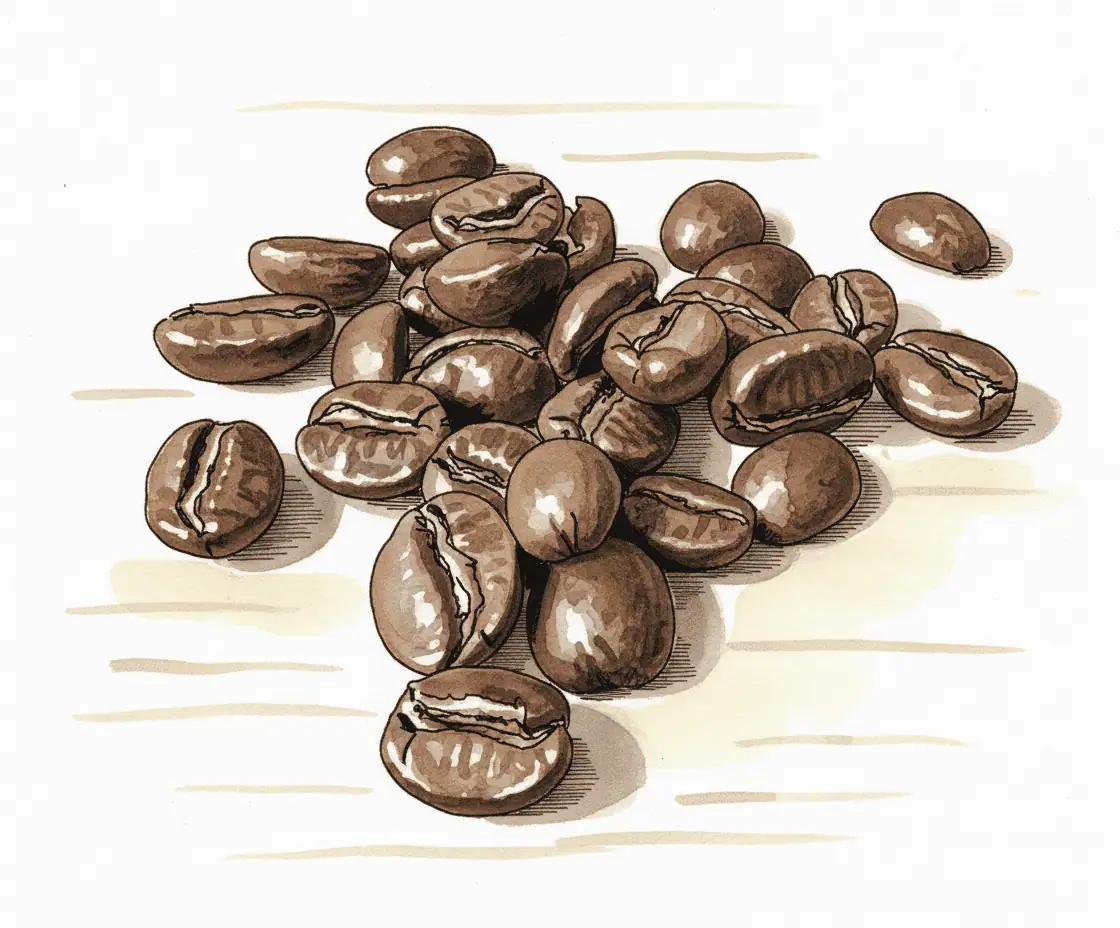
The No Mercy blend from Blooss combines Rwandan highland coffee with Javan beans from the Ijen plateau. The roast is very dark, with a full body and flavors of dark chocolate, soft caramel and a subtle smokiness. The beans are washed processed, giving a clean, bright cup. It is 100 percent Arabica, with a lot of Bourbon from Rwanda. Ideal for espresso, but also powerful in French press or Aeropress. Use water around 90°C and a ratio of about 1 gram per 15 milliliters. Available via the webshop and selected coffee bars.
More About No Mercy
Origin and farm
- Coffee from Rwanda grows on fertile volcanic soil at around 1,500–2,000 metres altitude.
- Javanese coffee comes from old plantations on the Ijen plateau (>1,400 m), such as the Blawan and Kayumas estates.
- Rwanda counts around 400,000 small-scale coffee farmers (2025 data).
- The blend thus combines two terroirs: a sharp African accent and a heavy Asian body.
Roast profile
The No Mercy blend is roasted very dark, almost black. The prolonged, high-temperature roast reduces the acidity and gives the coffee a heavy, full body. The flavour profile is intense: you taste dark chocolate and caramel from the dark roast. Light smoky and woody notes also emerge from the roasting.
Flavor and aroma
- Clear notes of dark chocolate in aroma and flavour.
- Soft caramel sweetness from sugars converted during roasting.
- A subtle smokiness or woody aroma due to the dark roast.
- Possibly a light spiciness in the aftertaste thanks to the Javanese component.
Processing Method
- The Javanese beans are processed using the fully washed method: the pulp ferments and is then rinsed away (washed coffee).
- In Rwanda the washed method is usually applied as well, sometimes with sun-drying (natural finish).
- Wet processing yields a relatively clean, bright coffee with fresh notes.
Variety and species
- The blend consists of 100% Coffea arabica beans.
- The Rwandan component is largely of the Bourbon variety (Arabica).
- In Java, arabica crops have also traditionally been cultivated (descended from Typica/Bourbon lineages).
Sustainability and ethics
- In Rwanda, sustainable coffee production is a priority: many plantations work with shade trees and fair prices for farmers.
- Full traceability in the supply chain is pursued to support farmers.
- Blooss also offers certified coffees (Fairtrade/organic); for example, their Sumatra Mandheling is Fairtrade and Rainforest Alliance certified.
Brewing Recommendations
- Dark-roasted beans like these are well suited for espresso: grind finely and extract for about 30 seconds for a concentrated cup.
- No Mercy also performs excellently in a robust French press: a coarse grind and 5–10 minutes of steeping give a lot of body.
- Aeropress is another option: the device quickly brews a rich, almost espresso-like cup with a fine grind.
- Use water around 90 °C to avoid excessively bitter flavours.
- Use a strong coffee dose (about 1 g per 15 ml of water) to achieve optimal flavour richness.
Prices and reviews
There are no known international awards or official ratings for No Mercy. The product does not appear to participate in national or international coffee competitions. (No relevant information found in the sources consulted.)
Packaging design
Specific information about the No Mercy packaging is unavailable. It is presumably sold in standard recycled or paper bags with eye-catching branding and clear product information, as is common for specialty coffees.
Availability and price
- Available through the Blooss webshop (Netherlands).
- Also sold at a few coffee bars and retailers, mainly in regions near the roastery.
- The official price has not been published; on the webshop a bag (±500 g) starts at around €7–8.
Reviews
There are no reviews yet.