Den Bosch blends centuries‑old trade with modern coffee bars. From De Gruyter to La Jeu, sustainability, plant‑based milk and community events form the backbone of a city where tradition and innovation meet in every sip, inspiring coffee lovers and ambitious entrepreneurs worldwide today.
Graafsepoort heeft een dagelijkse koffiescène met buurtcafés en sociale hubs; specialty ligt net over de Aa in de Binnenstad. Waarde en nabijheid domineren, vooral langs de Graafseweg.
Rosmalen Noord biedt een compacte koffiescene rond De Driesprong en Station Rosmalen, met ’t Koffiehuis, microbrander Sampietro, Cappuccino en het Grand Café bij PERRON-3, gericht op toegankelijke blends, workshops en werkvriendelijke faciliteiten.
Maaspoort heeft een nuchtere koffiecultuur met bakkers, deli en chauffeurscafé. Grote destination cafés ontbreken, waardoor een centraal, familievriendelijk café aan de Lokerenpassage een duidelijke kans biedt.
Dorpsgerichte koffiescène met ankers Café Bonjour en De Lachende Vis. Focus op routine, gezinnen en kleinschalige duurzaamheid, met specialty-keuzes nabij in het Bossche centrum.
Waterfront Het Frontier vormt het dagelijkse koffieknooppunt met TUUR, ’t Vosje, Korengoud en Sweet-N-Ice. Gemak, terrassen en gezinsvriendelijkheid domineren, terwijl ruimte voor een specialtybar groeit.
Engelen biedt een dorpsgerichte koffiecultuur met vaste momenten bij cultuurhuis, sportclubs, golf-brasserie en Het Veerhuis. Focus ligt op contact, verenigingsleven en betrouwbare espresso met gebak, minder op third-wave specialtyzaken.
Koffiegedrag in Muntel en De Vliert volgt parken, scholen en wedstrijddagen. Buurtlocaties zoals Bloem kiosk, De Kup en de stadion-skybox domineren, met nadruk op betaalbare to go, snelle workflow en herbruikbare bekers.
Overzicht van koffiecultuur in Rosmalen Zuid, met tuincafés, landgoedhoreca en buurtlocaties. Praktisch profiel met namen, adressen en openingstijden, gericht op late ochtenden en middagen, inclusief Theetuin Het Klooster en Landgoed Coudewater.
Nuland kent een dorpsgerichte koffiescène met Bar 1862, Kerkzicht, ’t Leeuwke, De Meent en nieuwkomer Yanet Cafe. Koffie verbindt bij clubs en events, terwijl voor specialty vooral Den Bosch wordt opgezocht.
More about 's‑Hertogenbosch
Den Bosch's coffee scene at a glance
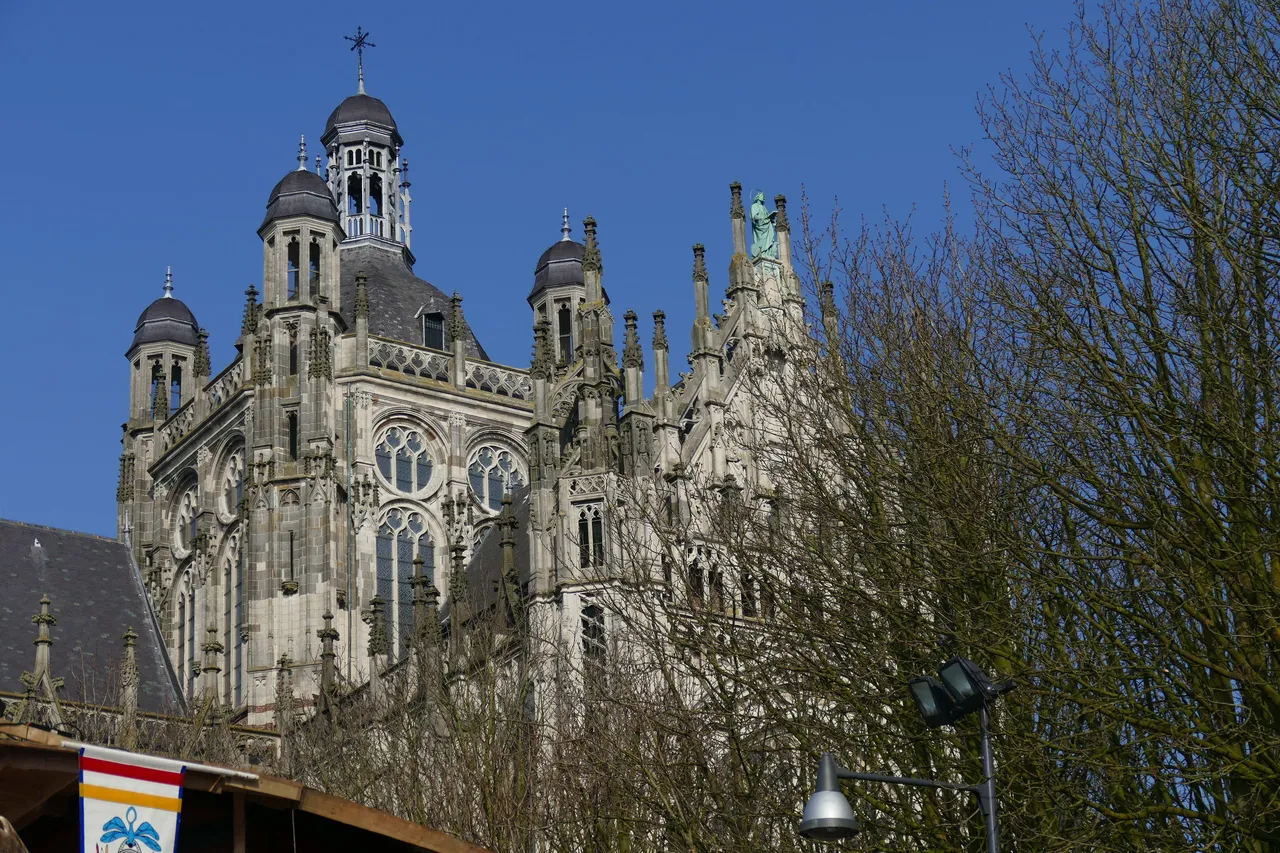
Den Bosch has a coffee culture that fuses centuries‑old trade, craftsmanship and modern flair. Merchant ships brought the first beans to the city in the seventeenth century, and today trendy baristas pull flat whites for thirty‑somethings. This mix makes the city attractive to professionals seeking opportunities in a growing yet saturated market.
A rich history as the foundation
As early as the 1600s the port served as the pivot between VOC sea routes and the hinterland. Coffee was still a luxury then, but demand rose quickly. By around 1775 the city counted nine elegant coffee houses in prime locations, each targeting a wealthy clientele. Falling prices in the mid‑eighteenth century made the drink accessible to a broader audience, even to patients in the Gasthuis hospital.
The family firm De Gruyter started in 1765, grew to 525 shops and three factories, and for decades was the largest Dutch coffee roaster before the chain disappeared in 1976. From 1818 De Drie Mollen also put itself on the map as the country's second roasting powerhouse, with a monumental building that still recalls that glory period.
Modern players and flavors
The third coffee wave firmly settled in Den Bosch starting in 2018. Fortin on Ridderstraat serves single origins daily and already has a second location. DRAB Coffee preaches ‘No boring coffee’ and even sells home espresso machines alongside workshops. The renovated De Drie Mollen building now houses La Jeu Coffee, where owner Larissa Jeunink roasts Fairtrade beans every two weeks in full view of the guests.
Coffeelab, right next to the station, also proves that speed and quality can go hand in hand. Those who prefer to buy green beans will find them at Da Silva on Tramkade, where fresh batches are roasted every week and courses are offered. These entrepreneurs show that authenticity, experience and transparency are crucial for today’s customers.
Events that make the city buzz
Coffee connects the community through recurring initiatives. Koffie bij de Piano has been attracting classical‑music lovers on Sunday mornings for more than twenty years. Open Coffee Den Bosch has been bringing together entrepreneurs every month since 2009. Bossche baristas also score highly in the Misset Horeca Coffee Top 100, with DRAB at number four in 2018 and Restaurant Pollevie at number three in 2015.
Consumer trends and preferences
The Dutch drink an average of 150 litres of coffee per year, and residents of Den Bosch follow that pattern. The norm has shifted from filter to espresso, and cappuccinos after dinner are no exception. The classic pairing of coffee and Bossche Bol, however, remains sacred. At the same time, demand for plant‑based milk, single origins and latte‑art presentations is rising among younger audiences.
Sustainability as a growth engine
In 2024 the municipality signed a seven‑year contract for 119 Fairtrade vending machines and is encouraging reusable cups at events. Coffee grounds are collected for biogas or mushroom projects, despite logistical hurdles after WeenerXL’s collection service ended in 2023. Start‑ups are experimenting with upcycling coffee residue into cups or paper, thereby contributing to the city's circular ambitions.
Opportunities for entrepreneurs
Capitalise on the popularity of plant‑based alternatives by offering oat milk as standard.
Organise cuppings or latte‑art competitions to strengthen community ties.
Use reusable packaging and clearly communicate the CO₂ savings to guests.
Offer combo deals with the iconic Bossche Bol to build tourist loyalty.
Position your own branding around local history for an authentic narrative.
Closing thought
Den Bosch proves that tradition and innovation pair perfectly. A clear heritage, a resilient entrepreneurial mindset and a growing awareness of sustainability turn the city into a showcase for the wider coffee industry. Anyone who invests here in quality, storytelling and circular solutions will find an audience eager to discover new flavours while cherishing old habits.
Coffee culture Den Bosch: history, hotspots, and opportunities
Discover how Den Bosch grew from a VOC harbor into a vibrant coffee scene. Read about sustainable trends, favorite barista hotspots, and opportunities for entrepreneurs.
Disclaimer: We doen ons best om alle informatie in dit artikel zo kloppend mogelijk te houden. Ben je toch iets tegengekomen wat niet (meer) helemaal juist is? Stuur dan een berichtje naar de redactie via redactie@grachtenbeans.nl, dan passen we het aan!
 NL
NL