 NL
Klazienaveen has a down-to-earth coffee culture built around hospitality venues, bakeries, lunchrooms and community centres. Here, coffee connects canal history, hospitality, social encounters and the modern impulse of Barista Cafe.
Roasters in Klazienaveen
Giraffe Coffee Roasters
Keen Coffee
Mocca d'Or
Coffee Bars in Klazienaveen
No coffee bars have been explored yet.
More over Klazienaveen
Coffee Culture in Klazienaveen: Village-style, Social, and Evolving
Klazienaveen doesn’t have a coffee culture that started with espresso bars, micro-roasters, or an urban third-wave scene. The foundation lies much closer to daily life: hotels, cafés, bakeries, lunchrooms, community centers, and meeting spots. Here, coffee is primarily associated with hospitality, trade, work, care, and gathering.
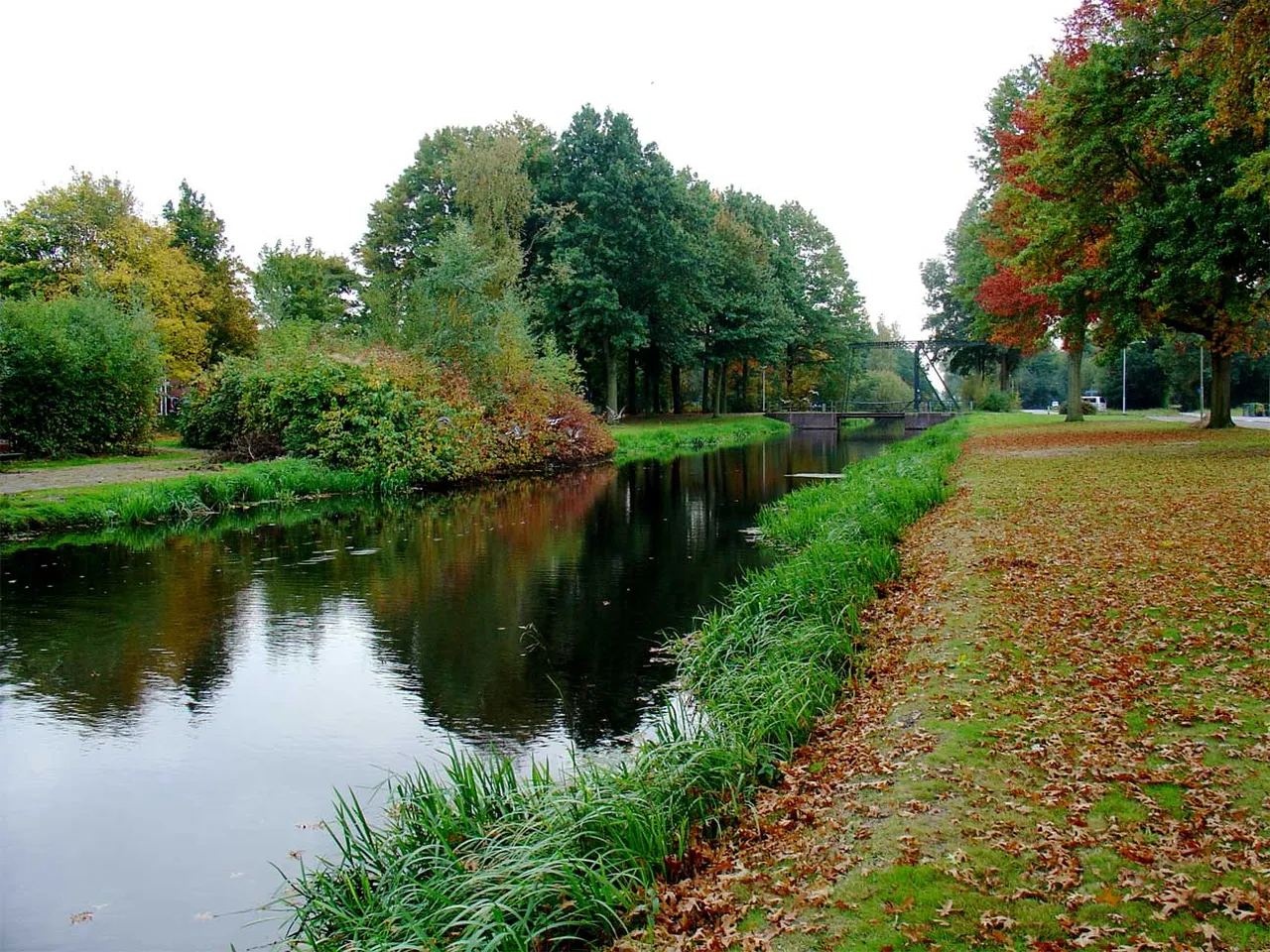
This down-to-earth foundation fits the history of the village. Klazienaveen emerged as a canal village on the Verlengde Hoogeveense Vaart and the Van Echtenskanaal. The town grew from a nineteenth-century peat colony, linked to Willem Albert Scholten and the Smeulveen. As a result, the local hospitality scene feels more practical and community-oriented than metropolitan.
From Canal Trade to Village Hospitality
A form of hospitality emerged early on around the canal. From 1889, the connection with the Scholtenskanaal saw the arrival of a peat factory, hotel, post office, and tram stop. Coffee was likely not a luxury product there, but a part of travel, labor, trade, and hotel stays.
Local memory also points in this direction. Historical hospitality names such as Hotel Klazienaveen-Zuid, Hotel Paulusma, Hotel van Dijk, Le Barrage, zalencentrum Hoff, and café Scholte-Albers remain vital to the village’s story. They provide a more logical basis for the coffee culture than some unknown predecessor of a modern specialty bar.
That this memory is still alive became evident on November 13, 2025. A historical evening about local hospitality drew more than 200 visitors to Esdal College Klazienaveen. Coffee was included with the “5 euro ticket. That detail says a lot: here, coffee acts as an accessible social drink, not a niche product.
The Modern Coffee Scene: Small but Distinct
The current coffee scene in Klazienaveen is compact. There is one clear coffee-focused driver: Barista Cafe Klazienaveen. Alongside it, lunchrooms, bakeries, and eateries sustain the daily coffee culture. Together, they serve shoppers, families, regulars, and visitors who are primarily looking for a pleasant break.
- Barista Cafe Klazienaveen, located at Van Echtenskanaal NZ 530, opened in December 2025 in the former Rabobank building by the waterfront.
- The location features 100 indoor seats and a spacious waterfront terrace.
- The chain uses a Brazilian single-origin house blend from Campo das Vertentes, natural processed and sourced directly from the farmer.
- De Huyskamer at Langestraat 119a is all about homey hospitality, fresh lunch, and personal attention.
- De Witte Olifant offers coffee or tea paired with something sweet in a nostalgic setting, alongside lunch, dinner, and group visits.
- Bakkerij Bos at Langestraat 143 has combined a lunchroom with bread, sandwiches, coffee, and tea since 2018.
De Kombuys on Langestraat is also part of this daytime hospitality scene. The establishment focuses more on lunch and dinner than on specialty coffee. Still, it fits perfectly into the pattern of a shopping street where food, drink, and social connection converge.
Coffee as social glue
In Klazienaveen, coffee is remarkably often about conversation. This happens not only in commercial cafes, but also in community centers and social gatherings. The recurring formula is simple: coffee or tea on the table, followed by connection.
Stichting Noorderbreedte at Meteoor 3 is a prime example of this. The Leut & Teuthuus offers coffee or tea on Monday and Thursday mornings around 10:00 AM as an accessible meeting spot. The Repair Café, every Monday from 2:00 PM to 4:00 PM, adds a sustainable layer to this. Visitors have their belongings repaired, drink coffee, and chat with others.
Gatherings centered around dementia, energy questions, and union themes also use coffee as a starting point. The Alzheimer Café, Energie Café, and FNV Café demonstrate how broad this role is. Coffee opens the conversation, lowers the threshold, and makes information more personal.
Local taste: familiar over experimental
In 2026, Klazienaveen had 12,019 inhabitants. The population is small-town in scale and relatively older. The largest age groups are those between 45 and 65 at 29%, and 65 or older at 24%. Additionally, 34% of households consist of families with children.
This demographic primarily supports traditional coffee formats. Think of cappuccinos, coffee and cake, high tea, lunchroom coffee, and coffee at the bakery. De Huyskamer emphasizes ’gezelligheid’ (coziness), De Witte Olifant focuses on nostalgia, and Bakkerij Bos offers the classic combination of sandwiches with coffee or tea. This points toward comfort, value, and social visits.
Barista Cafe, however, introduces a more modern coffee vocabulary to the village. Terms like barista, single origin, app rewards, breakfast, and high tea converge into one accessible formula. This allows the establishment to broaden expectations without losing that warm, village feel.
“Sustainability: practical and local”
Sustainability in Klazienaveen is primarily practical. There is no known village-wide program for reusable cups, coffee ground composting, or bicycle delivery by a local roaster. However, there are clear signals in policy and behavior.
Since the Dutch SUP rules of July 1, 2023, Barista Cafe has offered a reusable cup option. Guests are also welcome to bring their own cup. A surcharge of €0.15 applies to disposable packaging. Additionally, the chain communicates a direct sourcing claim for their Brazilian house bean.
The Repair Café showcases a different form of sustainability. There, coffee makes repair and reuse social and accessible. Similarly, the local bakery-lunchroom fits into short village routines: groceries, bread, lunch, and coffee all remain close together.
Conclusion: a coffee village with its own rhythm
Klazienaveen is not an established specialty destination, but rather an emerging, low-density coffee district. Its core lies in village hospitality, canal history, bakers, lunchrooms, and community functions. Since late 2025, Barista Cafe has provided a distinct modern impulse. Yet, the local coffee culture remains built primarily on familiarity, conversation, and accessible hospitality.