 NL
Nieuw-Amsterdam does not have a specialty cluster, but it does have a strong coffee culture around cafés, lunchrooms, music, card games and local encounters.
Roasters in Nieuw-Amsterdam
No roasters have been found yet.
Coffee Bars in Nieuw-Amsterdam
No coffee bars have been explored yet.
More over Nieuw-Amsterdam
Nieuw-Amsterdam: Coffee as a Village Ritual
Nieuw-Amsterdam, located in the municipality of Emmen, doesn’t fit the profile of an urban coffee district. Instead, the village illustrates how coffee functions in a Drenthe canal village. Here, coffee is an integral part of lunch, visiting friends, music, card games, shopping, and local gatherings. This makes the coffee culture less spectacular, but precisely that makes it relatable to many Dutch villages.
The picture is clear: Nieuw-Amsterdam has no demonstrable third-wave coffee shop or micro-roaster within its boundaries. The local market revolves around cafés, lunchrooms, and cafetarias where coffee is just one element of a broader sense of hospitality. For entrepreneurs, this provides a down-to-earth but useful insight.
From Canal Village to Café Life
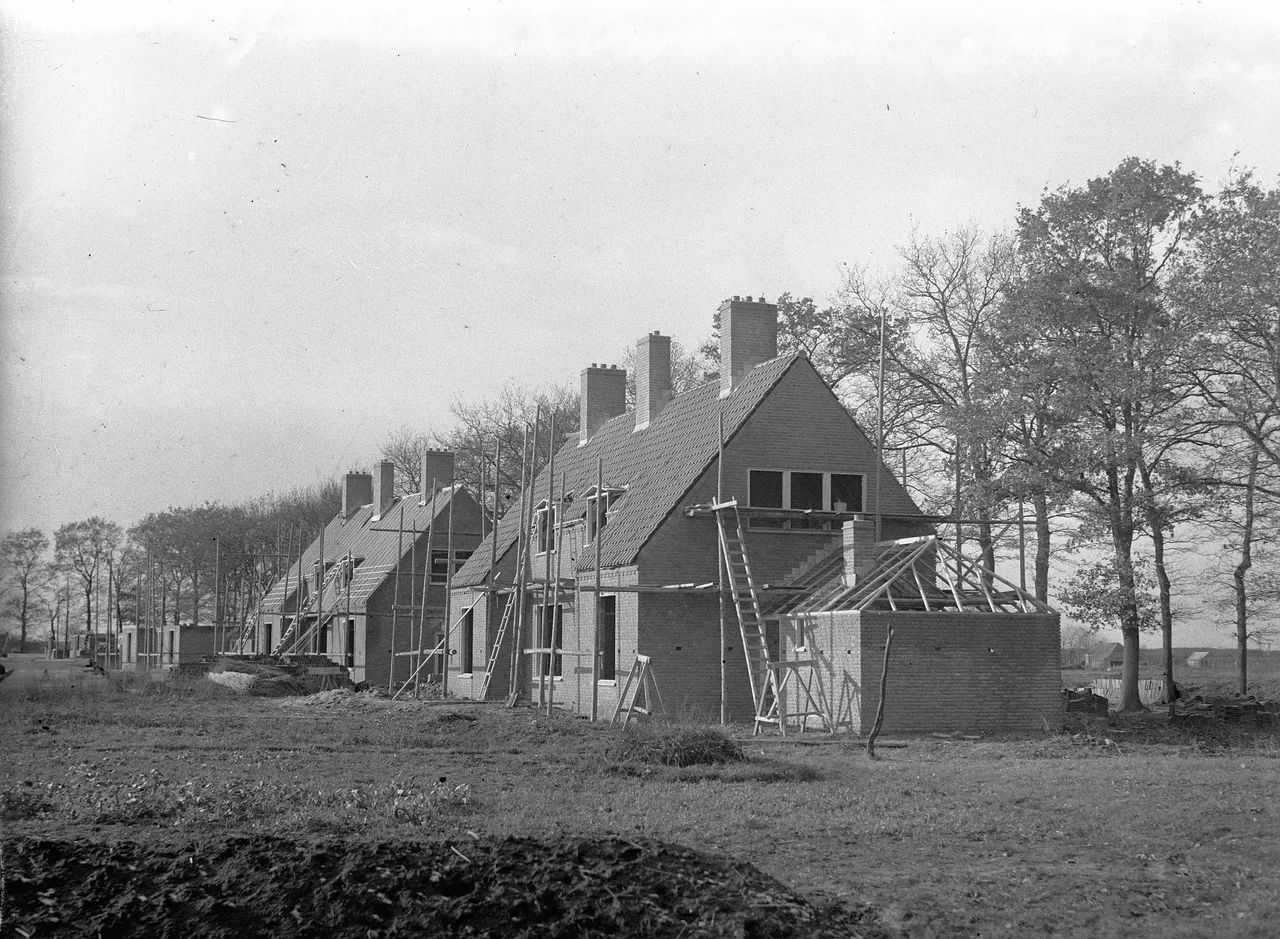
The roots of Nieuw-Amsterdam lie in the nineteenth century. The village emerged when the Drentsche Kanaal Maatschappij extended the Hoogeveensche Vaart toward the Bargerveen. In 1851, the canal reached the peatlands, after which Nieuw-Amsterdam developed around the Vaart and the Zijtak.
These origins explain much of the current hospitality culture. Public drinking moments didn’t grow around coffee craftsmanship, but around work, travel, mail, shops, and village traffic. Historical sources mention no early roaster, coffee house, or academic café. The tradition seems to lie instead with inns, village pubs, lunchrooms, and snack bars.
The strongest example of heritage is Café Postkantoor at Vaart Zuidzijde 67. The building was once a post office from 1908, designed by State Architect C.H. Peters. After a major renovation, it took on a new role as a café. In doing so, the building connects the village’s old civic function with its current social life.
The Key Spots for Coffee and Connection
The modern coffee scene consists mainly of places where coffee accompanies the day. Lunchroom Old Amsterdam at Vaart ZZ 55 is the most prominent location for coffee and lunch. The hot drinks menu includes coffee, cappuccino, latte macchiato, espresso, tea, fresh mint tea, ginger tea, and hot chocolate. The menu reflects standard café prices and a familiar offering.
In the same address cluster, Het Café also plays a role. This establishment is primarily known as a social and evening venue. Local announcements mention performances by the likes of Brassneck Saints, The Logues, and Duo El Jackson. Coffee is not the main product here, but the establishment is still part of the rhythm of the village’s hospitality scene.
Additionally, Foodmaster / Horecacentrum De Viersprong at Zijtak Oostzijde 1 is a good example of hybrid hospitality. The location combines a cafetaria, café, and meeting spot. They offer sandwiches, set menus, soups, pancakes, and snacks. Their game nights also make the place socially relevant.
- Café Postkantoor: Village pub, event venue, and heritage anchor.
- Lunchroom Old Amsterdam: Daytime spot for coffee, lunch, and hot drinks.
- Het Café: Live music and evening hospitality at Vaart ZZ 55.
- De Viersprong: a cafetaria, café, and a regular haunt for card players.
- AnyTyme An De Zijtak: an accessible spot for coffee paired with pastries and snacks.
Coffee as social glue
In Nieuw-Amsterdam, coffee acts primarily as a social glue. A cup of coffee is an integral part of markets, music nights, pub quizzes, card clubs, lunch breaks, and shopping trips. As a result, the cafés are less focused on coffee connoisseurs and more on community gathering. This isn’t a weakness, but rather a different model of value.
Café Postkantoor serves as a key hub. Public announcements highlight live music, ranging from classic to rock, and a monthly open mic session on the first Sunday of the month. This session does not take place in July and August. Additionally, pub quizzes were announced for 2026, with teams of up to six people and an entry fee of ten euros per team.
De Viersprong also fulfills a steady social function. The Klaverjasvereniging Nieuw-Amsterdam plays there on Monday evenings from 8:00 PM to approximately 10:30 PM. The season runs from the first Monday in September to the last Monday in May. Such patterns make coffee a part of routine and community.
A traditional and local flavor profile
The demand for coffee is partly shaped by the demographics. In 2026, Nieuw-Amsterdam has 4,718 inhabitants. Of these, 25 percent are 65 or older and 30 percent are between 45 and 65. Furthermore, 21 percent are 25 to 45, 11 percent are 15 to 25, and 13 percent are younger than 15.
Household data also points to a stable local market. The town consists of 2,085 households, with an average size of 2.3 people. Of all households, 70 percent are multi-person households. Additionally, 71 percent of the homes are owner-occupied. This profile aligns more with steady village consumption than with the fast-paced urban coffee-to-go culture.
The likely flavor profile is therefore traditional and familiar. Think of standard black coffee, cappuccino, latte macchiato, coffee with cake, and coffee after lunch or a meal. There are no clear signals for V60, batch brew, single-origin espresso, guest roasters, or origin communication at the bean level.
Opportunities for sustainability and specialization
What is missing is also striking. No verifiable local program was found for coffee grounds recycling, reusable cups, transparent green beans, or sustainable delivery by bicycle. Sustainability is therefore not yet a visible part of the local coffee identity.
Yet, opportunities exist. The entrepreneurs’ association describes Nieuw-Amsterdam and Veenoord as a twin village with over sixty local shopkeepers, a broad range of hospitality venues, free parking, and strong collaboration. This foundation could enable a shared cup system or the collection of coffee grounds.
For a new coffee player, the conclusion is clear. Nieuw-Amsterdam has no existing specialty cluster, but it does have a strong social network. A small-scale business can distinguish itself with transparent bean sourcing, reusable cups, local partnerships, and coffee that fits the village vibe. The best opportunity lies not in big-city coffee jargon, but in craftsmanship that strengthens the community function.