
 NL
In Rietlanden, coffee is not a lifestyle product, but a familiar part of daily life around shopping, care, sport and recreation.
Roasters in Rietlanden
No roasters have been found yet.
Coffee Bars in Rietlanden
No coffee bars have been explored yet.
More on Rietlanden
Rietlanden: coffee as a daily ritual
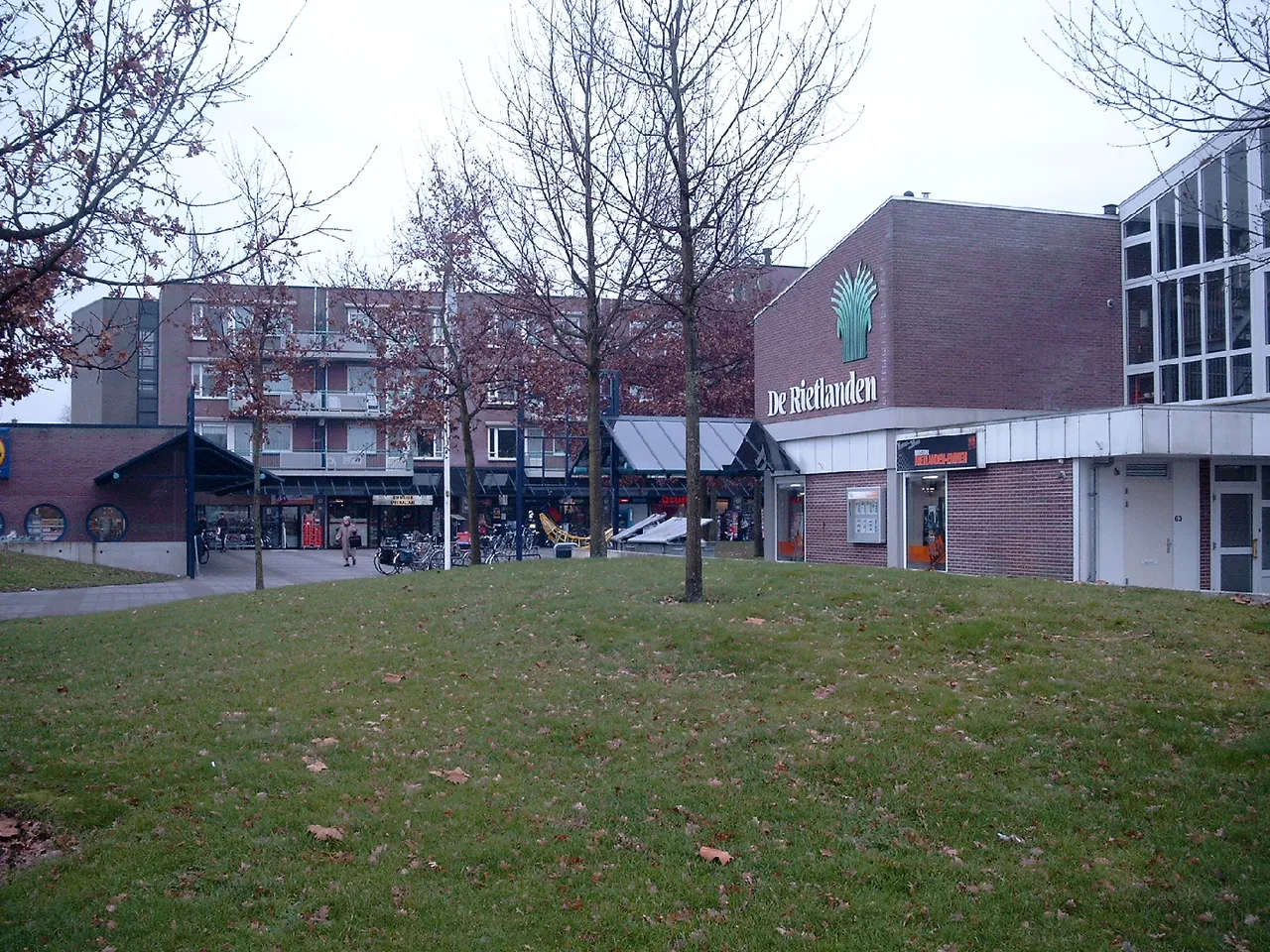
Rietlanden in Emmen has no old café history with bustling coffee houses or a historic hospitality street. The neighborhood emerged as a planned residential expansion in the late twentieth century. Where there was once heathland and later agricultural land, the first residents began moving in from 1984. The shopping center opened in 1988. Consequently, coffee here took on a primarily practical role: during grocery shopping, school runs, sports, healthcare, and recreation.
The coffee culture of Rietlanden is therefore not bohemian or distinctly specialized. It is homely, functional, and strongly connected to the rhythm of a residential neighborhood. Coffee follows the places where people already gather: the bakery, the shopping center, the sports facilities, Valkenhof, and the Kleine Rietplas.
A young residential area without a specialty profile
Rietlanden was primarily developed during the eighties and nineties. The neighborhood association describes the area as a residential district of approximately 304 hectares, characterized by abundant greenery and waterways. In the early years, residents had to travel to Zuidbarge or Bargeres for shops and schools. It wasn’s only with the opening of the shopping center at Valkenveld that the neighborhood gained its own practical heart.
A classic “coffee street” or a local roasting tradition is absent here. There is no verifiable evidence of historical cafés, coffee roasters, or specialty coffee pioneers within the neighborhood boundaries. Even today, Rietlanden does not present itself as a third-wave coffee district; you won’t find a renowned filter bar, micro-roastery, espresso bar, or single-origin concept in the area.
The Key Coffee Locations
The modern coffee scene consists mainly of community-focused eateries and drink spots. The most prominent sit-down location is Restaurant De Rietplas at Kleine Rietplas 1. This establishment has been around for over 25 years, combining a restaurant, cafeteria, lunch, dinner, events, and catering. Hot drinks, specialty coffees, and liqueur coffees are explicitly featured on their menu.
At Valkenveld, Sieben, De Echte Bakker, likely serves as the strongest morning anchor for coffee paired with bread or pastries. Located at Valkenveld 47 within the shopping center, it is open Monday through Saturday. While the business isn’t positioned as a specialty café, it perfectly caters to the residents’ daily coffee needs.
- Restaurant De Rietplas: the most prominent spot for coffee, lunch, and waterfront recreation.
- Sieben, De Echte Bakker: a logical stop for coffee, bread, and pastries while running errands.
- Kwalitaria De Rietlanden: primarily focused on snacks, takeout, and evening visits.
- Snackpoint Annemiek and Pizzeria Sorrento: part of the local food service offering, but not coffee-centric.
Coffee as social glue
In Rietlanden, the social significance of coffee outweighs the commercial coffee scene. Here, coffee serves as a catalyst for community connection, occurring during resident activities, senior gatherings, walking groups, sports, repair workshops, and informal meetups.
The neighborhood association, founded in 1993, plays a vital role in this. Because the formal café options are limited, coffee moments often emerge around volunteer work and community activities. The association presents itself as an organization for, by, and with the residents. This reflects a neighborhood where social infrastructure is more important than a hospitality identity.
Valkenhof at Boomvalk 80 is a clear example. This small care facility operated by Treant consists of 44 care apartments and 40 assisted living homes. Their activities include a coffee hour and a weekly “Golden Coffee” for elderly neighborhood residents. Additionally, the Repair Café operates on Mondays during even-numbered weeks from 10:00 to 12:00. Visitors can help with repairs, tidying up, or pouring coffee.
Demographics drive the taste
Local coffee demand is primarily driven by families, homeowners, seniors, commuters, and daily shoppers. According to AlleCijfers, based on CBS data, Rietlanden will have 8,980 inhabitants by 2026. In 2013, that number was 9,845. The neighborhood has 3,979 homes, 3,940 households, and an average household size of 2.2 people. Of these homes, 78 percent are owner-occupied.
These figures point to a stable, suburban residential environment. Consequently, coffee consumption is primarily convenience-driven. Think of coffee at home, coffee at the bakery, coffee after sports, coffee during a senior activity, or coffee during a lunch by the water. There is no public evidence of strong neighborhood demand for oat milk, light roasts, pour-over menus, or single-origin espresso.
Sustainability: broader than just coffee
Rietlanden has no visible sustainability program specifically centered around coffee businesses. There is no known reusable cup collective, coffee ground project, or bicycle-delivery coffee roaster within the neighborhood. Sustainability manifests primarily through energy, repair, and food waste.
The neighborhood association mentions a working group for the energy transition, with more than 15 residents wanting to contribute to a gas-free future. Additionally, the Repair Café prevents waste by repairing appliances and bicycles. At Sieben at Valkenveld 47, food waste is addressed via leftover bread packages on Too Good To Go. While not coffee-specific, this is highly relevant for a coffee-adjacent business.
Conclusion: not a hotspot, but meaningful
Rietlanden is not a coffee destination in the classic sense. In fact, that is the core of its profile. Coffee here is not a lifestyle product, but a reliable part of daily life. For hospitality entrepreneurs, roasters, and coffee suppliers, the opportunity lies not in a hip image, but in convenience, community ties, senior-friendly moments, and strong pairings with bread, lunch, care, and recreation.