
 NL
Schoonebeek does not have a busy specialty coffee scene, but it does have a strong village culture around coffee, cake, hospitality venues, clubs and meeting up.
Roasters in Schoonebeek
No roasters have been found yet.
Coffee Bars in Schoonebeek
No coffee bars have been explored yet.
More over Schoonebeek
Schoonebeek: coffee culture with a village character
The coffee culture of Schoonebeek, within the municipality of Emmen, does not resemble that of a city with espresso bars, single-origin menus, and laptop tables. The profile from May 5, 2026, instead shows a village where coffee is primarily synonymous with hospitality. Coffee exists alongside pastries, lunch, club life, family visits, and local festivities. This makes Schoonebeek interesting for coffee connoisseurs who look beyond the well-known third-wave cafés.
The foundation of this culture lies in general hospitality. Historical data does not point to a strong tradition of standalone coffee houses or local roasteries. Instead, the same image recurs: cafés, bakeries, hotel-restaurants, halls, and meeting places were the spots where coffee was served. Thus, from the beginning, the coffee market was strongly linked to social functions.
From oil and peat village to a hub for hospitality
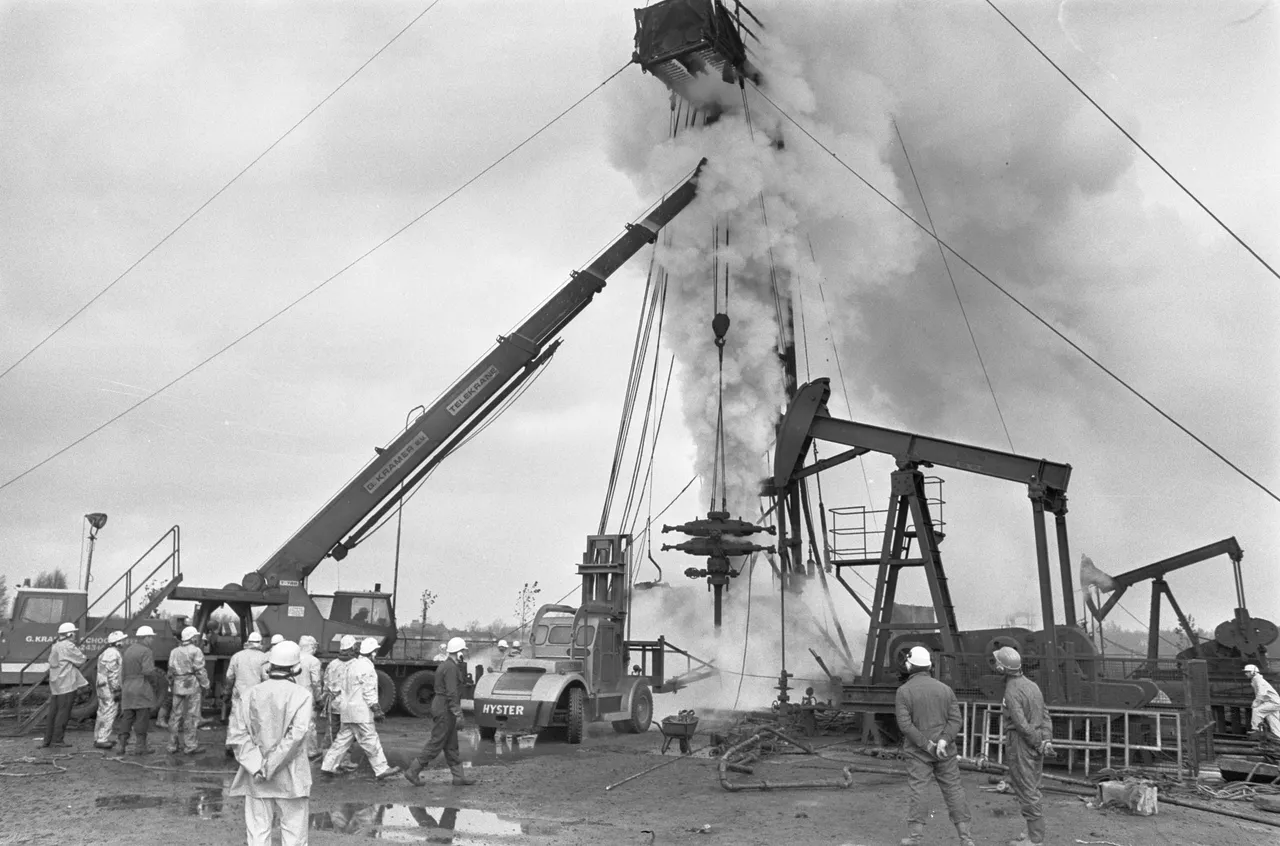
Following the arrival of the NAM in the late 1940s, Schoonebeek underwent a dramatic transformation. The impoverished agricultural village evolved into a more prosperous “oil town”, bringing jobs, improved roads, more leisure time, and increased spending power. This development gave the hospitality sector a clear purpose; employees, families, travelers, and local clubs needed places to eat, drink, and gather.
Café-Restaurant Dorgelo at Europaweg 93 serves as a vital anchor in this regard. By 2019, the establishment had already been in existence for a century, led by Jolanda Dorgelo, the third generation of the family. The history of Europaweg 40 also illustrates how closely the café and bakery were linked in the past, with mentions of Café Oostindiën, a bakery, and the Dorgelo name.
The village’s peat-cutting past also plays a role. Turfcafé at Kanaalweg 18 is housed in a former peat litter factory dating back to 1926. Since 1978, the building has served a hospitality function. Initially, it primarily attracted tourist buses exploring the peat landscape, but over time, the focus shifted toward parties, group events, and curated packages.
The current coffee scene: little specialty, many traditional staples
Within Schoonebeek itself, no verifiable specialty coffee bars, third-wave shops, or micro-roasteries were found. The current coffee market is primarily embedded within existing village functions: bakery coffee, lunch coffee, post-dinner coffee, coffee during meetings, and coffee for groups. While the beverage is important, it is rarely the primary product.
Key landmarks in the village landscape
- Sieben, De Echte Bakker, at De Pallert 30, is the most prominent spot for coffee and cake during the day.
- Café-Restaurant Dorgelo at Europaweg 93 represents the classic village café, offering lunch, dinner, a lounge area, a bowling alley, and a liquor store.
- Turfcafé at Kanaalweg 18 focuses primarily on reservations, parties, and event packages that include coffee.
- MFC ’t Aole Gemientehoes at Kerkeind 1 is not a commercial coffee bar, but it is an essential community center with a bar, kitchen, and various activities.
This mix sends a clear signal to entrepreneurs. Schoonebeek does not have a dense network of coffee bars, but it does have established moments when people drink coffee. It is about familiar consumption, regular faces, and pairings with food or activities. For a café owner or roaster, this presents a very different market dynamic than that of a bustling city center.
Coffee as community culture
The social role of coffee is strong in Schoonebeek. Coffee is intrinsically linked to club life, senior activities, local decision-making, and celebratory moments. ’t Aole Gemientehoes positions itself as an open community center with activities for and by the residents. Consequently, coffee there functions primarily as a catalyst for social connection, rather than a product designed for high turnover.
Local events further reinforce this pattern. Stichting Horeca Pallertplein was established by local hospitality entrepreneurs to bring more buzz to the village. The NAM Curling Cup 2025–2026 demonstrates just how significant these peaks can be, featuring four curling rinks with capacity for 144 to 180 teams.
At the same time, the closure of De Buur’n at De Pallert 32 highlights how vulnerable these spots can be. The café-restaurant and snack bar closed on July 4, 2025, after 23 years. For many residents, it was a cherished local haunt, underscoring how powerful hospitality can be in a village when it serves as an extension of the living room.
Demographics and Taste: Practical, Loyal, and Local
The population demographics support this image. In the Schoonebeek neighborhood, 28 percent of residents are 65 or older. Another 28 percent fall into the 45 to 65 age group, while only 10 percent are between 15 and 25. This points toward a market for morning coffee, lunch breaks, and community activities, rather than a student-driven café culture.
The neighborhood consists of 3,798 residents and 1,690 households, with an average household size of 2.2 people. Additionally, 72 percent of the homes are owner-occupied. This indicates a stable housing market with loyal regulars, rather than a high volume of transient passers-by. In 2025, there were 280 establishments, 45 of which were in trade and hospitality.
The taste preferences are equally clear. Demand seems to center on solid coffee paired with bakery products, lunch, dinner, or group packages. Turfcafé, for example, offers coffee with turfkoek, traditional pot coffee, and Drentse afsluitkoffie served from field kettles with brown candy sugar and chocolate. This is about comfort, ritual, and familiarity.
Sustainability: Not yet a coffee theme, but plenty of opportunity
Coffee-specific sustainability initiatives are not visibly documented in Schoonebeek. There is no public evidence of a local reusable cup system, coffee ground recycling project, bike delivery, or sustainable coffee roastery in the village. However, there are nearby examples: Turfcafé repurposes heritage, while ’t Aole Gemientehoes bundles social functions into one shared facility.
The broader residential environment does show signs of sustainability. In 2024, 64 percent of homes in the Schoonebeek neighborhood had solar panels. For coffee entrepreneurs, there is a striking gap here. A simple local system for reusable cups, coffee ground recycling, or transparent origin information would stand out immediately. Schoonebeek may not have a bustling coffee scene, but it offers a recognizable village market with room for smart, fitting innovation.