
 NL
In Weerdinge, coffee culture revolves around meeting up, hospitality and regular village moments. Coffee connects residents through the café, community centre, sport and events.
Roasters in Weerdinge
No roasters have been found yet.
Coffee Bars in Weerdinge
No coffee bars have been explored yet.
More over Weerdinge
Weerdinge: Coffee Culture as a Village Ritual
Weerdinge, a district north of Emmen, has no recognizable specialty coffee scene. That is precisely the heart of the story. Here, coffee doesn’s vitality doesn’t come from micro-roasters, latte art competitions, or bustling espresso bars. Instead, the brew is primarily about connection, welcome, and the fixed rhythms of village life.
For coffee professionals, Weerdinge therefore serves as a useful case study. It demonstrates how coffee culture outside of urban centers can revolve around social function rather than product innovation. Local demand is small, familiar, and deeply intertwined with community associations, the village hall, local hospitality, and events.
Historical Foundations: Village, Café, and Hospitality
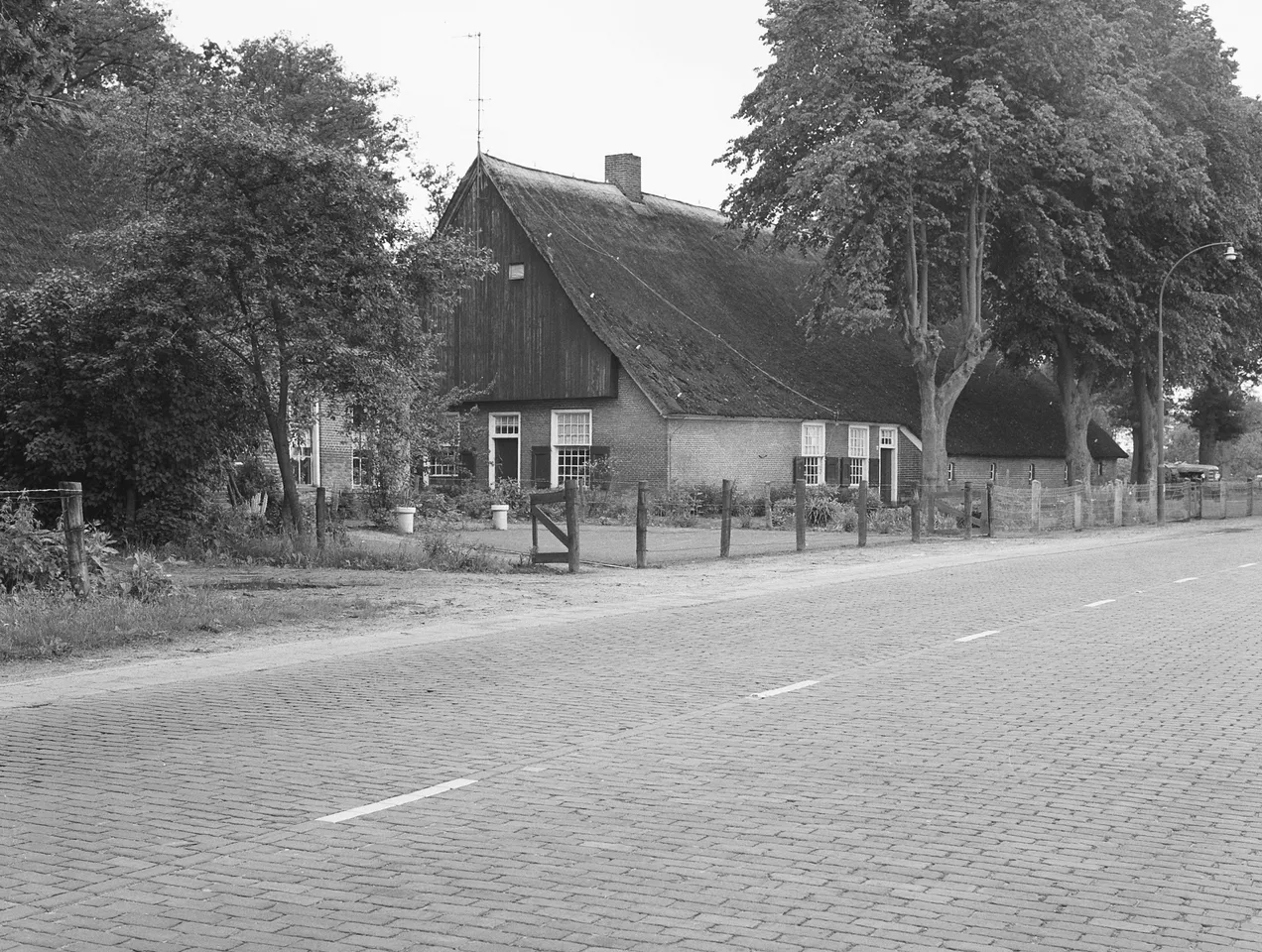
Weerdinge is described as an old Hondsrug es-village, with mentions dating back to 1327 under names such as Werdingen and Weerdinghen. In the nineteenth century, the village featured a school, shops, and a café. This suggests that coffee was part of general village trade and hospitality.
The arrival of the railway in 1905 did not trigger rapid growth or a dense strip of hospitality venues. Consequently, no urban “coffee street” with numerous cafés ever developed. While the local food history is evident in the De Hondsrug mill and the grain economy, no evidence has been found of a historical coffee roaster or specialized coffee trade within Weerdinge itself.
The most prominent hospitality anchor is Café Weerdinge at Dorpsstraat 45. According to public records, this “bruin café” has existed for about eighty years. The venue fits a broad village model: coffee, beer, gatherings, family celebrations, courses, lunches, dinners, and high tea all come together under one roof.
Where Coffee Matters Today
The modern coffee scene in Weerdinge is small and practical. There is no verifiable specialty bar or micro-roaster within the village boundaries. Nevertheless, there are several places where coffee plays a clear role in the daily and social infrastructure.
- Café Weerdinge remains the central village hub for gatherings, celebrations, and meals.
- Flanagan’s at Dorpsstraat 25 has been an Irish restaurant with a cozy atmosphere since 2016.
- Dorpshuis Weerdinge at Emmerhoutstraat 1 serves as an accessible community meeting point.
- V.V. Weerdinge at Sportpark De Luwte provides coffee via the canteen during sports and activities.
- Wombat Tea and Het Kookgebeuren are mentioned in older village newsletters, but current public confirmation is sparse.
This mix reveals an important pattern. In Weerdinge, coffee is not a standalone retail concept, but rather a service centered around other goals. People gather for meetings, football matches, village days, dinners, or parties. Coffee simply makes those moments softer, warmer, and more welcoming.
Coffee as social glue
The strongest examples come from village life itself. During the 2024 WOW Festival, coffee was served to participants following the stone-laying ceremony for new residents. Cake was also offered at the Dorpshuis. Here, coffee literally marked the moment new residents were welcomed into the community.
The July 2024 village newsletter also mentions coffee and apple cake as the starting point for a village program. Afterward, participants dispersed to V.V. Weerdinge, Flanagan’s, and Café Weerdinge. This pattern is telling: coffee opens the day, after which social life spreads across various village hubs.
The Dorpshuis plays a constant role in this. It has weekday opening hours and remains open in the evenings around specific activities. For residents, this is likely more important than a commercial coffee bar. The value lies in accessibility, familiarity, and repetition.
Target audience and flavor profile
The demographics help explain why a classic coffee culture is logical here. In 2026, Weerdinge had 609 inhabitants, 245 homes, and 250 households. 90 percent of these homes were owner-occupied. This low density limits the market for daily specialty coffee traffic.
The age distribution also points toward a preference for the familiar. In 2026, 27 percent of residents were 65 or older, and 26 percent fell into the 45 to 65 age group. In 2025, 80 percent of households were multi-person households, 38 percent of which had children.
Furthermore, there are no secondary schools, vocational colleges, or universities in the immediate vicinity. Consequently, there is no “campus rhythm” characterized by takeaway coffee, study cafes, or quick latte consumption. Signals from local texts point instead toward standard coffee, tea, cake, apple cake, high tea, and coffee served during fixed social gatherings.
Sustainability: no formal coffee system, but points of opportunity
No concrete, coffee-specific sustainability program was found in Weerdinge. There are no known local plans regarding coffee ground composting, reusable cups in cafes, traceable beans, or bicycle delivery. However, broader opportunities do exist.
In 2018, the Dorpshuis installed solar panels and worked on a wind turbine and battery pack, aiming for an energy-neutral and gas-free community center. Additionally, the event policy in Emmen asks organizers to prevent environmental damage, leave sites clean, and limit plastic waste.
For a future coffee entrepreneur, there is a clear lesson here. An urban third-wave format does not fit naturally. A more promising approach would be a modest model featuring filter coffee, cake, senior- and family-friendly service, reusable cups at events, and collaboration with the Dorpshuis and V.V. Weerdinge.
Conclusion for the coffee sector
Weerdinge demonstrates that coffee culture isn’t always visible in menus, roasteries, or barista concepts. Sometimes, the value lies in the ritual itself. Coffee is there after a ceremony, during a card game, around a football match, or at the start of a village day.
The core issue, therefore, is not a lack of specialty coffee, but rather that coffee plays a different role here. In Weerdinge, coffee is the quiet engine of community bonding: simple, social, and closely interwoven with the places where residents continue to meet.