
 NL
NL Westenesch has no specialty coffee bars; coffee mainly plays a social role at the riding school, B&Bs and village activities. For third-wave experiences, people head to Emmen, while the local focus is on efficiency and sustainability.
Roasters in Westenesch
No roasters have been found yet.
Coffee Bars in Westenesch
No coffee bars have been explored yet.
More over Westenesch
Westenesch at a glance
Westenesch, located on the western edge of Emmen, has a small-scale, village character. The hamlet has no specialty coffee bars or micro-roasteries within its borders. Coffee appears primarily as part of social life, for example in canteens, during village activities, and during B&B breakfasts. For a third-wave experience, residents and visitors head toward Emmen-centrum. The result is a down-to-earth, community-oriented profile where coffee primarily serves as social glue.
Heritage and roots
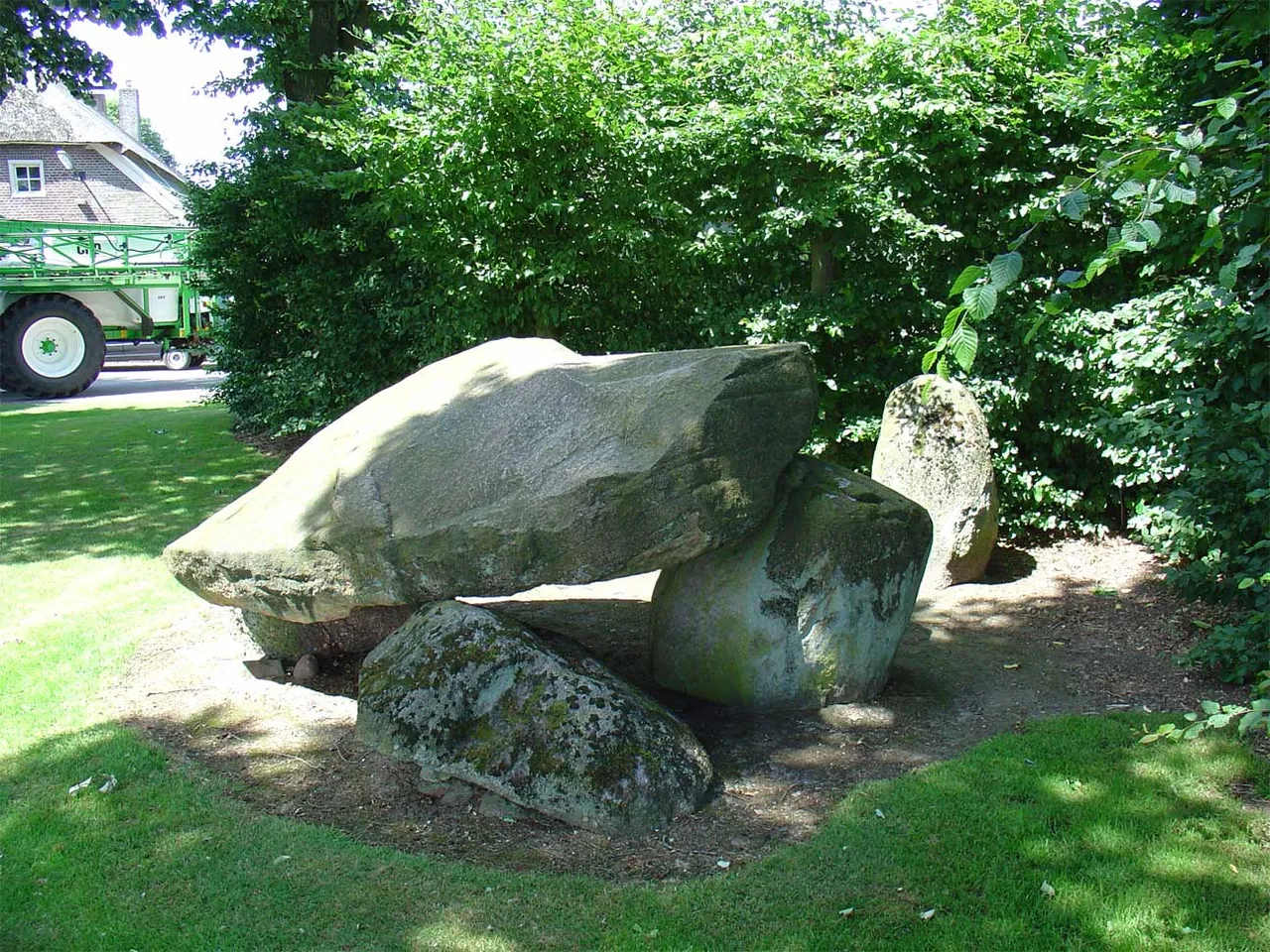
The historical identity of Westenesch revolves around its past as an esdorp and two prehistoric dolmens. It is not the hospitality sector, but the built heritage that has shaped the image of the place. The designation as a protected village cityscape followed on December 17, 1991, covering 26 hectares. This status underscores the cultural-historical value of the landscape and sets a high bar for new commercial developments.
Hunebed D44 is located on a property at Schietbaanweg and is unique as the only privately owned dolmen in the Netherlands. Westenesch is part of “Kern Emmen Noord“ and is officially listed as “non-urbanized”. The low urban density helps explain why a classic café strip is missing and why coffee culture here remains primarily domestic and village-like.
Contemporary coffee scene
Within the neighborhood boundaries, there are no dedicated specialty coffee bars. Coffee is offered in multi-functional environments, with an emphasis on sports, lodging, and community life. The following locations color the daily practice:
- Ruitersportcentrum De Eekwal, Heirweg 17, 7814 TD Emmen, featuring a canteen and hall “De Ruif” of 120 m², including a bar and kitchen.
- B&B Westenesch, Westenesscherstraat 85, 7814 TB Emmen, where coffee is part of the breakfast for guests.
- Alie’s B&B, Westenesscherstraat 38, 7814 TA Emmen, small-scale lodging “in Westenesch” with breakfast moments.
- Dorpsbelangen Westenesch, Westenesscherstraat 114, 7814 TC Emmen, with para-commercial hospitality for its own activities.
These addresses provide consumption moments centered around sports, overnight stays, and community activities. Demand concentrates around peak moments, rather than the steady flow throughout the day typical of city centers.
Community Rhythms and Consumption Patterns
The equestrian center serves as the social heart of the community. “De Ruif“ hosts local gatherings, ranging from workshops to club days. The canteen provides beverage services during school visits, pony camps, and events. This creates a stable pattern of coffee consumption tied to scheduled activities, rather than spontaneous foot traffic.
Dorpsbelangen Westenesch frequently organizes social events, such as pub quiz nights and seasonal workshops. Coffee is always part of the mix, though not as a specialty. Hikers on the Suydeveltpad also choose B&B Westenesch as a stopover, meaning morning coffee is primarily linked to breakfast rather than standalone cafés.
Demographics and preferences
In 2025, Westenesch has 175 residents across approximately 70 homes. About 87 percent are owner-occupied, indicating a stable, family-oriented demographic and established home routines. Consequently, consumption peaks at home and during village activities. The protected village landscape and its “non-urbanized” classification limit retail density and hinder the formation of a specialty coffee cluster.
For single origin pour-overs or guest roasters, the public heads to Emmen-centrum. A notable example is Barista Cafe at Hoofdstraat 55 in Emmen. This confirms the satellite nature of Westenesch, where an appreciation for quality coffee exists, but the purchase and experience take place outside the neighborhood.
Sustainability around coffee
Sustainability in Westenesch takes a collective form. Coöperatie Zon op Westenesch U.A. has operated a solar roof at Westenesscherstraat 70–70B since 2022, with a capacity of approximately 0.076 MW and an annual yield of about 68.4 MWh. The roof is located on the CWV Emmen premises. In practice, this power can supply energy to small facilities or event venues.
Waste management aligns with circular coffee practices. Area Afval allows coffee grounds and filters to be disposed of via the organic waste stream, simplifying composting for households and small venues. In 2025, the municipality is emphasizing rules regarding plastic cups at events, pushing organizers toward reusable systems. Regionally, the social roaster Drents Bakkie encourages circular impact, including the collection of coffee grounds for soil improvement, providing a nearby sustainable supplier.
Implications for Professionals
The demand profile opens targeted opportunities. Event catering around equestrian and village activities benefits from reliable filter coffee and efficient service. B&B’s require consistent breakfast propositions that balance quality and speed. Suppliers can offer packages tailored to peak service and limited storage. Collaborating with De Eekwal and Dorpsbelangen increases volume during scheduled peaks.
- Align offerings with peak moments at “De Ruif“ and during club days.
- Provide B&B’s with local or regional branding and simple preparation methods.
- Link coffee ground collection to organic waste and circular initiatives, for example via Drents Bakkie.
- Align equipment choices with regulations for reusable cups at events.
- Explore power consumption or profiling via the local solar roof as a sustainability narrative.
Final Thoughts
Westenesch possesses a minimalist, community-driven coffee culture. While there are no specialty bars within the neighborhood, there is consistent coffee at the equestrian center, during village activities, and at the breakfast tables of B&B’s. The historical and spatial context keeps retail compact. For a Third Wave experience, Emmen-centrum is nearby, while locally, efficiency, hospitality, and circular choices are what make the difference.