 NL
Oud-Oost does not have a clearly defined specialty coffee scene, but coffee does play a social role in community rooms, sports cafés, cafeterias and everyday encounters.
Roasters in Oud-Oost
No roasters have been found yet.
Coffee Bars in Oud-Oost
No coffee bars have been explored yet.
More over Oud-Oost
Oud-Oost: Coffee Culture Without the Specialty Label
Oud-Oost in Leeuwarden doesn’t read like a polished specialty coffee district. While located close to the city center, it feels primarily like a residential and working-class neighborhood. The area includes the Vlietzone, OldegalileBK;n, Bloemenbuurt, Cambuur, Zeeheldenbuurt, Indische Buurt, Molenpad, and Welgelegen.
The core of the profile is clear: no verified specialty coffee bars or micro-roasteries were found within Oud-Oost. Here, coffee mostly appears in social centers, sports bars, cafeterias, and cake counters. For entrepreneurs, this isn’t a weakness, but a sharp market signal.
From Waterfronts to Community Centers
The coffee roots of Oud-Oost aren’t found in academic coffee houses or Third Wave traditions. The neighborhood aligns more with a traditional Dutch mix of inns, “brown cafes”, football bars, and social spaces. In these spots, coffee was simply one practical drink among beer, food, conversation, and neighborhood affairs.
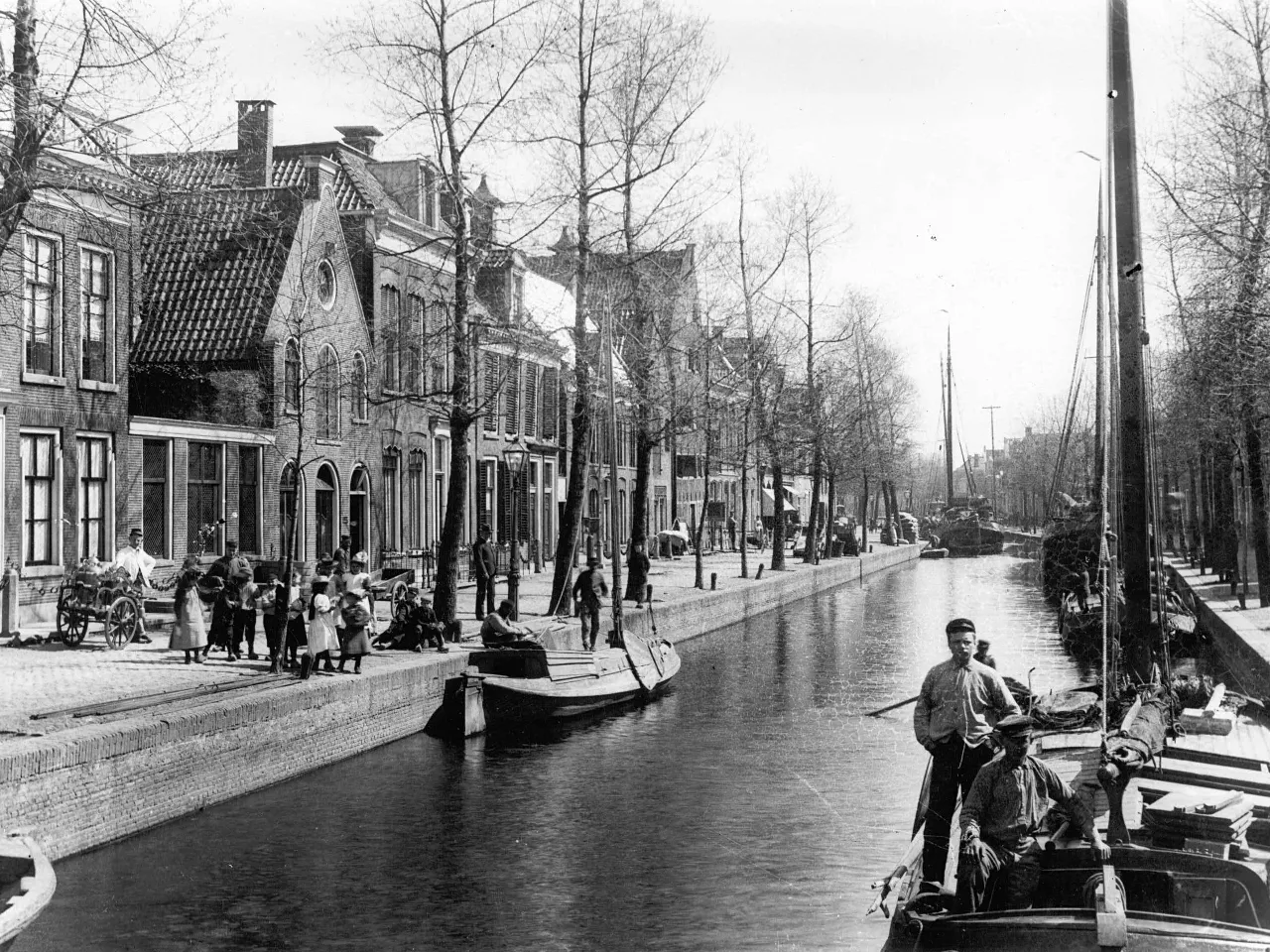
The Vlietzone played a major role for a long time. For centuries, the Vliet served as an economic and social axis, home to warehouses, small businesses, and residences for artisans, skippers, and merchants. This fostered a daily, affordable drinking culture rather than a formal coffee scene.
The identity of the neighborhood also plays a part. Oud-Oost was characterized by laborers, artists, and those living on the fringes of the city. That free-spirited and raw neighborhood identity resonates in today’s coffee culture: accessible, social, and less focused on origin, branding, or design.
Historic hospitality remains visible. Café Blauwhuis on the Hoekstersingel is considered an important old cafe on the western edge of the district. Similarly, the memory of herberg De Bleek shows that the public drinking culture emerged from inns and neighborhood cafes rather than dedicated coffee houses.
The Modern Players: Social, Sporty, and Practical
The current coffee scene in Oud-Oost is thin when it comes to specialty coffee. Yet, there are clear spots where coffee plays a role. That role is usually practical or social, and rarely purely gastronomic.
- Netwerkcentrum De Klomp, Cambuurplein 44: coffee as a social gateway, open Monday through Thursday from 10:00 to 15:00.
- Café Cambuur, Insulindestraat 44-48: a quintessential sports and neighborhood cafe featuring darts, poker, and a strong Cambuur identity.
- Tom’s Cafetaria, Cambuurplein 1a: coffee to go, cappuccino, latte macchiato, and caramel latte ranging from “€2.95 to €4.95”.
- MultiVlaai Leeuwarden, Cambuurplein 3: coffee, tea, or cappuccino paired with vlaai.
- Café Blauwhuis, Hoekstersingel 1: primarily relevant due to its continuity, local nostalgia, and classic hospitality.
These locations illustrate a neighborhood where coffee isn’t sold as a destination. Instead, coffee supports social encounters, convenience, sports culture, and daily routines.
Coffee as social glue
In Oud-Oost, coffee is less about laptops, filter bars, or cuppings. It serves primarily as an excuse to step inside. A cup of coffee opens the door to assistance, conversation, volunteering, language practice, sports, or community activities.
De Klomp fulfills a clear “living room” function here. Residents, volunteers, students, and professionals gather there. Similarly, Buurthuis Tjerk-Hiddes on the Tjerk Hiddesstraat offers activities such as language lessons, creative afternoons, billiards, klaverjassen, bingo, and senior afternoons.
The events are primarily social. A chess initiative at De Klomp was free and included coffee or tea. A low-threshold philosophy café near the old Cambuurstadion also fits this pattern. These are coffee moments, but not specialty events.
This makes the absence of filter clubs, latte art jams, and roastery nights striking. A new specialty player in Oud-Oost wouldn’t be stepping into an existing habit, but would have to build a new culture from the ground up.
A local taste with clear boundaries
The demographics explain a lot. In 2026, Oud-Oost will have 12,517 inhabitants, 7,233 dwellings, and 7,765 households. The average household size is 1.6 people. Additionally, 63 percent of the housing stock consists of rental properties, with an average WOZ-value of “€199,000” in 2025.
Many residents live alone, and students play a visible role through subletting. Consequently, the demand for coffee seems to lie primarily in affordable take-away, familiar milk-based drinks, and flexible meeting spots. There is no clear menu evidence for pour-overs, light single-origin branding, or strong oat milk profiling within the neighborhood.
Around Cambuurplein and Insulindestraat, the Cambuur identity creates its own peaks. The old stadium, Café Cambuur, and the planned Nieuw Oud Oost keep the local feeling strongly present.
Sustainability surrounding the coffee
There is no verified coffee-specific program for reusable cups, coffee ground composting, or bean delivery by bike. Yet, sustainability is present within the broader environment of the coffee culture.
Reparatiecafé De Klomp repairs small electrical appliances every other Monday morning. The “Opgeruimd staat netjes” initiative sends volunteers into the neighborhood every other Tuesday equipped with bags and litter pickers. Werkplaats Oud-Oost offers bicycle repair, woodworking, metalwork, garden maintenance, and computer repair.
The spatial future also offers opportunities. The Vlietzone is focusing on facade gardens, greener streets, and more trees. On the former Cambuurstadion site, Nieuw Oud Oost is set to evolve into a green urban neighborhood featuring approximately 550 homes, energy-efficient construction, pathways, squares, and a park.
For coffee players, the lesson is clear. Oud-Oost doesn’t ask for prestige first, but for proximity. Those who want to grow the coffee culture here should start with the community room, the sporting event, the tosti, the slice of vlaai, and the conversation around the table.