
 NL
Sonnenborgh and the surrounding area do not have a classic specialty coffee street, but they do have a clear coffee profile shaped by NHL Stenden, community rooms, study spots and sustainable routines.
Roasters in Sonnenborgh e.o.
No roasters have been found yet.
Coffee Bars in Sonnenborgh e.o.
No coffee bars have been explored yet.
More on Sonnenborgh e.o.
Sonnenborgh e.o.: coffee culture without the classic coffee street
Sonnenborgh e.o. in Leeuwarden shows that coffee culture doesn’t always start with an espresso bar on a busy shopping street. This profile focuses on the CBS district WK008030, including Bonifatius, Magere Weide, Rengerspark, Sonnenborgh, Transvaalwijk, Valeriuskwartier, and Vogelwijk. This broad definition is important because most visible coffee spots are located around Rengerslaan 8–10, near the NHL Stenden campus.
The core finding is clear: no independent specialty coffee bar or micro-roastery could be identified within the neighborhood. Leeuwarden’s public specialty scene is primarily concentrated in the Binnenstad, featuring names like Fer Koffie, Kofje, NØRD, and Doppio. As a result, Sonnenborgh e.o. has a different profile. This neighborhood revolves around campus coffee, study breaks, community connection, and daily convenience.
Historical roots: greenery, living, and gathering
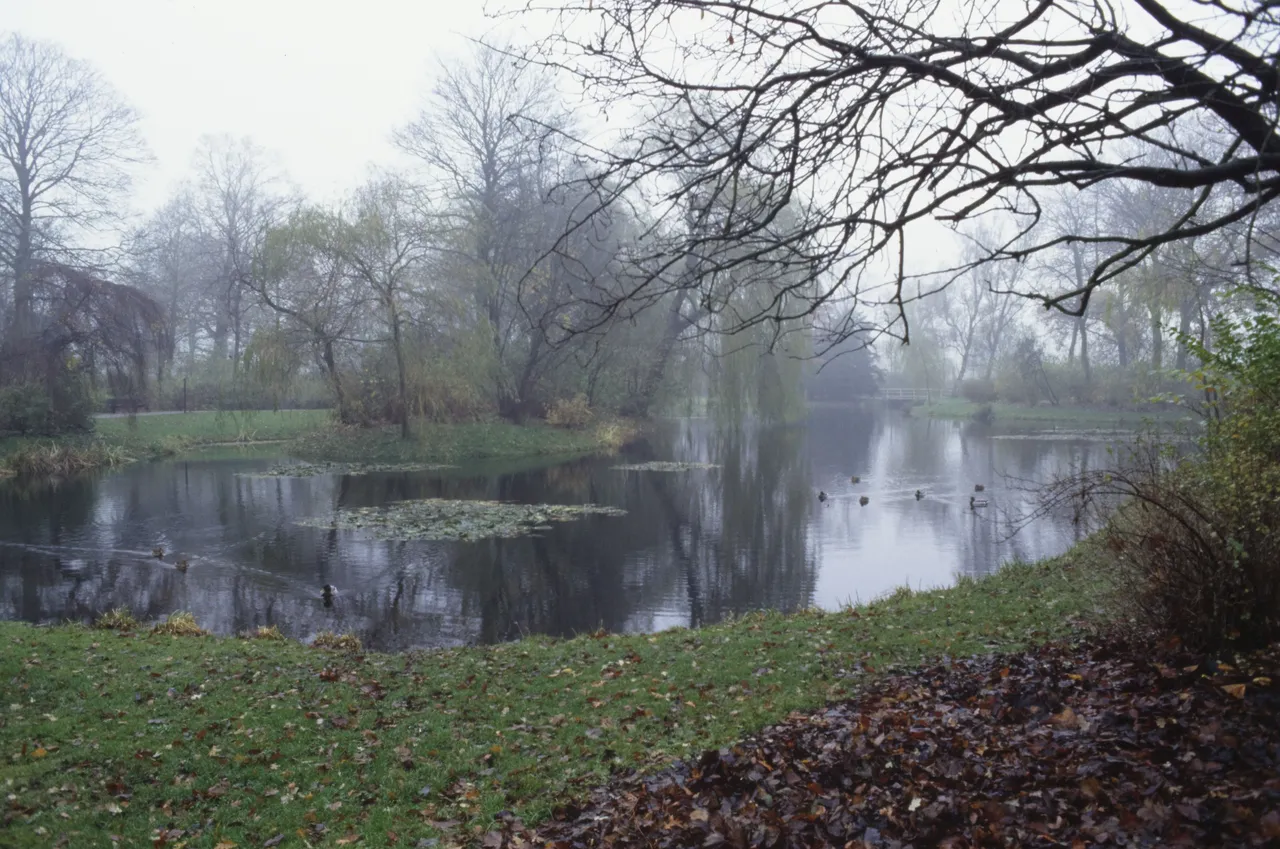
Historically, Sonnenborgh e.o. did not evolve into a classic hospitality district filled with “brown cafes” and coffee houses. Its identity emerged around residential streets, healthcare, education, sports, and green spaces. Rengerspark, designed by H. Copijn and opened in 1906, provided a public walking area just above the old city center. Here, coffee was associated with tranquility, visiting, and meeting rather than commercial cafe culture.
The memory of the former ice rink area around Dekamastraat and Bleekerstraat also fits this picture. The atmosphere there was defined by “koek-en-zopie” (traditional winter treats), not permanent coffee bars. An image from 1925, showing children at a koek-en-zopie stall, later found a place in the neighborhood’s street art route. Additionally, Herberg De Gouden Bal stood near Noordersingel and Singelstraat, linked to winter events known as “Achter de Gouden Bal”.
Transvaalwijk was built roughly between 1870 and 1940 and later became connected to higher education and the knowledge campus. Consequently, coffee culture shifted toward canteens, study spots, and informal meeting points. Archives regarding old coffee houses, roasters, or early specialty pioneers within the neighborhood remain scarce.
The campus as the daily coffee engine
Today, the center of gravity for coffee clearly lies with NHL Stenden and Hotel Management School Leeuwarden. Rengerslaan 8–10 is the decisive coffee hub of the neighborhood. These locations are not just points of sale, but also spaces for breaks, work, socializing, and education.
- Central Brew, Rengerslaan 8, is located in the central hall and focuses on coffee, snacks, and quick study breaks.
- Espresso Bar, Rengerslaan 8–10, serves locally roasted fairtrade beans, with decaf available upon request.
- Café Brandstof, Rengerslaan 10, offers booths, Chesterfield sofas, and armchairs for studying and conversation.
- Café BRÛZE, Rengerslaan 8–10, combines food, coffee, conversation, and community.
- Bar Wannee, Rengerslaan 8, serves as a key public-facing location for the hospitality school.
Central Brew fits perfectly into the campus logic. With its strategic placement near seating areas, QR ordering, and robot delivery, coffee here is fast and functional. Students don’t even need to leave the building for a break. The Espresso Bar is the most “specialty” spot in the neighborhood, thanks largely to its local branding, fairtrade beans, and a choice of soy, oat, and dairy milk.
Coffee as social infrastructure
In Sonnenborgh e.o., coffee acts primarily as “soft infrastructure.” It supports studying, neighborhood governance, care networks, and low-threshold social contact. NHL Stenden explicitly integrates coffee into daily student life; standard coffee and tea from campus machines are free if students bring their own reusable cup. Paid cafés complement this offering with a wider range of drinks and snacks.
BRåZE perfectly illustrates how broad this role can be. The café describes itself as a “home away from home,” allowing patrons to organize activities and featuring an event wall. Every Wednesday, they host a board game afternoon with over eighty games. In this way, coffee becomes part of a social rhythm, rather than just a commodity.
Beyond the campus, coffee also plays a connecting role. The MTV neighborhood panel meets monthly at Buurthuis Rengerspark at Singelstraat 22, representing Muziekwijk, Vogelwijk, Transvaalwijk, Bonifatiuspark, and Rengerspark. At the same address, Jungheimer Café Leeuwarden is listed as a dementia meeting point, designed for a chat and a cup of coffee.
A practical flavor profile
Local demand is shaped by a dual identity. On one hand, there are residential areas with quiet streets and small households. On the other, there is a large campus with students, staff, and international visitors. Sonnenborgh e.o. has approximately 7,830 residents, 4,385 households, and an average household size of 1.8.
Available neighborhood data indicates a strong presence of 15- to 25-year-olds and 25- to 45-year-olds, which aligns with the campus and nearby rental and student housing. Consequently, the demand focuses on coffee that is available early, affordable, portable, and laptop-friendly. The milk options at the Espresso Bar also highlight a need for customization and plant-based alternatives.
Peak hours likely occur on weekday mornings, during class breaks, and around lunch at Rengerslaan 8–10. In the evenings, demand shifts toward Bar Wannee, café events, and functions of the hotel school. For a standalone specialty experience, residents tend to head toward the Binnenstad.
Sustainability as campus and neighborhood practice
Sustainability is a clear part of the coffee narrative in Sonnenborgh e.o., though not necessarily through the branding of small roasters. Instead, it is embedded in systems and behavior. Free coffee and tea for those with their own cups make reuse a common habit. The Espresso Bar adds to this with locally roasted fairtrade beans and plant-based milk options.
Restaurant Wannee reinforces this profile with local, honest food and a focus on the environmental impact of eating. BRåZE brings circularity closer to the daily café visit, featuring a free-fashion corner for donated clothing and a community fridge for surplus food. No specific coffee ground recycling program, reusable cup collective, or bike-delivery micro-roastery could be identified within the neighborhood.
Conclusion: functional, social, and distinctly local
Sonnenborgh and its surroundings aren’t exactly a destination for a classic specialty coffee crawl. Yet, the neighborhood possesses a distinct coffee profile. It’s all about the rhythm of the campus, community rooms, study spots, healthcare connections, and sustainable routines. This is precisely why Sonnenborgh e.o. is relevant for coffee makers and hospitality entrepreneurs. The neighborhood demonstrates how coffee gains value when convenience, community, and daily utility take center stage.