
 NL
In Alteveer and Cranevelt, coffee is mainly about connection, care and daily routines. The neighbourhood offers opportunities for a small-scale, green and community-focused coffee concept.
Roasters in Alteveer/Cranevelt
No roasters have been found yet.
Coffee Bars in Alteveer/Cranevelt
No coffee bars have been explored yet.
More on Alteveer/Cranevelt
Coffee as a Community Hub in Alteveer/Cranevelt
Alteveer/Cranevelt in Arnhem doesn’t have a classic “coffee street” or a visible roasting tradition. Here, coffee culture stems primarily from residential life, green spaces, healthcare, social gatherings, and small daily services.
This makes the neighborhood different from a typical urban specialty destination. Coffee plays a role primarily as a social catalyst, bringing together neighbors, visitors, volunteers, and regular locals in an accessible, low-threshold way.
Quiet origins, no café history
The municipality of Arnhem includes Alteveer, ’t Cranevelt/Craneveer, Hazegrietje, and Sonsbeek-Noord as part of the district. The area is characterized by its greenery and architecture reflecting the style of the 1920s.
This layout also shaped the coffee culture. The neighborhood didn’t grow around bustling coffee houses, but rather around homes, walking paths, churches, community spaces, and later, community welfare centers.
An early hospitality spot was the hotel-pension-restaurant De Schelmsche Brug near the Schelmse brug. A.W. Verpoort opened this location on May 7, 1924. Hikers, cyclists, school groups, and passengers from tram line 5 frequently stopped by.
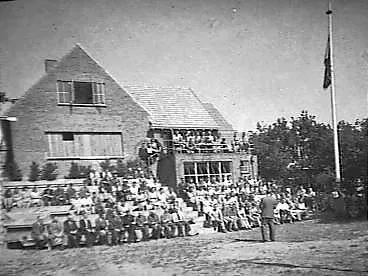
The youth hostel tradition also plays a part. Stayokay Arnhem at Diepenbrocklaan 27 traces its roots back to Jeugdherberg Alteveer. The building dates back to the 1930s and was renamed Stayokay in 2003.
The current coffee scene: small-scale and practical
As of May 5, 2026, there is no distinct third-wave coffee culture to be found within Alteveer/Cranevelt. Well-known Arnhem specialty shops such as PRUT Specialty Coffee, Tribute to Coffee, and Koffiebar FLOOR are located in the city center.
Within the neighborhood itself, coffee is mainly about convenience, routine, and connection. The most central spot is De Buurtfabriek, featuring the Buurtkantine at Peter van Anrooylaan 1.
The Buurtkantine describes itself as a place where residents can drop in for a cup of coffee, a chat, and occasionally something sweet. In doing so, this location serves as the living room of the neighborhood.
Additionally, Bakker Hilvers at Beethovenlaan 51 plays a role in the daily routine. While the bakery isn’t a specialty bar, it is a logical stop for residents and passers-by heading toward Rijnstate, Burgers’ Zoo, and the Openluchtmuseum.
Rijnstate Arnhem at Wagnerlaan 55 also contributes to the local coffee demand. Visitors can purchase coffee, snacks, lunch, salads, or warm meals in the restaurant.
Stayokay Arnhem complements this with coffee served around breakfast, lunch, dinner, on the terrace, and during group visits. The role of coffee here is welcoming and practical, rather than specialized.
Coffee as social infrastructure
The strongest local trend isn’t about flavor profiles, origin, or roasting methods. The strongest thread is coffee as a gateway to social connection.
De Buurtkantine is open Tuesdays from 12:30 to 16:30, Wednesdays from 08:30 to 16:30, Thursdays from 12:30 to 16:30, and Fridays from 08:30 to 16:30.
The Taalcafé at Rozet fits this pattern as well. It takes place every Thursday from 14:00 to 15:00 at the Buurtfabriek, where participants practice Dutch at an A2 level, accompanied by coffee and tea.
At Samen Koken, coffee once again plays a gentle introductory role. This activity takes place every fourth Thursday for people living with dementia and their loved ones, with the reception beginning at 16:30 with tea or coffee.
Even during broader neighborhood events, the same pattern emerges. King’s Day at Oremusplein centers on the flea market and activities, but it also reinforces the community’s spirit of hospitality.
Demographics: small, older, and affluent
By 2026, the neighborhood will have 3,520 residents and 1,725 households, with an average household size of 2.0 people. Furthermore, 55% of the homes are owner-occupied, with an average WOZ value of €486,000.
The age distribution explains a lot. By 2026, 28% of residents will be 65 or older, and another 26% fall into the 45 to 65 age group.
This profile aligns with quiet moments of relaxation, visits to the bakery, high tea, care-friendly activities, and daytime coffee. It is less aligned with a fast-paced student culture or busy laptop cafes.
At the same time, the neighborhood is relatively promising for better coffee. In 2024, 63% of residents were highly educated. Yet, no verified specialty bar has been found within the neighborhood itself.
Sustainability as a promising context
There is no established coffee-specific sustainability program in Alteveer/Cranevelt. No local reusable cup collection, coffee ground composting program, or bicycle-delivery micro-roastery has been identified.
Nevertheless, the neighborhood has a strong green foundation. Duurzaam Craneveer is working toward an energy-neutral neighborhood while preserving its local character. Additionally, the Buurtfabriek hosts the Smultuin, an edible front garden featuring permaculture, berries, herbs, flowers, and fruit trees.
Stayokay Arnhem also offers an existing sustainable hospitality signal. The location features a butterfly garden, insect hotel, and nesting boxes. Additionally, the restaurant consciously uses organic products.
Strategic conclusions for coffee roasters
Alteveer/Cranevelt is not a neighborhood where coffee primarily expresses an urban lifestyle. Instead, it is an area where coffee supports community care, tranquility, and social connection.
- The most logical niche is a small daytime café offering espresso, filter coffee, high-quality decaf, pastries, and accessible seating.
- The strongest positioning lies in “green neighborhood coffee”, linked to reusable cups, composting, edible greenery, or walking routes.
- The biggest warning is the scale: with 3,520 residents, the market remains small and the demographic profile is older.
- The greatest opportunity is the absence of a verified specialty competitor within the neighborhood.
For entrepreneurs, the opportunity does not lie in copying a city-center bar. The best chance lies in a thoughtful, community-oriented concept that pairs great coffee with bakery moments, care-friendly afternoons, green transport, and local encounters.