
 NL
NL In Malburgen-Oost Zuid, coffee culture revolves around proximity, affordability and connection. Neighbourhood spots such as De Drieslag and the Bruishuis show where the opportunities lie.
Roasters in Malburgen-Oost (Zuid)
No roasters have been found yet.
Coffee Bars in Malburgen-Oost (Zuid)
No coffee bars have been explored yet.
More about Malburgen-Oost (Zuid)
Coffee in Malburgen-Oost (Zuid): social, practical, and close to the community
Malburgen-Oost (Zuid) in Arnhem has no well-known history as a neighborhood of specialty bars, micro-roasters, or quiet coffee houses with tasting notes. The coffee culture here has grown differently. Coffee is part of living, working, meeting, shopping, and helping one another. This makes the neighborhood particularly interesting for entrepreneurs and coffee enthusiasts who look beyond the classic Third Wave.
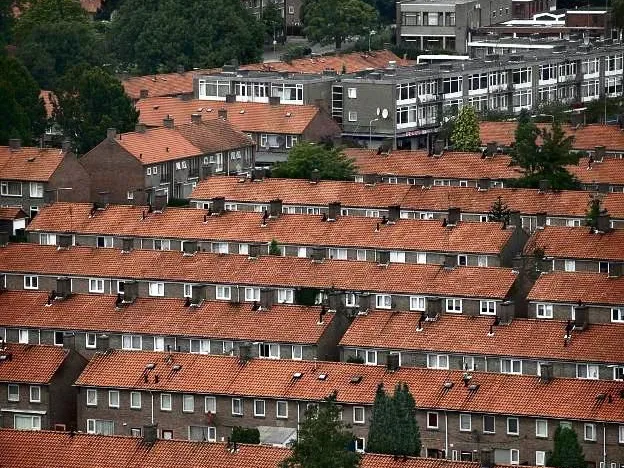
The foundation lies in the post-war growth of the neighborhood. In 1947, Volkshuisvesting delivered 922 homes in Malburgen-Oost within two years. At the time, the project was called the largest construction project in the Netherlands. Later, Immerloo and Het Duifje were added, primarily for low- and middle-income households. As a result, it didn’t become a hospitality destination, but a residential area with affordable and functional spots for coffee, lunch, and gathering.
From café-bar to community coffee
The historical coffee traces run primarily through social cafés and community hubs. Hotel Zuid on the Huissensestraat lives on in local memories as an important youth and meeting spot in the sixties. Café Suikerland is also mentioned as a well-known, sometimes notorious name around Het Suikerland. These were social anchors, not pioneers of specialty coffee.
De Drieslag grew into the practical coffee hub of the neighborhood. During a local discussion about redevelopment in 2019, the shopping center was described as a place where people could drink coffee on a terrace and get fresh ice cream. Here, coffee represents more than just flavor; it represents livability.
The key spots of today
Today, there are no confirmed specialty coffee bars or micro-roasters physically located in Malburgen-Oost (Zuid). The modern scene consists of neighborhood hospitality, lunchrooms, café-bars, espresso-based ice cream, and accessible food businesses. De Drieslag and the Bruishuis, in particular, together form the visible infrastructure.
- PhilaBruis, Akkerwindestraat 1-25, is the clearest community anchor for coffee, lunch, terrace lounging, and flexible working.
- IJsje Zuid B.V., Middelgraaflaan 57, serves espresso and coffee alongside homemade ice cream, featuring flavors such as Huissen cherries and baklava.
- Drieslag Bakery & Lunchroom, Drieslag 21, fits perfectly into the practical daily rhythm of coffee and bread, lunch, and quick visits.
- Café Suikerland, Drieslag 7, keeps the social café culture around De Drieslag visible and vibrant.
- Snackbar Kom ’r in, Pijlkruidstraat 22-24, isn’t a coffee destination per se, but fits the daily neighborhood pattern of service, convenience, and affordability.
Coffee as a reason to step inside
In this neighborhood, coffee acts primarily as a social lubricant. It is a reason to walk into a building, have a chat, ask for help, or join an activity. Het Bruishuis plays a central role in this. The building is described as a kind of living room with a coffee house at the entrance, coffee, tea, and cookies in the hall, a swap shop, residents, workers, and many community initiatives.
The weekly Wandelgroep Bruishuis makes this very concrete. Every Monday at 10:00 AM, a walk for those aged 60+ starts at Akkerwindestraat 1. Around 11:00 AM, the activity concludes with coffee or tea. City at Home also uses coffee as a standing invitation. The Vrouwenatelier on Fridays has coffee and cookies ready, while Mondays and Thursdays provide space for conversation, support, coffee, or tea.
Additionally, Kruiskerk Arnhem brings coffee and conversation to shopping center De Drieslag every other Friday with “’t Bakkie”. This isn’t a commercial specialty coffee concept, but hyper-local outreach. For the neighborhood, that is just as important.
What the numbers say about taste and demand
Local demand is heavily shaped by housing, rent, age, family structures, and culture. In 2026, Malburgen-Oost (Zuid) had 9,240 residents, 4,381 homes, and 4,200 households. Of these homes, 79% were rentals. This indicates a neighborhood-centric model rather than a hub for coffee tourism.
The neighborhood is also highly diverse. In 2025, 41% of residents were of Dutch origin, 7.8% European, and 51% from outside Europe. This mix is reflected in the offerings around De Drieslag, featuring Turkish and Middle Eastern influences and flavors, such as the baklava ice cream at IJsje Zuid.
Education and daily routines also play a role. Among residents aged 15 to 75, 46.0% had a vocational education level, 39.0% a secondary level, and 15.0% a higher education level. Furthermore, the neighborhood hosted 15 childcare centers, 3 primary schools, 2 secondary schools, and 2,170 students in 2024. Consequently, coffee moments naturally coincide with school runs, grocery shopping, community work, and local activities.
Sustainability is mostly a local affair
No specific coffee program focused on sustainability was found. There is no confirmed reusable cup collective, coffee ground recycling project, carbon label for a local roaster, or bicycle-delivery micro-roaster. Nevertheless, there is a clear layer of sustainability surrounding the local coffee spots.
The Repair Café in the Tuinpaviljoen of the Bruishuis brings together repair, reuse, and social connection. The exchange shop of City at Home reinforces this pattern on weekday mornings. Similarly, cleanup initiatives from the Bruishuis and PhilaBruis align with this sense of social sustainability. At De Drieslag, more than 30 residents helped maintain a large garden for De Groene Route Malburgen, located near restaurant Mesopotamié and Café Suikerland.
Conclusion: opportunities lie in accessibility
Malburgen-Oost (Zuid) demonstrates that coffee culture doesn’t always start with single-origin beans or latte art. Here, coffee is about proximity, affordability, and trust. For café owners, roasters, and community-oriented entrepreneurs, the opportunity lies not in exclusivity, but in accessible quality. A good espresso, cappuccino, or filter coffee paired with a snack can mean a lot here, especially when the space remains warm, practical, and social.