
 NL
NL Malburgen-West is not a specialty coffee hotspot, but a neighbourhood where coffee mainly supports connection, heritage, and local community ties.
Roasters in Malburgen-West
No roasters have been found yet.
Coffee Bars in Malburgen-West
No coffee bars have been explored yet.
More over Malburgen-West
Malburgen-West: coffee as social infrastructure
Malburgen-West in Arnhem is not your classic coffee neighborhood with bustling shopping streets, laptop cafés, or a row of specialty bars. The coffee culture here grew out of a residential area built around greenery, pathways, community functions, and shared facilities. Because of this, coffee in Malburgen-West serves primarily a social role. It is a reason to step inside, chat with neighbors, read a newspaper, or take a brief pause during a walk along the dike.
This down-to-earth foundation is exactly what makes the area interesting for coffee professionals. The neighborhood demonstrates how coffee can hold value without relying on big-city trends. In Malburgen-West, it’s less about origin, brew methods, or latte art, and more about accessibility, warmth, connection, and familiar spaces.
A residential area with garden city DNA
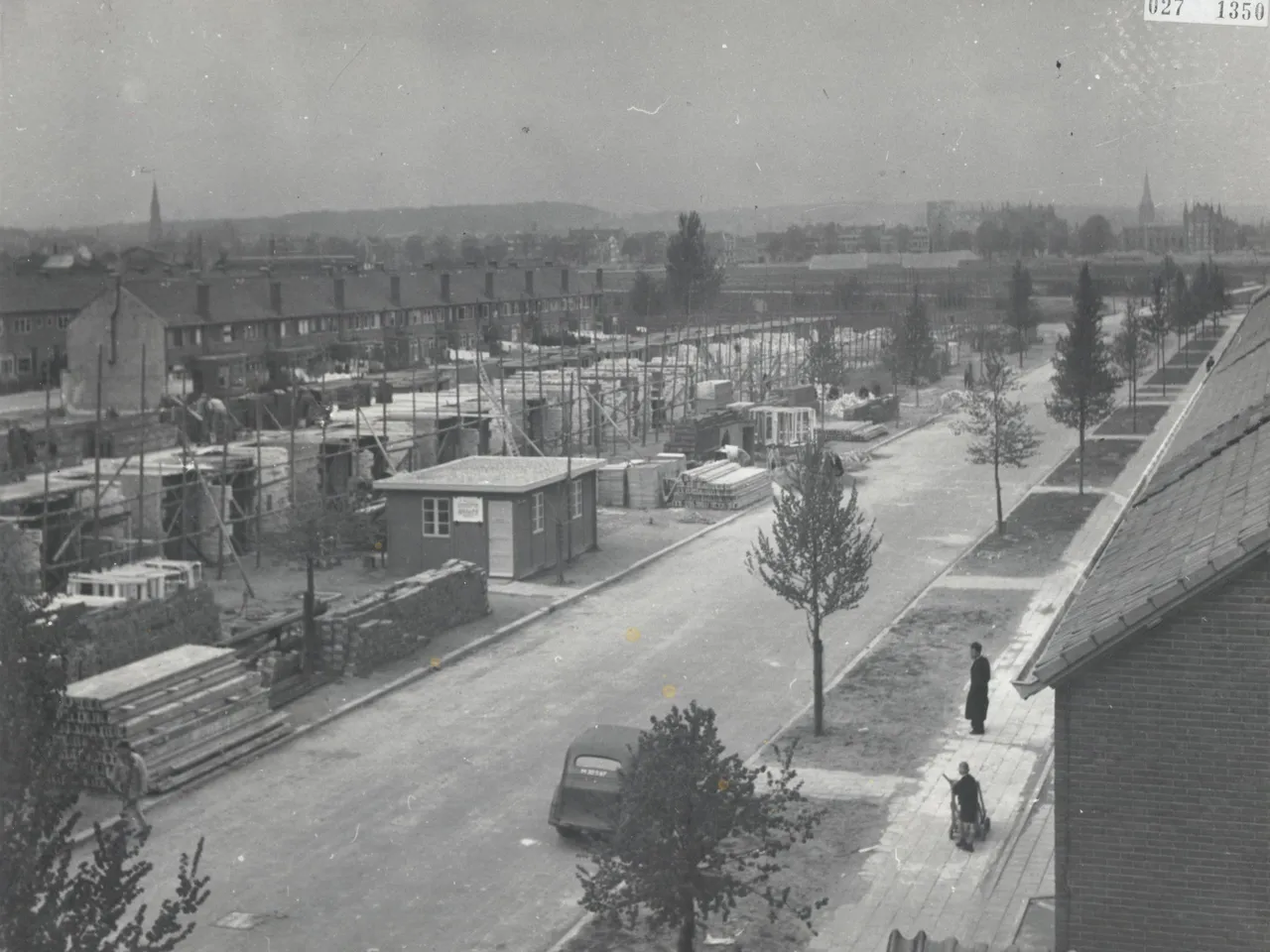
The origins of Malburgen-West lie not in hospitality, but in urban expansion and housing. Even before the Second World War, Malburgen was designed as Arnhem’s first expansion across the Rhine. The plan followed the concept of a green garden city, featuring small-scale family homes, canals, churches, squares, and streets that fanned out across the district.
After the war, the neighborhood was further shaped by housing shortages and reconstruction. This explains why the current coffee offering is sparse and functional. The area lacks a defined café street or nightlife cluster. Furthermore, there is no verifiable evidence of a strong, historical coffee house tradition specific to Malburgen-West.
The most significant heritage site is Het Arnhems Gemaal at Gelderse Rooslaan 85. The old pumping station from 1934 was built to drain the Malburgse polder, allowing the neighborhood to be established. Today, this spot functions as a cozy living-room café, offering coffee, cake, lunch, drinks, vintage finds, and space for events.
The current coffee scene: small, local, and practical
Malburgen-West has no established cluster of third-wave coffee bars or micro-roasters. The modern coffee scene consists primarily of heritage hospitality, neighborhood coffee, and social lunch spots. For café owners and roasters, this is a crucial distinction: the neighborhood doesn’t naturally demand a carbon copy of a city-center concept.
- Het Arnhems Gemaal is the most prominent commercial coffee location. The establishment is open from Wednesday through Sunday, from 10:00 to 17:00.
- Buurthuis Fresh / Rozet in Fresh at Dovenetellaan 24a is primarily important as a meeting place. Visitors can read, participate in activities, and enjoy coffee in the communal area.
- Het Leger des Heils at Hoefbladlaan 38 offers a social lunch café focused on affordable food, conversation, and inclusion.
- Kral Arnhem B.V. The location at Gelderse Rooslaan 242 has been registered as a licensed establishment since 2024, but it lacks a clear public specialty coffee profile.
Within the borders of Malburgen-West, no independent micro-roasters were found. Furthermore, there are no documented cuppings, filter coffee programs, or espresso concepts with a distinct specialty positioning. This means the neighborhood isn’s a coffee destination in the strict sense, but rather a case study on coffee as a community function.
Coffee as a reason to connect
The social function of coffee is prominently featured at Buurthuis Fresh. Every Friday from 09:00 to 12:00, they host Buurtkoffie. Residents can enjoy free coffee or tea, chat with neighbors, and ask questions to community workers. In this way, coffee becomes an accessible gateway to support and social connection.
The Buurtbalie on Thursday afternoons, from 14:00 to 16:00, follows the same pattern. Residents can drop by with questions about local organizations and neighborhood developments. Coffee and tea are always ready, lowering the threshold for engagement. The monthly Repaircafé morning, held every second Friday from 09:00 to 11:00, uses coffee in the same way: people wait, talk, and repair items together.
Het Arnhems Gemaal adds another layer to this. The location is also cited as a spot for studying or flexible working. Additionally, the pumping station played a role in local remembrance events, such as a screening of A Bridge Too Far in 2019. Thus, coffee here connects heritage, landscape, and community memory.
Resident Profile and Taste Preferences
In 2026, Malburgen-West had 4,889 inhabitants, spread across 2,285 households. The average household size was 2.1 people. The neighborhood had 2,295 homes, 58 percent of which were rental properties. Since 2013, the population grew from 4,070 to 4,889, an increase of 20 percent.
Over time, this growth may create space for more local hospitality venues. However, current signals point primarily toward a practical, price-conscious, and community-oriented coffee culture. The most visible offerings are coffee paired with homemade cake and lunch, free coffee and tea at Fresh, and affordable communal dining at Hoefbladlaan.
Furthermore, the broader context of Malburgen is multicultural, with more than 120 nationalities. While this applies to Malburgen as a whole, it helps in understanding the local hospitality scene. Demand seems broad and inclusive, emphasizing daily utility rather than one dominant specialty coffee taste.
Sustainability: opportunities remain open
There is no visible coffee-specific sustainability program in Malburgen-West, such as a reusable cup collective, coffee ground composting, or bicycle delivery by a local roaster. Yet, sustainability is present in the neighborhood. De Groene Route aims to make Malburgen greener and more natural, involving residents, entrepreneurs, the municipality, and nature organizations.
Particular attention is given to the area around Hoefbladlaan, with more greenery, trees, adjusted mowing schedules, and flowers for bees. Additionally, the Repaircafé offers a strong circular practice, where coffee and tea support the social atmosphere. Het Arnhems Gemaal adds a light second-hand layer with vintage furniture, vases, small trinkets, and clothing.
Conclusion: not a specialty hotspot, but a clear opportunity
Malburgen-West is not an Arnhem specialty coffee destination. The heart of the neighborhood lies in heritage, wellbeing, community ties, repair shops, and riverside walking trails. Het Arnhems Gemaal serves as the strongest commercial coffee anchor, while Fresh fulfills the primary role of the neighborhood coffee spot.
For future entrepreneurs, the opportunity doesn’t lie in a rigid third-wave positioning. A warm, affordable, and sustainable neighborhood café aligns better with the character of Malburgen-West. Those who connect with the social networks, green initiatives, and practical tastes of the neighborhood can give coffee meaning in a way that truly resonates locally.