
 NL
NL Monnikenhuizen does not have a coffee street, but it does have its own coffee culture shaped by local cafés, cycling, green spaces, park hospitality and regular moments of connection.
Roasters in Monnikenhuizen
Blanche Dael
Coffee Bars in Monnikenhuizen
No coffee bars have been explored yet.
More over Monnikenhuizen
Monnikenhuizen: Coffee culture without the “coffee street”
Monnikenhuizen in Arnhem-Noord doesn’t have a classic coffee street or a dense cluster of espresso bars. The district comprises the neighborhoods of Monnikenhuizen, Arnhemse Allee, and Klarenbeek, situated between the Schelmseweg, A12, Rosendaalseweg, Hommelseweg, and Waterbergseweg.
Here, coffee culture is deeply intertwined with residential life, greenery, cycling, and community connection. Coffee is primarily found at cafés, parks, events, and social gatherings. This makes Monnikenhuizen distinct from inner-city areas filled with roasteries, laptop cafés, and specialty bars.
Historical foundations: monastery, residential area, and greenery
The name Monnikenhuizen refers to the Carthusian monastery of Monnikenhuizen, founded in 1342 and destroyed around 1580. Remains were discovered near the Arnhemse Buitenschool on the Bosweg. This history gives the neighborhood a distinct landscape and monastic identity.
However, no early coffee tradition has been documented. There are no clear records of old coffee houses, historical roasters, or academic cafés in the area. Available information points primarily toward neighborhood pubs, sports, park visits, and catering for gatherings.
The architecture and demographics further explain this picture. By 2026, Monnikenhuizen will have 2,325 homes, 2,100 households, and 4,479 residents. Rental properties make up 59 percent of the housing stock. Consequently, the neighborhood is predominantly residential, leaving limited room for large hospitality strips.
Today’s key coffee spots
The modern coffee scene is small but distinct. Monnikenhuizen has no confirmed micro-roastery and no clear third-wave coffee shop within its boundaries. Coffee is present, but it is embedded within community functions, cycling experiences, and park hospitality.
- Café Cadans located at Sperwerstraat 97, is a cozy living-room style café and a coffee stop tailored for cyclists.
- Café Tapperij Monnikenhuizen Located at Sperwerstraat 65, this is a traditional neighborhood café serving as a hub for parties, associations, and social gatherings.
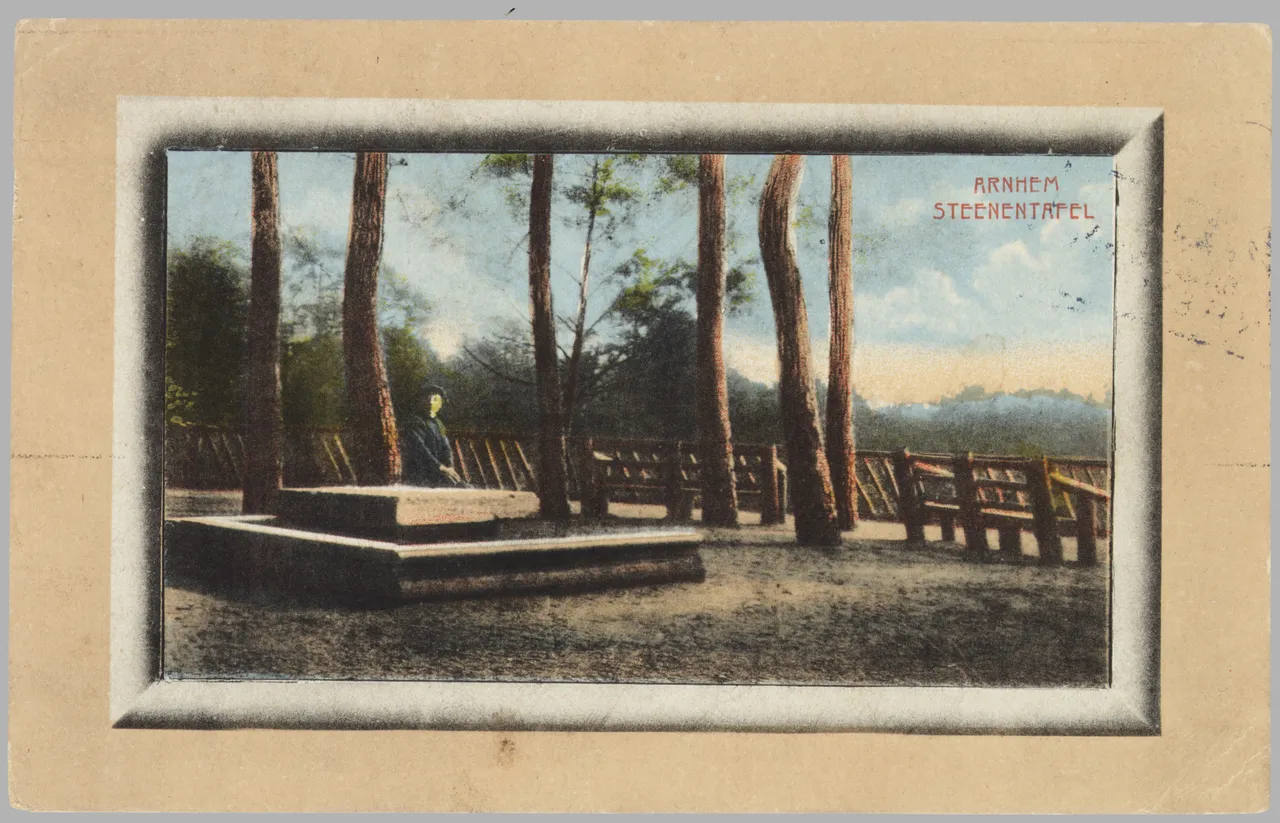
- Bloem Arnhem Located at Weg achter het bos 1, this is a restaurant situated in the historic water tower, De Steenen Tafel.
Café Cadans plays the most distinct role in the coffee scene. The establishment is described as a spot for quality coffee, a moment of respite, and a meeting point during cycling trips. The interior, featuring retro furniture, vintage bicycles, and greenery, complements its accessible, community-focused vibe. Opening hours are Tuesday through Saturday, from 09:30 to 17:00.
Café Tapperij Monnikenhuizen serves a different purpose. The business focuses on events, associations, weddings, birthdays, and meetings. Coffee primarily appears in set packages, such as coffee with cake or coffee with sandwiches. Owners Michele and Sandra Mungiovi officially opened the café on July 15, 2006.
Bloem Arnhem is notable for its location. Situated in the old water tower De Steenen Tafel, it overlooks Park Klarenbeek. Visitors can stop by from 10:00 for coffee and cake. Its role is primarily that of a scenic park location rather than a specialized coffee bar.
Coffee as a social binder
In Monnikenhuizen, coffee is less about fast retail and more about community. Café Cadans combines a cozy living-room style café with a bicycle workshop. The venue also provides work-experience placements for those distanced from the labor market or society. In this way, coffee supports repairs, skill-building, and social connection.
The neighborhood café also plays a cultural role. Café Tapperij Monnikenhuizen organizes monthly jazz jam sessions with the house band Swing Collective. These take place on the first Sunday of the month. Such regular events give the local hospitality scene a recognizable rhythm.
Hoogte 80 serves as the largest public meeting point. This city park on the Zaslaan features a viewpoint 77.5 meters high, offering views over Arnhem, the IJssel, and the Liemers. The Hoogte80 Festival will take place from May 14 to 17, 2026. The event brings together theater, music, social gatherings, picnic culture, and food and drink.
Local Flavor: Practical, Social, and Route-Oriented
The local population primarily supports a practical demand for coffee. In 2026, 16 percent of residents are aged 0 to 15, 9.4 percent 15 to 25, 22 percent 25 to 45, 28 percent 45 to 65, and 24 percent 65 or older. This indicates demand coming from families, seniors, and neighborhood residents.
In 2025, 42 percent of households consist of a single person. Additionally, 32 percent are multi-person households with children. The average household size is 2.0. Coffee with cake, lunch, meetings, and child-friendly park hospitality fit well within this demographic structure.
Although 45 percent of residents were highly educated in 2024, there is no visible strip of coworking cafés. Consequently, local coffee demand seems to lean more toward home consumption, hybrid work, neighborhood meetups, and visits to cafés elsewhere in Arnhem.
Sustainability is primarily found in mobility and reuse
The most sustainable signals don’t come from coffee sourcing, but from mobility and reuse. Café Cadans directly links coffee to bicycle repair and social work experience. This makes the establishment the most evident coffee-related sustainability spot in the neighborhood.
Hoogte80 Festival fits into that picture as well. Visitors are asked not to park nearby and preferably to arrive by bike or bus. Bloem Arnhem adds to this by repurposing heritage, utilizing an old water tower as a hospitality venue.
Conclusion: small scene, clear opportunities
Monnikenhuizen isn’t a specialty coffee cluster, but it is a neighborhood with its own coffee logic. Its strength lies in community connection, cycling, greenery, views, and events. For entrepreneurs, the opportunity lies not in copying the city center, but in accessible coffee that complements park visits, a culture of repair, families, and established neighborhood routines.