
 NL
NL Schuytgraaf has a young, approachable coffee scene with FortVier, De Buitenplaats and Gusto. The focus is on families, mornings and sustainability. Third-wave micro-roasters are still missing, which creates opportunities around Pallas Atheneplein and MFC De Omnibus.
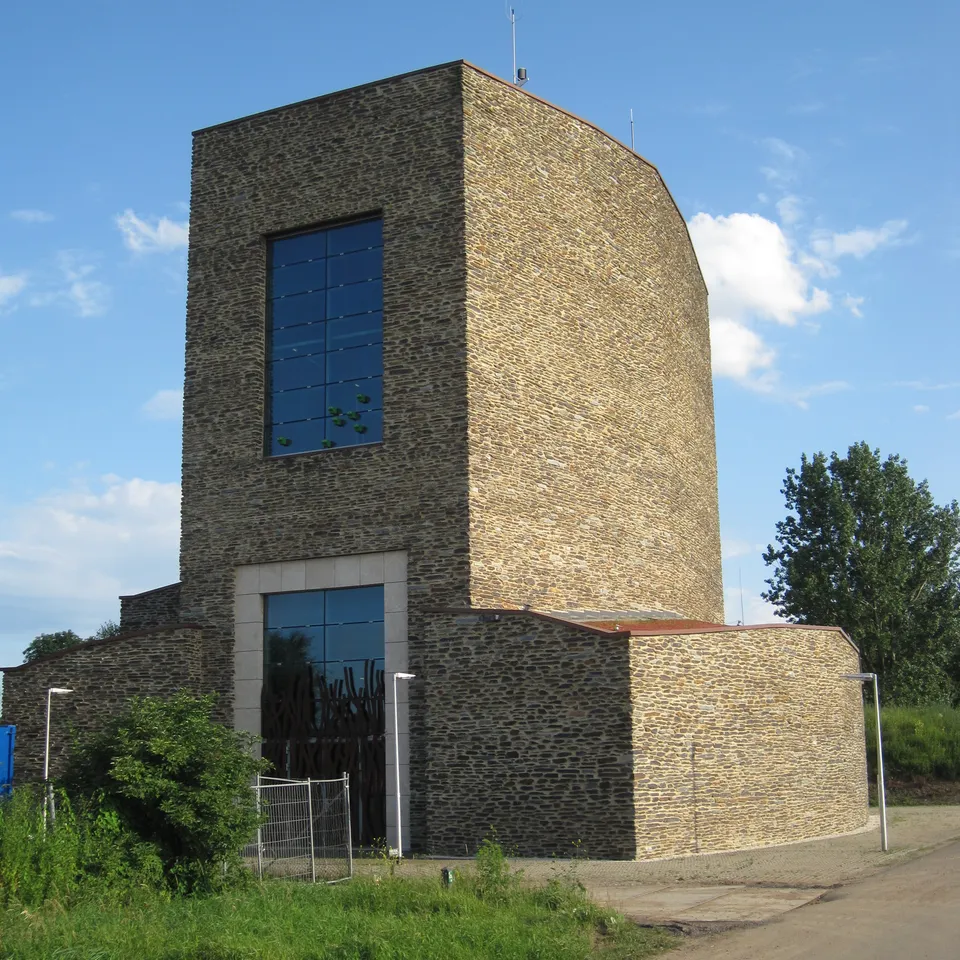
Roasters in Schuytgraaf
No roasters have been found yet.
Coffee Bars in Schuytgraaf
No coffee bars have been explored yet.
More about Schuytgraaf
Schuytgraaf, Arnhem: a young neighborhood with a modern coffee scene
Schuytgraaf is a VINEX expansion built on former farmland, developed starting in the early 2000s. As a result, the coffee culture here is modern and functional, rather than historical or nostalgic. There are no local café records predating 2000, which fits the neighborhood’s new character. The hospitality scene grew alongside the housing, the shopping center, and the pavilion on the Schuytse Laak.
From farmland to cappuccino: a brief history
Construction began around 2000, and the first homes were delivered in 2004. Consequently, classic “brown cafés” within the current neighborhood boundaries are unlikely. An early anchor was De Buitenplaats, a social hospitality concept housed in a converted farmhouse, where coffee and lunch come together.
In 2019, Gelateria La Piazza became Gelateria Gusto and explicitly added high-quality coffee to its menu. In early 2020, FortVier opened as a striking waterfront pavilion offering espresso service. These milestones mark the transition toward a contemporary, accessible coffee culture.
Current offerings: the spots that matter
Coffee is integrated into family-friendly establishments, a social farm, and a serious gelateria. Within the neighborhood, there are no independent third-wave micro-roasters, an important insight for specialty purists.
- FortVier, Laakoever 401, all-day restaurant bar with espresso and a large waterfront terrace.
- De Buitenplaats, Marasingel 19, lunch café with free wifi, quiet workspaces, and a garden.
- Gelateria Gusto, Pallas Atheneplein 65, gelato and grab-and-go drinks with “top quality” coffee.
- Quzu Café & Restaurant, Fortunastraat 27, halal breakfast and lunch where coffee accompanies the meal.
- RAUW Natuurlijk, Fortunastraat 6, traiteur with smoothies and coffee alongside fresh daily meals.
Community, rhythm, and coffee moments
Coffee acts as a social glue for young families and caregivers, with a particular emphasis on mornings and afternoons. Gatherings tend to cluster around MFC De Omnibus and De Buitenplaats, where there is ample space for socializing and quiet work.
The Mamacafé meets bi-weekly at De Buitenplaats, specifically on the first Friday and third Wednesday from 09:30 to 11:30. Additionally, “Ontmoeten in Schuytgraaf” hosts a drop-in morning every first and third Thursday from 10:30 to 12:00 at De Omnibus.
De Buitenplaats positions itself as co-work friendly, offering wifi and a lush, green setting. FortVier facilitates business lunches and meetings with espresso service, reinforcing the role of coffee in daily professional gatherings.
Who drinks what: Demographics and preferences
The neighborhood is growing rapidly, with the broader district expected to reach 16,335 residents by 2025, up from 8,845 in 2013. This growth indicates a steady demand for everyday coffee moments. Schuytgraaf-Zuid consists of approximately 28 percent aged 0–14 and 33 percent aged 25–44, which drives the need for stroller-friendly cafés and creates morning rushes.
The proximity of Rivers International School adds an international parent group to the mix, increasing the demand for grab-and-go options during school hours. The halal breakfast and lunch offerings at Quzu reflect this cultural diversity. The preference here leans toward approachable espresso drinks and family-friendly spaces, rather than niche third-wave purism.
Sustainability as a design principle
Schuytgraaf is planned without a residential gas grid, focusing instead on sustainable heat, greenery, and water. This framework dictates how cafés and restaurants are built and operated, forming a clear prerequisite for any new concepts.
FortVier emphasizes a gas-free, fully electric, and circular operation with seasonal catering and reduced food waste. The sustainable wood cladding on the facade underscores the focus on longevity. De Buitenplaats links coffee and lunch to products from its own garden and serves as a learning-and-working space.
RAUW Natuurlijk works with anti-waste packages, indicating that circular practices are taking root even within the shopping center. Together, these elements paint a picture of a neighborhood where sustainability and hospitality go hand in hand.
Conclusion and opportunities for entrepreneurs
Schuytgraaf is primarily a residential, family-oriented area where quality espresso is integrated into broader food concepts. Pure specialty coffee bars or micro-roasteries are currently missing within the neighborhood boundaries. This creates an opening for a compact, stroller-friendly specialty concept near Pallas Atheneplein or De Omnibus.
The greatest impact lies in weekday mornings with clear peak hours. An offering featuring plant-based milk options would align well with the demographic. Partnerships with local sustainability initiatives, such as fighting food waste or sourcing locally, fit the neighborhood DNA and increase relevance. In this way, a targeted specialty bar can enhance the existing coffee landscape without losing accessibility.