
 NL
NL High-Altitude Coffee
At high altitudes (above 1500 meters), coffee cherries ripen more slowly, resulting in denser beans with pronounced aromas. The lower temperature and thinner air foster a complex flavor profile, often characterized by high acidity and fruity, floral, or wine-like notes. Regions such as Ethiopia and parts of Latin America are known for their high-altitude coffees, which are prized for their refined and sparkling character.
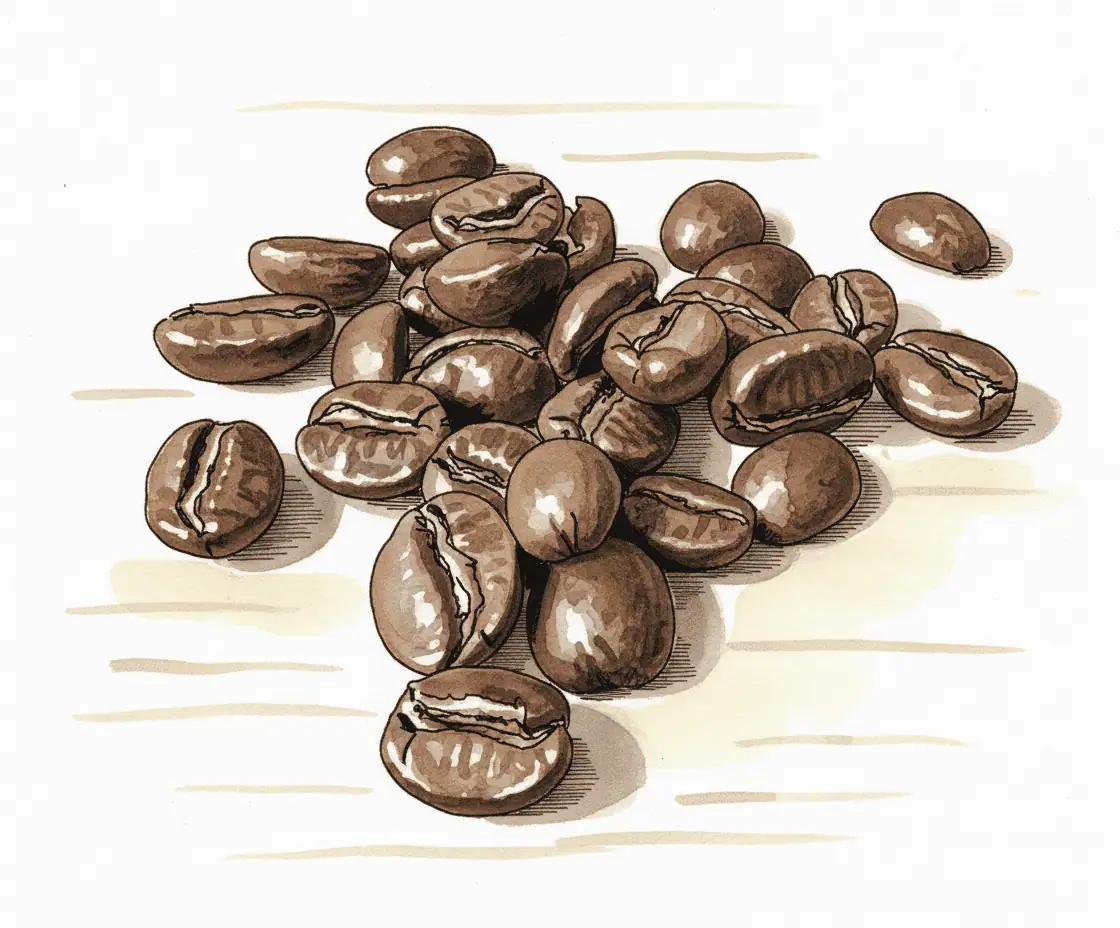
High‑altitude coffee beans
Colombia Supremo
Colombia Supremo from Kaan Koffie hails from Antioquia, grown in volcanic soils. The washed process results in a clean cup with vibrant freshness and a long finish. Expect a full body, orange-like acidity, and a creamy experience when paired with milk. Origin: Agropecuaria Farallones at 1400 to 2000 meters in Antioquia. Tasting notes: citrus, ripe stone fruit, caramel, brown sugar, cocoa. Brewing advice: ideal for cappuccino…
Colombia Supremo
This Colombia Supremo from Maalwerk Koffie comes from Huila and is washed processed. Expect floral aromas’s, dark chocolate, nuts, and a fresh caramel finish. The medium roast provides a round body and bright sweetness. The uniform bean size ensures a clean, consistent cup with a fine balance. Suitable for espresso and milk drinks, as well as filter and slow coffee. For…
Colombia Supremo
Colombia Supremo from Coffee Goddess is an exceptional coffee originating from the mountainous regions of Huila, Antioquia, and Tolima. The bean has a medium to full body with a rich balance of caramel, chocolate, and fresh citrus. Thanks to the traditional ‘washed’ process, the complexity of the bean is fully realized. Whether you…
Colombia Supremo
Colombia Supremo from Fleur de Café showcases a classic Colombian style. This single origin arabica is grown in the Andes and undergoes a washed process, keeping the cup clean and bright. A medium roast then provides a full, round flavor with cocoa, a gentle sweetness, and a crisp finish. This makes the coffee a great match for…
Colombia Supremo
Colombia Supremo from VanRoast is an accessible single origin from the high-altitude coffee regions of Colombia. In the cup, you first taste grapefruit and lime, followed by milk chocolate and raisin. This keeps the coffee fresh, round, and pleasantly layered. VanRoast opts for a balanced roast that preserves both clarity and sweetness, making this bean suitable for espresso,…

Colombia Supremo
Colombia Supremo shows why a classic Colombian coffee remains so beloved. In the cup profile, you first taste grapefruit and lime, followed by milk chocolate and raisin for more roundness and sweetness. As a result, this single origin feels fresh, accessible, and yet layered. The beans grow at 1300 to 1650 meters and owe their balance to slow…
Colombia Supremo
Colombia Supremo Arabica from Eddy’s Coffee hails from Huila, offering a smooth, balanced cup with notes of chocolate and hazelnut. Thanks to the washed process, you’ll notice extra clarity, while the medium body remains supple and refined. For this reason, the roaster suggests this coffee is a great fit for filter, espresso, and French press.
Colombia Supremo
Colombia Supremo from D’Olde Zwarver brings the clarity of Colombian arabica from the high Andes to the forefront. Farmers hand-pick ripe cherries, after which the beans are washed and sorted. D’Olde Zwarver then roasts the coffee just before sale, ensuring you receive fresh beans. The taste remains full, round, and lightly sweet, with a fresh finish full of chocolate. The beans…
Colombia Supremo
Colombia Supremo from Coffee Goddess combines Colombian clarity with soft caramel and chocolate. The washed Arabica grows high in Huila, Antioquia, and Tolima, giving you fresh citrus notes. Brew espresso with 19 grams of coffee to 38 grams of output in about 29 seconds. For French press, choose 35 grams of coffee to 500 grams of water and a five-minute brew time.
Colombia Supremo
Colombia Supremo from Fascino Coffee brings familiar Colombian quality to an accessible cup. The beans come from Huila and grow at an altitude of 1400 to 1600 meters. Fascino sorts this washed coffee by size and defects, for a clean flavor profile. Expect a full body with mild notes of nut and chocolate. That is why this coffee suits filter coffee, espresso, and…
Colombia Supremo
Colombia Supremo from Caffè Dono brings soft arabica from Isnos to your cup. The Cascade de Bordones cooperative grows this coffee at high altitudes, between 1,800 and 2,000 meters. It is then pulped, fermented for 24 hours, and washed for a clean taste. Expect a friendly body, nutty nuances, and a soft finish. Brew it in a fully automatic machine or a quick filter, with espresso…
Colombia Supremo
Colombia Supremo from Koffiebranderij de Koepoort comes from Genova in Colombia. The washed processing gives this medium roast a clean taste with fresh, bright acidity. You will taste citrus, caramel, and blackberry, with a soft body. De Koepoort recommends this coffee for filter coffee, espresso, and variations in between. That is why this bean suits drinkers who value balance, fruit, and sweetness…
Colombia Supremo – Caffè Dono, 74,75 roast
Smooth and pleasant with nutty nuances and a gentle aftertaste.
Colombia Supremo scr.18
Colombia Supremo SCR 18 from Jeronimo Coffee offers a full, aromatic body from Colombia. The washed processing keeps the cup clean, while the medium roast highlights caramel and chocolate. Almond and marzipan provide a soft sweetness, making this single origin accessible. Brew it at home as filter coffee, in a French press, or with an espresso machine.
Colombia Tatama
Colombia Tatama from Coffyn demonstrates how powerful collective craftsmanship can taste. This washed coffee from Norte del Valle del Cauca comes from Cafenorte and scores 85 points. The cup profile reveals red fruits, floral tones, and a bright sugarcane sweetness. As a result, the coffee feels vibrant, clean, and beautifully balanced. Coffyn roasts this bean specifically…
Colombia Tres Rayas
Evermore Colombia Tres Rayas comes from Planadas and Gaitania in Tolima, where approximately 230 producers work at high altitudes. This natural single origin lets the origin speak clearly. Consequently, the cup gains a round body with fermented tamarind, cacao nibs, umami, and miso. Origin: Planadas and Gaitania, Tolima. Processing: natural, unwashed. Taste: tamarind, cacao nibs, umami, miso. Furthermore, the…
High Altitude (above 1500 meters)
Welcome to the world of high-altitude coffee! When you think of beans grown above 1500 meters, words like “refined,” “complex,” and “vibrant” often come to mind. But why exactly? In this article, we’ll dive into the effects of high altitudes on your espresso, the chemical composition of the beans, processing methods, and much more.
How altitude affects espresso flavor
At high altitudes, coffee cherries mature more slowly. This gradual ripening process allows sugars and acids in the fruit to develop over time, giving the beans ample opportunity to build a full range of flavors. When you use these beans for espresso, you’ll often taste a refined acidity and floral or fruity characteristics—think subtle citrus or berry aromas with a bright, almost “sparkling” quality. If you enjoy a delicate espresso, high-altitude beans are an excellent choice.
Chemical composition: density, sugars, and acids
Because the air is thinner and cooler at higher elevations, coffee trees receive less oxygen and grow at a slower pace. This results in denser beans that often exhibit higher acidity. The sugars develop more gradually, and the extended ripening contributes to a complex flavor structure. You end up with a bean that balances sweetness and complexity, translating into a lively cup of coffee. The increased density also impacts roasting profiles: roasters usually take extra care to highlight all those nuanced flavors.
Processing methods at high altitude
Thanks to the cooler, sometimes more humid climate, some coffee farmers opt for processing techniques that emphasize their beans’ unique characteristics. In many high-altitude regions, the washed method is especially popular, as it accentuates fruity and floral notes. Removing the pulp and mucilage under carefully controlled conditions allows any impurities to wash away, leaving a clean, pure flavor. There’s also some experimentation with natural and honey processes in these regions, though washed processing is often the standard for maintaining clarity.
Climate and microclimate
High-altitude environments have unique weather conditions: cooler nights, milder days, and often more rainfall. In some places, mist clings to the mountainsides, creating microclimates that can vary even from one slope to the next. This contributes to the slow ripening of cherries and the development of complex aromas. On the flip side, coffee farmers face challenges like fungal diseases in damp conditions, but the reward is a flavor profile cherished worldwide.
Yield and resilience
Growing coffee at 1500 meters or higher isn’t easy. The trees often produce fewer cherries because the plants expend more energy just to survive in cooler temperatures. Still, the beans command a premium for their pronounced quality and distinctive taste. Many farmers form cooperatives to share knowledge about cultivating coffee under these challenging conditions, employing innovative irrigation methods or using shade trees to protect their coffee plants.
Choosing coffee varieties
Not all coffee plants thrive at 2000 meters. Farmers often select varieties that can handle the cold and resist diseases, such as certain Arabica strains (like Bourbon, Typica, or Geisha). These varieties are known for their potential to develop subtle flavor nuances—a perfect match for the special circumstances high altitudes provide.
All in all, coffee from high altitudes isn’t just any cup of joe. Expect floral notes, a lively acidity, and refined aromas that will delight anyone seeking a bright and complex coffee experience.