
 NL
NL High-Altitude Coffee
At high altitudes (above 1500 meters), coffee cherries ripen more slowly, resulting in denser beans with pronounced aromas. The lower temperature and thinner air foster a complex flavor profile, often characterized by high acidity and fruity, floral, or wine-like notes. Regions such as Ethiopia and parts of Latin America are known for their high-altitude coffees, which are prized for their refined and sparkling character.
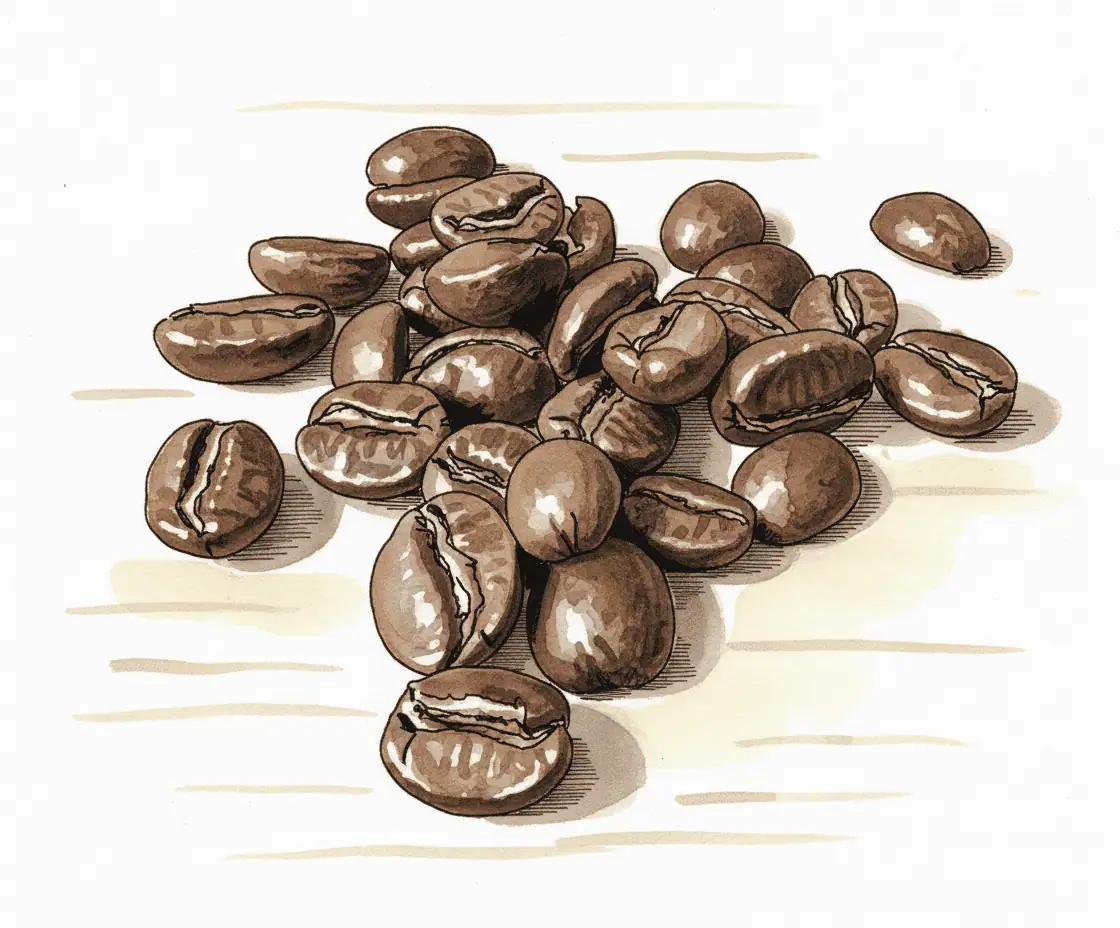
High‑altitude coffee beans

Het geheim van Bali
Deze single origin van Maalwerk Koffie komt uit Kintamani op Bali. De boon heet “Het geheim van Bali”. Het natural process geeft zoetheid en een volle, romige body. Verwacht rijp rood fruit, chocolade en specerijen met een milde aciditeit. De afdronk blijft lang en prettig. Herkomst Kintamani, 1300 tot 1700 meter Verwerking natural, zon gedroogd…
HEWA
HEWA van Stean’s Beans laat zien hoe spannend Rwanda kan smaken. Deze koffie komt van Liza Coffee Washing Station in Lake Kivu en combineert de RAB C15 variëteit met een anaerobic natural verwerking. Daardoor ontstaat een levendige kop met ananas, kruidnagel en een sappige medium body. De lichte branding houdt het fruit en de kruidigheid…
Hiu Los Lajones Green Tip Geisha Lot #20B
Hiu Los Lajones Green Tip Geisha Lot 20B van Ripsnorter komt van de hoge hellingen van Volcán Barú in Panama. Daardoor rijpen de kersen traag en ontstaat veel aromatische spanning. De traditional natural verwerking blijft hier opvallend verfijnd, met tonen van bergamot, witte grapefruit en zwarte thee. Bovendien geeft de omni branding ruimte aan zowel…
Hollandsch Rijk
Hollandsch Rijk is de huisblend van de ambachtelijke Maalwerk Koffie uit Delfzijl. De blend bestaat uit gewassen arabica uit Midden en Zuid Amerika op 1400 tot 1700 meter. De branding is Full City voor soepele body, cacao en karamel, met schone aciditeit. Verwacht een romige afdronk en constante kwaliteit, ideaal voor liefhebbers van klassieke chocoladetonen.Beste…
Holy Roast Yellow
Holy Roast Yellow van Roast n Toast is een allround blend uit Sri Lanka. Arabica uit de hooglanden geeft fris aroma en zoetheid. Robusta uit lagere zones levert body, cafeïne en een dichte crema. Het profiel voelt vol, met tonen van cacao, noten en een milde aciditeit. De kracht is 7 op 10, wat zorgt…
Honduras
Deze single origin uit Las Capucas levert een schone, zoete kop met balans. Roast’n Toast brandt precies en gebalanceerd, zodat hazelnoot, melkchocolade en amandel helder blijven. Een lichte citroentoets geeft frisheid, waardoor de afdronk lang en zacht blijft.Herkomst Honduras, coöperatie COCAFCAL, hoogte circa 1350 tot 1600 meterVerwerking washed voor precisie en netheidSmaak hazelnoot, melkchocolade, karamel,…
Honduras
Hummingbird Honduras uit Marcala laat zien hoe sterk eenvoud kan smaken. Deze washed single origin van COMSA biedt tonen van melkchocolade en noten, met een schone afdronk en een glad mondgevoel. Daardoor blijft de kop helder, zacht en mooi in balans. De medium roast bewaart de herkomst, maar blijft tegelijk breed inzetbaar. Volgens de brander…
Honduras Marcala
Honduras Marcala van Coffee Goddess is een heldere, zoete single origin met citrus en tropisch fruit. De DO herkomst en de hoogte geven frisheid en balans. De medium branding houdt de aciditeit zuiver en laat body en zoetheid spreken. Dit uitgebalanceerde profiel is ideaal voor filter en voor espresso, evenzeer thuis.Espresso 19 g in 38…
Honduras Velvet Roast
Honduras Velvet Roast van Locals Coffee Roasters komt uit Copán en is washed verwerkt. Verwacht een schone kop met tonen van geroosterde amandel, rozijn, suikerriet en melkchocolade. De body is romig, de zuren zijn vriendelijk, en de afdronk blijft helder.Deze specialty behaalt een SCA-score van 84,5 en is bedoeld voor espresso en filter. Daardoor werkt…
HUEHUE
HUEHUE is een specialty koffie uit Huehuetenango in Guatemala. De bonen groeien op 1500 tot 1700 meter en worden door de familie Perez sinds de jaren twintig met zorg geteeld. Sococo selecteert jaarlijks de beste loten voor de Nederlandse markt. Het brandprofiel is donker met een volle body en uitgesproken chocoladetonen, ideaal voor espresso, cappuccino…
Huila decaf
Huila Decaf van Shokunin Coffee laat zien hoe goed cafeïnevrije koffie kan smaken. Deze washed Colombia uit Pitalito combineert Caturra en Castillo met sugarcane decaf voor een heldere, zoete kop. Verwacht tonen van zwarte thee, mandarijn, butterscotch, cacao en zacht rood fruit. Bovendien houdt de lichte omniroast de body romig en de afdronk lang. Voor…
HUUB
HUUB van Refill komt uit Villa Rica in Peru en laat direct zien waarom deze regio zo geliefd is. Deze washed koffie combineert chocolade, bruine suiker, karamel en citrus in een heldere, toegankelijke kop. Daardoor ontstaat een profiel met comfort, frisse spanning en een ronde body. Refill brandt de boon in kleine batches in Roermond…
Ief&Ido tasting package
Het Ief en Ido tasting package bundelt drie medium roasts die specialty coffee toegankelijk en spannend maken. Brazil Sertão brengt cacao, hazelnoot en bruine suiker, terwijl Guatemala Sendero meer balans, rode appel en gedroogd fruit laat zien. Daarna volgt Colombia Santa Monica met toffee, framboos en pomelo voor extra precisie in de kop. Zo ontstaat…
India
Specialty coffee from India grown by farmers personally known, cultivated at altitudes of 800 to 1800 meters, with screen size 14 to 18 and an SCA score of 84, medium roast for balance between body and acidity, fresh aroma without over-roasting, flavors of milk chocolate, roasted hazelnut, and tamarind with a spicy accent, processed through the washed method for clarity...
India, Pushpagiri, Srirangalli Community, Espresso
Deze espresso komt uit het Pushpagiri gebergte in Zuid India, geteeld door de Srirangalli community op 1500 meter onder schaduw van inheemse en fruitbomen. De bonen ondergaan 96 uur anaerobe honingfermentatie, wat zoete en fruitige tonen versterkt. In de kop proef je caramel, papaja en magnolia, met een zachte, bloemige aromabalans. Geselecteerd voor espresso en…
Indonesia Java Pancoer Estate
Java Pancoer Estate van Maalwerk komt van het Ijenplateau in Oost-Java, waar vulkanische bodems zorgen voor rijpe, schone koppen. Het is een gewassen Typica met een schone, zoete basis en lage, afgeronde aciditeit. Verwacht pure chocolade, bruine suiker en warme specerij met een vleugje hazelnoot en een lange, heldere afdronk. De medium branding bewaart balans…
High Altitude (above 1500 meters)
Welcome to the world of high-altitude coffee! When you think of beans grown above 1500 meters, words like “refined,” “complex,” and “vibrant” often come to mind. But why exactly? In this article, we’ll dive into the effects of high altitudes on your espresso, the chemical composition of the beans, processing methods, and much more.
How altitude affects espresso flavor
At high altitudes, coffee cherries mature more slowly. This gradual ripening process allows sugars and acids in the fruit to develop over time, giving the beans ample opportunity to build a full range of flavors. When you use these beans for espresso, you’ll often taste a refined acidity and floral or fruity characteristics—think subtle citrus or berry aromas with a bright, almost “sparkling” quality. If you enjoy a delicate espresso, high-altitude beans are an excellent choice.
Chemical composition: density, sugars, and acids
Because the air is thinner and cooler at higher elevations, coffee trees receive less oxygen and grow at a slower pace. This results in denser beans that often exhibit higher acidity. The sugars develop more gradually, and the extended ripening contributes to a complex flavor structure. You end up with a bean that balances sweetness and complexity, translating into a lively cup of coffee. The increased density also impacts roasting profiles: roasters usually take extra care to highlight all those nuanced flavors.
Processing methods at high altitude
Thanks to the cooler, sometimes more humid climate, some coffee farmers opt for processing techniques that emphasize their beans’ unique characteristics. In many high-altitude regions, the washed method is especially popular, as it accentuates fruity and floral notes. Removing the pulp and mucilage under carefully controlled conditions allows any impurities to wash away, leaving a clean, pure flavor. There’s also some experimentation with natural and honey processes in these regions, though washed processing is often the standard for maintaining clarity.
Climate and microclimate
High-altitude environments have unique weather conditions: cooler nights, milder days, and often more rainfall. In some places, mist clings to the mountainsides, creating microclimates that can vary even from one slope to the next. This contributes to the slow ripening of cherries and the development of complex aromas. On the flip side, coffee farmers face challenges like fungal diseases in damp conditions, but the reward is a flavor profile cherished worldwide.
Yield and resilience
Growing coffee at 1500 meters or higher isn’t easy. The trees often produce fewer cherries because the plants expend more energy just to survive in cooler temperatures. Still, the beans command a premium for their pronounced quality and distinctive taste. Many farmers form cooperatives to share knowledge about cultivating coffee under these challenging conditions, employing innovative irrigation methods or using shade trees to protect their coffee plants.
Choosing coffee varieties
Not all coffee plants thrive at 2000 meters. Farmers often select varieties that can handle the cold and resist diseases, such as certain Arabica strains (like Bourbon, Typica, or Geisha). These varieties are known for their potential to develop subtle flavor nuances—a perfect match for the special circumstances high altitudes provide.
All in all, coffee from high altitudes isn’t just any cup of joe. Expect floral notes, a lively acidity, and refined aromas that will delight anyone seeking a bright and complex coffee experience.