
 NL
NL High-Altitude Coffee
At high altitudes (above 1500 meters), coffee cherries ripen more slowly, resulting in denser beans with pronounced aromas. The lower temperature and thinner air foster a complex flavor profile, often characterized by high acidity and fruity, floral, or wine-like notes. Regions such as Ethiopia and parts of Latin America are known for their high-altitude coffees, which are prized for their refined and sparkling character.
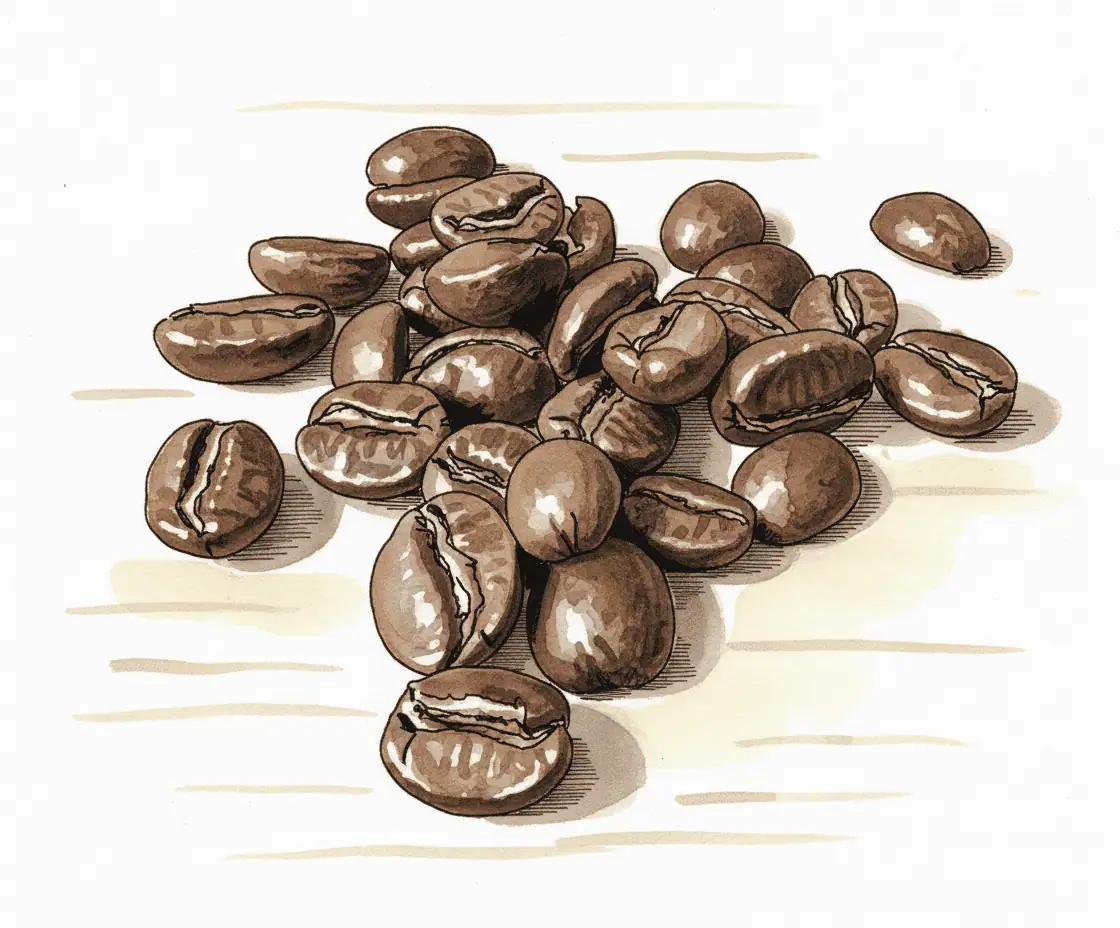
High‑altitude coffee beans

PINK BOURBON Colombia, Wilton Benitez
Deze Pink Bourbon van A Matter of Concrete komt uit Cauca, van producent Wilton Benítez op Granja Paraíso 92. Hij stuurt fermentatie precies aan en past thermal shock toe voor zuivere, expressieve aroma’s. Het resultaat is een heldere kop met tropisch fruit en een zijdezachte structuur. Denk aan passievrucht en een hint van rozenlimonade, met…
Pink Floyd – Colombia
DAK Pink Floyd is een opvallende Red Bourbon uit Acevedo in Huila, geteeld door Jhoan Vergara van Finca Las Flores. Door de anaerobic washed verwerking krijgt deze koffie veel spanning, maar blijft de kop schoon en helder. Verwacht een zoet profiel met roze snoep, lollipop, vanille ijs, groene appel en hibiscus. Daardoor voelt de koffie…
Pitalito – Colombia
Sango Pitalito Colombia is een uitgesproken filterkoffie van Elkin Guzman uit Huila. De washed Yellow Fruits Nectar cofermentatie geeft deze boon een helder en tropisch profiel.Daardoor proef je passievrucht, lychee en abrikoos, met levendige aciditeit en een schone, zijdezachte body. Sango brandt deze release licht tot medium en adviseert filter als beste zetmethode. Een specifiek…
Pitcher Perfect
De Pitcher Perfect blend is een unieke koffie die de smaken van Peru en Ethiopië combineert. Deze blend bevat variëteiten zoals Catuai, Pache, Caturra en Heirloom, wat zorgt voor een veelzijdige smaakervaring. Dankzij de gewassen en natuurlijke verwerkingsmethoden heeft de koffie een heldere, frisse smaak met een rijke zoetheid. Het aroma van donkere chocolade en…
Plum Marmelade – Honduras
Plum Marmelade van DAK Coffee Roasters is een opvallend zoete Honduras uit Chinacla in La Paz. Deze natural van de familie Caballero zet in op rijpe pruim, donkere bessenjam en een romige body. Daardoor voelt de koffie direct rijk, zacht en toegankelijk. Tegelijk blijft het profiel helder en verzorgd, zonder wilde fermenttonen. In dit artikel…
Pluma Hidalgo – Oaxaca – Mexico
Deze Pluma Hidalgo uit Oaxaca komt van kleine percelen in de Sierra Mazateca.De hoogte en koele nachten vertragen de rijping en geven gelaagde zoetheid.De bonen zijn gewassen verwerkt met circa 48 uur fermentatie en drogen op petates.In de kop proef je gedroogd fruit, bruine suiker, chocolade en groene appel. De body is middelzwaar, de zuren…
Popayán Decaf
Popayán Decaf komt van kleine boeren in Cauca op circa 1700 meter, met vulkanische bodems en een stabiel klimaat. De bonen worden cafeïnevrij gemaakt via suikerriet EA, een methode die meer dan 97 procent cafeïne verwijdert en de natuurlijke zoetheid bewaart. Het smaakprofiel biedt grapefruitachtige frisheid, zure tonen van rode appel, toffeezoetheid en een melkchocoladefinish.…
probeer pakket
Het probeer pakket van De Koffiekaravaan bundelt acht vaste koffies in één leerzame proefreis. Daardoor proef je heldere gewassen origins, romige Monsooned Malabar en aardse Mandheling naast elkaar. Zo wordt snel duidelijk hoe herkomst, verwerking en branding de kop sturen. Verwacht smaken van chocolade, karamel, citrus, bessen en specerijen. Bovendien deelt de brander gerichte zetadviezen:…
Proefpakket
Het Miss Morrison Proefpakket laat twee stijlen proeven. Favorite brengt Brazilië, Guatemala en Sumatra samen in een krachtige blend met aardse tonen, chocolade en een lichtzoete afdronk. De grote versie voegt Colombia Excelso uit Huila toe, gewassen verwerkt en zachter van karakter, met tonen van chocolade en kers. Daardoor ontstaat een helder contrast tussen vol…
Proefpakket
Het The Coffee Lodge Proefpakket bundelt vier herkomsten in één doos. Brazilië, Colombia, Tanzania en Peru laten samen zien hoe breed specialty coffee kan smaken. De Brazil uit Fazenda Recreio brengt karamel, noten en melkchocolade. De Colombia uit Huila voegt cranberry, karamel en donkere cacao toe. Ondertussen geven Peru en Tanzania extra balans, zachte aciditeit…
Proefpakket
Het Fleur de Café Proefpakket laat in één bundel vier duidelijke espresso stijlen proeven. Noir Désir en Style Italien mikken op krachtige espresso en melkdranken met veel body. Espresso Classic kiest voor een milde, volle kop die breed inzetbaar is. Primero valt op door zijn washed verwerking, cacao, zoetheid en toegankelijke balans. Daardoor is dit…
Proefpakket Arabica
Het Proefpakket Arabica van Fleur de Café laat drie stijlen naast elkaar proeven. Yellow Bourbon uit Cerrado Mineiro brengt zoetheid en zachte mokka door de semi-washed verwerking. AOC blijft mild en soepel, terwijl Magnifique meer body geeft met chocolade, mocca en cacao. Daardoor past dit pakket goed bij vergelijkend proeven thuis of in de horeca.…
Proefpakket De Laat Coffee
Proefpakket De Laat Coffee laat in één doos zien hoe een brander vijf duidelijke espresso stijlen opbouwt. De selectie bevat vijf zakken van 500 gram, met melanges die bewegen van citrus en florale tonen naar chocolade, karamel, noten en stevige body.De blends combineren herkomsten als Brazil Cerrado, Ethiopia Sidamo en Guatemala Antigua. Bovendien brandt De…
Proefpakket Tour du Monde
Het Tour du Monde proefpakket van Fleur de Café bundelt vier herkomsten in één doos: Brasil Yellow Bourbon, Guatemala Antigua Pastoral, Ethiopië Djimmah en Gayo Bio. Zo wordt snel duidelijk hoe oorsprong, hoogte en verwerking het smaakprofiel sturen, van cacao en noot tot aardse diepte en kruidige zachtheid.De koffies zijn geschikt voor alle toepassingen. Alleen…
Puur Goud
Puur Goud van Maalwerk Koffie is een washed blend uit hooggelegen percelen. De Full City roast levert romigheid, heldere zuren en tonen van cacao, noten en rood fruit. Deze melange is gemaakt voor dagelijkse drinkbaarheid, maar blijft levendig en schoon. Lees hoe selectie en slow roast uit Delfzijl dit profiel vasthouden, oogst na oogst.Aanbevolen zetmethodenEspresso,…
Qahwa
Qahwa van Man met de Baard komt uit Timor Leste. De boon geeft een volle body met aarde, kruidig en citrus. Het lichte tot midden brandprofiel houdt zoetheid en balans vast.Zo haal je het beste uit deze koffie:Espressomachine, korte extractie voor romige body en warme specerijen.Mokkapot voor krachtige kopjes die melk goed dragen.Cafetière voor een…
High Altitude (above 1500 meters)
Welcome to the world of high-altitude coffee! When you think of beans grown above 1500 meters, words like “refined,” “complex,” and “vibrant” often come to mind. But why exactly? In this article, we’ll dive into the effects of high altitudes on your espresso, the chemical composition of the beans, processing methods, and much more.
How altitude affects espresso flavor
At high altitudes, coffee cherries mature more slowly. This gradual ripening process allows sugars and acids in the fruit to develop over time, giving the beans ample opportunity to build a full range of flavors. When you use these beans for espresso, you’ll often taste a refined acidity and floral or fruity characteristics—think subtle citrus or berry aromas with a bright, almost “sparkling” quality. If you enjoy a delicate espresso, high-altitude beans are an excellent choice.
Chemical composition: density, sugars, and acids
Because the air is thinner and cooler at higher elevations, coffee trees receive less oxygen and grow at a slower pace. This results in denser beans that often exhibit higher acidity. The sugars develop more gradually, and the extended ripening contributes to a complex flavor structure. You end up with a bean that balances sweetness and complexity, translating into a lively cup of coffee. The increased density also impacts roasting profiles: roasters usually take extra care to highlight all those nuanced flavors.
Processing methods at high altitude
Thanks to the cooler, sometimes more humid climate, some coffee farmers opt for processing techniques that emphasize their beans’ unique characteristics. In many high-altitude regions, the washed method is especially popular, as it accentuates fruity and floral notes. Removing the pulp and mucilage under carefully controlled conditions allows any impurities to wash away, leaving a clean, pure flavor. There’s also some experimentation with natural and honey processes in these regions, though washed processing is often the standard for maintaining clarity.
Climate and microclimate
High-altitude environments have unique weather conditions: cooler nights, milder days, and often more rainfall. In some places, mist clings to the mountainsides, creating microclimates that can vary even from one slope to the next. This contributes to the slow ripening of cherries and the development of complex aromas. On the flip side, coffee farmers face challenges like fungal diseases in damp conditions, but the reward is a flavor profile cherished worldwide.
Yield and resilience
Growing coffee at 1500 meters or higher isn’t easy. The trees often produce fewer cherries because the plants expend more energy just to survive in cooler temperatures. Still, the beans command a premium for their pronounced quality and distinctive taste. Many farmers form cooperatives to share knowledge about cultivating coffee under these challenging conditions, employing innovative irrigation methods or using shade trees to protect their coffee plants.
Choosing coffee varieties
Not all coffee plants thrive at 2000 meters. Farmers often select varieties that can handle the cold and resist diseases, such as certain Arabica strains (like Bourbon, Typica, or Geisha). These varieties are known for their potential to develop subtle flavor nuances—a perfect match for the special circumstances high altitudes provide.
All in all, coffee from high altitudes isn’t just any cup of joe. Expect floral notes, a lively acidity, and refined aromas that will delight anyone seeking a bright and complex coffee experience.