
 NL
NL Hesselink Koffie
Hesselink Koffie began in 1885 as a colonial goods shop in Winterswijk and grew into a national slow-roast specialist. Four generations combine craftsmanship, sustainable innovations and direct trade, resulting in fair specialty Arabica blends and an almost CO2-neutral modern roastery.
Hesselink Koffie Beans
Showing 1–16 of 17 results
De goedkoopste prijzen per 1 kg worden weergegeven
-

Café Tres Suramérica
€ 85,50 -
Colombia Excelso RFA
€ 28,60 -
Ethiopia Sidamo RFA
€ 29,60 -
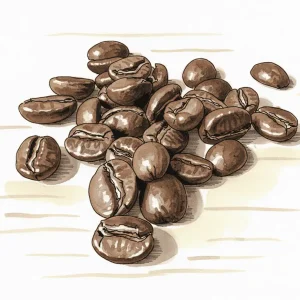
Fairtrade Organic Arenal
€ 31,50 -
Fairtrade Organic Romeral
€ 31,75 -
Fairtrade Organic Verde
€ 28,80 -
Guatemala Antigua RFA
€ 28,60 -
Kenia AA RFA
€ 33,25 -
Rainforest Casita
€ 27,60 -
Rainforest Cayembe
€ 30,80 -
Rainforest El Tigre
€ 31,80 -
Rainforest NoCaf
€ 30,25
More About Hesselink Koffie
History of an Achterhoek pioneer
Hesselink Koffie was founded in 1885, when J.W. Hesselink opened a colonial goods shop with its own roastery in Winterswijk. Neighbors soon praised the fragrant coffee beans from his drum roaster. In 1922 his sons joined and shifted the focus to pure coffee production, a smart move shortly before the supermarket revolution. After World War II, grandson Jan deliberately chose to supply the hospitality trade, which saved the family business and allowed it to grow.
From 1983 the fourth generation, Gerrit, led the roastery to national recognition. The centenary in 1985 marked a move to a larger premises, ready for nationwide distribution. In 2010 Hesselink was granted the title “Bij Koninklijke Beschikking Hofleverancier” (By Royal Decree, Purveyor to the Royal Household), a rare honour for dependable quality. Today the fourth and fifth generations are at the helm, keeping 140 years of expertise alive.
Craftsmanship and roasting technique
The core of Hesselink's flavour profile is the easy-roast method: slow roasting at 190–206 °C. This gives the beans time to caramelize sugars evenly, producing a rounded, sweet cup. Each batch is immediately tested for colour and aroma so that every bag has the same signature. Computers control the temperature curve, while experienced roasters monitor the process meticulously.
- Slow roast preserves complexity and prevents bitter notes
- Every roast receives a sample score before release
- Waste heat warms the building via a heat-recovery system
- 850 solar panels supply power for an energy-neutral roastery
- Every roast receives a sample score before release
- Waste heat warms the building via a heat-recovery system
- 850 solar panels supply power for an energy-neutral roastery
Assortment and signature blends
Hesselink uses exclusively Arabicas with at least 80 SCAA points, i.e., specialty level. Their Fingerprinted line is doubly certified: Max Havelaar Fairtrade and SKAL organic, unique in the Netherlands. In addition to classic espresso blends they offer seasonal specials and single origins from, among others, Santa Maria, Colombia. Customers can even have custom blends created; the master roasters adjust the recipe and the roasting until the desired flavor profile is achieved.
For convenience Hesselink also launched single-serve cups and capsules, tailored to popular machines used in offices and homes. Hospitality partners appreciate the freshly ground filter options, while baristas enjoy experimenting with the limited micro-lots. Thanks to the Coffee Coaching Centers, new flavors are tested directly by professionals, which encourages rapid product improvement.
Sustainable innovations
Quality and sustainability go hand in hand at Hesselink. Since 2016 the roastery has processed only Rainforest Alliance-certified beans and consistently pays higher premiums for environmentally friendly lots. The Winterswijk premises achieved a BREEAM-Excellent score and is largely clad in renewable MOSO bamboo. Mono-material packaging is fully recyclable and white in color so sorting robots can recognize it more easily.
By recovering heat, using efficient roasters and generating 100% green electricity, production is virtually CO₂-neutral. The next step is ISO 14001 certification for systematic environmental management. This approach demonstrates that a mid-size roaster can combine economic success with a low ecological footprint.
Collaboration with farmers and the community
Direct trade lies at the heart of Hesselink's sourcing. By working without intermediaries the farmer receives a fairer price and the roaster retains full origin transparency. The partnership goes beyond purchasing: the Hesselink Koffie Foundation finances education, sustainable farming techniques and climate-resilient varieties in producing regions.
Locally, Hesselink also invests in knowledge sharing. Barista workshops, cuppings and machine training sessions raise coffee quality in cafés and offices. Regular tours of the roastery make the coffee supply chain tangible for visitors and strengthen the bond between the brand and the community.
Future and growth
With the arrival of Roel Hesselink, MBA, graduated in Costa Rica, a fresh international perspective is flowing into the company. The fifth generation aims to further digitize, expand subscriptions for home consumers and launch new direct-source projects. In addition, the team is researching climate-resistant varieties to secure the coffee supply for the next fifty years.
Growth, however, remains tied to the motto "Happiness in your cup". Every innovation, from energy-positive distribution to exotic limited editions, must contribute to a better cup of coffee and a fairer supply chain. This long-term thinking, rooted in 140 years of tradition, promises a steady course in a rapidly changing coffee world.
Conclusion
Hesselink Koffie shows that family values, technological precision and sustainability can reinforce each other. By slow-roasting, trading fairly and investing heavily in people and the planet, the brand confidently moves between craft and modernity. Those seeking insight into the future of Dutch coffee will find an inspiring example in Winterswijk.
Disclaimer: We doen ons best om alle informatie in dit artikel zo kloppend mogelijk te houden. Ben je toch iets tegengekomen wat niet (meer) helemaal juist is? Stuur dan een berichtje naar de redactie via redactie@grachtenbeans.nl, dan passen we het aan!