
 NL
Burgemeesterswijk Hoogkamp offers a calm coffee culture with neighbourhood cafés, bakeries and park-oriented hospitality around Sonsbeek, where coffee is about walking, patisserie, social contact and comfort.
Roasters in Burgemeesterswijk/Hoogkamp
Blommers Coffee Roasters
Boot Koffie
Buscaglione Espresso
Coffee Bars in Burgemeesterswijk/Hoogkamp

Stadsvilla Sonsbeek
Stadsvilla Sonsbeek is part of Buitenplaats Sonsbeek in Arnhem. The article describes the history, coffee information, menu items, events, and renovation.
De Vide
De Vide is a hospitality venue in Gulden Hart in Arnhem, offering coffee, tea, light bites, and catering services within a repurposed church building.
More over Burgemeesterswijk/Hoogkamp
Coffee Culture in Burgemeesterswijk/Hoogkamp: quiet, green, and local
Burgemeesterswijk/Hoogkamp in Arnhem is not a densely populated specialty coffee hub. The most prominent Arnhem specialty bars are primarily located in and around the city center. In this neighborhood, coffee is more about residential life, strolling, fresh bread, patisserie, community connection, and visits to the park. That doesn’t make the area any less interesting, but it does make it different from your typical third-wave coffee street.
The area includes Hoogkamp, Sonsbeek/Zijpendaal, Gulden Bodem, Sterrenberg, Burgemeesterswijk, and Transvaalbuurt. Several park-side businesses on the edges of Sonsbeek and Zijpendaal are also part of the local coffee landscape. Together, they form a coffee culture with a clear daily function.
Historical Foundations: villas, parks, and neighborhood cafes
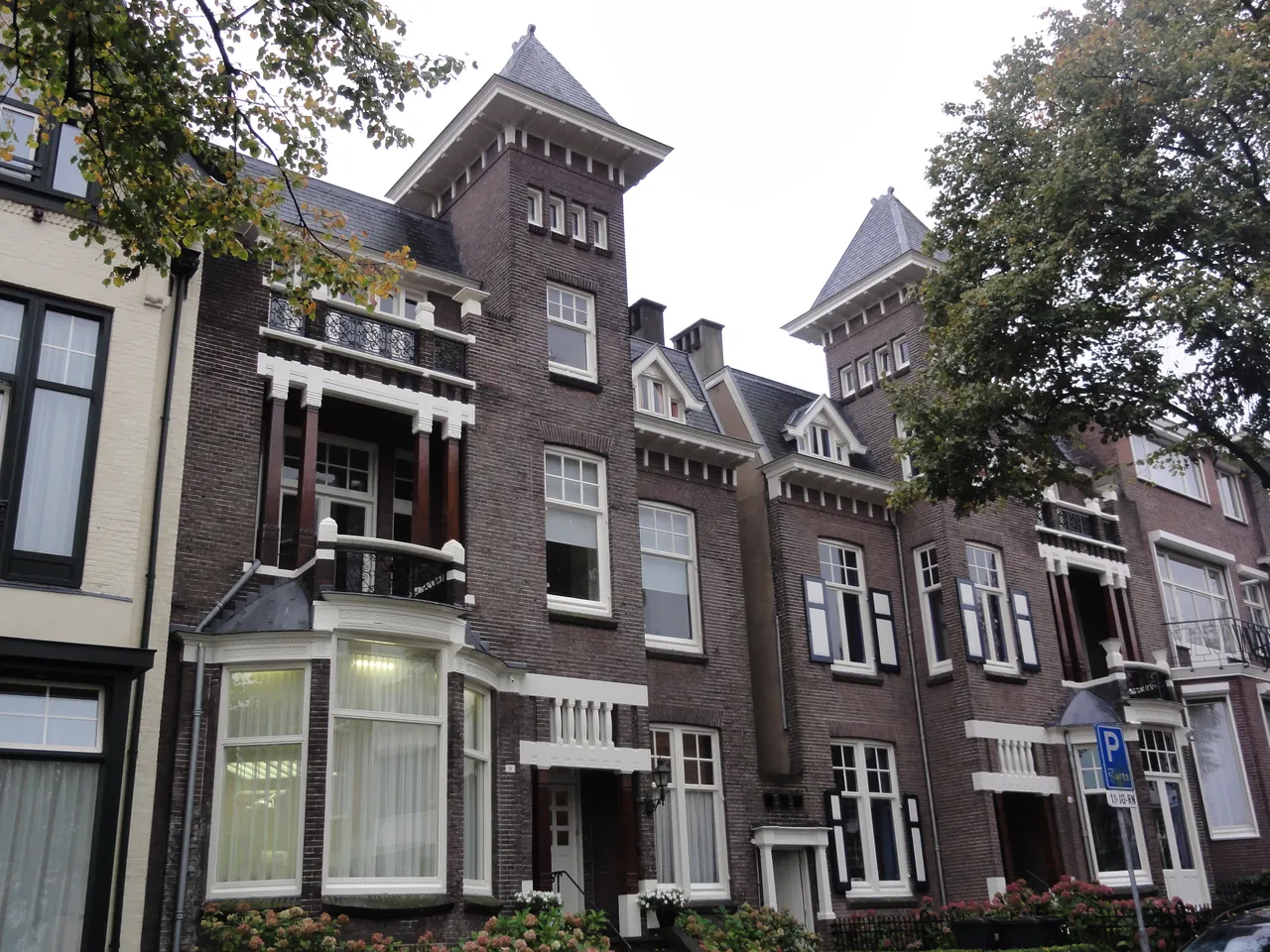
The coffee history of Burgemeesterswijk/Hoogkamp doesn’t stem from industry, student life, or an old coffee house tradition. Instead, its foundation lies in villa architecture, suburban comfort, and the hospitality surrounding Park Sonsbeek. Burgemeesterswijk was developed starting in 1885 on part of the Sonsbeek estate. The streets were named after Arnhem’s mayors and aldermen.
The architecture, ranging from Art Nouveau to the Amsterdam School, gave the area a distinguished residential character. Hoogkamp later developed as a quiet, spacious neighborhood from the 1930s, featuring luxury homes and extensive social infrastructure centered around tennis, schools, churches, and associations.
Park Sonsbeek represents the oldest coffee-related layer. The park features six cafes and restaurants housed in historic buildings. The former Sonsbeekpaviljoen began as a tea room. The Witte Villa and Stadsvilla also fit into a long tradition of walking, scenic views, and leisurely stays.
The Modern Map: small and diverse
The current scene is small-scale and eclectic. Ezzy’s Ontbijt, Lunch en Koffiebar at Van Lawick van Pabststraat 69 has the most distinct coffee bar identity. The establishment describes itself as a cozy coffee bar with homemade patisserie, located next to Sonsbeekpark and about a ten-minute walk from Arnhem Centraal.
Bakkerscafé Koenen at Amsterdamseweg 124 fulfills a different role. This is primarily a bakery cafe with a community function, early opening hours, and a natural pairing of coffee, bread, and pastries. The direct location name “Burgemeesterswijk” reinforces that local position.
De Vide at Bakenbergseweg 72 is a striking new addition to the scene. Located in the former Gulden Hartkerk, this café focuses on coffee, cake, quiet work, studying, and conversation. Its position on the mezzanine, offering both a view and a sense of tranquility, gives the establishment its own unique character.
Brasserie Zypendaal, Grand Café Aan de Beek, and Stadsvilla Sonsbeek are less focused on the specialty side of coffee. Nevertheless, they remain culturally significant, catering to walkers, terrace guests, and visitors who pair their coffee with a stroll through the park, lunch, drinks, or breakfast.
Key stops for the coffee route
- Ezzy’s Ontbijt, Lunch en Koffiebar: Van Lawick at Pabststraat 69.
- Bakkerscafé Koenen – Burgemeesterswijk: Amsterdamseweg 124.
- De Vide: Bakenbergseweg 72, located in the former Gulden Hartkerk.
- Brasserie Zypendaal: Zijpendaalseweg 95, opposite Sonsbeek.
- Grand Café Aan de Beek and Stadsvilla Sonsbeek: park-oriented coffee and hospitality spots.
Coffee as social glue
In this neighborhood, coffee acts primarily as a gentle social glue. It is about fixed routines, neighborhood chats, walks in the park, quiet moments of work, and volunteering. The Wijkcentrum Bakermat plays a key role in this; their weekday coffee mornings welcome residents from Monday to Friday between 10:00 and 12:30.
Around these coffee moments, activities such as bridge, chess, and occasionally music emerge. The Repair Café Bakermat fits into this pattern as well. It began in 2014 with repair sessions in private homes in Hoogkamp before moving to Bakermat. These sessions take place monthly on Tuesday mornings, coinciding with the coffee morning.
No verifiable neighborhood-based cuppings, filter clubs, latte art competitions, or roaster pop-ups were found. Local events revolve more broadly around social connection, culture, sustainability, repair, and music.
Who drinks coffee here, and what are they looking for?
The local taste is partly shaped by an affluent, relatively older, and spacious residential area. Arnhem describes the neighborhood as green, close to large parks and the city center, with a relatively high number of older residents and few residents of Arnhem with a migration background.
In 2026, the neighborhood had 7,767 inhabitants and 3,468 homes. Of those homes, 74% were owner-occupied. The average WOZ value in 2025 was ̴a;₦617,000. The income profile is also strong: in 2024, Burgemeesterswijk/Hoogkamp ranked top among Arnhem’s neighborhoods with an average gross annual income per inhabitant of ̴a;₦49,600.
For entrepreneurs, this indicates a demand for quality, comfort, and recognizable daytime hospitality. The signals are clear: homemade pastries at Ezzy’s, coffee paired with bread and cake at Koenen, and warm drinks with cake in the tranquil setting of De Vide.
Sustainability: more of a neighborhood practice than a coffee trend
Coffee-specific green initiatives are not very visible. No verifiable neighborhood-wide program was found for reusable cups, coffee ground composting, or bean delivery by bike from a local roaster. Nevertheless, the neighborhood has a strong culture of reuse and practical community spirit.
The Repair Café during the coffee morning is the best example of this. Similarly, the Sustainability Festival at Bakermat in 2024 fits this pattern, focusing on energy, biodiversity, climate adaptation, water conservation, mobility, circularity, clothing swaps, and tool sharing.
For a future specialty operator, there is a clear opportunity here. The best fit is not a fast-paced city bar concept, but rather relaxed daytime hospitality, park-oriented reusable cups, local reuse networks, and a visible connection with the community.