
 NL
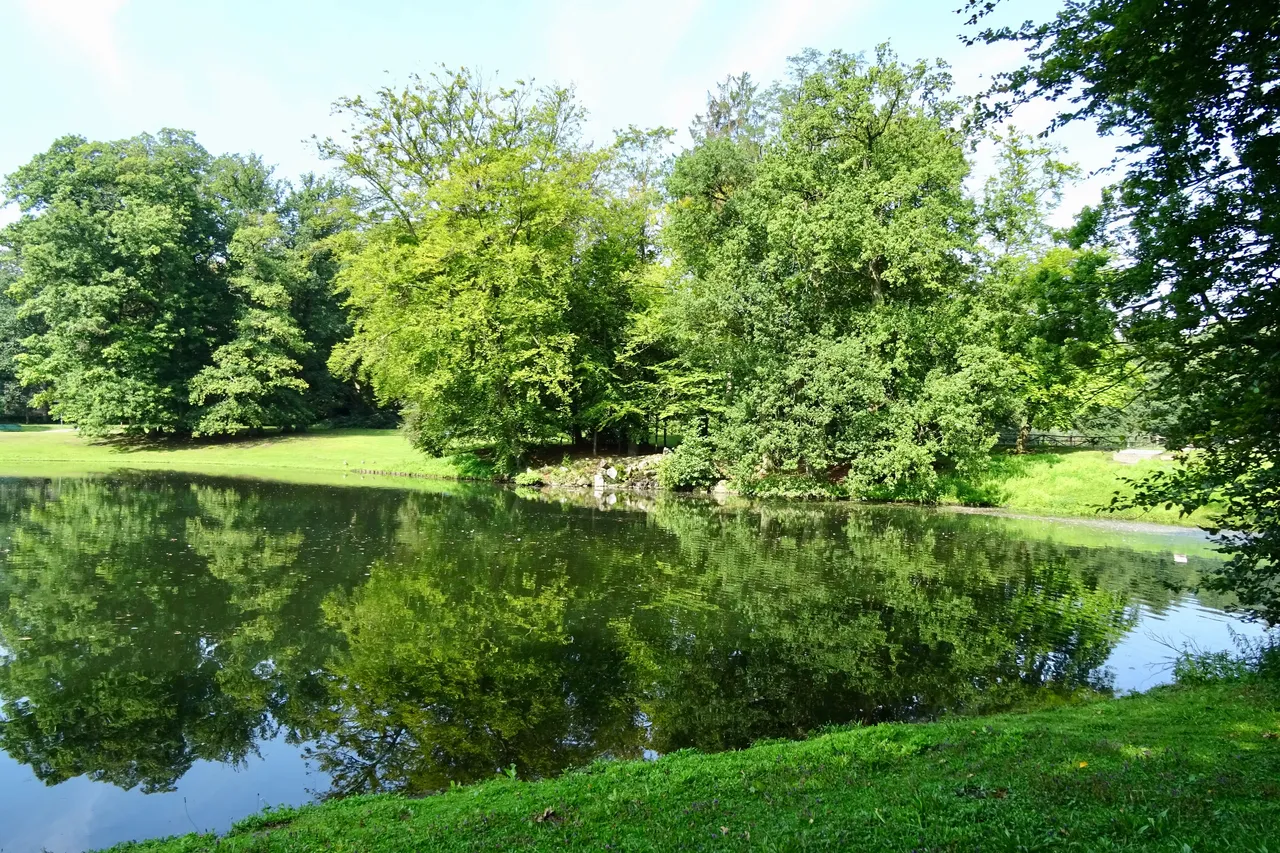
NL St. Marten and Sonsbeek live by the rhythm of the park. Pavilions, Stadsvilla, Ketelhuis and Heisa Koffiebar attract walkers, commuters and families, with weekend peaks around Park Open, Open Coffee and ArnhemProeft, plus attention to sustainable cups and local makers.
Roasters in St. Marten/Sonsbeek
Buscaglione Espresso
Pomezia
Beans
3 beans
Coffee Bars in St. Marten/Sonsbeek

Buitenplaats Sonsbeek (Stadsvilla Sonsbeek & Ketelhuis Sonsbeek)
Buitenplaats Sonsbeek comprises Stadsvilla Sonsbeek and Ketelhuis Sonsbeek in Park Sonsbeek. The article describes the development, functions, coffee, renovation, and events.
More over St. Marten/Sonsbeek
Coffee Culture in St. Marten/Sonsbeek, Arnhem
St. Marten/Sonsbeek breathes the rhythm of the park. The coffee culture didn’t grow around universities or factories, but along the pavilions, terraces, and neighborhood cafés near Sonsbeek Park. The established habit of “coffee after a walk” still defines the daily peak hours.
De Molenplaats, located by the former Witte Watermolen, has been an anchor point for centuries. It evolved from a mill in the 15th century to a visitor center in 1983 and now offers a simple, self-service bar. As such, the location remains primarily a nature-driven meeting spot with accessible coffee.
Historical lines and recent shifts
Terrace and pavilion culture are decisive here. De Witte Villa, also known as Stadsvilla Sonsbeek, and the Ketelhuis became classic stops for coffee and cake after a stroll through the park. The atmosphere aligns with the Arnhem tradition of “uitwaaien”—getting some fresh air, sitting in the sun, and then having something warm in hand.
In Sint Marten, the heritage of “bruine cafés” (traditional brown cafes) also resonates. The long-standing presence of establishments like “Nieuw Sint Marten” around the Nijhoffstraat illustrates that the neighborhood did not originate from espresso bars, but from a living-room culture where community life comes first.
In 2023, A Beautiful Mess left De Molenplaats. The reopening with a low-key self-service counter first reaffirmed its role as a visitor center. At the same time, 2024–2025 brought something new to Station Arnhem Velperpoort. Heisa Koffiebar marks the arrival of a distinct third-wave signature within the neighborhood boundaries.
The current scene: compact and characteristic
The selection is smaller than in Arnhem Centrum or Klarendal, but the profile is clear. The stretch along Sonsbeeksingel and the locations within the park draw the largest crowds during the day, ranging from strollers to young families.
- Heisa Koffiebar, Sonsbeeksingel 160, specialty coffee, matcha and homemade pastries, featuring workshops and pop-ups in the evening.
- Ketelhuis Sonsbeek, Tellegenlaan 4, breakfast and patisserie with a large terrace overlooking the park.
- Stadsvilla Sonsbeek, Tellegenlaan 3, an iconic villa for coffee and apple pie, high tea, weddings and events.
- Grand Café Aan de Beek, Zijpendaalseweg 26–28, park-side with an emphasis on coffee to go along the Sint-Jansbeek.
- Café Nescio, De Wiltstraat 51a, the living room of Sint Marten with pub activities, daily coffee and afternoon meet-ups.
The combination of park pavilions and one clear specialty hub makes the landscape easy to navigate. The area near the station by Heisa serves commuters, while the pavilions primarily attract morning and weekend guests.
Rhythm, community and events
Coffee acts as a bridge between leisure in the greenery and the street life of the neighborhood. Short queues for to-go coffee at Aan de Beek and morning pastries at Ketelhuis frame the weekend ritual of dog owners, parents with strollers and groups of friends.
- Open Coffee Arnhem, monthly and free networking at or around Molenplaats and the Witte Villa, usually on the first Friday from 10.00 to 12.00.
- Park Open on the Ronde Weide, free Sunday concerts that cause demand peaks for field vendors and park cafés.
- ArnhemProeft! in Sonsbeek, a summer food festival with local cuisines and coffee stands that concentrates the flow of visitors.
- Café Nescio hosts quizzes and neighborhood activities, which reinforces the informal coffee moments on weekend afternoons.
On event days, the peak often shifts toward the afternoon. Before and after programs, visitors flock to the terraces, while the flow in the field is handled by temporary vendors.
Who drinks coffee here and when
The neighborhood has approximately 5,700 to 5,800 residents and about 3,300 households. The average household size is around 1.7, with single-person households making up about 55 percent. The 25 to 44 age group accounts for roughly 40 percent, which helps shape the daily rhythm of the area.
Sint Marten/Sonsbeek is densely built with many pre-war homes. Limited parking and compact apartment blocks encourage short local trips and frequent use of the park. This translates into a surge in morning consumption, busy sunny weekends, and a strong emphasis on takeaway, especially for those heading toward the walking trails.
Interest in specialty coffee is evident at Heisa, with their espresso and matcha offerings. At the same time, the classic combination of coffee and cake remains strong at Stadsvilla and Ketelhuis. During school holidays and festivals, peak hours shift toward the afternoon, with a larger role for terraces and group visits.
Sustainability as a core pillar
Sustainability is not an afterthought. De Molenplaats “puts sustainability first” during gatherings and chooses the most local catering possible. The simple bar concept aligns with a low-waste, no-frills approach, ideal for walkers and informal meetings.
Heisa positions impact-driven entrepreneurship as a core value and collaborates with local makers. In and around Sonsbeek, reusable cups have been actively promoted, sometimes with incentives for visitors who help clean up. The pavilions mostly use porcelain for on-site service, which limits the use of disposables.
What is missing and where the opportunities lie
There is a clear gap when it comes to micro-roasters within the neighborhood. Specialty branding for Arnhem largely takes place outside of St. Marten/Sonsbeek. Additionally, archives regarding specific historical coffee houses in Sint Marten are sparse. Consequently, the narrative flows through park pavilions, traditional brown cafés, and visitor hospitality.
For stakeholders, this outlines a clear playing field. Park-centric daily patterns dominate, terraces define the experience, and a few station-side spots capture the commuters. Those looking to make a difference can tap into the park rituals, event peaks, and the demand for quality highlighted by Heisa, all while preserving the charm of the “coffee-after-the-walk” tradition.