
 NL
NL High-Altitude Coffee
At high altitudes (above 1500 meters), coffee cherries ripen more slowly, resulting in denser beans with pronounced aromas. The lower temperature and thinner air foster a complex flavor profile, often characterized by high acidity and fruity, floral, or wine-like notes. Regions such as Ethiopia and parts of Latin America are known for their high-altitude coffees, which are prized for their refined and sparkling character.
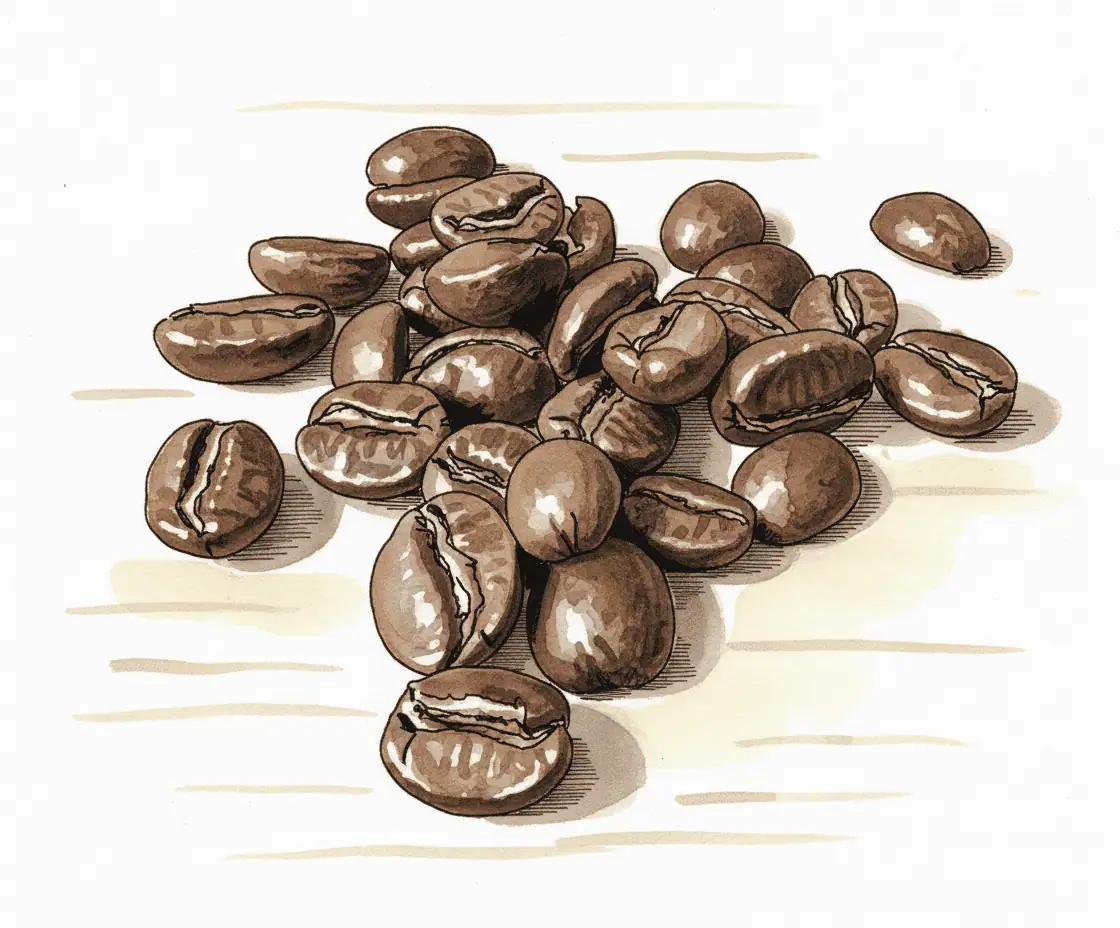
High‑altitude coffee beans

Ethiopie
Henry’s Coffee Ethiopië Yirgacheffe komt van Abebe Hilu uit Wogida, op 2.060 meter hoogte. Deze natural koffie biedt tonen van bessen, melkchocolade en tropisch fruit. Daardoor ontstaat een zoete, levendige kop met frisse zuren en een soepele body.Geschikt als omniroast voor filter en espressoExtra lekker voor flash brew en espresso tonicLimited edition met traceerbare herkomst
Ethiopie
Henry’s Coffee Ethiopië Yirgacheffe komt van Abebe Hilu uit Wogida, op 2.060 meter hoogte. Deze natural koffie biedt tonen van bessen, melkchocolade en tropisch fruit. Daardoor ontstaat een zoete, levendige kop met frisse zuren en een soepele body.Geschikt als omniroast voor filter en espressoExtra lekker voor flash brew en espresso tonicLimited edition met traceerbare herkomst
Ethiopie
Henry’s Coffee Ethiopië Yirgacheffe komt van Abebe Hilu uit Wogida, op 2.060 meter hoogte. Deze natural koffie biedt tonen van bessen, melkchocolade en tropisch fruit. Daardoor ontstaat een zoete, levendige kop met frisse zuren en een soepele body.Geschikt als omniroast voor filter en espressoExtra lekker voor flash brew en espresso tonicLimited edition met traceerbare herkomst
Ethiopië – Decaf Telila CWS
Deze decaf komt van Telila in Jimma, Ethiopië, via Osito. KOSU brandt wekelijks voor versheid.De boon is JARC 74112 van circa 2000 meter. Het gewassen profiel blijft helder na suikerriet EA decaf.Verwacht citrus, steenvrucht, karamel en melkchocoladeMiddelhoge, sprankelende aciditeit en zijdeachtig mondgevoelGeschikt voor pour over en moderne, lichte espressoDaglots en Ecotact zorgen voor traceerbaarheid en…
Ethiopië Shantawena
Deze single origin uit Sidama Bensa valt op door helder fruit, florale accenten en een sappige body. Ethiopië Shantawena is natural processed door Daye Bensa, waardoor zoetheid en tropisch karakter mooi samenkomen. Moto Coffee roosterde het zo dat filter en espresso beide schitteren.In dit artikel lees je herkomst, verwerking en proefnotities, plus praktische zetadviezen.V60 start:…
Ethiopië Sidamo
De Ethiopië Sidamo van Maalwerk Koffie is een schitterende koffie uit het bergachtige zuiden van Ethiopië. Met een natte verwerking en ‘slow roast’ branding levert deze Arabica een complex smaakprofiel van citrus, honing en chocolade. De medium roast zorgt voor een uitstekende balans, perfect voor filterkoffie en espresso. Deze koffie biedt een dynamische ervaring met…
Ethiopië Sidamo Grade 2
Ethiopië Sidamo Grade 2 van De Koffiekaravaan laat zien waarom gewassen Sidama zo geliefd is. Deze koffie komt uit Zuid Ethiopië en biedt chocolade, perzik, abrikoos en karamel in een heldere, zoete kop. Daardoor blijft het profiel klassiek Ethiopisch, maar ook breed toegankelijk. De body is mooi aanwezig, terwijl de aciditeit fris en schoon blijft.…
Ethiopië Special Select
Ethiopië Special Select van Roast’n Toast komt uit Kaffa, de groene bakermat van arabica. Deze natural koffie groeit in schaduwrijk bos op grote hoogte en rijpt daardoor langzaam. Dat zorgt voor een zachte espresso met tonen van dadels, honing, kersen, rode bosvruchten en karamel. Bovendien blijft de body rond en de afdronk lang, met een…
Ethiopië Suke Q
De Ethiopië Suke Q is een uitzonderlijke koffie van de Suke Quto-boerderij in de Guji-regio. Geroosterd door Moto Coffee, benadrukt deze koffie zoetheid en fruitigheid, met smaaknoten van perzik en citrus. De natuurlijke verwerkingsmethode zorgt voor een intensere smaak, terwijl de biologische teelt en duurzame praktijken de regio ondersteunen. Deze koffie is geschikt voor zowel…
Ethiopië Yirgaceffe
Deze Ethiopië Yirgacheffe van De Ouwe Smidte brengt darjeeling, lime, citroen en grapefruit in een schone kop. De gewassen verwerking legt de nadruk op helderheid en een zijdeachtig mondgevoel. Verwacht een levendige aciditeit die speelt met florale accenten en een droge nasmaak. Door de lichte branding schittert deze boon vooral in filterbereidingen. Wie meer zoetheid…
Ethiopië Yirgacheffe
Deze single origin uit Yirgacheffe levert een heldere, bloemige kop met sprankelende citrus. Koffie van Hoorn kiest bewust voor de klassieke gewassen stijl. Herkomst Ethiopië Yirgacheffe, hoogtes 1700 tot 2200 meter Verwerking fully washed voor precisie en transparantie Smaak jasmijn, bergamot, frisse citrus, schone afdronk De body blijft licht tot medium, de zoetheid bouwt op…
Ethiopië Yirgacheffe Sidamo
Deze single origin uit Sidama Yirgacheffe toont waarom Ethiopië geliefd blijft. De gewassen verwerking geeft een glashelder profiel met florale finesse. Het brandprofiel ondersteunt zowel espresso als filter en bewaart frisheid en zoetheid.Herkomst Ethiopië Sidama YirgacheffeVerwerking gewassen voor transparantieSmaak jasmijn bergamot perzikBody licht tot middellicht met schone finishVerwacht levendige zuren, een theachtig mondgevoel en een…
Ethiopië Yirgacheffe, Sidamo district
Deze Yirgacheffe uit de Gedeo-zone komt van kleine boeren binnen coöperatie YCFCU. Rijpe bessen drogen natuurlijk op verhoogde bedden in de zon, tien tot vijftien dagen. De hoogte rond 1900 meter brengt helderheid en gelaagde zoetheid in de kop. Growing Green Coffee brandt kleinschalig en bewaakt zo een schone, sprankelende expressie.Aroma noten en citrus, met…
Ethiopië, Sidama, Keramo Station
Deze single origin espresso komt uit Keramo in Sidama, beheerd door Daye Bensa. De variëteit 74112 groeit extreem hoog in Bombe, wat spanning en precisie geeft. De bonen zijn gewassen gefermenteerd gedurende 72 uur, voor een heldere, schone kop. Verwacht jasmijn, limoen en granaatappel, met zwarte thee in de nasmaak.Roaster: Lucifer Coffee RoastersVerwerking: gewassen, 72…
Exclusive Selection – Bourbon Sidra
Deze microlot uit Pitalito Huila koppelt Sidra elegantie aan fruitige diepte. Fancy Beans roostert gericht op helderheid en zoete extractie. Verwacht levendige zuren, rijpe zoetheid en een fluwelig mondgevoel.Herkomst Colombia Huila finca Buenos Aires producent Jhonatan Zúñiga.Proces anaerobic natural met schone tropische expressie.Smaak lychee perzikstroop cacao nibs ananas mango perzik.Brouwadvies filter middelgrove maling hoge extractie…
High Altitude (above 1500 meters)
Welcome to the world of high-altitude coffee! When you think of beans grown above 1500 meters, words like “refined,” “complex,” and “vibrant” often come to mind. But why exactly? In this article, we’ll dive into the effects of high altitudes on your espresso, the chemical composition of the beans, processing methods, and much more.
How altitude affects espresso flavor
At high altitudes, coffee cherries mature more slowly. This gradual ripening process allows sugars and acids in the fruit to develop over time, giving the beans ample opportunity to build a full range of flavors. When you use these beans for espresso, you’ll often taste a refined acidity and floral or fruity characteristics—think subtle citrus or berry aromas with a bright, almost “sparkling” quality. If you enjoy a delicate espresso, high-altitude beans are an excellent choice.
Chemical composition: density, sugars, and acids
Because the air is thinner and cooler at higher elevations, coffee trees receive less oxygen and grow at a slower pace. This results in denser beans that often exhibit higher acidity. The sugars develop more gradually, and the extended ripening contributes to a complex flavor structure. You end up with a bean that balances sweetness and complexity, translating into a lively cup of coffee. The increased density also impacts roasting profiles: roasters usually take extra care to highlight all those nuanced flavors.
Processing methods at high altitude
Thanks to the cooler, sometimes more humid climate, some coffee farmers opt for processing techniques that emphasize their beans’ unique characteristics. In many high-altitude regions, the washed method is especially popular, as it accentuates fruity and floral notes. Removing the pulp and mucilage under carefully controlled conditions allows any impurities to wash away, leaving a clean, pure flavor. There’s also some experimentation with natural and honey processes in these regions, though washed processing is often the standard for maintaining clarity.
Climate and microclimate
High-altitude environments have unique weather conditions: cooler nights, milder days, and often more rainfall. In some places, mist clings to the mountainsides, creating microclimates that can vary even from one slope to the next. This contributes to the slow ripening of cherries and the development of complex aromas. On the flip side, coffee farmers face challenges like fungal diseases in damp conditions, but the reward is a flavor profile cherished worldwide.
Yield and resilience
Growing coffee at 1500 meters or higher isn’t easy. The trees often produce fewer cherries because the plants expend more energy just to survive in cooler temperatures. Still, the beans command a premium for their pronounced quality and distinctive taste. Many farmers form cooperatives to share knowledge about cultivating coffee under these challenging conditions, employing innovative irrigation methods or using shade trees to protect their coffee plants.
Choosing coffee varieties
Not all coffee plants thrive at 2000 meters. Farmers often select varieties that can handle the cold and resist diseases, such as certain Arabica strains (like Bourbon, Typica, or Geisha). These varieties are known for their potential to develop subtle flavor nuances—a perfect match for the special circumstances high altitudes provide.
All in all, coffee from high altitudes isn’t just any cup of joe. Expect floral notes, a lively acidity, and refined aromas that will delight anyone seeking a bright and complex coffee experience.