
 NL
NL High-Altitude Coffee
At high altitudes (above 1500 meters), coffee cherries ripen more slowly, resulting in denser beans with pronounced aromas. The lower temperature and thinner air foster a complex flavor profile, often characterized by high acidity and fruity, floral, or wine-like notes. Regions such as Ethiopia and parts of Latin America are known for their high-altitude coffees, which are prized for their refined and sparkling character.
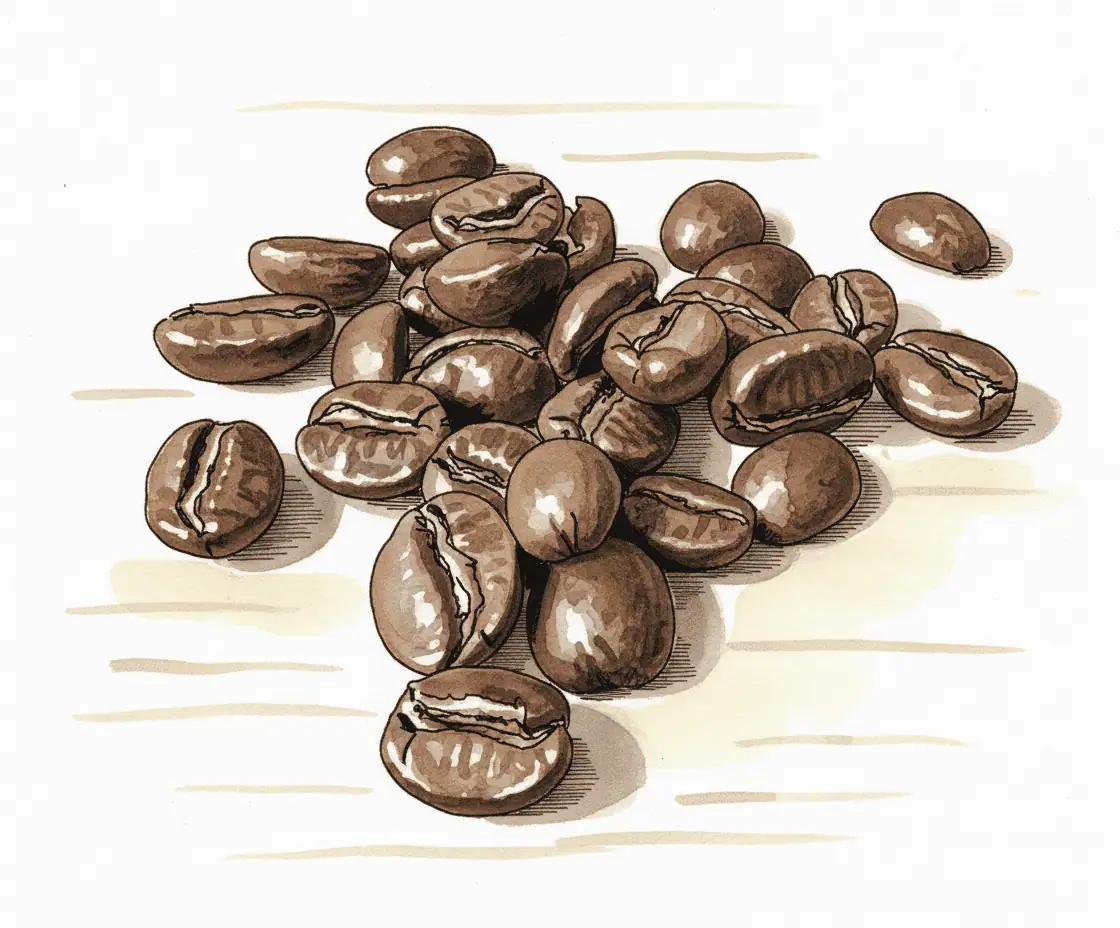
High‑altitude coffee beans

Kenya Kii AA
Kenya Kii AA van Five Ways laat klassieke Keniaanse helderheid mooi spreken. Deze filterkoffie komt uit Kirinyaga, groeit hoog op vulkanische bodem en wordt volledig gewassen verwerkt. Daardoor ontstaat een schone, sappige kop met levendige zuren, frisse zoetheid en veel definitie. Five Ways brandt deze release om terroir en verwerking centraal te zetten, niet om…
Kenya Kirimahiga New Kiriti
Kenya Kirimahiga New Kiriti van The Village Coffee & Music is een seizoenslot uit Mathioya in Centraal Kenia. Deze washed koffie komt van kleine boeren die leveren aan het Kirimahiga washing station. Daardoor blijft de herkomst helder en precies in de kop. Verwacht diepe zoetheid, rode bes, florale tonen en een schone, lange afdronk. De…
Kenya Mount Kenya AA Plus
Mount Kenya AA Plus komt van kleine producenten rond de berg Kenya. De bonen groeien op vulkanische hoogten en worden licht gebrand voor een frisse citrusnoot met een rijke body. Het profiel is krachtig en complex, met helderheid en volheid in balans. Deze graad is doorgaans volledig gewassen en bestaat vaak uit SL28 en SL34,…
Kenya Thunguri
Kenya Thunguri van Ief en Ido laat zien waarom Kirinyaga zo geliefd is. Deze lichte roast komt van Thunguri Factory, waar kleine boeren op grote hoogte werken. Daardoor ontstaat een heldere kop met spanning en veel precisie. In het profiel proef je rabarber, rode bes en zwarte thee. De dubbele fermentatie geeft extra gelaagdheid, een…
Keramo Ethiopia Sidama
Keramo Ethiopia Sidama van Uncommon Coffee laat zien waarom Bensa zo hoog staat aangeschreven. Deze natural uit Ethiopië komt van het Keramo station van Daye Bensa, op 2.260 tot 2.360 meter hoogte.In de kop proef je blueberry, strawberry en jasmine, met sappige zoetheid, frisse zuren en een zijdezacht mondgevoel. Daardoor past deze single origin goed…
Kianamui
Shokunin Kianamui laat klassiek gewassen Kenia helder en precies smaken. Deze koffie uit Kirinyaga combineert cassis, braam en rozenbottel met een theeachtige body en levendige frisheid. Daardoor blijft het profiel schoon, sappig en goed gelaagd. De boon is fully washed en bestaat uit SL28 en SL34, wat veel detail in het kopje geeft.Voor filter komt…
Kibingo Burundi Red Bourbon
Kibingo Burundi Red Bourbon van Uncommon Coffee laat zien hoe sterk een collectief lot kan smaken. Deze washed koffie uit Kayanza komt van 1.739 kleine boeren en biedt veel helderheid in de kop. Daardoor proef je braam, citroen en zwarte thee met een schone, zijdeachtige structuur. De hoge ligging en Red Bourbon variëteit zorgen tegelijk…
Kirimara Limited Edition
Kirimara Limited Edition van Steans Beans komt van Kamavindi Estate in Embu, op de flanken van Mount Kenya. Deze licht gebrande natural levert een levendige kop met rijp fruit, frisse zuren en een ronde zoetheid.Cuppingscore: 86Herkomst: Kenya, Embu CountyDaardoor ontstaat een koffie die opvalt door tonen van braam, citrus en een schone, energieke afdronk. Bovendien…
Kiryama
Kiryama van Keen Coffee is een opvallende natural uit Muyinga in Burundi. Deze Red Bourbon komt van circa 2.000 kleine boeren en laat helder zien wat herkomst doet. In de kop vallen bosbes, gele rozijn en witte chocolade direct op. Daardoor smaakt de koffie rijk, zoet en zijdezacht, zonder zwaar te worden. Ook de lichte…
Klassik Ken
Klassik Ken van Sprout Coffee Roasters laat zien waarom washed Kenya zo geliefd is. Deze single origin uit Kirinyaga combineert zoete tomaat, zwarte thee, lemon marmalade en een frisse, beheerste aciditeit. Daardoor ontstaat een kop die strak opent, daarna ronder wordt en schoon eindigt. Het lot komt van Thunguri Factory, waar SL28 en SL34 groeien…
Koffie Proefpakket
Pacamara Koffie Proefpakket bundelt drie single origin espresso’s uit Colombia, Uganda en Brazilië. Daardoor proef je in één doos helder fruit, zachte chocolade en ronde zoetheid. De washed koffies geven frisheid en structuur, terwijl de natural uit Brazilië meer body en comfort brengt.Elke koffie is voor espresso gebrand, met smaken als cacao, sinaasappel, perzik, earl…
Koffieabonnement
Het SOCOCO koffieabonnement bundelt drie washed single origins: HUEHUE, IXTA en Grand Lakes. Daardoor proef je thuis het verschil tussen Guatemala en Oeganda, zonder van brander te wisselen. HUEHUE biedt veel chocolade en volle body, en past goed bij espresso, cappuccino en latte macchiato. IXTA blijft zacht en rond, met citrus en licht fruit. Grand…
Koke
Keen Coffee Koke is een lichte filterkoffie uit Yirgacheffe in Ethiopië. Deze honey processed lot komt van kleine boeren rond Koke en Birbes Kela. Daardoor krijgt de koffie meer zoetheid en ronding dan washed, met een schone finale.In het kopprofiel vallen papaya, lavendel en braam direct op. Eerst proef je rijp fruit, daarna bloemige finesse…
Kornoelje
Kornoelje van Stam Coffee Roasters is een single origin uit Ethiopie Sidamo. Door de washed verwerking proef een heldere kop met rood fruit, bloemigheid en biscuitzoetheid. Stam brandt medium light zodat fruit en bloemen blijven spreken. Bovendien roostert de branderij volledig elektrisch op groene stroom en verpakt in een recyclebare, hersluitbare zak.Zo komt Kornoelje het…
Koyoyo Coöp
Koyoyo Coöp van Koffie van Kees komt uit Aceh in het noorden van Sumatra. Deze koffie draait om body, specerijen en een warm, donker profiel. De brander roostert bewust langzamer en donkerder om kracht en textuur in de kop te tonen. Daardoor blijft de koffie stevig en herkenbaar, vooral in melkdranken. Volgens de brander blinkt…
High Altitude (above 1500 meters)
Welcome to the world of high-altitude coffee! When you think of beans grown above 1500 meters, words like “refined,” “complex,” and “vibrant” often come to mind. But why exactly? In this article, we’ll dive into the effects of high altitudes on your espresso, the chemical composition of the beans, processing methods, and much more.
How altitude affects espresso flavor
At high altitudes, coffee cherries mature more slowly. This gradual ripening process allows sugars and acids in the fruit to develop over time, giving the beans ample opportunity to build a full range of flavors. When you use these beans for espresso, you’ll often taste a refined acidity and floral or fruity characteristics—think subtle citrus or berry aromas with a bright, almost “sparkling” quality. If you enjoy a delicate espresso, high-altitude beans are an excellent choice.
Chemical composition: density, sugars, and acids
Because the air is thinner and cooler at higher elevations, coffee trees receive less oxygen and grow at a slower pace. This results in denser beans that often exhibit higher acidity. The sugars develop more gradually, and the extended ripening contributes to a complex flavor structure. You end up with a bean that balances sweetness and complexity, translating into a lively cup of coffee. The increased density also impacts roasting profiles: roasters usually take extra care to highlight all those nuanced flavors.
Processing methods at high altitude
Thanks to the cooler, sometimes more humid climate, some coffee farmers opt for processing techniques that emphasize their beans’ unique characteristics. In many high-altitude regions, the washed method is especially popular, as it accentuates fruity and floral notes. Removing the pulp and mucilage under carefully controlled conditions allows any impurities to wash away, leaving a clean, pure flavor. There’s also some experimentation with natural and honey processes in these regions, though washed processing is often the standard for maintaining clarity.
Climate and microclimate
High-altitude environments have unique weather conditions: cooler nights, milder days, and often more rainfall. In some places, mist clings to the mountainsides, creating microclimates that can vary even from one slope to the next. This contributes to the slow ripening of cherries and the development of complex aromas. On the flip side, coffee farmers face challenges like fungal diseases in damp conditions, but the reward is a flavor profile cherished worldwide.
Yield and resilience
Growing coffee at 1500 meters or higher isn’t easy. The trees often produce fewer cherries because the plants expend more energy just to survive in cooler temperatures. Still, the beans command a premium for their pronounced quality and distinctive taste. Many farmers form cooperatives to share knowledge about cultivating coffee under these challenging conditions, employing innovative irrigation methods or using shade trees to protect their coffee plants.
Choosing coffee varieties
Not all coffee plants thrive at 2000 meters. Farmers often select varieties that can handle the cold and resist diseases, such as certain Arabica strains (like Bourbon, Typica, or Geisha). These varieties are known for their potential to develop subtle flavor nuances—a perfect match for the special circumstances high altitudes provide.
All in all, coffee from high altitudes isn’t just any cup of joe. Expect floral notes, a lively acidity, and refined aromas that will delight anyone seeking a bright and complex coffee experience.