
 NL
NL High-Altitude Coffee
At high altitudes (above 1500 meters), coffee cherries ripen more slowly, resulting in denser beans with pronounced aromas. The lower temperature and thinner air foster a complex flavor profile, often characterized by high acidity and fruity, floral, or wine-like notes. Regions such as Ethiopia and parts of Latin America are known for their high-altitude coffees, which are prized for their refined and sparkling character.
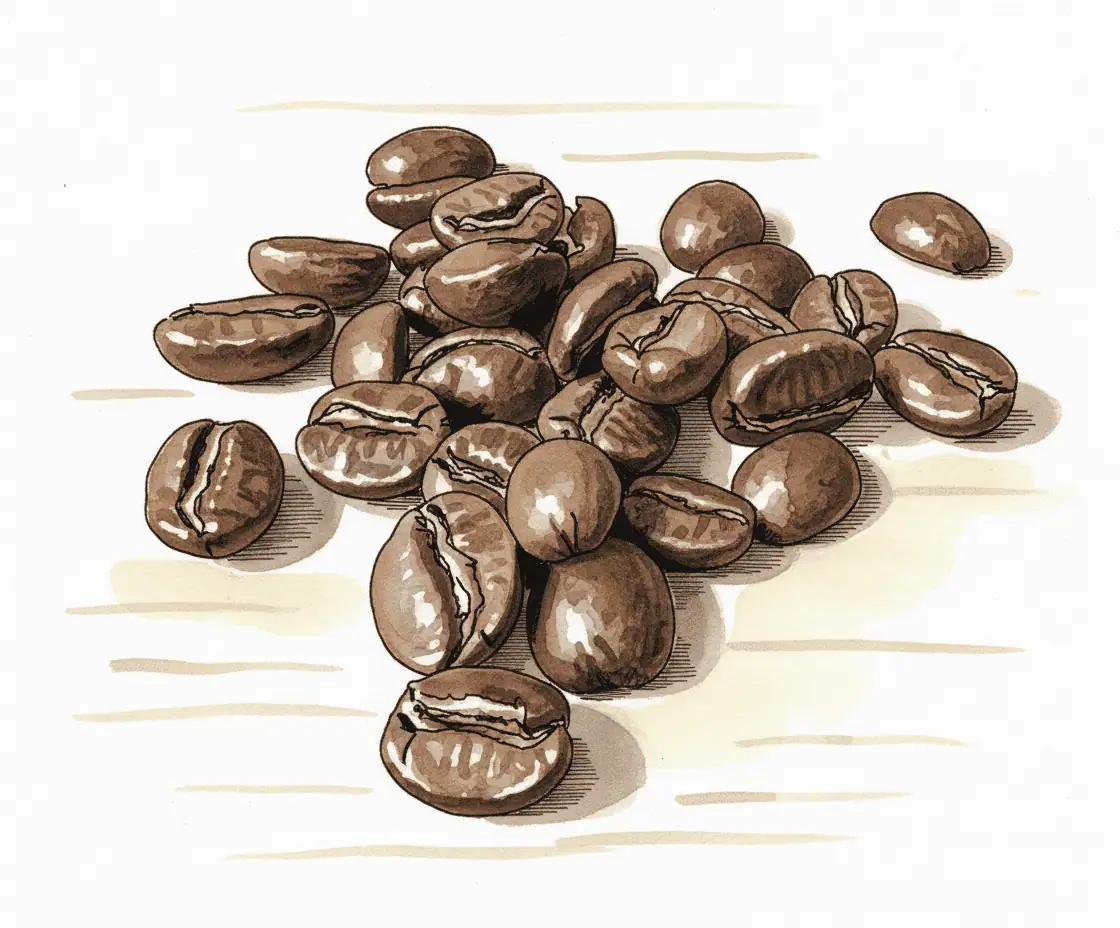
High‑altitude coffee beans

Ethiopia, Sidama, Bombé – Lucifer Coffee Roasters
Sweet with plum, floral tones, chocolate, jasmine, and black tea in the aftertaste.
Exclusive Selection – Bourbon Sidra
This microlot from Pitalito Huila elegantly pairs Sidra elegance with fruity depth. Fancy Beans roasts with a focus on clarity and sweet extraction. Expect vibrant acidity, ripe sweetness, and a velvety mouthfeel. Origin: Colombia Huila, finca Buenos Aires, producer Jhonatan Zúñiga. Process: anaerobic natural with a clean tropical expression. Tasting notes: lychee, peach syrup, cacao nibs, pineapple, mango, peach. Brewing advice: filter, medium-coarse grind, high extraction…
Exclusive Selection – Orange Bourbon
Fancy Beans Orange Bourbon from Huila comes from Villa Pastora, where altitude and slow ripening ensure more sweetness and complexity in the cup. Thanks to 96 hours of anaerobic fermentation and a natural process, you taste chocolate, orange, mandarin, panela, and cocoa, carried by a creamy body. Additionally, the vibrant citrus acidity makes this coffee fresh without being sharp…
“Extra Friendly”
Maalwerk Koffie Extra Vriendelijk is an accessible espresso blend crafted in Delfzijl. The beans come from multiple continents and are washed processed for a clean, clear cup. Flavor of cocoa and vanilla, with red fruit accents and a fresh lime note. Body is round and full, acidity is vibrant, finish is long and clean. Medium roast, inspired by Italian espresso and slow roasted. Brewing advice…
Fairtrade Organic Arenal
Fairtrade Organic Arenal is a powerful blend of 100 percent Arabica beans from Uganda, Honduras, Peru, Indonesia and Nicaragua. The medium to slightly darker roast delivers a full body with gentle fruitiness, nutty tones and a firm finish. The coffee is organic and Fairtrade certified and traceable from bean to cup via a QR code...
Fairtrade Organic Romeral
Hesselink Romeral is a Fairtrade organic espresso blend with plenty of body. The beans come from Uganda, Honduras, Peru, Indonesia, and Nicaragua for a stable profile. The South European dark roast emphasizes chocolate and nuts, and neatly rounds off the bitterness. Expect low to medium acidity, a syrupy texture, and a long finish. Roaster’s brewing advice: Developed for espresso,…
FATTORIA COLOMBIA
Fattoria Colombia from Rosenberg Coffee brings Colombian direct trade coffee in a full-bodied espresso. The beans come from Finca La Morelia in Risaralda, at an altitude of 1,600 meters. Thanks to the washed processing, the cup remains clean, creamy, and well-structured. You will taste chocolate, hazelnut, and brown sugar in a sweet, long finish. The Castillo variety gives this coffee strength,…
FATTORIA COSTA RICA
Fattoria Costa Rica from Rosenberg Coffee brings bright sweet fruit together with a full body. The washed beans come from Tarrazu, where smallholder farmers grow Catuai and Caturra at high altitudes. Expect red fruit, plums, and chocolate with an intense aroma in every sip. According to Rosenberg, this single origin is well-suited for espresso and filter coffee at home. Therefore, it works…
FATTORIA PERU
Fattoria Peru from Rosenberg Coffee brings the soft richness of Amazonas to your cup. This washed single origin grows around Rodriguez de Mendoza, where Café Monteverde connects 250 farmers. As a result, you taste a full, creamy body with caramel, nuts, and ripe plum. Brew this coffee as espresso, lungo, cappuccino, or filter for a balanced taste. Choose it when you…
Fausto Romo
Shokunin Fausto Romo is a washed Sidra from Pichincha in Ecuador with a refined and clear profile. Expect notes of elderflower, orange, and Earl Grey, with vibrant acidity, medium body, and a long, tea-like finish. This makes the coffee feel elegant, fresh, and layered. The light omniroast keeps the origin clearly audible and works well as…
faysel abdosh – Still Coffee Roasters, Ethiopië
Sweet and fruity with notes of peach, lemon, jasmine, and black tea.
Fernando’s Gesha
Fernando’s natural Gesha from Dutch Barista Coffee comes from Santa Rosa in Guatemala. Producer Fernando Díaz grows this Gesha at around 1,800 meters near Pueblo Nuevo Viñas. The anaerobic natural processing yields notes of peach jam, rosewater, and lemon candy. Baristasite recommends long extractions, as the espresso and filter are roasted very lightly. The page lists a cupping score of 91 for this refined…
Finca Anaya [Yellow Pacamara] – Mellow Coffee Roasters, Colombia
Vanilla and stone fruit, with notes of ripe peach.
FInca El Guayaquil Geisha
The El Guayaquil Geisha from Mellow Coffee Roasters originates from Finca El Guayaquil in Cajamarca, Peru. Producer Luis Pintado processes ripe Geisha cherries through anaerobic fermentation, washing, and slow drying on beds. Expect floral aromas’, perfumed lemon, orange, and oolong tea in a silky espresso. That is why this washed coffee suits drinkers seeking clarity, elegance, and a soft texture.
Finca El Paseo (geisha)
Finca El Paseo geisha from Koffie met Liefde showcases Colombia in a refined way. This coffee comes from Nariño, where Huver Castillo carefully selects ripe coffee cherries. The washed processing with long fermentation provides clarity, depth, and fresh citrus acidity. Expect notes of sugarcane, honey, and flowers, with a medium body. This makes it a great fit for drinkers who love floral sweetness and…
Finca El Proceso Chiroso
Finca El Proceso Chiroso from Mellow Coffee Roasters is a rare filter coffee from Planadas in Tolima, Colombia. This washed Chiroso combines floral aromas with apricot, lemon, and a soft finish reminiscent of green tea. As a result, you’ll taste a lot of clarity, finesse, and balance in the cup. The controlled fermentation and light filter roast especially highlight…
High Altitude (above 1500 meters)
Welcome to the world of high-altitude coffee! When you think of beans grown above 1500 meters, words like “refined,” “complex,” and “vibrant” often come to mind. But why exactly? In this article, we’ll dive into the effects of high altitudes on your espresso, the chemical composition of the beans, processing methods, and much more.
How altitude affects espresso flavor
At high altitudes, coffee cherries mature more slowly. This gradual ripening process allows sugars and acids in the fruit to develop over time, giving the beans ample opportunity to build a full range of flavors. When you use these beans for espresso, you’ll often taste a refined acidity and floral or fruity characteristics—think subtle citrus or berry aromas with a bright, almost “sparkling” quality. If you enjoy a delicate espresso, high-altitude beans are an excellent choice.
Chemical composition: density, sugars, and acids
Because the air is thinner and cooler at higher elevations, coffee trees receive less oxygen and grow at a slower pace. This results in denser beans that often exhibit higher acidity. The sugars develop more gradually, and the extended ripening contributes to a complex flavor structure. You end up with a bean that balances sweetness and complexity, translating into a lively cup of coffee. The increased density also impacts roasting profiles: roasters usually take extra care to highlight all those nuanced flavors.
Processing methods at high altitude
Thanks to the cooler, sometimes more humid climate, some coffee farmers opt for processing techniques that emphasize their beans’ unique characteristics. In many high-altitude regions, the washed method is especially popular, as it accentuates fruity and floral notes. Removing the pulp and mucilage under carefully controlled conditions allows any impurities to wash away, leaving a clean, pure flavor. There’s also some experimentation with natural and honey processes in these regions, though washed processing is often the standard for maintaining clarity.
Climate and microclimate
High-altitude environments have unique weather conditions: cooler nights, milder days, and often more rainfall. In some places, mist clings to the mountainsides, creating microclimates that can vary even from one slope to the next. This contributes to the slow ripening of cherries and the development of complex aromas. On the flip side, coffee farmers face challenges like fungal diseases in damp conditions, but the reward is a flavor profile cherished worldwide.
Yield and resilience
Growing coffee at 1500 meters or higher isn’t easy. The trees often produce fewer cherries because the plants expend more energy just to survive in cooler temperatures. Still, the beans command a premium for their pronounced quality and distinctive taste. Many farmers form cooperatives to share knowledge about cultivating coffee under these challenging conditions, employing innovative irrigation methods or using shade trees to protect their coffee plants.
Choosing coffee varieties
Not all coffee plants thrive at 2000 meters. Farmers often select varieties that can handle the cold and resist diseases, such as certain Arabica strains (like Bourbon, Typica, or Geisha). These varieties are known for their potential to develop subtle flavor nuances—a perfect match for the special circumstances high altitudes provide.
All in all, coffee from high altitudes isn’t just any cup of joe. Expect floral notes, a lively acidity, and refined aromas that will delight anyone seeking a bright and complex coffee experience.