
 NL
NL High-Altitude Coffee
At high altitudes (above 1500 meters), coffee cherries ripen more slowly, resulting in denser beans with pronounced aromas. The lower temperature and thinner air foster a complex flavor profile, often characterized by high acidity and fruity, floral, or wine-like notes. Regions such as Ethiopia and parts of Latin America are known for their high-altitude coffees, which are prized for their refined and sparkling character.
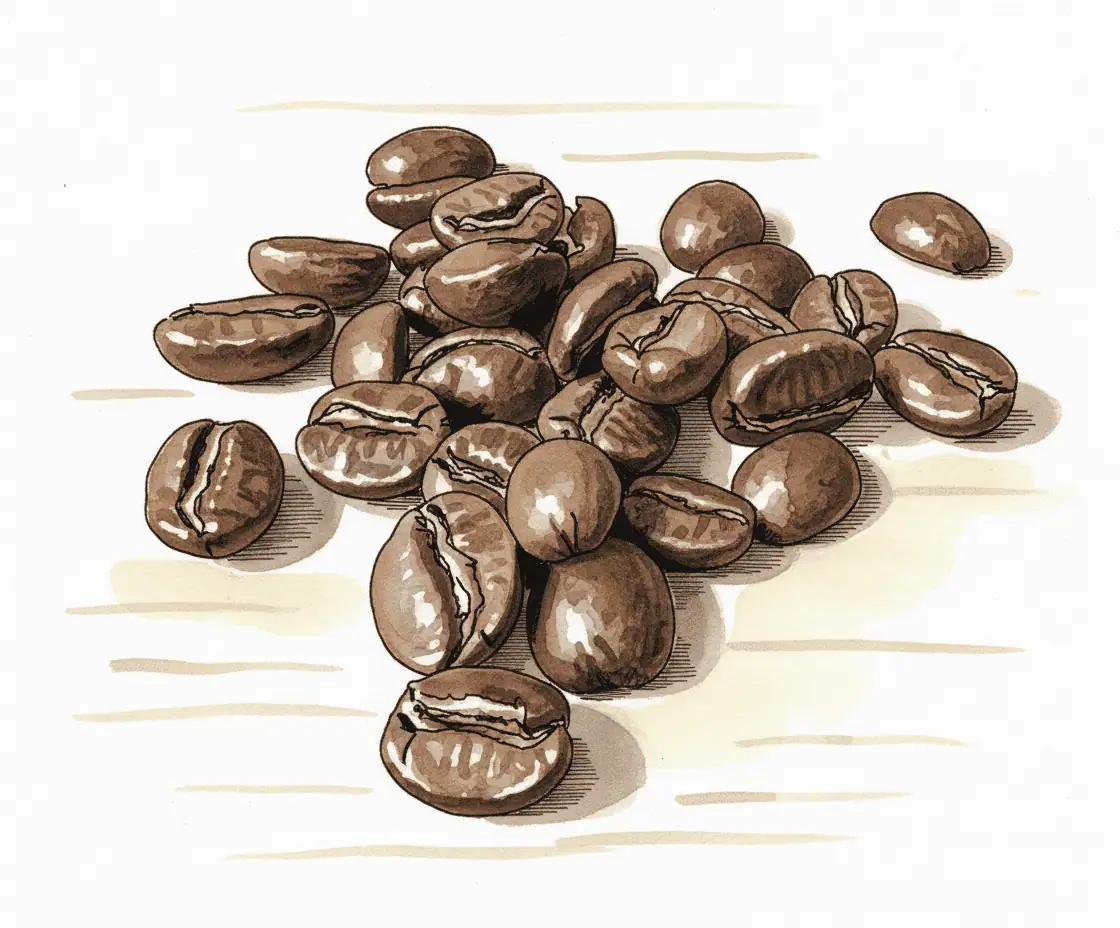
High‑altitude coffee beans

Nº14 Colombia Excelso Light
Nº14 Colombia Excelso Light is een licht gebrande, gewassen koffie met framboos, rozijn en limoen. De kop is schoon, sappig en helder, met een zijdeachtig mondgevoel. Kleine batches en een zorgvuldige slow roast leggen de nadruk op fris rood fruit en gebalanceerde zoetheid. De hoogte en klassieke variëteiten geven pit zonder hardheid, zodat elke slok…
Nº24 Rwanda Liza
Rwanda Liza No 24 van Little Roastery komt uit de Kivu regio, met hoogtes tot circa 2000 meter. De bonen zijn Red Bourbon en ondergaan een gewassen proces, wat zorgt voor helderheid en een schone afdronk. De branding is licht, waardoor fruit en florale tonen levendig blijven.In de kop proef je druif en kamille in…
Nº29 Ethiopia Yirgacheffe
No 29 Ethiopia Yirgacheffe van Little Roastery komt uit de Gedeo Zone, hoog gelegen en biodivers.De koffie is gewassen verwerkt en licht gebrand, wat zorgt voor helderheid, rust en finesse.Verwacht kamille in de neus, zachte citrus, marsepein tonen en een romige hint van vanille.Ideaal voor filtermethoden met focus op helderheid en zoetheid.Laat de boon enkele…
Nº34 Intimo
De Nº34 Intimo blend van Little Roastery combineert koffiebonen uit Brazilië, Colombia en Vietnam. Deze zorgvuldig samengestelde blend bestaat voor 75% uit Arabica en 25% uit Robusta, wat zorgt voor een rijke en uitgebalanceerde smaak. De koffie heeft duidelijke tonen van cacao, bruine suiker en tabak, en een volle body met een subtiele kruidige nasmaak.…
Nº45 Guatemala Huehuetenango
Deze Guatemala Huehuetenango van Little Roastery brengt helderheid en zoetheid samen. Verwacht een cleane kop met een vriendelijke zuurlijn.Herkomst Huehuetenango, teelt op 1600 tot 1700 meter.Verwerking washed voor een schone, precieze smaak.Branding medium bedoeld als allrounder voor elke dag.Smaak speculaas, melkchocolade, kaneel, bruine suiker.Gebruik geschikt voor filter en espresso volgens profiel.Verse boon rust 5 dagen…
Nº7 Costa Rica Dark
Deze single origin uit Tarrazú komt van Little Roastery en heet No7 Costa Rica Dark. De koffie is gewassen verwerkt en donker gebrand, wat zorgt voor een romige body en afgeronde zuren. In de neus vind je warme patisserie en rijp rood fruit. In de kop proef je zoete lagen met notige accenten en een…
Nº7 Costa Rica Light
Deze single origin uit Tarrazú geeft een glasheldere kop met zoete citrus. Little Roastery brandt in kleine batches en kiest voor licht. Laat de koffie minimaal vijf dagen rusten voor piekbalans.Herkomst Tarrazú 1400–1500 meter Rainforest AllianceVerwerking gewassen voor frisheid en precisieSmaak grapefruit vijg bruine suiker met cleane finishGeen specifieke zetrecepten van de brander
Nº72 Decaf Colombia Excelso
Zoek je een decaf die toch rijk smaakt? Little Roastery Nº72 Decaf Colombia Excelso brengt een volle kop met chocolade, noten en donker fruit. De sugarcane methode behoudt suikers, daardoor blijft de afdronk zoet en lang. Donkere branding geeft kracht, maar de zuurgraad blijft rond en bessenachtig. Laat de koffie circa vijf dagen rusten na…
Nogales Decaf Colombia
Ripsnorter Nogales Decaf Colombia brengt een opvallende decaf uit Huila met veel helderheid en zoetheid. Deze Caturra van Los Nogales smaakt naar aardbei, grapefruit en bubblegum, met een ronde body en gebalanceerde aciditeit. Bovendien blijft de kop schoon door een gewassen basis en een decafproces met natuurlijke must uit koffiepulp. De koffie is er als…
Nosegrind
De Nosegrind van Lot Sixty One Coffee Roasters is een bijzondere koffie die zijn oorsprong vindt in Ethiopië en Nicaragua. Deze koffie heeft een complexe, fruitige smaak, ontstaan door de natural-methode waarbij de bessen in hun geheel worden gedroogd. Het aroma van tropisch fruit en funky aardbeien komt onmiddellijk naar voren. Met een cupping score…
Orange Split
Orange Split van Sprout Coffee Roasters is een filterkoffie uit Huila Colombia. De Pink Bourbon Plus komt van Zarza Coffee, hoog in de Andes. Het dubbele fermentatieproces met thermal shock geeft gelaagde, schone smaken. Verwacht romige textuur met citrus en rijpe perzik. De kop blijft helder en speels.Herkomst: Bruselas Huila Colombia, 1750 tot 1800 meter.Variëteit:…
Origin Colombia
Origin Colombia is een specialty Arabica uit Huila op 1700 tot 2200 meter, samengesteld uit Caturra en Typica. De koffie is gewassen, wat zorgt voor een helder, schoon smaakprofiel met levendige citrusnuances. De lichte branding bewaart zoete tonen en een frisse zuurheid, met een sterkte van 7 op 10 en een gebalanceerde body. In de…
Origin Ethiopia
Origin Ethiopia comes from the Yirgacheffe region in southern Ethiopia, where high-altitude farms grow 100 percent Arabica heirloom. The beans are washed processed for a clear, pure flavor. Our medium roast, 7 out of 10, preserves the floral aromas and provides a full body that excels in espresso and cappuccino. Expect sweet notes of cherry, cocoa...
Originale
Originale is de espressohandtekening van SMIT en DORLAS, gebrand voor kracht en controle. De donkere blend geeft een volle, romige kop met lage aciditeit en een lange, zijdezachte afdronk. De bonen komen uit Brazilië, Oost Afrika en Colombia, deels natural en deels gewassen, voor diepte en helderheid.Krachtig aroma met cacao en karamelVolle body, zijdezachte finaleRainforest…
Originale
Originale van De Laat Coffee is een toegankelijke espressoblend uit Brazilië, Colombia en Ethiopië. De washed verwerking en milde branding geven een schone kop met lemon, rietsuiker, florale tonen en een zachte karamelafdronk. Daardoor blijft deze koffie fris, rond en mooi in balans. De brander richt Originale op espresso en beveelt hem ook aan als…
OSHA
Kamavindi Estate in Kenia levert Gloria AA Batian, geoogst op circa 1700 meter. De lichte branding bewaart helderheid en friszure nuances. In de kop komen tonen van karamel, gedroogd fruit, passievrucht, citroengras en cacao naar voren. Het gewassen proces benadrukt de frisheid en zorgt voor evenwicht in aroma en body. De cuppingscore van 86 bevestigt…
High Altitude (above 1500 meters)
Welcome to the world of high-altitude coffee! When you think of beans grown above 1500 meters, words like “refined,” “complex,” and “vibrant” often come to mind. But why exactly? In this article, we’ll dive into the effects of high altitudes on your espresso, the chemical composition of the beans, processing methods, and much more.
How altitude affects espresso flavor
At high altitudes, coffee cherries mature more slowly. This gradual ripening process allows sugars and acids in the fruit to develop over time, giving the beans ample opportunity to build a full range of flavors. When you use these beans for espresso, you’ll often taste a refined acidity and floral or fruity characteristics—think subtle citrus or berry aromas with a bright, almost “sparkling” quality. If you enjoy a delicate espresso, high-altitude beans are an excellent choice.
Chemical composition: density, sugars, and acids
Because the air is thinner and cooler at higher elevations, coffee trees receive less oxygen and grow at a slower pace. This results in denser beans that often exhibit higher acidity. The sugars develop more gradually, and the extended ripening contributes to a complex flavor structure. You end up with a bean that balances sweetness and complexity, translating into a lively cup of coffee. The increased density also impacts roasting profiles: roasters usually take extra care to highlight all those nuanced flavors.
Processing methods at high altitude
Thanks to the cooler, sometimes more humid climate, some coffee farmers opt for processing techniques that emphasize their beans’ unique characteristics. In many high-altitude regions, the washed method is especially popular, as it accentuates fruity and floral notes. Removing the pulp and mucilage under carefully controlled conditions allows any impurities to wash away, leaving a clean, pure flavor. There’s also some experimentation with natural and honey processes in these regions, though washed processing is often the standard for maintaining clarity.
Climate and microclimate
High-altitude environments have unique weather conditions: cooler nights, milder days, and often more rainfall. In some places, mist clings to the mountainsides, creating microclimates that can vary even from one slope to the next. This contributes to the slow ripening of cherries and the development of complex aromas. On the flip side, coffee farmers face challenges like fungal diseases in damp conditions, but the reward is a flavor profile cherished worldwide.
Yield and resilience
Growing coffee at 1500 meters or higher isn’t easy. The trees often produce fewer cherries because the plants expend more energy just to survive in cooler temperatures. Still, the beans command a premium for their pronounced quality and distinctive taste. Many farmers form cooperatives to share knowledge about cultivating coffee under these challenging conditions, employing innovative irrigation methods or using shade trees to protect their coffee plants.
Choosing coffee varieties
Not all coffee plants thrive at 2000 meters. Farmers often select varieties that can handle the cold and resist diseases, such as certain Arabica strains (like Bourbon, Typica, or Geisha). These varieties are known for their potential to develop subtle flavor nuances—a perfect match for the special circumstances high altitudes provide.
All in all, coffee from high altitudes isn’t just any cup of joe. Expect floral notes, a lively acidity, and refined aromas that will delight anyone seeking a bright and complex coffee experience.