
 NL
NL High-Altitude Coffee
At high altitudes (above 1500 meters), coffee cherries ripen more slowly, resulting in denser beans with pronounced aromas. The lower temperature and thinner air foster a complex flavor profile, often characterized by high acidity and fruity, floral, or wine-like notes. Regions such as Ethiopia and parts of Latin America are known for their high-altitude coffees, which are prized for their refined and sparkling character.
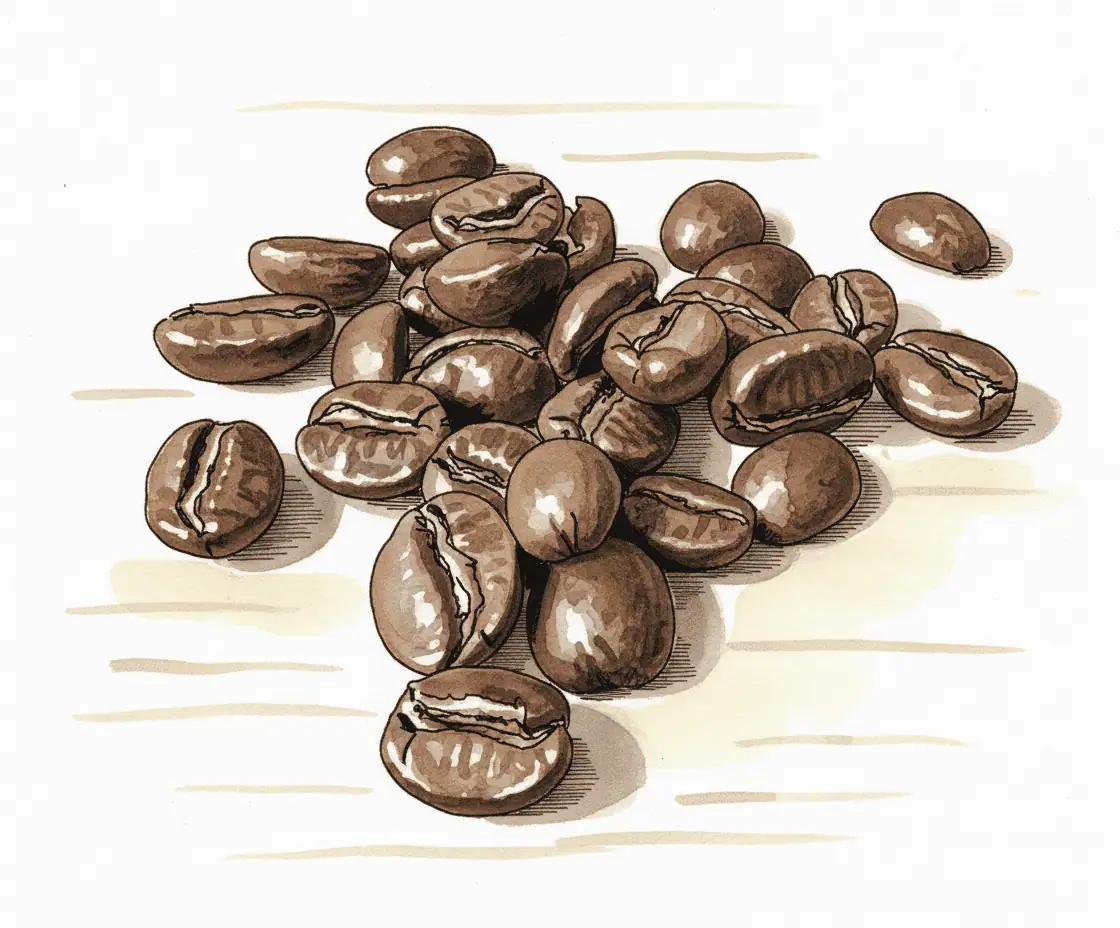
High‑altitude coffee beans
Indonesia Sumatra Mandheling Gr. 1
Sumatra Mandheling from Charlies Coffee delivers a full-bodied Indonesian classic with earthy depth. The beans come from North Sumatra, where volcanic soil and altitude provide strength. Expect a rich body, mild acidity, and a long, warm finish in the cup. Furthermore, giling basah suits the spicy, full character of Mandheling coffee. This 100 percent Arabica appeals to enthusiasts…

Indonesia Sumatra Mandheling Wahana
Sumatra Mandheling Wahana from Gebrand comes from Aceh, near the cool Gayo Mountains. This certified organic Arabica gains its deep, calm character through semi-washed processing. As a result, you taste a full body, low acidity, and dark notes of earth and chocolate. Additionally, Wahana Estate gives the coffee a spicy, clean finish with great length.
Indonesia Flores arabica
BOOT Koffie roasts Java Sunda Tilu Espresso for lovers of spicy Indonesian coffee. This 100% arabica coffee comes from high-altitude plantations in Central Java, Indonesia. The farmers wash the coffee, ensuring that the spiciness and fresh blood orange notes remain clear. Expect spekkoek, salmiak, and a vibrant citrus note in a full-bodied espresso with soft spiciness. Additionally, Sunda Tilu supports better prices, education…
Indonesia Java Sunda Tilu
KoJoYo Indonesië from Koffiebranderij de Koepoort brings Javanese terroir with pronounced fruit to the cup. This direct trade coffee grows around Mount Sindoro at an altitude of 1600 to 1800 meters. Double fermentation delivers fresh notes of kiwi, pineapple, grapes, and strawberry. With an SCA score of 88.25, this limited edition suits lovers of playful specialty coffee. As a result, you taste a…
Indonesië Kalossi
Indonesia Kalossi from Coffee Goddess brings Sulawesi to your cup with deep, spiced warmth. This washed Arabica grows between 1,200 and 1,800 meters on Indonesian volcanic soil. You taste earth, caramel, and berries, with dark chocolate and tobacco in the finish. Therefore, this full-bodied coffee suits espresso, filter, mokkapot, and French press. For espresso, Coffee Goddess recommends 19…
Indonesië KoJoYo
KoJoYo Indonesia from Koffiebranderij de Koepoort brings Javanese terroir with pronounced fruit to the cup. This direct trade coffee grows around Mount Sindoro at an altitude of 1,600 to 1,800 meters. Double fermentation delivers fresh notes of kiwi, pineapple, grapes, and strawberry with clarity. With an SCA score of 88.25, this limited edition suits enthusiasts of playful specialty coffee. As a result, you taste a…
Indonesie Mandheling
Indonesié Mandheling from Fleur de Café lets the classic Sumatra profile speak clearly. This medium roast from North Sumatra delivers notes of dark chocolate, spices, and soft cocoa. This creates a full-bodied cup with low acidity and a long, earthy finish. Furthermore, the semi-washed processing, locally known as wet hulling, enhances that deep and round…
Indonesië Mandheling
CoffeeXperts Indonesië Mandheling brings together the classic depth of Sumatra with a striking freshness. This single origin from the region around Lake Toba is wet hulled, resulting in a full body, soft acidity, and plenty of spicy warmth. Meanwhile, notes of cherry, lemon, grapefruit, cedar, dark chocolate, and nutmeg add extra excitement to the cup…
Indonesië Mandheling grade 1
Indonesia Mandheling Grade 1 from Jeronimo Coffee grows on the slopes near Gunung Leuser. This washed single origin gains a full body and a light, fresh finish through Sumatran processing. Expect deep notes of cedar, tobacco, and chocolate in a medium roast. Therefore, this coffee suits enthusiasts of rich, earthy, and layered Indonesian arabica.
Indonesia Rende Nao – SIJL Coffee
Dark and bittersweet, with pure chocolate, subtle pepper, and a soft, sweet finish.
Indonesia Sumatra – Growing Green Coffee
Earthy and spicy, with notes of plum, chocolate, and spices.
Indonesia Sumatra – La Jeu Coffee, 74.75 roast
Spicy and bright, with notes of cinnamon, lemongrass, blackcurrant, cedarwood, and pure cocoa.
Indonesië Sumatra BT
Sumatra Lintong Raja Batak from Kaan Koffie offers a powerful cup with low acidity and a syrupy body. The terroir around Lake Toba and the giling basah processing bring out chocolate and warm spiciness. This makes the bean ideal for lovers of deep, round espresso. Recommended for cappuccino and other milk drinks. Espresso: full bitters, rounded finish. Filter: softer,…
Indonesië Sumatra Mandheling
Sumatra Mandheling from Koffiebranderij de Koepoort brings a deep Indonesian coffee experience to every cup. This washed arabica grows in Atjeh, at an altitude of 1,200 to 1,500 meters. As a result, you taste spicy notes, pure chocolate, and a warm, woody finish. The medium-dark roast gives the whole beans body, softness, and clear intensity.
Indonesië Sumatra Raja Gayo
Sumatra Raja Gayo is a powerful single origin from Central Aceh. The beans are wet hulled giling basah processed, which enhances the body and tempers the acidity. Expect spicy notes with cocoa, tobacco, and a long, warm aftertaste. Koffie van Hoorn explicitly positions this bean for espresso. The coffee remains creamy in milk and retains its…
Indonesia, Java, Sindoro – Lucifer Coffee Roasters
Creamy and sweet with pineapple, cocoa, and a spicy finish of ginger.
High Altitude (above 1500 meters)
Welcome to the world of high-altitude coffee! When you think of beans grown above 1500 meters, words like “refined,” “complex,” and “vibrant” often come to mind. But why exactly? In this article, we’ll dive into the effects of high altitudes on your espresso, the chemical composition of the beans, processing methods, and much more.
How altitude affects espresso flavor
At high altitudes, coffee cherries mature more slowly. This gradual ripening process allows sugars and acids in the fruit to develop over time, giving the beans ample opportunity to build a full range of flavors. When you use these beans for espresso, you’ll often taste a refined acidity and floral or fruity characteristics—think subtle citrus or berry aromas with a bright, almost “sparkling” quality. If you enjoy a delicate espresso, high-altitude beans are an excellent choice.
Chemical composition: density, sugars, and acids
Because the air is thinner and cooler at higher elevations, coffee trees receive less oxygen and grow at a slower pace. This results in denser beans that often exhibit higher acidity. The sugars develop more gradually, and the extended ripening contributes to a complex flavor structure. You end up with a bean that balances sweetness and complexity, translating into a lively cup of coffee. The increased density also impacts roasting profiles: roasters usually take extra care to highlight all those nuanced flavors.
Processing methods at high altitude
Thanks to the cooler, sometimes more humid climate, some coffee farmers opt for processing techniques that emphasize their beans’ unique characteristics. In many high-altitude regions, the washed method is especially popular, as it accentuates fruity and floral notes. Removing the pulp and mucilage under carefully controlled conditions allows any impurities to wash away, leaving a clean, pure flavor. There’s also some experimentation with natural and honey processes in these regions, though washed processing is often the standard for maintaining clarity.
Climate and microclimate
High-altitude environments have unique weather conditions: cooler nights, milder days, and often more rainfall. In some places, mist clings to the mountainsides, creating microclimates that can vary even from one slope to the next. This contributes to the slow ripening of cherries and the development of complex aromas. On the flip side, coffee farmers face challenges like fungal diseases in damp conditions, but the reward is a flavor profile cherished worldwide.
Yield and resilience
Growing coffee at 1500 meters or higher isn’t easy. The trees often produce fewer cherries because the plants expend more energy just to survive in cooler temperatures. Still, the beans command a premium for their pronounced quality and distinctive taste. Many farmers form cooperatives to share knowledge about cultivating coffee under these challenging conditions, employing innovative irrigation methods or using shade trees to protect their coffee plants.
Choosing coffee varieties
Not all coffee plants thrive at 2000 meters. Farmers often select varieties that can handle the cold and resist diseases, such as certain Arabica strains (like Bourbon, Typica, or Geisha). These varieties are known for their potential to develop subtle flavor nuances—a perfect match for the special circumstances high altitudes provide.
All in all, coffee from high altitudes isn’t just any cup of joe. Expect floral notes, a lively acidity, and refined aromas that will delight anyone seeking a bright and complex coffee experience.