
 NL
NL High-Altitude Coffee
At high altitudes (above 1500 meters), coffee cherries ripen more slowly, resulting in denser beans with pronounced aromas. The lower temperature and thinner air foster a complex flavor profile, often characterized by high acidity and fruity, floral, or wine-like notes. Regions such as Ethiopia and parts of Latin America are known for their high-altitude coffees, which are prized for their refined and sparkling character.
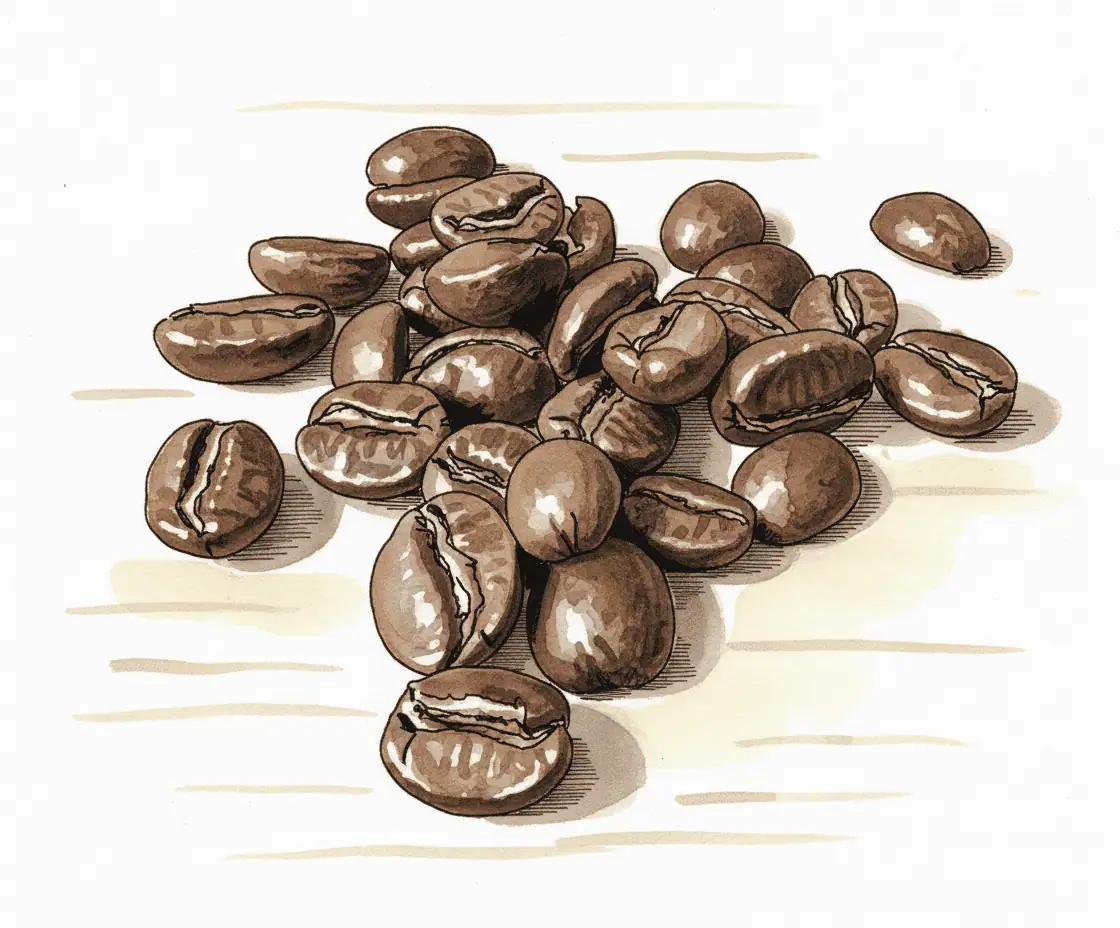
High‑altitude coffee beans

Vriendelijk
Vriendelijk van Maalwerk Koffie is een ambachtelijke blend met washed basis en slow roast. De branding richting Italian roast en Full City levert een romige body en heldere frisheid. Je proeft chocolade, vanille en bessen, met een frisse citrus in de afdronk.Herkomst mix uit Amerika Afrika en Azië voor balans en bodyBrandprofiel gericht op espresso…
Vunga – Nyamasheke – Rwanda
Dit is Vunga Nyamasheke Rwanda van Nordic Roasting. Een gewassen Red Bourbon uit koele hoogten levert een schone, sappige kop. Verwacht clementine, rode appel en een zachte mandarijnfinish. De strakke selectie, korte fermentatie en langzaam drogen geven helderheid en zoetheid. Deze single origin is licht gebrand als omni, ontworpen voor transparantie en balans.Herkomst, Nyamasheke via…
West Friesche Brand
West Friesche Brand is een karaktervolle blend met West-Friese roots, gebrand in Enkhuizen. De 100 procent Arabica bonen komen uit Brazilië, Colombia, Guatemala en Indonesië. Medium roast met volle body en tonen van chocolade, karamel, vanille, amandel, hazelnoot en een kruidige toets. Dagelijks vers gebrand op duurzame Loring-branders, met hersluitbare verpakking voor optimale versheid. Veelzijdig…
West Valley – Costa Rica Caturra
De West Valley Costa Rica Caturra is een uitzonderlijke koffie uit de zonnige regio Llano Bonito. Deze koffie heeft een lichtbruine branding die de complexe smaken van verse dadels, rietsuiker en pruimen perfect naar voren brengt. Dankzij de gewassen verwerking heeft de koffie een schone, heldere smaak met een aangename zuurgraad. Deze koffie is ideaal…
Wild Brazil
Wild Brazil van Uncommon Coffee Roasters is een lichtgebrande Yellow Bourbon uit Minas Gerais. De boon is natural gefermenteerd met wild fermentation, wat zorgt voor een volle body en hoge zoetheid. In het kopje proef je mango, kers en een vleugje vanille, met medium aciditeit en een schone, lange nasmaak. Dankzij transparante sourcing en nauwe…
Wilton Benitez – Chiroso
Nordic Roasting Company presenteert Wilton Benítez Chiroso uit Piendamó in Cauca. Het microklimaat op 1950 meter geeft helderheid en zoetheid. Benítez past dubbele anaerobe fermentatie en thermal shock toe, waardoor het florale profiel zuiver en precies blijft.In de kop proef je nectarine, kardemom en verse tijm. De zuurgraad sprankelt, het mondgevoel blijft zijdeachtig. De SCA-score…
Wilton Benitez – Pink Bourbon P09
De Wilton Benítez – Pink Bourbon P09 is een bijzondere koffie uit Piendamó, Colombia. Deze fruitige boon, met tonen van mango, papaja en ananas, komt van de Granja Paraíso 92. Dankzij de zorgvuldige verwerking en het lichte roosterprofiel behoudt de koffie zijn complexe smaken. Deze boon is ideaal voor filterkoffie of Aeropress, en levert een…
Yaya Blend
DAK Yaya Blend brengt Bolivia en Kenia samen in een heldere espresso. De blend koppelt de frisheid van SL28 en SL34 aan de cacao die Caturra biedt. Daardoor proef je meteen milk chocolate, frisse appel en een cassisachtige afdronk. De gewassen verwerking houdt het kopje schoon en precies, wat het profiel erg consistent maakt.Herkomst Bolivia…
Yemen – Hayma Dakhiliya SP – Competition series (90+)
Yemen Hayma Dakhiliya SP is een limited lot uit Sana’a. De variëteit is Yemenia, verwerkt met anaerobe fermentatie voor rijp fruit en helderheid. Five Ways brandde licht op een Loring voor een transparante filterkop. Verwacht tiramisu, biscuit, blauwe bes, passievrucht en gebakken perzik met zijdeachtige body.Ideaal voor filter, denk aan V60, Kalita of Moccamaster.Start met…
Yemen Haraaz Sana’a Special Reserve
Deze microlot uit Haraaz in Jemen is Yemenia, gebrand door Evermore in Rotterdam. Het natuurlijke proces met dubbele anaerobe fermentatie geeft gelaagde zoetheid en schone fruitigheid. Verwacht aroma van rijpe framboos, met kaneel, marsepein en een nootachtige toets in de afdronk. De medium branding houdt het profiel helder, terwijl de body rond en romig blijft.…
Yirgacheffe
Deze Malers Yirgacheffe 74112 komt uit Gedeo in het hart van Yirgacheffe. De hoogte van 1900 tot 2100 meter geeft dichtheid en finesse. De variëteit 74112 past bij het elegante terroir.De bonen worden gewassen met 48 uur fermentatie en dertien dagen zongedroging. Dit bewaart helderheid en levert citrus en bloem. Het medium brandprofiel houdt zoetheid…
Yirgacheffe
Yirgacheffe uit Ethiopië staat bekend om jasmijn, citrus en honingzoet. Café du Jour brandt medium, zodat het profiel helder en gebalanceerd blijft.De boon komt uit de Gedeo-zone en is gewassen verwerkt. Dat levert een schone, thee-achtige kop met levendige, elegante aciditeit.Geschikt voor filter en espresso.Filter, middelgrove maling en normale contacttijd voor florale helderheid.Espresso, evenwichtige ratio…
Yirgacheffe Bloom
Yirgacheffe Bloom komt uit de hooggelegen regio Yirgacheffe in Zuid-Ethiopië, verwerkt bij het Banko Gotiti washingstation. Deze single origin, 100 procent Arabica, ondergaat een natural proces dat de fruitigheid versterkt. Verwacht abrikoos, perzik, sinaasappel en zoete theetonen, met een lange, verfijnde afdronk. De koffie scoort 86 op cupping en is gebrand in twee profielen, Light…
Yirgacheffe Sheka – Ethiopië
Ko Koffie brengt een gewassen Yirgacheffe Sheka uit het bosrijke zuiden van Ethiopie. Het lot komt van hoge percelen en scoort 86 punten. Verwacht florale tonen, rijpe perzik, zachte vanille en een frisse kruidigheid. De medium roast behoudt helderheid en geeft tegelijk zoetheid en body. Deze boon werkt schoon en precies, zowel in filter als…
Yiver Vargas – Pink Bourbon – Huila – Colombia
Nordic Roasting Company presenteert Pink Bourbon uit La Plata Huila, een transparante microlot vol finesse. Deze oogst van Yiver Vargas is licht gebrand voor helderheid, balans en gelaagde zoetheid. Verwacht een schone kop die lang nablijft en elke slok doet verlangen naar de volgende.Herkomst, Finca Santa Lucia op 1650 meter in Colombia.Proces, natuurlijk met anaerobische…
Zimzala
Op zoek naar een moderne espresso met karakter? Zimzala van Lot Sixty One combineert Brazilië Santos en Colombia Popayán. Pulp natural ontmoet washed, wat zorgt voor stroperige zoetheid, helderheid en balans. Verwacht abrikoos, maple cream en een volle body met levendige frisheid.Zo haal je het beste uit deze blend:Espresso recept 18 g in, circa 36…
High Altitude (above 1500 meters)
Welcome to the world of high-altitude coffee! When you think of beans grown above 1500 meters, words like “refined,” “complex,” and “vibrant” often come to mind. But why exactly? In this article, we’ll dive into the effects of high altitudes on your espresso, the chemical composition of the beans, processing methods, and much more.
How altitude affects espresso flavor
At high altitudes, coffee cherries mature more slowly. This gradual ripening process allows sugars and acids in the fruit to develop over time, giving the beans ample opportunity to build a full range of flavors. When you use these beans for espresso, you’ll often taste a refined acidity and floral or fruity characteristics—think subtle citrus or berry aromas with a bright, almost “sparkling” quality. If you enjoy a delicate espresso, high-altitude beans are an excellent choice.
Chemical composition: density, sugars, and acids
Because the air is thinner and cooler at higher elevations, coffee trees receive less oxygen and grow at a slower pace. This results in denser beans that often exhibit higher acidity. The sugars develop more gradually, and the extended ripening contributes to a complex flavor structure. You end up with a bean that balances sweetness and complexity, translating into a lively cup of coffee. The increased density also impacts roasting profiles: roasters usually take extra care to highlight all those nuanced flavors.
Processing methods at high altitude
Thanks to the cooler, sometimes more humid climate, some coffee farmers opt for processing techniques that emphasize their beans’ unique characteristics. In many high-altitude regions, the washed method is especially popular, as it accentuates fruity and floral notes. Removing the pulp and mucilage under carefully controlled conditions allows any impurities to wash away, leaving a clean, pure flavor. There’s also some experimentation with natural and honey processes in these regions, though washed processing is often the standard for maintaining clarity.
Climate and microclimate
High-altitude environments have unique weather conditions: cooler nights, milder days, and often more rainfall. In some places, mist clings to the mountainsides, creating microclimates that can vary even from one slope to the next. This contributes to the slow ripening of cherries and the development of complex aromas. On the flip side, coffee farmers face challenges like fungal diseases in damp conditions, but the reward is a flavor profile cherished worldwide.
Yield and resilience
Growing coffee at 1500 meters or higher isn’t easy. The trees often produce fewer cherries because the plants expend more energy just to survive in cooler temperatures. Still, the beans command a premium for their pronounced quality and distinctive taste. Many farmers form cooperatives to share knowledge about cultivating coffee under these challenging conditions, employing innovative irrigation methods or using shade trees to protect their coffee plants.
Choosing coffee varieties
Not all coffee plants thrive at 2000 meters. Farmers often select varieties that can handle the cold and resist diseases, such as certain Arabica strains (like Bourbon, Typica, or Geisha). These varieties are known for their potential to develop subtle flavor nuances—a perfect match for the special circumstances high altitudes provide.
All in all, coffee from high altitudes isn’t just any cup of joe. Expect floral notes, a lively acidity, and refined aromas that will delight anyone seeking a bright and complex coffee experience.