
 NL
NL High-Altitude Coffee
At high altitudes (above 1500 meters), coffee cherries ripen more slowly, resulting in denser beans with pronounced aromas. The lower temperature and thinner air foster a complex flavor profile, often characterized by high acidity and fruity, floral, or wine-like notes. Regions such as Ethiopia and parts of Latin America are known for their high-altitude coffees, which are prized for their refined and sparkling character.
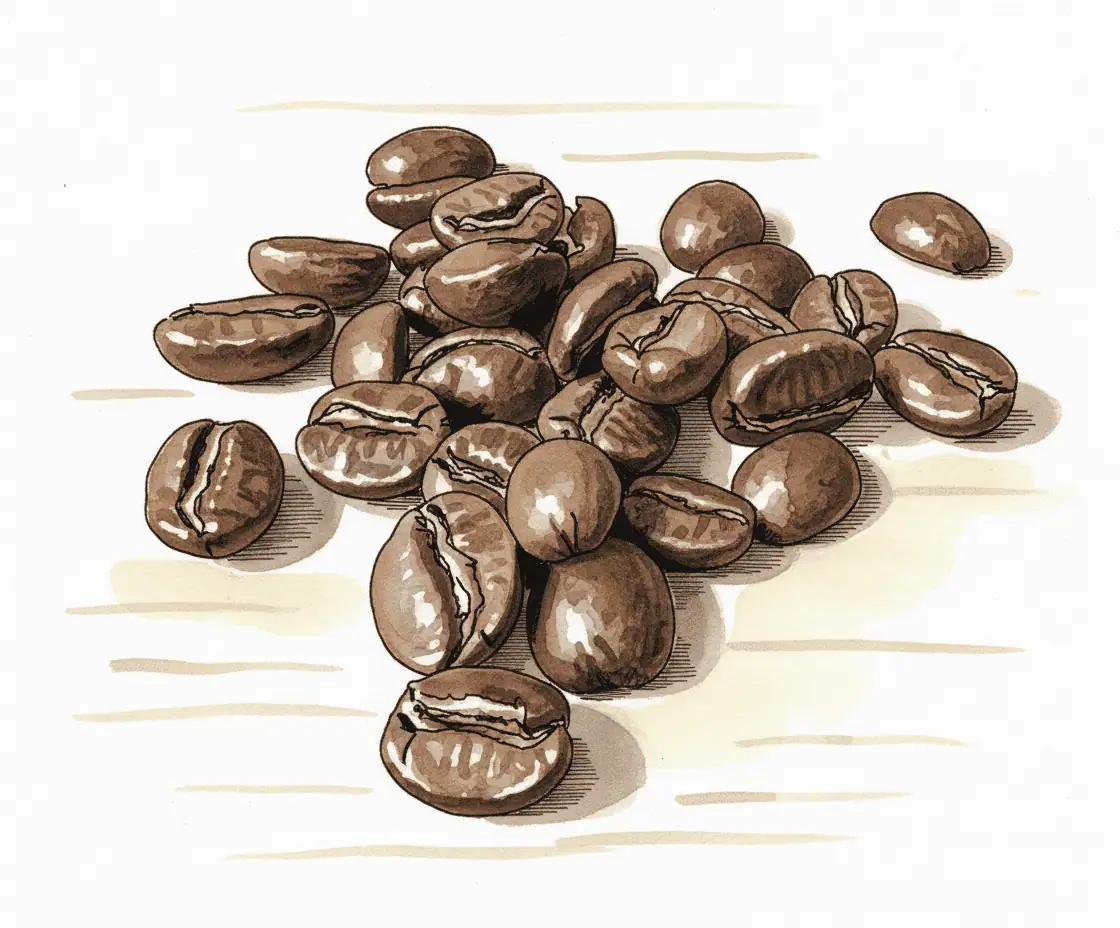
High‑altitude coffee beans
Peru El Palto
Peru El Palto from Blue City Roasters comes from Amazonas, a cool mountain region with slow ripening. This fully washed espresso delivers a clean cup with bright sweetness and precision. Expect cocoa, light caramel, and notes of dried dates, supported by a neat structure. The body is medium, while the aftertaste remains long, syrupy, and pleasant…

Peru Finca Churupampa Cordillera Andina microlot
Peru Finca Churupampa from De Koepoort brings a clear specialty coffee from Chirinos to your cup. The washed processing provides balance, while chocolate, pecan nuts, tropical fruit, and berries deepen the flavor. Direct trade supports the Tocto family and rewards farmers with a fairer price. With an SCA score of 84.25, this microlot offers clean sweetness, full body, and vibrant fruit notes.
Peru Hazelnoot Karamel
Peru Hazelnoot Karamel from Eddys Coffee hails from Rodriguez de Mendoza in Amazonas, delivering a soft, full-bodied cup. Notes of caramel, hazelnut, and plum provide a beautiful balance, while the washed process preserves an extra clarity. According to the roaster, this coffee is versatile enough for espresso, lungo, cappuccino, and filter coffee.
Peru Herly Mego
Friedhats’ Peru Herly Mego brings an expressive natural Gesha from Cajamarca to your cup. Herly Mego grows this coffee at Finca El Mirador, high up in La Victoria. As a result, you taste juicy blackberry, fresh mandarin, and soft rosewater notes in a bright profile. Origin: La Victoria, Jaén, Cajamarca, Peru, at 1,950 meters altitude. Variety: Gesha, processed as natural for…
Peru Hugo Pareja SL9 – Schot Coffee Roasters, light roast
Tastes of mandarin, cantaloupe, and magnolia.
Peru Julio Chávez Gesha – Friedhats Coffee Roasters, light roast
Floral with notes of orange blossom, mandarin, and chamomile.
Peru Junín
Nº10 Peru Junín showcases a soft Peruvian coffee with bright sweetness. This washed medium roast comes from the Valle Ubiriki cooperative in the fertile Junín region. Expect notes of milk chocolate, honey, blackberry, and caramel, with a clean finish. That is why this bean is well suited for drinkers who seek balance, softness, and fruity depth.
Peru Kely Mileni Gesha
Friedhats roasts this Peru Kely Mileni Washed Gesha as a clear omni roast. The washed processing brings white grape, red apple, and pine needle tea sharply to the fore. Kely Mileni Jara Fernandez grows this Gesha at Finca America in Cajamarca. Therefore, it suits drinkers looking for floral freshness and juicy sweetness.
Peru La Chirimoya, Organic – Blommers Coffee Roasters, light roast
Sweet and fruity with notes of strawberry, rose, almond and brown sugar.
Peru Las Flores de Luya
Peru Las Flores de Luya by Fascino lets the Peruvian Andes speak clearly. This organic direct trade coffee comes from Luya, Amazonas, at high altitude. The washed process gives the cup a clean structure and refined aromas. Notes of milk chocolate, nectarine, cherry, and apricot create a soft balance. Additionally, 243 female producers contribute to quality, independence, and sustainable…
Peru Lenin-Flores
Peru Lenin Flores from Evermore comes from El Diamante in San José de Lourdes, high in Northern Peru. This washed single origin is produced by the Flores family, utilizing selective picking, long fermentation, and careful drying. This creates a clear, layered cup with notes of almond, caramel, and plum. Furthermore, the altitude and climate provide extra complexity…
Peru Monteverde
Peru Monteverde by Fascino Coffee brings a creamy single-origin coffee from Rodriguez de Mendoza. This washed coffee combines caramel, nuts, and plums with a full, balanced body. Fascino recommends it as an espresso, lungo, cappuccino base, and filter coffee for home. The producer group Café Monteverde connects 250 farmers and supports better regional processing. With an SCA score of 83, this…
Peru Nilber
Friedhats Peru Nilber is a fresh filter coffee from Jaén in Cajamarca. Nilber and Diana Tarrillo grow this Catuaí at high altitudes, which ensures slow ripening and increased sweetness. Due to the washed process with 60 hours of fermentation, the profile remains clean and bright. As a result, you’ll taste a vibrant freshness, dark chocolate, and dark berries. Friedhats brought this…
Peru Praxides Pintado Geisha – Evermore
Origin and farm This coffee comes from farm El Guayaquil, produced by Praxides Pintado in La Coipa, San Ignacio, Cajamarca, Peru. Praxides built upon a family tradition and made the transition to specialty coffee, investing in Geisha coffee plants on his farm, among other things. Processing The crop’s experimental anaerobic processing with fermentation gives the bean…
PERU PREMIUM
Peru Premium Arabica by Zera Koffie brings fresh fruit tones together with soft chocolate and caramel. This organic coffee comes from Cajamarca, where small farmers work at high altitude. As a result, the bean has a lively character, with a round and accessible finish. Choose this coffee if you are looking for a fresh Peruvian arabica with sweet depth. Origin: Cajamarca,…
High Altitude (above 1500 meters)
Welcome to the world of high-altitude coffee! When you think of beans grown above 1500 meters, words like “refined,” “complex,” and “vibrant” often come to mind. But why exactly? In this article, we’ll dive into the effects of high altitudes on your espresso, the chemical composition of the beans, processing methods, and much more.
How altitude affects espresso flavor
At high altitudes, coffee cherries mature more slowly. This gradual ripening process allows sugars and acids in the fruit to develop over time, giving the beans ample opportunity to build a full range of flavors. When you use these beans for espresso, you’ll often taste a refined acidity and floral or fruity characteristics—think subtle citrus or berry aromas with a bright, almost “sparkling” quality. If you enjoy a delicate espresso, high-altitude beans are an excellent choice.
Chemical composition: density, sugars, and acids
Because the air is thinner and cooler at higher elevations, coffee trees receive less oxygen and grow at a slower pace. This results in denser beans that often exhibit higher acidity. The sugars develop more gradually, and the extended ripening contributes to a complex flavor structure. You end up with a bean that balances sweetness and complexity, translating into a lively cup of coffee. The increased density also impacts roasting profiles: roasters usually take extra care to highlight all those nuanced flavors.
Processing methods at high altitude
Thanks to the cooler, sometimes more humid climate, some coffee farmers opt for processing techniques that emphasize their beans’ unique characteristics. In many high-altitude regions, the washed method is especially popular, as it accentuates fruity and floral notes. Removing the pulp and mucilage under carefully controlled conditions allows any impurities to wash away, leaving a clean, pure flavor. There’s also some experimentation with natural and honey processes in these regions, though washed processing is often the standard for maintaining clarity.
Climate and microclimate
High-altitude environments have unique weather conditions: cooler nights, milder days, and often more rainfall. In some places, mist clings to the mountainsides, creating microclimates that can vary even from one slope to the next. This contributes to the slow ripening of cherries and the development of complex aromas. On the flip side, coffee farmers face challenges like fungal diseases in damp conditions, but the reward is a flavor profile cherished worldwide.
Yield and resilience
Growing coffee at 1500 meters or higher isn’t easy. The trees often produce fewer cherries because the plants expend more energy just to survive in cooler temperatures. Still, the beans command a premium for their pronounced quality and distinctive taste. Many farmers form cooperatives to share knowledge about cultivating coffee under these challenging conditions, employing innovative irrigation methods or using shade trees to protect their coffee plants.
Choosing coffee varieties
Not all coffee plants thrive at 2000 meters. Farmers often select varieties that can handle the cold and resist diseases, such as certain Arabica strains (like Bourbon, Typica, or Geisha). These varieties are known for their potential to develop subtle flavor nuances—a perfect match for the special circumstances high altitudes provide.
All in all, coffee from high altitudes isn’t just any cup of joe. Expect floral notes, a lively acidity, and refined aromas that will delight anyone seeking a bright and complex coffee experience.