
 NL
NL Zuidoost Den Bosch has a practical and social coffee culture, with coffee centred around offices, community centres, lunch spots and recreation.
Roasters in Zuidoost
Smit & Dorlas
Coffee Bars in Zuidoost

Boefjes en Barista’s Zuiderschans
Boefjes en Barista’s Zuiderschans is a community hub within a residential care environment, where parents, children, and elderly residents come together for activities and coffee.
More over Zuidoost
Zuidoost Den Bosch: coffee culture without the city center blueprint
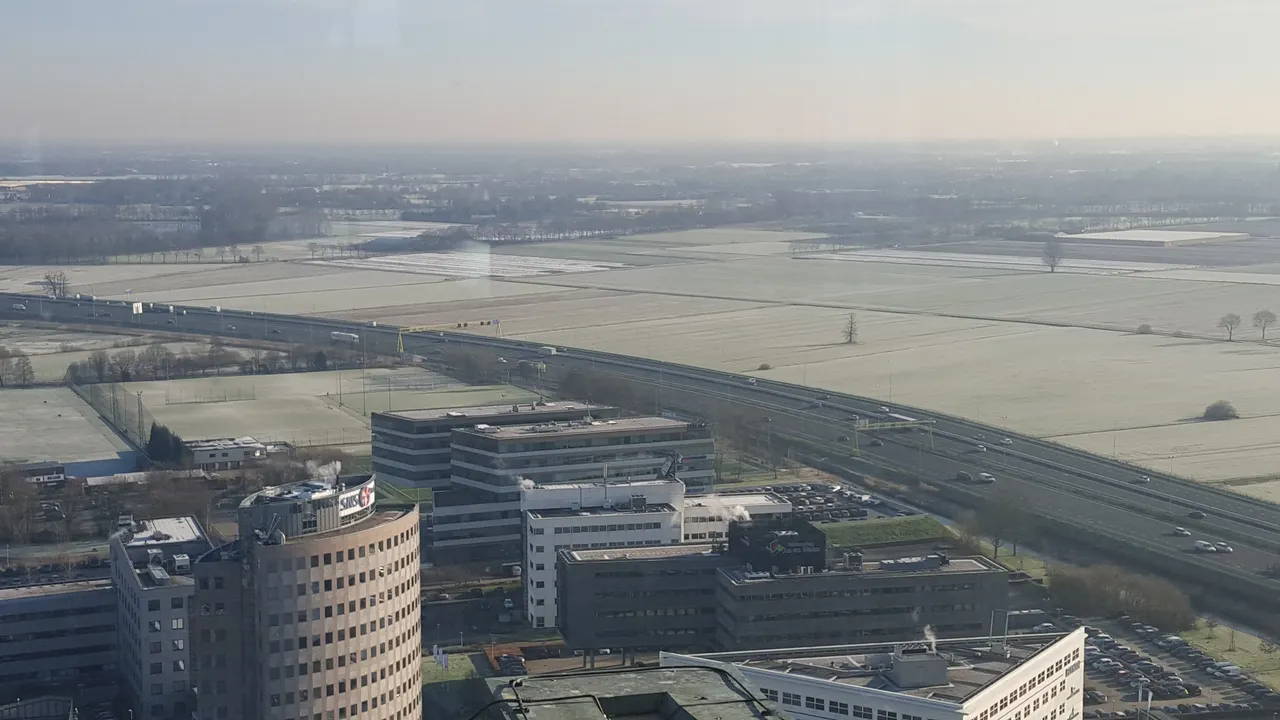
The coffee culture of Zuidoost in ’s-Hertogenbosch has a rhythm all its own. This district isn’t defined by historic coffee houses, narrow shopping streets, or a dense network of specialty bars. Instead, the neighborhood was shaped by residential living, work, traffic, greenery, and community. As a result, coffee here takes on a primarily practical and social role.
Defining the boundaries is key. This district includes, among others, Aawijk-Zuid, Bazeldonk, De Gestelse Buurt, Pettelaarpark, Het Bossche Broek, and Zuid. Many of Den Bosch’s well-known specialty shops are located just outside this area. When looking at Zuidoost, you won’t find a classic “coffee neighborhood,” but rather an area where coffee evolves alongside offices, community centers, lunch spots, and recreation.
From post-war neighborhood to hub for work and connection
The foundation of Zuidoost doesn’t lie in historic hospitality, but in the city’s post-war growth. Zuid emerged as a reconstruction district after the Second World War. Bazeldonk, De Gestelse Buurt, and Pettelaarpark also took shape through sand extraction for the Zuiderplas, which was created in the summer of 1949.
That history explains much of today’s coffee landscape. The neighborhood doesn’t follow an old market square or a busy shopping axis. Here, coffee is integrated into residential streets, schools, churches, offices, parks, and meeting rooms. The Pettelaarse Schans serves as a striking historical anchor; the former Fort Sint-Michiel from 1623 is now a hub for hospitality, leisure, and festivals.
The key coffee players in the district
Today, Zuidoost reads primarily as a functional coffee district. The emphasis is on workplace coffee, lunch, meetings, family visits, and casual encounters. Still, there are a few distinct players that define the neighborhood’s profile.
- Boonen Koffie located at Zuiderparkweg 494, is a local coffee supplier for offices and homes, featuring a showroom by appointment and a tasting menu.
- In de Roos Den Bosch located at Zuiderparkweg 282, combines coffee with lunch, apple pie, a terrace, wifi, hall rentals, and meeting facilities.
- Moeke Den Bosch located at De Pettelaarse Schans 1, opened on August 1, 2020, and offers 250 indoor seats and approximately 150 on the terrace.
- Bond Den Bosch located at Pettelaarpark 120, focuses on working, meeting, and connecting, featuring an on-site restaurant.
- Regus Pettelaarpark 84 offers coworking, private offices, common areas, a business lounge, and “Café & Barista Coffee”.
This mix shows that coffee in Zuidoost is often part of a broader service. A cup of coffee rarely stands alone; it is tied to a meeting, a lunch, a workday, a neighborhood gathering, or a family visit.
Coffee as social glue
In De Gestelse Buurt, coffee serves a clear community function. Since September 2022, Buurthuisje De Guido has been a meeting point for residents. In 2023, coffee gatherings brought together 10 to 12 residents for “een bakske en praatje“ (a cup of coffee and a chat). Walking groups also gather there for coffee.
Here, coffee acts as an invitation. In 2023, nineteen community workers from the municipality, Farent, the police, and BrabantWonen went door-to-door. Residents received a mug with an invitation to stop by for “een bakske”. This makes coffee a small, recognizable tool for establishing social contact.
Events further reinforce this role. Since 2022, De Gestelse Buurtdag has been organized annually for all ages. At the Pettelaarse Schans, Bevrijdingsfestival Brabant attracted 26,000 visitors in 2022. The Get Together for Freedom program concluded there with coffee from an Eritrean coffee ceremony and Syrian snacks.
A market with two faces
The local demand for coffee comes from two directions. On one hand, there are 13,093 residents in Zuidoost, spread across 6,860 households. The average household size is 1.8. Of the 6,952 homes, 56 percent are rental properties. On the other hand, the neighborhood counts 2,100 business locations.
This creates a dual coffee market. Residents seek accessible, familiar places for conversation and relaxation. Employees and visitors demand reliable office and meeting coffee. Boonen caters to both “office and home”. With its coworking spaces, business lounges, and restaurants, Pettelaarpark clearly focuses on the workday.
For café owners and roasters, the gap is particularly interesting. The well-known specialty players of Den Bosch are located outside Zuidoost. This suggests there is room for an independent specialty bar in the neighborhood. At the same time, such a concept must prove that it fits the local demand for convenience, comfort, and social connection.
Sustainability found in transport, buildings, and community strength
The sustainability side of coffee in Zuidoost is concrete and local. Boonen delivers to Den Bosch customers via cargo bike and logs trips of more than 50 kilos at a time. Furthermore, the Bossche Boonen Blend is roasted and packaged in Den Bosch. This is the clearest coffee-specific example of sustainability in the neighborhood.
Social sustainability also plays a major role. At De Roos, hospitality is linked with inclusive day activities, utilizing as many organic and regional products as possible. De Guido connects coffee moments to a sustainable building featuring 308 solar panels and a green roof.
Pettelaarpark is also evolving. In 2023, entrepreneurs there discussed how businesses and the area could become more sustainable. The P+R Transferium Pettelaarpark supports this by offering an alternative mobility model, including bus returns or bike rentals for up to four people, free loaner bikes after parking, and charging points for electric cars.
Conclusion: practical, social, and not yet saturated
Zuidoost may not be a third-wave coffee district, but it is certainly an interesting coffee region. Its strength lies in workplace services, community connection, accessible hospitality, and recreational spots. Here, coffee helps bring people to the table, connect colleagues, and engage residents in an accessible way.
For entrepreneurs, the opportunity doesn’t lie in copying the city center. Success in Zuidoost requires coffee that fits the needs of offices, families, community centers, and green routes. A concept that combines quality with convenience, social value, and local sustainability can truly stand out here.