
 NL
NL Groningen Zuidoost is primarily a practical coffee district for work, meetings, education, events and mobility, with room to grow around Station Europapark and the Boumaboulevard.
Roasters in Zuidoost
Cook & Boon
Keen Coffee
Koffiestation
Moto Coffee
Coffee Bars in Zuidoost

Mediacafé
Mediacafé is a workspace and meeting spot within the Mediacentrale in Groningen. The article describes the location, coffee service, its connection to Koffiestation, and public mentions.
More over Zuidoost
Coffee in Groningen Zuidoost: work, mobility, and meeting
Groningen Zuidoost is not a classic coffee district with old coffee houses, small roasteries, and crowded terraces. The official district consists of, among others, Woonschepenhaven, Driebond, Kop van Oost, Eemspoort, Europapark, Euvelgunne, Roodehaan, and Waterhuizen. Helpman, Oosterpoort, De Wijert, and the coffee shops in the city center fall outside this profile.
This creates a different image of coffee culture. In Zuidoost, coffee is less about lingering and more about work, transport, lunch, and short appointments. The district has been shaped by waterways, harbor basins, industrial estates, the Europaweg, Station Groningen Europapark, and Euroborg. Here, coffee primarily follows the rhythm of commuters, offices, education, and events.
An industrial foundation, no café heritage
The history of Zuidoost points primarily toward transport, light industry, and commercial activity. The Eemskanaal, the Winschoterdiep, and later road connections gave the district its shape. This explains why there is little evidence of historical coffee houses or an old local roasting tradition within the current district boundaries.
There are, however, traces of broader village and suburban hospitality, such as a former café or lounge reference in Waterhuizen. The old farm Euvelgunnerheem also shows how the area shifted from a rural edge to a business and industrial zone. This development gave the district a practical, down-to-earth hospitality culture.
The modern coffee scene: practical and weekday-oriented
Today, the coffee scene consists mainly of lunch cafés, office spots, educational restaurants, event catering, and quick coffee stops. Zuidoost is not a clearly defined third-wave coffee district. There is no visible cluster of micro-roasters or specialized coffee bars within the official boundaries.
Yet, there are clear players. Dilemma on the Boumaboulevard is the most coffee-focused independent business in the area. The establishment focuses on fresh sandwiches, coffee, lunch, and relaxed visits near Station Europapark, Kinepolis, and FC Groningen.
The Mediacafé in the Mediacentrale fits the character of the neighborhood perfectly. It’s used for flexible working, meetings, lunch, and regionally sourced coffee, making it a prime example of coffee as fuel for the workday.
De Leyhoeve also plays a social role. The brasserie and bar-lounge offer coffee with pastries, high tea, brunch, and coffee specialties. Here, the focus is less on the specialty aspect and more on creating a meeting point for residents, visitors, and the local community.
Education, events, and quick access
Noorderpoort Grand Café on the Boumaboulevard adds an educational layer to the coffee culture. While visitors can enjoy coffee, tea, lunch, and bakery products, students are simultaneously learning the hospitality trade in practice.
McCafé Groningen Sontplein isn’t a specialty location, but it is crucial for reach and volume. With its McDrive, McDelivery, terrace, and extensive opening hours, this spot primarily serves shoppers, motorists, and employees looking for a quick caffeine fix.
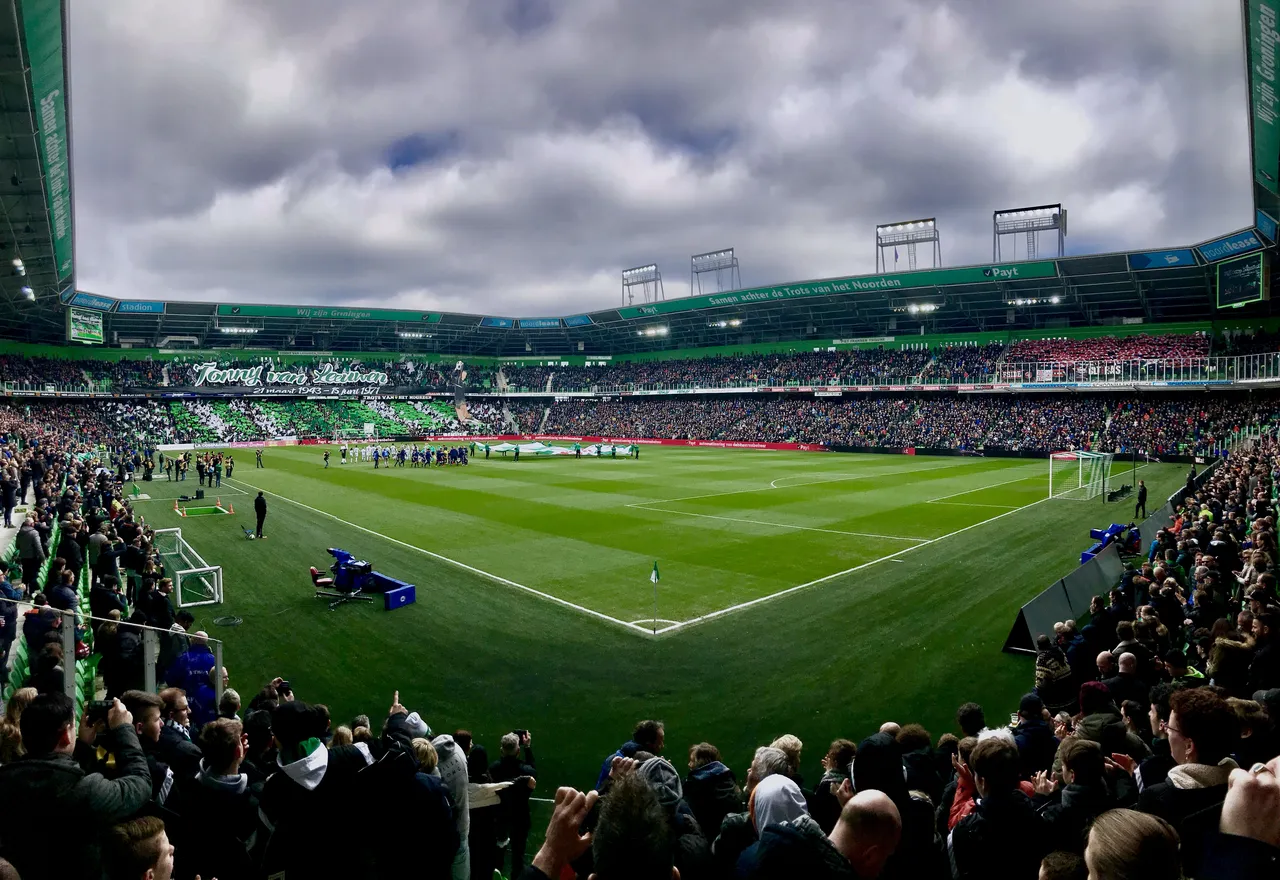
Around Euroborg, coffee takes on a completely different role. Business football packages include a welcome with coffee, tea, and something sweet. Consequently, coffee becomes part of hospitality, networking, and match days, rather than just a daily café visit.
“Who drinks coffee here?”
Zuidoost has approximately 3,988 residents, but possesses a very large business base. In 2025, there were 2,075 business establishments. Of these, 505 were in trade and hospitality, while 575 were active in business services. This means the demand for coffee is driven strongly by the daytime population.
The neighborhood grew rapidly. In 2013, Zuidoost had only 1,955 residents; by 2026, that number reached 3,988. There are 1,945 households, with an average size of 1.7 people. Furthermore, 56 percent of households consist of a single person.
These figures align with short, individual coffee moments. Think of cappuccinos, latte macchiatos, coffee with cake, lunch coffee, and coffee on the go. The neighborhood also has a highly educated profile: 54 percent of residents between 15 and 75 years old have a higher education. However, the major roads, industrial estates, and scattered functions hinder the growth of a truly walkable specialty scene.
Sustainability as an opportunity, not yet an established coffee trend
Notably, coffee-specific sustainability is still sparsely documented. There is no clear local program for reusable cups, coffee ground composting, or collective café initiatives. However, there is a strong broader sustainability context within the neighborhood.
Around Zuidoost, projects are underway regarding sustainability, grid congestion, urban greening, and the reuse of waste streams. There has also been exploration into a Smart Energy Hub with local energy exchange, solar power, flexibility, batteries, residual heat, and public charging points. This could become relevant for the hospitality sector later on, as cafés are relatively energy-intensive.
Additionally, there are initiatives focused on greening businesses, disconnecting rainwater in Euvelgunne, and reusing pallets. For home use, there is a recycling point for coffee capsules at MediaMarkt Groningen at the Sontplein.
The core: a business coffee district with room to grow
Zuidoost is primarily a coffee hub for work, meetings, education, events, and transit. The neighborhood lacks the layered coffee density found in the center of Groningen, but there is a clear demand. This demand comes from employees, students, visitors, commuters, and a growing community of residents.
The biggest opportunity lies in a high-quality, sustainable coffee bar with a strong weekday presence around Station Europapark or the Boumaboulevard. Not as a copy of a slow-paced city center café, but as a spot that fits the vibe of Zuidoost: fast when necessary, welcoming for meetings, and good enough to make a conscious detour for.