
 NL
NL Arnhemse Broek grew from an industrial area into a workers’ district. Its coffee culture is practical and neighbourhood-focused, concentrated along Johan de Wittlaan with lunchrooms, cafés and social drop-in spots such as De Kansenfabriek.
Roasters in Arnhemse Broek
Beukenhorst Koffie
Lichtenvoorde, Gelderland
€€
Beans
8 beans
Price/kg
€23–€28
Per shot
€0.43–€0.54
Bocca Coffee
Dronten, Flevoland
€€€
Beans
14 beans
Price/kg
€28–€109
Per shot
€0.54–€2.07
KBC Arnhem (Velp)
Arnhem, Gelderland
€€€
Beans
14 beans
Price/kg
€23–€44
Per shot
€0.43–€0.83
Coffee Bars in Arnhemse Broek

Espressowinkel.nl / Koffie BelevingsCentrum Arnhem
Espressowinkel.nl in Arnhem combines a coffee roastery, shop, showroom, technical workshop, and training space for home baristas and professional users.
More over Arnhemse Broek
Arnhemse Broek: coffee culture at a glance
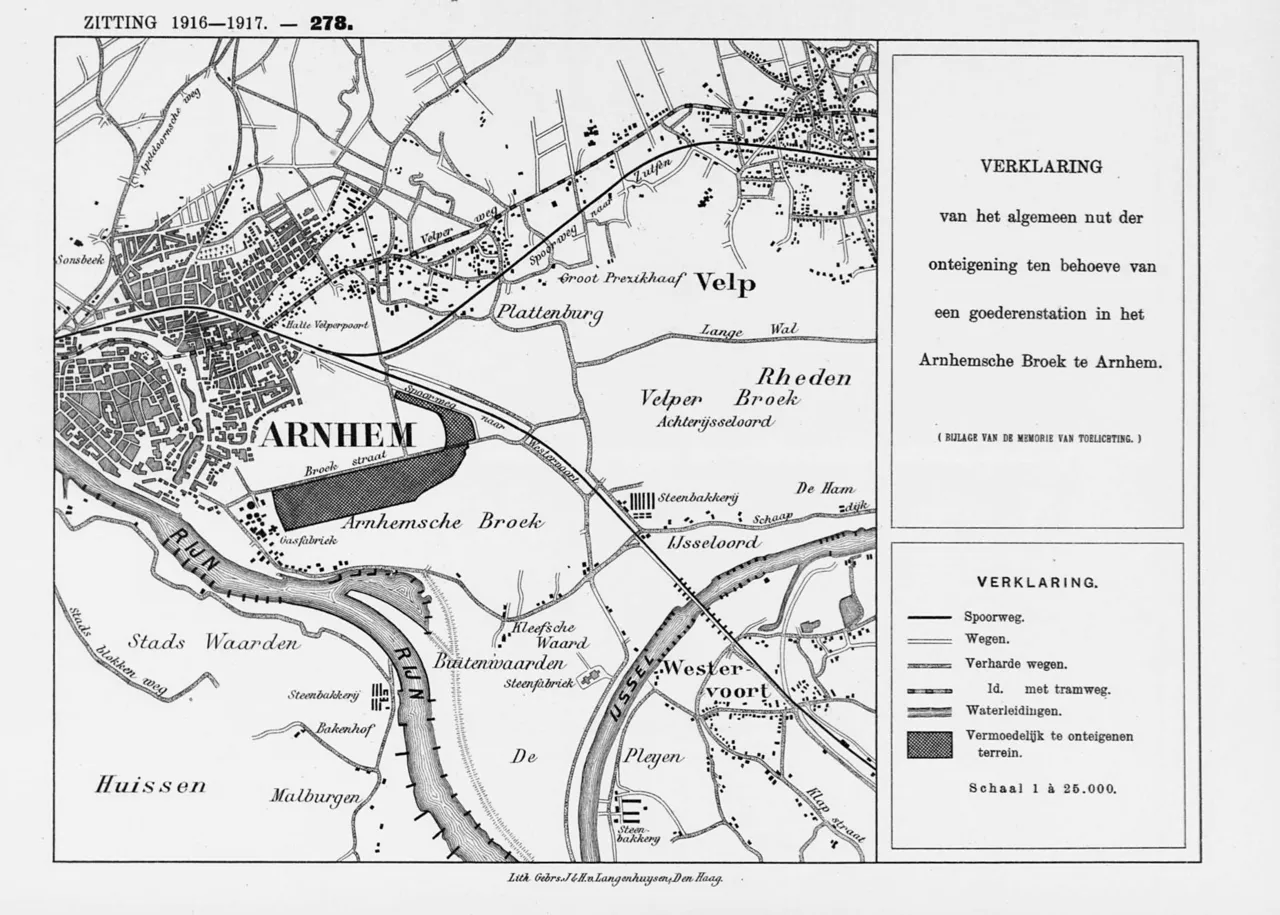
Arnhemse Broek evolved from low-lying marshland into Arnhem’s first true industrial zone, and later into a predominantly working-class neighborhood. This history shaped the daily coffee rhythm, where breaks were timed around shift work rather than the leisurely pace of salon-style coffee houses.
Within the neighborhood boundaries, little classic or specialty coffee heritage has been documented. Instead, the culture revolves around neighborhood cafes, lunchrooms, and social hubs where coffee plays a constant, accessible role.
From marshland to workers’ quarter
In the 1910s, the area was raised with sand and developed as an interwar working-class district. The establishment of the gas factory in 1866 and the PGEM switching station in 1929 solidified its industrial identity, anchoring coffee as the quintessential work-break beverage.
Damage during the Second World War and the subsequent reconstruction reinforced its residential character, rather than making it a destination for urban coffee houses. The nearby Cobercoterrein, now Cobercokwartier, was historically part of the broader Arnhemse Broek zone, linking the neighborhood to river-based industry.
The result is a practical coffee culture. The emphasis is on proximity, affordability, and routine, rather than distinct specialty traditions.
The contemporary scene: Johan de Wittlaan as the backbone
The current offering is modest and community-focused, concentrated along the Johan de Wittlaan. As of December 2025, no dedicated third-wave bars or micro-roasteries have been identified in the neighborhood. Representative establishments combine coffee with lunch, snacks, and social functions.
- Comedor Lunchroom, Johan de Wittlaan 271, 6828 XM, daily 10:00–22:00, a neighborhood lunchroom serving coffee, with long opening hours and broad appeal for families and solo visitors.
- Café Bar “’t Broekje”, Johan de Wittlaan 263, 6828 XM, a small local café-bar with a down-to-earth pub style and a familiar coffee routine.
- De Gastronoom “Het Broek”, Johan de Wittlaan 51, 6828 XC, a café/snackbar where coffee goes hand-in-hand with grills and quick meals, open from afternoon until late evening.
- De Kansenfabriek, Johan de Wittlaan 299, 6828 XW, an accessible meeting place with coffee and open walk-in hours, designed as an inclusive social anchor.
This backbone of addresses reflects a functional “coffee-plus” approach: coffee is on the menu, but it doesn’t carry the business alone.
Coffee as social glue
Drop-in moments and living-room-like spaces turn coffee into a medium for connection, support, and participation. Coffee opens the door for a conversation, help with paperwork, or an affordable bite to eat.
- On weekdays from 10:00–14:00, De Kansenfabriek offers open coffee, free fruit, and soup, providing a space to meet others or receive support.
- “’t Broek Omhoog” invites residents for “a cup of coffee or tea and a chat” as a starting point for community activities.
- Community center “Zij = Wij”, De Blokhut, Le Mairnehof 20, organizes coffee-and-conversation drop-in sessions, highlighted in neighborhood communications.
- Wijkcentrum Symfonie, Valckenierstraat 1, serves as a civic heart, where coffee is available or provided on-site during gatherings.
These spots function as informal living rooms. Coffee supports well-being, social connection, and daily stability.
Demand and preferences: demographics in figures
In 2025, the broader neighborhood counts approximately 7,205 residents, with small households averaging 1.8 people. About 76 percent of the housing stock consists of rentals, which increases mobility and price sensitivity.
Nearly 60 percent of households consist of single occupants, with higher poverty indicators compared to Arnhem as a whole. The average individual income is significantly below the national level.
This structure drives demand toward affordable, accessible coffee spots with long opening hours and a social component. Lunchrooms, cafés, and drop-in locations along the Johan de Wittlaan serve exactly this profile.
Sustainability and outlook
Specific coffee sustainability initiatives at the neighborhood level are scarce in the public domain. The most visible effort is social: low-threshold access to coffee, free fruit and soup, and a focus on food security via drop-in locations.
Just outside the neighborhood, a relevant benchmark is set by Peeze Coffee Roasters in Presikhaaf-West. This business promotes climate-neutral, Fairtrade coffees and training, providing a potential reference model for future entrepreneurs in Arnhemse Broek.
The transformation around Rijnpark, bordering the neighborhood, focuses on a green, mixed-use urban area. This creates conditions for bike-friendly logistics, green terrace edges, and potentially reusable cup systems for new cafés.
Forecasts linked to Rijnpark predict significant population growth for Arnhemse Broek. Consequently, the demand for modern neighborhood cafés is growing, creating opportunities for the first specialty initiatives that align with the existing social coffee culture.