
 NL
NL High-Altitude Coffee
At high altitudes (above 1500 meters), coffee cherries ripen more slowly, resulting in denser beans with pronounced aromas. The lower temperature and thinner air foster a complex flavor profile, often characterized by high acidity and fruity, floral, or wine-like notes. Regions such as Ethiopia and parts of Latin America are known for their high-altitude coffees, which are prized for their refined and sparkling character.
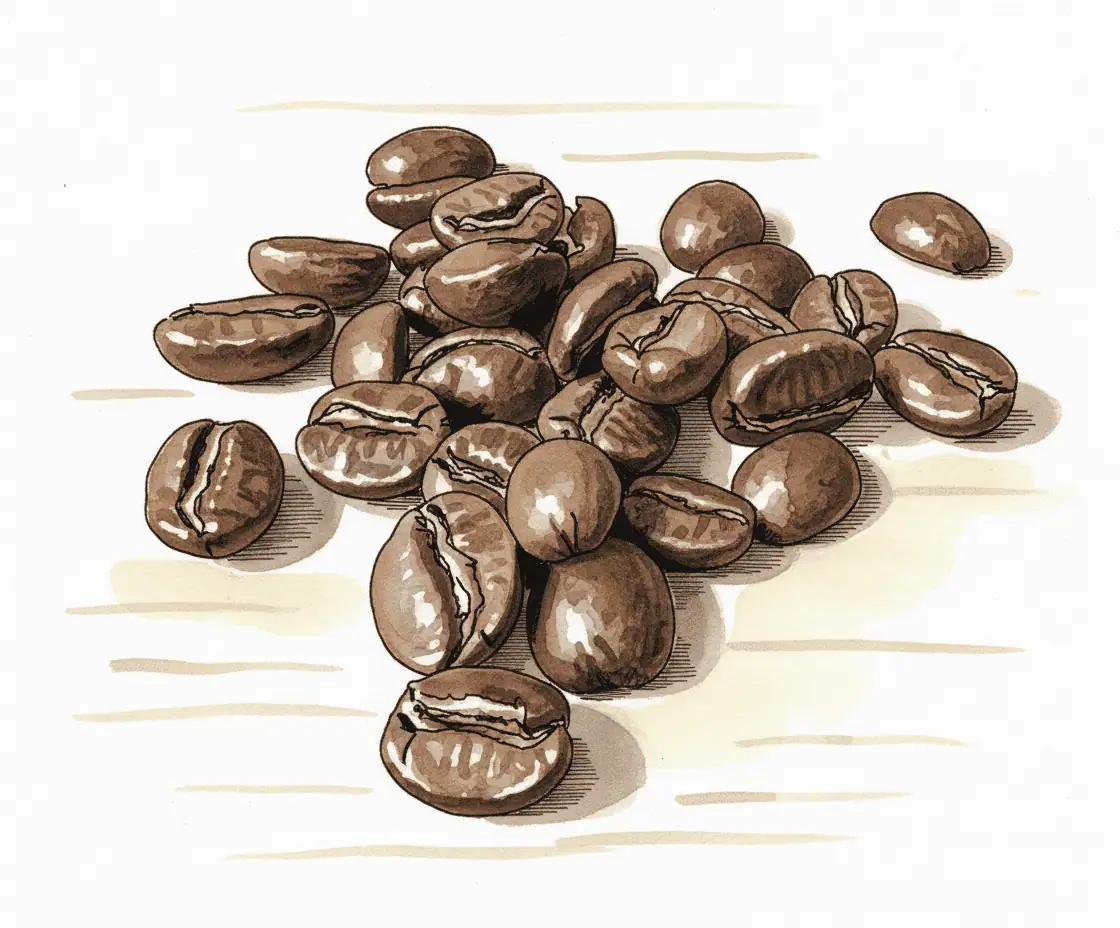
High‑altitude coffee beans

Colombia Caturron spices
Colombia Caturrón from Koffiebranderij de Koepoort combines spices and Colombian precision. This direct trade coffee comes from Villa Betulia in Huila, at an altitude of 1600 meters. Through co-fermentation with cardamom, the cup features notes of cinnamon, cardamom, and herbs. The roaster also describes this limited edition as suitable for both espresso and filter. The product page explicitly mentions an SCA score…
Colombia Cerro Azul Gesha
Colombia Cerro Azul Gesha from Friedhats is a striking natural Gesha from Valle del Cauca. This coffee comes from Cafe Granja La Esperanza and pairs floral finesse with juicy fruit. As a result, you will taste citronella, blueberry, pineapple, pomegranate, and tamarind in a silky cup. Moreover, this is an Omni roast, making it suitable for filter and…
Colombia CGLE CGLE-17 Comp
Colombia CGLE from Friedhats highlights a rare variety from Las Margaritas. This aerobically processed coffee hails from Caicedonia and tastes of melon, pomelo, and oolong tea. It is perfect for drinkers seeking fresh fruit notes and an elegant tea-like structure. Friedhats does not provide brewing advice or an SCA score, so those details are intentionally omitted.
Colombia Clementine Glow
Colombia Clementine Glow from Blue’s Coffee offers a bright, sweet arabica from Risaralda. This washed Bourbon Papayo grows on Finca El Caney at an altitude of 1,650 meters. Expect notes of clementine, jasmine, vanilla cream, and lemongrass, with a silky body and sweet depth. The roaster roasts this coffee lighter, making it work beautifully as filter coffee. With an SCA score of 88 points…
COLOMBIA CO-FERMENTED WATERMELON – Luuk’s Coffee, light roast
Bright and juicy with watermelon, brown sugar, soft citrus, and a lightly candied sweetness.
Colombia El Bombo
Colombia El Bombo from Moto Coffee comes from Pitalito in Huila. Fifteen female farmers from Asobombo grow this single origin organically and with great care. The fully washed process and the altitude result in a clean cup with distinct sweetness. Expect dark chocolate, a full body, and light stone fruit accents. The roaster developed this profile for a rich espresso…
Colombia El Caney Sugarcane Decaf
Fascino roasts Colombia El Caney Sugarcane Decaf for lovers of full-bodied, caffeine-free specialty coffee. The coffee comes from Finca El Caney in Risaralda, where Gustavo Zuluaga grows Caturra. Thanks to the sugarcane process, it retains notes of chocolate, caramel, nougat, and sweet fruit. Furthermore, according to the roaster, this washed decaf is suitable for espresso, lungo, milk coffee, and filter coffee. With an SCA score…
Colombia El Limon
Colombia El Limon from Blanche Dael brings Huila to life with fresh, sweet fruit. This washed microlot from Uberney Samboni Zuniga tastes of watermelon, red berries, peach, and chocolate. Therefore, this coffee suits drinkers who seek clarity but also appreciate a rounded sweetness.
Colombia El Renacer
Evermore Colombia El Renacer is a striking specialty coffee from Chinchiná in Caldas. This Red Bourbon grows at high altitudes, which results in increased sweetness and complexity. This is followed by a 72-hour anaerobic co-fermentation with mango, lactobacillus, and saccharomyces. The result is an expressive yet balanced cup. Expect notes of mango, creamy cashew…
Colombia El Renecar
Colombia El Renecar from De Koepoort combines Huila with a soft coconut sweetness. The arabica SL28 grows at 1600 meters and gains depth through co-fermentation with coconut. As a result, you taste a sweet, tropical profile that clearly differs from classic Colombian coffees. Direct trade and fresh roasting make this limited edition extra interesting for adventurous home baristas.
Colombia El Rincón Red Fruit
El Rincón Red Fruit from Dutch Barista Coffee delivers a powerful Colombian punch in the cup. Diego Horta grows this Colombia cultivar in Santa María at altitudes between 1,650 and 1,830 meters. The red fruit-infused washed process yields notes of strawberry yogurt, papaya, pineapple, and passion fruit. As a result, the body feels juicy and creamy, with a bright acidity driven by high levels of lactic and tartaric acid. With an SCA score of 88, this coffee…
Colombia El Silencio
El Silencio from Kolibri Coffee comes from Finca El Silencio in Quituro, Huila. Jhoan Sebastian Silva grows this Colombia variety at 1,800 meters altitude in Colombia. The washed process yields clear notes of red apple, pure chocolate, and red berries. Brew espresso with 17 grams of coffee, a 40-gram yield, and a 25-second extraction time. Use 9 bar pressure and 93…
Colombia Excelso
Colombia Excelso from Westfriese Koffie brings the clarity of Huila right to your cup. This washed arabica grows at altitudes between 1,750 and 1,850 meters in the fertile Colombian mountains. Its sweet body carries floral and fruity notes balanced by pure chocolate. That is why every sip ends soft, round, and pleasantly sweet without becoming heavy. Caturra, Castillo, and Typica give this coffee…
Colombia Excelso
No 14 Colombia Excelso Dark from Little Roastery brings Colombia to your cup with clarity and strength. The washed beans grow at altitudes of 1,200 to 2,000 meters across various Colombian regions. Grapefruit and red berries provide a fresh tension, while pure chocolate deepens the finish. As a result, this dark roast suits drinkers seeking body without flat bitterness.
Colombia Excelso Decaf
Colombia Excelso Decaf from Huila offers fresh notes of orange, berries, and cocoa. The washed process keeps the cup clean and precise. Castillo and Caturra provide balance and a creamy body that holds up well in milk. The SCA score is 81. Origin Huila, 1600 meters. Processed washed, focus on clarity. Roast profiles for espresso and filter. No specific recipes, adjust ratio and grind…
Colombia Excelso Decaf
Colombia Excelso Decaf from Jeronimo Coffee delivers rich Colombian balance without a noticeable caffeine taste. This single origin combines chocolate, soft caramel, almond, and fresh citrus in a rounded cup. That is why this medium roast suits drinkers who seek complexity at any time.
High Altitude (above 1500 meters)
Welcome to the world of high-altitude coffee! When you think of beans grown above 1500 meters, words like “refined,” “complex,” and “vibrant” often come to mind. But why exactly? In this article, we’ll dive into the effects of high altitudes on your espresso, the chemical composition of the beans, processing methods, and much more.
How altitude affects espresso flavor
At high altitudes, coffee cherries mature more slowly. This gradual ripening process allows sugars and acids in the fruit to develop over time, giving the beans ample opportunity to build a full range of flavors. When you use these beans for espresso, you’ll often taste a refined acidity and floral or fruity characteristics—think subtle citrus or berry aromas with a bright, almost “sparkling” quality. If you enjoy a delicate espresso, high-altitude beans are an excellent choice.
Chemical composition: density, sugars, and acids
Because the air is thinner and cooler at higher elevations, coffee trees receive less oxygen and grow at a slower pace. This results in denser beans that often exhibit higher acidity. The sugars develop more gradually, and the extended ripening contributes to a complex flavor structure. You end up with a bean that balances sweetness and complexity, translating into a lively cup of coffee. The increased density also impacts roasting profiles: roasters usually take extra care to highlight all those nuanced flavors.
Processing methods at high altitude
Thanks to the cooler, sometimes more humid climate, some coffee farmers opt for processing techniques that emphasize their beans’ unique characteristics. In many high-altitude regions, the washed method is especially popular, as it accentuates fruity and floral notes. Removing the pulp and mucilage under carefully controlled conditions allows any impurities to wash away, leaving a clean, pure flavor. There’s also some experimentation with natural and honey processes in these regions, though washed processing is often the standard for maintaining clarity.
Climate and microclimate
High-altitude environments have unique weather conditions: cooler nights, milder days, and often more rainfall. In some places, mist clings to the mountainsides, creating microclimates that can vary even from one slope to the next. This contributes to the slow ripening of cherries and the development of complex aromas. On the flip side, coffee farmers face challenges like fungal diseases in damp conditions, but the reward is a flavor profile cherished worldwide.
Yield and resilience
Growing coffee at 1500 meters or higher isn’t easy. The trees often produce fewer cherries because the plants expend more energy just to survive in cooler temperatures. Still, the beans command a premium for their pronounced quality and distinctive taste. Many farmers form cooperatives to share knowledge about cultivating coffee under these challenging conditions, employing innovative irrigation methods or using shade trees to protect their coffee plants.
Choosing coffee varieties
Not all coffee plants thrive at 2000 meters. Farmers often select varieties that can handle the cold and resist diseases, such as certain Arabica strains (like Bourbon, Typica, or Geisha). These varieties are known for their potential to develop subtle flavor nuances—a perfect match for the special circumstances high altitudes provide.
All in all, coffee from high altitudes isn’t just any cup of joe. Expect floral notes, a lively acidity, and refined aromas that will delight anyone seeking a bright and complex coffee experience.