
 NL
NL High-Altitude Coffee
At high altitudes (above 1500 meters), coffee cherries ripen more slowly, resulting in denser beans with pronounced aromas. The lower temperature and thinner air foster a complex flavor profile, often characterized by high acidity and fruity, floral, or wine-like notes. Regions such as Ethiopia and parts of Latin America are known for their high-altitude coffees, which are prized for their refined and sparkling character.
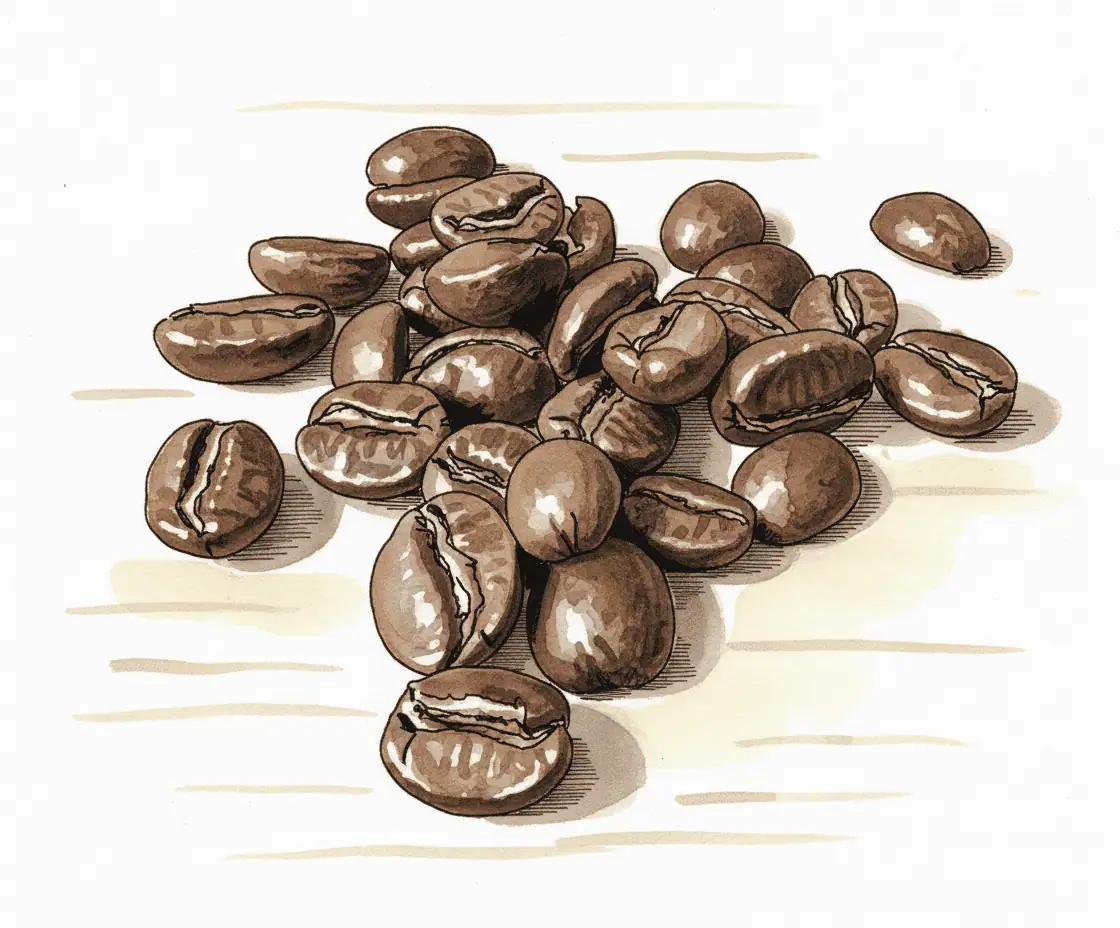
High‑altitude coffee beans

Colombia Finca las Brisas
Colombia Finca las Brisas from Independent Coffee Roasters is a washed Geisha from Pitalito in Huila. This coffee stands out due to its floral aromas, fruity clarity, and an elegant, clean finish. The high altitude and volcanic soil provide extra layering in the cup. Furthermore, the roaster recommends this bean for filter, for example with V60, Kalita, or a…
Colombia Fruit Juice – Five Ways Coffee Roasters, light roast
Sweet with notes of Turkish delight, milky oolong, and pineapple berries.
Colombia Gesha Luz Mary Alvear – Stooker Specialty Coffee
Sweet with notes of grape, chocolate, caramel, and orange.
Colombia Gustavo
Colombia Gustavo from Het Brandhuys hails from Risaralda and demonstrates just how bright washed Caturra can taste. Expect notes of hazelnut and apple, a soft body, and a clean, refined finish. This makes the coffee smooth to drink, yet remains captivating for single origin enthusiasts. The cup score of 85 points confirms that consistent quality. For…
Colombia Hawaii Mokka
Colombia Hawaii Mokka from Friedhats brings a rare Mokka from Colombia with plenty of character. The natural process yields notes of oolong, warm spices, and a long, complex finish. Thanks to the omni branding, this coffee performs beautifully as both filter and espresso.
Colombia Huila – Drupa Coffee Roasters, medium roast
With notes of marzipan, milk chocolate, and roasted almond.
Colombia Huila cafeïnevrij
Blue’s Colombia Huila decaf shows that decaf can taste vibrant and refined. This washed arabica from Huila is decaffeinated using the EA sugarcane method, ensuring that sweetness and aroma are well preserved. As a result, you taste a round, clean cup with notes of red fruit, vanilla, and butterscotch. Furthermore, the regional origin from the southwest of…
Colombia Incorporate – Lot Sixty One Coffee Roasters, light roast
Fruity with notes of watermelon, golden kiwi, and golden berry.
Colombia Jesús Cerón
Colombia Jesús Cerón from Schot Coffee Roasters lets Nariño taste bright and comfortable. This crop of Castillo grows high in Genova and comes from one dedicated farmer. You taste lemon, plum, and nougat, with a clean structure and soft balance. Additionally, Schot supports a long direct relationship with the Argote community since 2016. Ideal for those who enjoy Colombian specialty coffee with…
Colombia Jésus Cerón
Colombia Jesus Cerón natural from De Koepoort brings direct trade from Genova Colon to your espresso. This natural coffee combines licorice, dried fruit, and milk chocolate with a clear Colombian origin. De Koepoort names espresso as the suitable brewing method for this freshly roasted limited edition. With an SCA score of 85.50, it offers a distinct specialty profile without heavy complexity.
Colombia Kachalu
Colombia Kachalu from BOOT Koffie comes from Santander, where small-scale farmers have collaborated on organic coffee for years. Thanks to the washed process, the cup remains clear and sweet. Expect notes of dried fruit, chocolate, and cane sugar, with a round body and soft acidity. As a result, this espresso feels familiar, but never flat. Origin: Santander, Colombia Process: washed Recommended for: espresso machine…
Colombia Kachalu Decaf
Boot Colombia Kachalu Cafe�;nevrij comes from Santander and unites the harvest of about sixty small farmers within Kachalu. This washed coffee is then decaffeinated using an organically certified CO2 process, so that much of the aroma is preserved. In the cup, you primarily taste cane sugar, chocolate, and dried fruit. Consequently, the espresso feels round, soft, and familiar…
Colombia Kaleidoscope
Colombia Kaleidoscope from Kolibri Coffee is a fruity filter coffee from Pitalito, Huila. This composition by CATA LAB combines small microlots with an advanced natural fermentation. As a result, you taste banana bread, berry jam, and cocoa in a sweet, aromatic cup. Brew it as a filter with a medium-coarse grind, 15 grams of coffee, and 250 grams of water. Use water at 93 degrees, a ratio…
Colombia La Divisa
Colombia La Divisa from Bitterzoet hails from Circasia in Quindío and immediately displays a bright, sweet balance. You will taste jackfruit, biscuit, plum, and dark chocolate, keeping every sip fruity and layered. Moreover, the 30-hour anaerobic fermentation with washed processing gives this Castillo coffee extra depth and a clean finish. Sebastian Gomez grows this coffee at 1700…
High Altitude (above 1500 meters)
Welcome to the world of high-altitude coffee! When you think of beans grown above 1500 meters, words like “refined,” “complex,” and “vibrant” often come to mind. But why exactly? In this article, we’ll dive into the effects of high altitudes on your espresso, the chemical composition of the beans, processing methods, and much more.
How altitude affects espresso flavor
At high altitudes, coffee cherries mature more slowly. This gradual ripening process allows sugars and acids in the fruit to develop over time, giving the beans ample opportunity to build a full range of flavors. When you use these beans for espresso, you’ll often taste a refined acidity and floral or fruity characteristics—think subtle citrus or berry aromas with a bright, almost “sparkling” quality. If you enjoy a delicate espresso, high-altitude beans are an excellent choice.
Chemical composition: density, sugars, and acids
Because the air is thinner and cooler at higher elevations, coffee trees receive less oxygen and grow at a slower pace. This results in denser beans that often exhibit higher acidity. The sugars develop more gradually, and the extended ripening contributes to a complex flavor structure. You end up with a bean that balances sweetness and complexity, translating into a lively cup of coffee. The increased density also impacts roasting profiles: roasters usually take extra care to highlight all those nuanced flavors.
Processing methods at high altitude
Thanks to the cooler, sometimes more humid climate, some coffee farmers opt for processing techniques that emphasize their beans’ unique characteristics. In many high-altitude regions, the washed method is especially popular, as it accentuates fruity and floral notes. Removing the pulp and mucilage under carefully controlled conditions allows any impurities to wash away, leaving a clean, pure flavor. There’s also some experimentation with natural and honey processes in these regions, though washed processing is often the standard for maintaining clarity.
Climate and microclimate
High-altitude environments have unique weather conditions: cooler nights, milder days, and often more rainfall. In some places, mist clings to the mountainsides, creating microclimates that can vary even from one slope to the next. This contributes to the slow ripening of cherries and the development of complex aromas. On the flip side, coffee farmers face challenges like fungal diseases in damp conditions, but the reward is a flavor profile cherished worldwide.
Yield and resilience
Growing coffee at 1500 meters or higher isn’t easy. The trees often produce fewer cherries because the plants expend more energy just to survive in cooler temperatures. Still, the beans command a premium for their pronounced quality and distinctive taste. Many farmers form cooperatives to share knowledge about cultivating coffee under these challenging conditions, employing innovative irrigation methods or using shade trees to protect their coffee plants.
Choosing coffee varieties
Not all coffee plants thrive at 2000 meters. Farmers often select varieties that can handle the cold and resist diseases, such as certain Arabica strains (like Bourbon, Typica, or Geisha). These varieties are known for their potential to develop subtle flavor nuances—a perfect match for the special circumstances high altitudes provide.
All in all, coffee from high altitudes isn’t just any cup of joe. Expect floral notes, a lively acidity, and refined aromas that will delight anyone seeking a bright and complex coffee experience.