
 NL
NL High-Altitude Coffee
At high altitudes (above 1500 meters), coffee cherries ripen more slowly, resulting in denser beans with pronounced aromas. The lower temperature and thinner air foster a complex flavor profile, often characterized by high acidity and fruity, floral, or wine-like notes. Regions such as Ethiopia and parts of Latin America are known for their high-altitude coffees, which are prized for their refined and sparkling character.
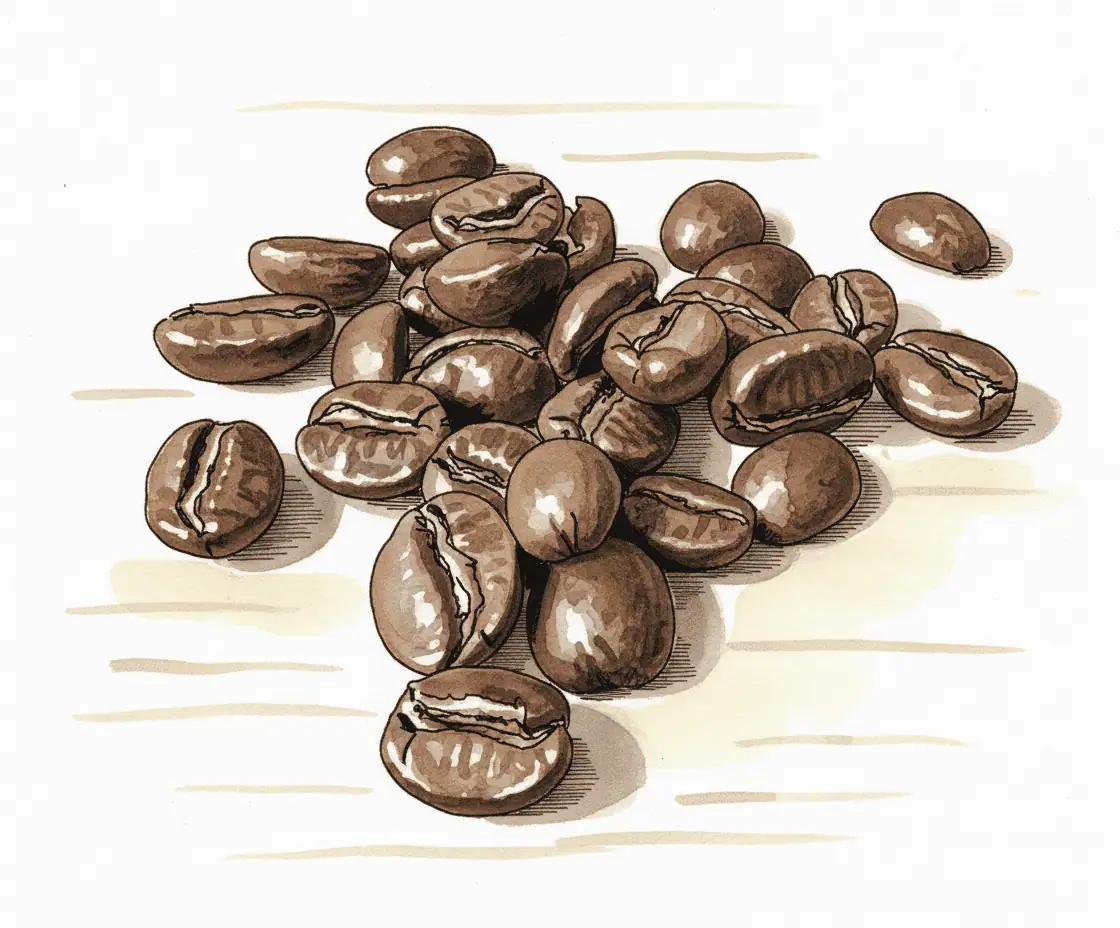
High‑altitude coffee beans

Koyoyo Coöp
Koyoyo Coöp van Koffie van Kees komt uit Aceh in het noorden van Sumatra. Deze koffie draait om body, specerijen en een warm, donker profiel. De brander roostert bewust langzamer en donkerder om kracht en textuur in de kop te tonen. Daardoor blijft de koffie stevig en herkenbaar, vooral in melkdranken. Volgens de brander blinkt…
La
La Natural van Zwarte Koffie laat direct zien waarom deze Colombiaanse lot opvalt. De koffie van Ana Restrepo uit Valle del Cauca combineert aardbei, braam en stroop met een ronde body en zachte frisheid. Dankzij 96 uur fermentatie en een natural proces krijgt de kop extra zoetheid en een speels fruitig karakter. Bovendien scoort deze…
La Chacra D’Dago – Wiracocha lot – Peru
Wiracocha van Nordic Roasting is een lichte washed koffie uit Junín en Villa Rica in Peru. De familie Marin teelt deze boon biodynamisch onder schaduw van inheemse planten. Dat geeft rust in de groei en meer helderheid in de kop. Verwacht tonen van sinaasappel, molasses en karamel, met een schone body en lange zoete afdronk.…
La Cocha Colombia
FREKKO La Cocha is een medium roast uit Nariño in Colombia met een helder en zacht profiel. In de kop komen gele perzik, rozijn en cacao mooi samen, gevolgd door rietsuiker en lichte citrus. De aerobic washed verwerking houdt de koffie schoon en gelaagd. Daardoor blijft hij toegankelijk, maar nooit vlak. Deze koffie scoort 84…
La Coipa Organic – DECAF
Deze decaf uit La Coipa, Cajamarca, is gewassen en via Swiss Water verwerkt. Verwacht donkere chocolade, bruine suikers en een schone, frisse afdronk. Morning Glory brandt apart voor filter en espresso, zodat elke zetmethode helder en consistent smaakt. Zoek een vollere kop of juist meer definitie, dan past dit lot moeiteloos mee.Filter V60, Chemex, AeropressEspresso…
La Hondurita – El Salvador
Sango La Hondurita is een opvallende Pacamara uit Chalatenango in El Salvador. Fito Montiel produceert deze koffie op grote hoogte, wat zorgt voor spanning en diepte in de kop. Daarna geeft de natural verwerking extra zoetheid en rijp fruit. In espresso proef je gedroogde abrikoos, melasse en grapefruit. Daardoor krijgt de koffie een volle body…
La Independencia
Geproduceerd op 1 580 meter aan de Santa Ana vulkaan, komt La Independencia van de Salaverria familie op Finca San Francisco. De lichte espresso roast houdt de frisheid van een natural mooi in balans. Verwacht een jamachtige body met zwarte kers, abrikoos en ronde honingtonen, met een zachte afdronk. Kersen worden handgeplukt, in lagen gedroogd…
La Parra Costa Rica
La Parra van TUKA is een single origin microlot uit Tarrazú in Costa Rica. Deze red honey van de Milenio variëteit combineert bloemige tonen met vanille, geel fruit en een boterzachte textuur. Daardoor blijft de kop helder, zoet en elegant. De koffie scoorde 88,50 SCA.Espresso: 19 gram, 40 milliliter, 28 seconden.V60: 22 gram op 350…
La Piragua – Colombia
Sango presenteert La Piragua Pink Bourbon uit Palestina Huila. Hoogte en vulkanische bodems geven helderheid en zoetheid.De natuurlijke verwerking start met 96 uur onderwaterfermentatie, gevolgd door gecontroleerde droging en rust.Herkomst Palestina Huila Colombia 1680 meterSmaak aardbeiroom melkchocolade zachte mangoBody medium en zijdeachtig, zuurgraad wijnachtig en helderVerwerking natural met submerged fermentatie 96 uurAanbevolen als espresso, uitstekend…
La Piragua Colombia Pink Bourbon
La Piragua Pink Bourbon van Uncommon laat zien hoe precies vakwerk uit Huila kan smaken. Alexander Vargas teelt deze koffie op 1.800 meter, waar langzame rijping voor meer diepte en spanning zorgt. Daarna geeft een natural verwerking met oxidatie en anaerobe fermentatie de boon extra fruitkracht. In de kop proef je sinaasappel, kers en melkchocolade.…
Las Nubes – Tolima – Colombia
Las Nubes van Nordic Roasting komt uit Planadas in Tolima op 1700 tot 2000 meter. Het is een gewassen lot met Castillo, Colombia en Caturra. De lichte branding is gemaakt voor filter en bewaart frisse citrus, karamel en melkchocolade. De kop proeft helder met levendige zuren, romige noot en een schone afdronk.Recept startpunt 60 gram…
Lasso Lassi
Deze Lasso Lassi van Sprout Coffee Roasters komt uit Pitalito, Huila, Colombia. Nestor Lasso verwerkt de lot experimenteel gewassen, wat helderheid en romige textuur geeft. Verwacht lychee, tropisch fruit en een lassi achtige creaminess die lang blijft hangen. De branding werkt als filter en als moderne espresso, met veel zoetheid en een schone finish. Start…
Last Word Decaf
Last Word Decaf is een levendige decaf van Sprout Coffee Roasters uit Huila, Colombia.Gemaakt op Finca Los Nogales met Caturra en een mucilage EA decaf, op basis van eigen most.Verwacht frisse tonen van groene appel, citroengras en sinaasappel, met heldere zuurgraad en schone nasmaak.In 2024 won dit proces op deze boerderij de U.S. Brewers Cup,…
LAURINA Indonesia, Supriyanto
Deze release draait om Laurina Indonesia Supriyanto van A Matter of Concrete. De zeldzame Laurina uit Oost-Java groeit rond 1700 meter op vulkanische bodems. Een fermentatie van 120 uur zonder zuurstof geeft helder fruit, strakke zuurgraad en fijne zoetheid. De brander koos een filterprofiel dat ook als espresso overtuigt, mits de extractie klopt.Herkomst Mount Suket…
Lemon Ice Tea
Lemon Ice Tea van Sprout Coffee Roasters is ontworpen voor filter en komt uit Chelbesa in zuidelijk Ethiopië. De gewassen verwerking levert een heldere, precieze kop die het terroir laat spreken zonder zware tonen. Verwacht citroen en zwarte thee, gevolgd door een lichte, florale finale met lange, droge nasmaak.Herkomst Chelbesa Gedeb 2200 mVariëteit Heirloom met…
Lemon Squeeze – Ethiopia
Lemon Squeeze van DAK Coffee Roasters laat zien hoe levendig een gewassen Ethiopiër kan zijn. Deze koffie komt van Rumu Damo in Sidama, waar kleine boeren op grote hoogte rijpe kersen aanleveren.Daardoor ontstaat een heldere kop met citroen, nectarine en wilde bloemen. Bovendien zorgt de washed verwerking voor veel precisie, frisse zuren en een schone…
High Altitude (above 1500 meters)
Welcome to the world of high-altitude coffee! When you think of beans grown above 1500 meters, words like “refined,” “complex,” and “vibrant” often come to mind. But why exactly? In this article, we’ll dive into the effects of high altitudes on your espresso, the chemical composition of the beans, processing methods, and much more.
How altitude affects espresso flavor
At high altitudes, coffee cherries mature more slowly. This gradual ripening process allows sugars and acids in the fruit to develop over time, giving the beans ample opportunity to build a full range of flavors. When you use these beans for espresso, you’ll often taste a refined acidity and floral or fruity characteristics—think subtle citrus or berry aromas with a bright, almost “sparkling” quality. If you enjoy a delicate espresso, high-altitude beans are an excellent choice.
Chemical composition: density, sugars, and acids
Because the air is thinner and cooler at higher elevations, coffee trees receive less oxygen and grow at a slower pace. This results in denser beans that often exhibit higher acidity. The sugars develop more gradually, and the extended ripening contributes to a complex flavor structure. You end up with a bean that balances sweetness and complexity, translating into a lively cup of coffee. The increased density also impacts roasting profiles: roasters usually take extra care to highlight all those nuanced flavors.
Processing methods at high altitude
Thanks to the cooler, sometimes more humid climate, some coffee farmers opt for processing techniques that emphasize their beans’ unique characteristics. In many high-altitude regions, the washed method is especially popular, as it accentuates fruity and floral notes. Removing the pulp and mucilage under carefully controlled conditions allows any impurities to wash away, leaving a clean, pure flavor. There’s also some experimentation with natural and honey processes in these regions, though washed processing is often the standard for maintaining clarity.
Climate and microclimate
High-altitude environments have unique weather conditions: cooler nights, milder days, and often more rainfall. In some places, mist clings to the mountainsides, creating microclimates that can vary even from one slope to the next. This contributes to the slow ripening of cherries and the development of complex aromas. On the flip side, coffee farmers face challenges like fungal diseases in damp conditions, but the reward is a flavor profile cherished worldwide.
Yield and resilience
Growing coffee at 1500 meters or higher isn’t easy. The trees often produce fewer cherries because the plants expend more energy just to survive in cooler temperatures. Still, the beans command a premium for their pronounced quality and distinctive taste. Many farmers form cooperatives to share knowledge about cultivating coffee under these challenging conditions, employing innovative irrigation methods or using shade trees to protect their coffee plants.
Choosing coffee varieties
Not all coffee plants thrive at 2000 meters. Farmers often select varieties that can handle the cold and resist diseases, such as certain Arabica strains (like Bourbon, Typica, or Geisha). These varieties are known for their potential to develop subtle flavor nuances—a perfect match for the special circumstances high altitudes provide.
All in all, coffee from high altitudes isn’t just any cup of joe. Expect floral notes, a lively acidity, and refined aromas that will delight anyone seeking a bright and complex coffee experience.