
 NL
NL High-Altitude Coffee
At high altitudes (above 1500 meters), coffee cherries ripen more slowly, resulting in denser beans with pronounced aromas. The lower temperature and thinner air foster a complex flavor profile, often characterized by high acidity and fruity, floral, or wine-like notes. Regions such as Ethiopia and parts of Latin America are known for their high-altitude coffees, which are prized for their refined and sparkling character.
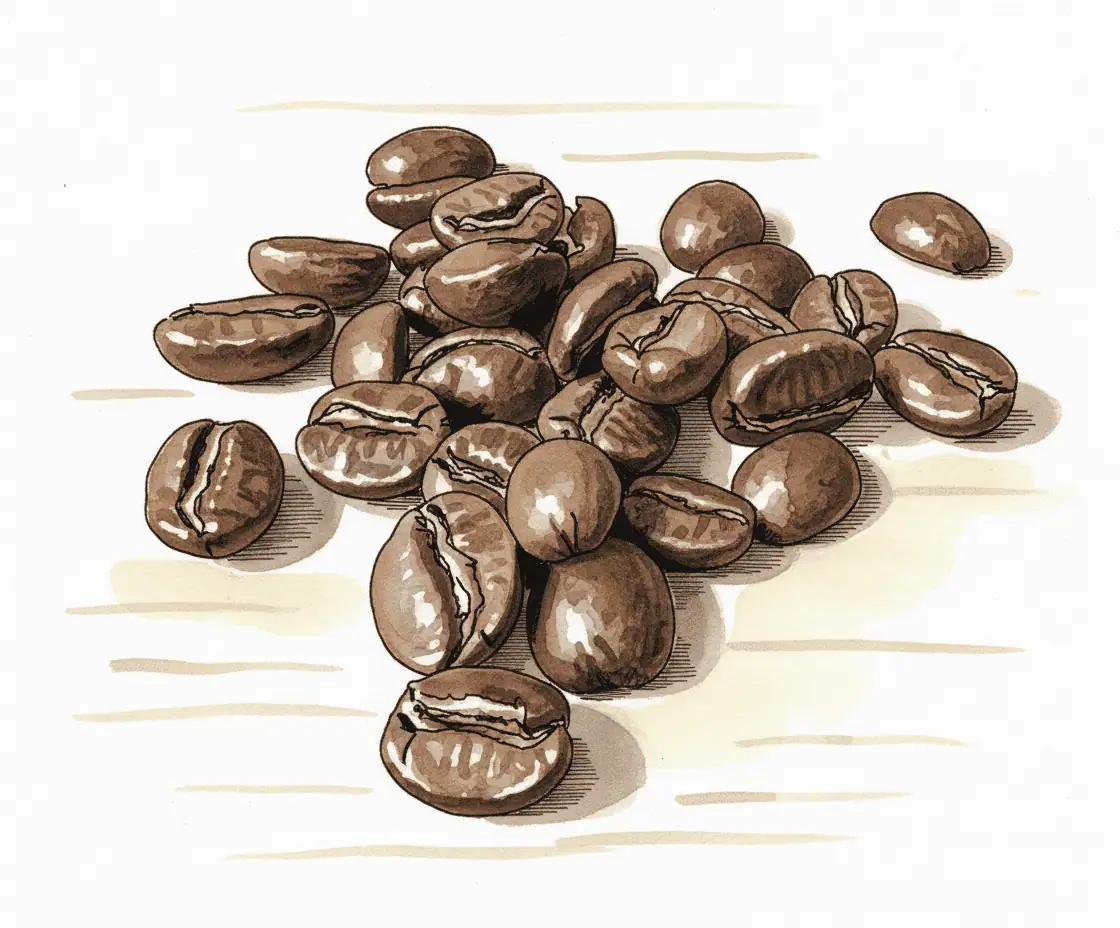
High‑altitude coffee beans

Lush Lemons
Sprout Lush Lemons is een kleine washed Pink Bourbon uit San Agustín, Huila. Deze koffie koppelt citroen, perzik en oranjebloesem aan veel helderheid en een schone, frisse afdronk. Daardoor past hij goed bij liefhebbers van elegante Colombiaanse koffies met duidelijke herkomst. Sprout brandt deze release als omni, dus voor filter en espresso. Voor espresso adviseert…
Mahembe Geisha
Mahembe Geisha van Keen Coffee is een zeldzame koffie uit Nyamasheke in Rwanda. Deze anaerobic natural combineert een Geisha Mibirizi hybride met een lichte branding voor veel helderheid. Daardoor ontstaat een sappige kop met tonen van perzik, mango en limoen. Tegelijk blijft de structuur strak en elegant, zonder zwaar te worden. De koffie is geschikt…
Makhore Ethiopië
FREKKO Makhore Ethiopië is een lichte natural uit Jimma met tonen van blauwe bes, citroengras en hazelnoot. De koffie komt van kleinschalige boeren op 1500 tot 1800 meter en scoort 85 SCA. Daardoor blijft de kop fris, zacht en gelaagd. Voor espresso adviseert FREKKO 18 gram in en 60 gram uit. Voor filter is 15…
Malabar
Koffie Academie Malabar is een klassieke Monsooned Malabar uit India met een zachte, volle stijl. Door 12 tot 16 weken blootstelling aan moessonlucht krijgt de boon weinig aciditeit, veel body en warme tonen van aarde, donkere chocolade, noten en specerijen. Daardoor voelt elke slok rond, mild en geruststellend aan. Deze koffie komt het best tot…
Maple Syrup
Sprout Coffee Roasters presenteert “Maple Syrup”, een washed Gesha uit San Agustín, Huila. Verwacht mandarijn, bergamot en een siroopachtige zoetheid met papaja en honingaccenten. De kop blijft helder, de textuur is zijdeachtig, en de afdronk lang.Herkomst San Agustín Huila Colombia, boer Daniel Muñoz.Proces washed, zorgvuldige fermentatie en droging op bedden.Smaak tonen van mandarijn bergamot papaja…
Mary Luz Ruiz – Pink Bourbon
Morning Glory Coffee Roasters zet met Mary Luz Ruiz een verfijnde Pink Bourbon uit Huila in de schijnwerpers. Deze gewassen koffie van El Placer in San Agustín combineert perzik, koffiebloesem en karamel in een heldere, zoete kop. Daardoor proeft de koffie florale precisie, sappige aciditeit en een schone afdronk. Bovendien laat het microlot mooi zien…
MBILI
Mbili komt uit de Kivu Belt in Rwanda en wordt gewassen verwerkt op Liza Coffee Washing Station op 1600 meter. De medium roast levert een krachtige maar gebalanceerde kop met tonen van chocolade, gedroogd fruit en honing, afgerond met een notig cacao accent. De gewassen methode geeft helderheid en een levendige aciditeit, terwijl kleine batches…
Melange no. 1
Melange no. 1 is Op Kop's first house blend, made from beans from South America and Africa, grown at altitudes from 600 to 2350 meters. The roaster selects for character, origin, and purpose, roasting medium-dark for a robust, creamy taste. Expect notes of dark chocolate and hazelnut, a full body, and a long aftertaste. The blend combines...
Mensur Aba Hika, Ethiopia Decaf
Mensur Aba Hika Decaf van Man Met Bril laat zien hoe spannend cafeïnevrije specialty coffee kan zijn. Deze washed koffie uit Jimma in Ethiopië smaakt naar braam, florale tonen en chocolade, met een romig mondgevoel. Daardoor blijft de kop schoon, zoet en mooi in balans. Bovendien is deze lot breed inzetbaar. Voor espresso adviseert de…
Mexico Altura BT
Mexico Altura BT van Kaan Koffie komt uit Chiapas en is gewassen verwerkt. Het profiel is zacht en rond, met melkchocolade, notige tonen en rijp fruit. De espresso blijft helder, terwijl cappuccino richting praline en cacao schuift.Wil je starten met een stabiele extractie, volg dan deze suggesties:Moderne espressoratio met medium doorlooptijd voor zoetheid en cacao.Iets…
Mexico Bloom
Mexico Bloom is een toegankelijke single origin uit Mexico, gebrand door Ief en Ido in Den Haag. De boon komt uit Chiapas, Veracruz en Puebla en is overwegend washed verwerkt. Verwacht melkchocolade, hazelnoot en zachte steenvrucht, met een rond mondgevoel en schone afdronk. De branding richt zich op balans, zoetheid en een romige espresso.Ideaal voor…
Mexico Finca Pocitos
Mexico Finca Pocitos van Single Estate komt uit Veracruz, waar Carlos Cadena met zijn familie al generaties koffie verbouwt. Deze Mundo Maya natural levert een sappige kop met tonen van druif, braam en kiwi gold. Daardoor smaakt de koffie vol, zoet en helder tegelijk. De brander drinkt deze release het liefst als filter en noemt…
Mexico Huehuentones
Mexico Huehuentones van De Koffiebrander is een seizoenskoffie uit La Mazateca in Oaxaca. De washed verwerking en de hoogte van 1.500 tot 1.900 meter zorgen voor een heldere, zoete en gelaagde kop. Eerst proef je tropisch fruit en framboos. Daarna volgen limoen, citrus en een zachte toon van gedroogd fruit. Bovendien geven Typica en Bourbon…
Mexico Santa Fé Decaf
Mexico Santa Fé Decaf van Blommers is een evenwichtige specialty decaf uit Motozintla in Chiapas. De koffie komt van Finca Santa Fé van Jorge Arreola Nava en groeit onder inga schaduw op 1.200 tot 1.320 meter. Daarna volgt een washed verwerking met Mountain Water Decaf bij Descamex in Mexico. Dat bewaart de zoetheid en houdt…
Mexico Sierra Mariscal
Mexico Sierra Mariscal van Blue City Roasters brengt helderheid en balans uit Siltepec, Chiapas. De koffie is volledig gewassen, wat zorgt voor een schone kop en duidelijke terroirexpressie. Verwacht een romige body en een lange, ronde afdronk die uitnodigt tot nog een slok. Smaak: melkchocolade, karamel, zachte citrus Zetadvies: perfect voor espresso en filter, ideaal…
Milde
Milde van De Limburgse Koffiebranderij is een cadeaubox met vier zachte koffies voor elke dag. In deze selectie komen Guatemala uit Antigua en Cuba mooi samen, met cacao, noten, chocolade en een milde kruidigheid. Daardoor blijft de kop rond, helder en toegankelijk, zonder scherpe zuren of harde bitters. De box is vooral ontwikkeld voor de…
High Altitude (above 1500 meters)
Welcome to the world of high-altitude coffee! When you think of beans grown above 1500 meters, words like “refined,” “complex,” and “vibrant” often come to mind. But why exactly? In this article, we’ll dive into the effects of high altitudes on your espresso, the chemical composition of the beans, processing methods, and much more.
How altitude affects espresso flavor
At high altitudes, coffee cherries mature more slowly. This gradual ripening process allows sugars and acids in the fruit to develop over time, giving the beans ample opportunity to build a full range of flavors. When you use these beans for espresso, you’ll often taste a refined acidity and floral or fruity characteristics—think subtle citrus or berry aromas with a bright, almost “sparkling” quality. If you enjoy a delicate espresso, high-altitude beans are an excellent choice.
Chemical composition: density, sugars, and acids
Because the air is thinner and cooler at higher elevations, coffee trees receive less oxygen and grow at a slower pace. This results in denser beans that often exhibit higher acidity. The sugars develop more gradually, and the extended ripening contributes to a complex flavor structure. You end up with a bean that balances sweetness and complexity, translating into a lively cup of coffee. The increased density also impacts roasting profiles: roasters usually take extra care to highlight all those nuanced flavors.
Processing methods at high altitude
Thanks to the cooler, sometimes more humid climate, some coffee farmers opt for processing techniques that emphasize their beans’ unique characteristics. In many high-altitude regions, the washed method is especially popular, as it accentuates fruity and floral notes. Removing the pulp and mucilage under carefully controlled conditions allows any impurities to wash away, leaving a clean, pure flavor. There’s also some experimentation with natural and honey processes in these regions, though washed processing is often the standard for maintaining clarity.
Climate and microclimate
High-altitude environments have unique weather conditions: cooler nights, milder days, and often more rainfall. In some places, mist clings to the mountainsides, creating microclimates that can vary even from one slope to the next. This contributes to the slow ripening of cherries and the development of complex aromas. On the flip side, coffee farmers face challenges like fungal diseases in damp conditions, but the reward is a flavor profile cherished worldwide.
Yield and resilience
Growing coffee at 1500 meters or higher isn’t easy. The trees often produce fewer cherries because the plants expend more energy just to survive in cooler temperatures. Still, the beans command a premium for their pronounced quality and distinctive taste. Many farmers form cooperatives to share knowledge about cultivating coffee under these challenging conditions, employing innovative irrigation methods or using shade trees to protect their coffee plants.
Choosing coffee varieties
Not all coffee plants thrive at 2000 meters. Farmers often select varieties that can handle the cold and resist diseases, such as certain Arabica strains (like Bourbon, Typica, or Geisha). These varieties are known for their potential to develop subtle flavor nuances—a perfect match for the special circumstances high altitudes provide.
All in all, coffee from high altitudes isn’t just any cup of joe. Expect floral notes, a lively acidity, and refined aromas that will delight anyone seeking a bright and complex coffee experience.