
 NL
NL High-Altitude Coffee
At high altitudes (above 1500 meters), coffee cherries ripen more slowly, resulting in denser beans with pronounced aromas. The lower temperature and thinner air foster a complex flavor profile, often characterized by high acidity and fruity, floral, or wine-like notes. Regions such as Ethiopia and parts of Latin America are known for their high-altitude coffees, which are prized for their refined and sparkling character.
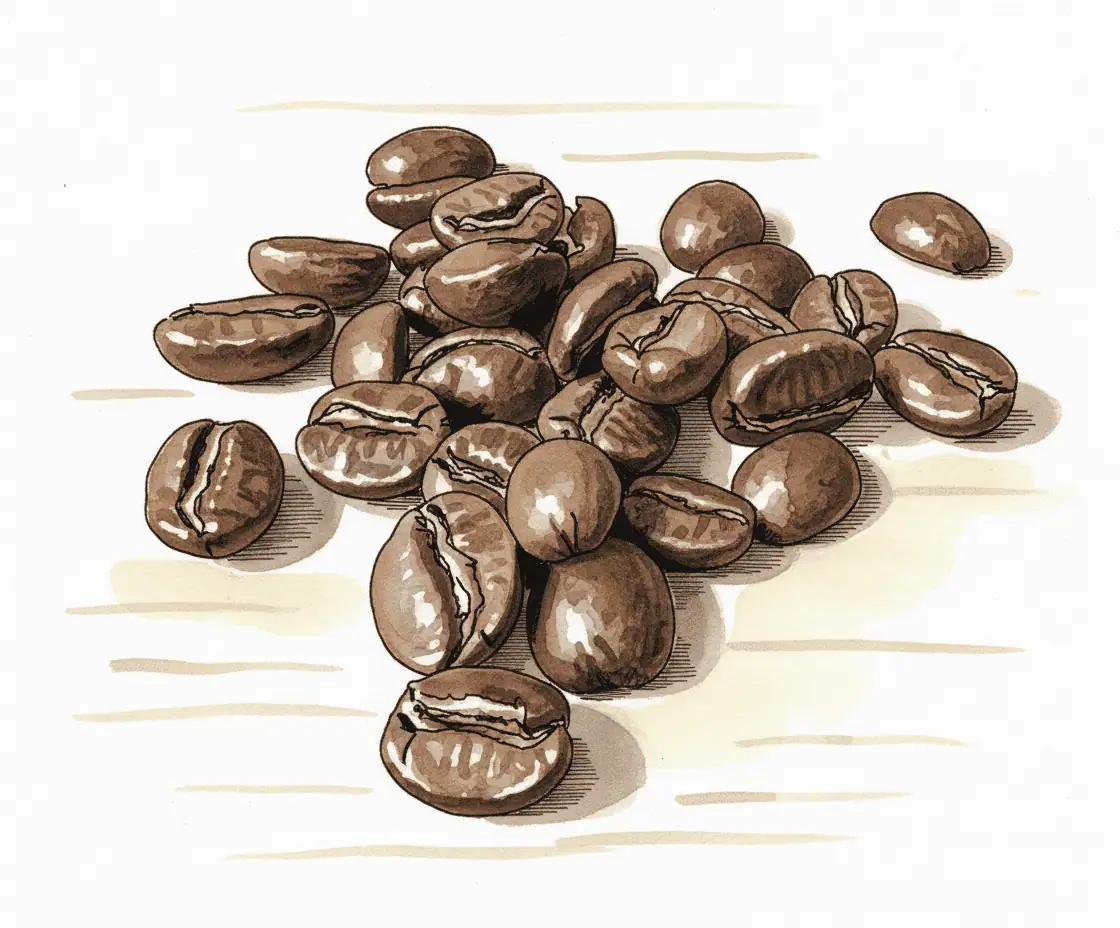
High‑altitude coffee beans
Los Patios – Colombia
Sango Los Patios shows how processing and origin can reinforce one another. This coffee from Huila combines Castillo and Caturra with the Anaerobic Honey Mosto process. This creates a clear, juicy cup with notes of apricot, grapefruit, and rosemary. The acidity is vibrant, the body is medium, and the finish is crisp. Moreover, this release is clearly…
Lush Lemons
Sprout Lush Lemons is a small washed Pink Bourbon from San Agustín, Huila. This coffee pairs lemon, peach, and orange blossom with great clarity and a clean, fresh finish. As such, it is well-suited for lovers of elegant Colombian coffees with a distinct origin. Sprout roasts this release as an omni, meaning it is suitable for both filter and espresso. For espresso, they recommend…

Mahembe Geisha
Mahembe Geisha from Keen Coffee is a rare coffee from Nyamasheke in Rwanda. This anaerobic natural combines a Geisha Mibirizi hybrid with a light roast for plenty of clarity. This creates a juicy cup with notes of peach, mango, and lime. At the same time, the structure remains tight and elegant, without becoming heavy. The coffee is suitable…
Maple Syrup
Sprout Coffee Roasters presents “Maple Syrup”, a washed Gesha from San Agustín, Huila. Expect mandarin, bergamot, and a syrupy sweetness with papaya and honey accents. The cup remains bright, the texture is silky, and the finish is long. Origin: San Agustín Huila Colombia, farmer Daniel Muñoz. Process: washed, careful fermentation and drying on beds. Tasting notes: mandarin, bergamot, papaya…
Mario’s Supermix
Mario’s Supermix from Mario’s Koffie brings together 100% Arabica from Brazil, Colombia, and Indonesia Sulawesi. The blend combines nutty chocolate, lively acidity, earthy tones, and a soft spiciness. Thanks to the slow roasting, the taste remains rounded, powerful, and less bitter in the cup. Use it for a strong espresso or a soft cappuccino, just as the roaster himself…
Marvelous Medium – Wonder Beans, Peru medium roast
Milk chocolate and sweet fruit with a fresh undertone of ripe lemon.
masincho premium – Still Coffee Roasters, Ethiopia
Floral with notes of jasmine, apricot, black tea and citrus fruits.
Mauricio – BeanBrothers, medium roast
Sweet and fruity with notes of caramel, red berries, and chocolate.
MBILI
Mbili comes from the Kivu Belt in Rwanda and is wet-processed at Liza Coffee Washing Station at 1600 meters. The medium roast delivers a powerful yet balanced cup with notes of chocolate, dried fruit, and honey, rounded off with a nutty cacao accent. The washed method provides clarity and vibrant acidity, while small batches...
Melange 1
Melange 1 from The Roast Brothers brings together three powerful Arabica coffees in one rich espresso. The blend combines Kenya AB, Guatemala Antiqua Pastoral, and Colombia Excelso for full-bodied aromas. As a result, you taste a robust coffee with soft notes of caramel and nuts. Suitable for espresso, milk drinks, regular coffee, and filter coffee. Packaged as a box with six bags of 500…
Melange 2
Melange 2 from The Roast Brothers brings together 100% Arabica in a full-bodied blend. The blend pairs Brazil with Colombia Excelso, Guatemala Antiqua Pastoral, and Costa Rica Bella Vista. As a result, you taste light spicy notes, a subtle body, and a hint of chocolate. Moreover, according to the roaster, it suits espresso, milk drinks, regular coffee, and filter coffee.
Melange 3
Melange 3 from The Roast Brothers is a mild Arabica blend for aromatic café crème. The beans come from Guatemala, Kenya, Colombia, and Costa Rica, with SHG quality. Thanks to the light roast, you taste fresh, sweet notes and a clear hint of citrus. Brew this coffee as café crème for a soft, rich cup. Enjoy it in the morning,…
Melange Forte
Melange Forte from Buna Koffie combines power, spiciness, and a distinct Italian character. This blend combines Arabica from Cerrado and Honduras with robust Robusta from Vietnam. As a result, you taste spicy chocolate, mocha, and a strong mouthfeel in every cup. Perfect for classic espresso and strong black coffee. Also suitable for cappuccino, latte macchiato, and other milk coffees.
Melange no. 1
Melange no. 1 is Op Kop's first house blend, made from beans from South America and Africa, grown at altitudes from 600 to 2350 meters. The roaster selects for character, origin, and purpose, roasting medium-dark for a robust, creamy taste. Expect notes of dark chocolate and hazelnut, a full body, and a long aftertaste. The blend combines...
High Altitude (above 1500 meters)
Welcome to the world of high-altitude coffee! When you think of beans grown above 1500 meters, words like “refined,” “complex,” and “vibrant” often come to mind. But why exactly? In this article, we’ll dive into the effects of high altitudes on your espresso, the chemical composition of the beans, processing methods, and much more.
How altitude affects espresso flavor
At high altitudes, coffee cherries mature more slowly. This gradual ripening process allows sugars and acids in the fruit to develop over time, giving the beans ample opportunity to build a full range of flavors. When you use these beans for espresso, you’ll often taste a refined acidity and floral or fruity characteristics—think subtle citrus or berry aromas with a bright, almost “sparkling” quality. If you enjoy a delicate espresso, high-altitude beans are an excellent choice.
Chemical composition: density, sugars, and acids
Because the air is thinner and cooler at higher elevations, coffee trees receive less oxygen and grow at a slower pace. This results in denser beans that often exhibit higher acidity. The sugars develop more gradually, and the extended ripening contributes to a complex flavor structure. You end up with a bean that balances sweetness and complexity, translating into a lively cup of coffee. The increased density also impacts roasting profiles: roasters usually take extra care to highlight all those nuanced flavors.
Processing methods at high altitude
Thanks to the cooler, sometimes more humid climate, some coffee farmers opt for processing techniques that emphasize their beans’ unique characteristics. In many high-altitude regions, the washed method is especially popular, as it accentuates fruity and floral notes. Removing the pulp and mucilage under carefully controlled conditions allows any impurities to wash away, leaving a clean, pure flavor. There’s also some experimentation with natural and honey processes in these regions, though washed processing is often the standard for maintaining clarity.
Climate and microclimate
High-altitude environments have unique weather conditions: cooler nights, milder days, and often more rainfall. In some places, mist clings to the mountainsides, creating microclimates that can vary even from one slope to the next. This contributes to the slow ripening of cherries and the development of complex aromas. On the flip side, coffee farmers face challenges like fungal diseases in damp conditions, but the reward is a flavor profile cherished worldwide.
Yield and resilience
Growing coffee at 1500 meters or higher isn’t easy. The trees often produce fewer cherries because the plants expend more energy just to survive in cooler temperatures. Still, the beans command a premium for their pronounced quality and distinctive taste. Many farmers form cooperatives to share knowledge about cultivating coffee under these challenging conditions, employing innovative irrigation methods or using shade trees to protect their coffee plants.
Choosing coffee varieties
Not all coffee plants thrive at 2000 meters. Farmers often select varieties that can handle the cold and resist diseases, such as certain Arabica strains (like Bourbon, Typica, or Geisha). These varieties are known for their potential to develop subtle flavor nuances—a perfect match for the special circumstances high altitudes provide.
All in all, coffee from high altitudes isn’t just any cup of joe. Expect floral notes, a lively acidity, and refined aromas that will delight anyone seeking a bright and complex coffee experience.