
 NL
NL High-Altitude Coffee
At high altitudes (above 1500 meters), coffee cherries ripen more slowly, resulting in denser beans with pronounced aromas. The lower temperature and thinner air foster a complex flavor profile, often characterized by high acidity and fruity, floral, or wine-like notes. Regions such as Ethiopia and parts of Latin America are known for their high-altitude coffees, which are prized for their refined and sparkling character.
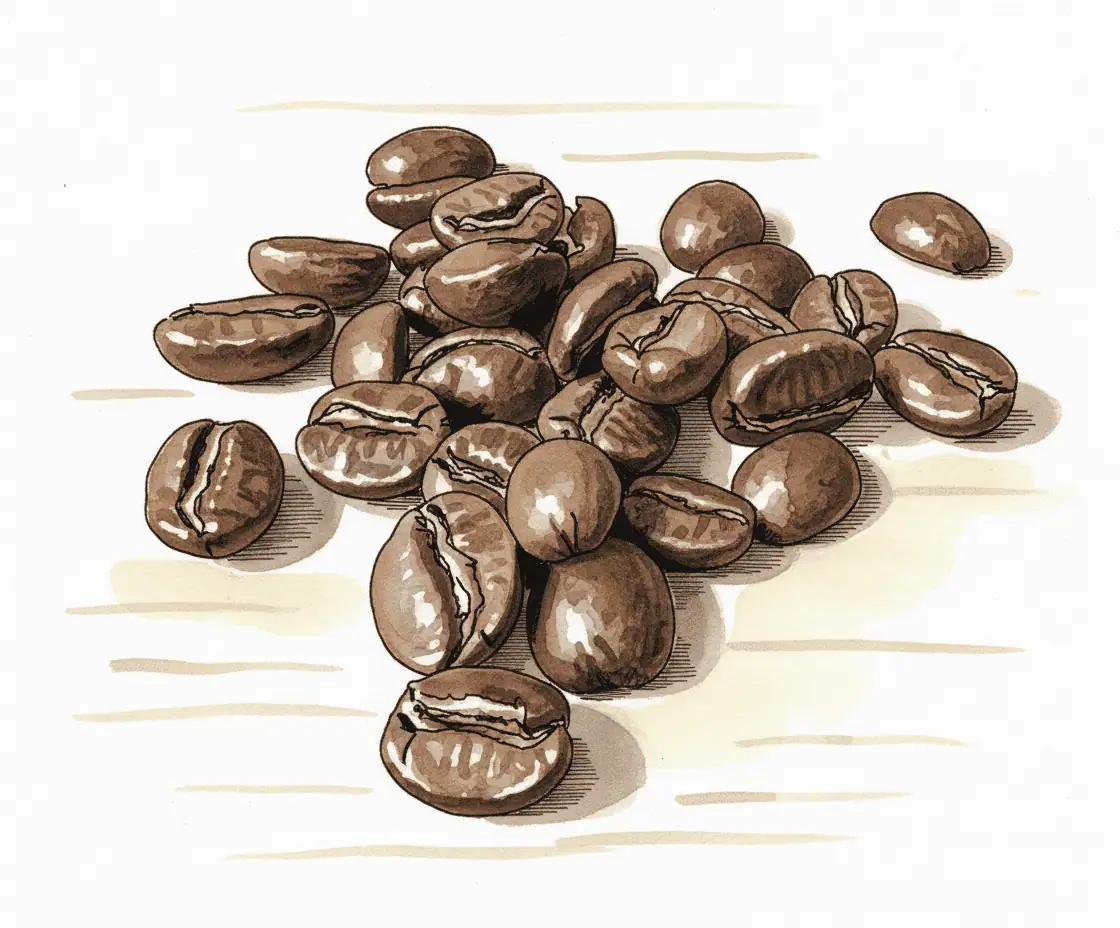
High‑altitude coffee beans
Palo Grande
Palo Grande is a single estate coffee from Huila, Colombia, roasted by Rojas Specialty Coffee. The cherry ferments for 30 hours, followed by 80 hours of anaerobic fermentation, and is dried as honey. This results in a creamy body with bright fruit and a clean finish. Expect aromas of cherry and chocolate, with flavors of watermelon and cocoa. The acidity is…

Panama – La Mula – Gesha – Keppler Koffie, light roast
Jasmine blossom, blackcurrant and blackberry, juicy and velvety in flavor.
Panama Arabica Strictly Hard Bean – Stadsbranderij ‘s-Hertogenbosch
Smooth and crisp with notes of citrus.
Panama Auromar #4 Gesha – Friedhats Coffee Roasters, light roast
Floral with notes of orange blossom, peach, and honey.
Panama Auromar Gesha – Friedhats Coffee Roasters, Colombia light roast
Sweet with notes of plum, strawberry jam and Earl Grey.
Panama Boquete, Typica
Panama Boquete Typica from 80 CUP demonstrates just how clear a washed Typica from high-altitude Boquete can taste. You’ll taste magnolia, green apple, acacia honey, and almond in a refined, sweet cup. The light to medium roast keeps the profile clean, making this coffee strong for filter and a smooth espresso. Grinding finer at 95°C provides more…
Panama Hartmann Birdsong
Panama Hartmann Birdsong from BOOT is a modern espresso with a bright and sweet character. This blend of washed and natural lots comes from Finca Hartmann in Chiriquí. In the cup, you’ll taste red fruits, chocolate, and a soft body. This keeps the coffee elegant, yet remarkably juicy. BOOT developed this coffee specifically for…
Panama Kotowa Gesha #1923
Panama Kotowa Gesha from Friedhats comes from Las Brujas in Chiriqui, Panama. The Koyner family cultivates these washed Gesha at 1,750 meters altitude in Chiriqui. In the cup, you taste lemon verbena, floral layers, and a playful hay warning. Therefore, this coffee suits lovers of clear, elegant, and refined Panama Gesha.
Panamaria
Panamaria Espresso from Boot Koffie delivers a delicate cup from Panama with notes of orange, caramel, and apricot. Additionally, the washed process gives this selection of Caturra and Catuai a bright, sweet espresso. The roaster recommends these beans for espresso machines, super-automatics, moka pots, iced coffee, and milk-based drinks.
Papayo My Guy-O
Papayo My Guy O from Sprout provides washed Papayo from Huila with notes of blackcurrant, apple, and lemon. Yuri Montanchez grows this coffee at Finca Los Guaduales in San Agustin, where sweetness and fresh clarity come together beautifully. For a clean cup, the roaster recommends 17 grams of coffee, 255 grams of water, and 93 degrees.
Papayo Paradise
Papayo Paradise from Giraffe Coffee combines Colombian clarity with tropical sweetness. This washed Papayo grows with María Belén Díaz in Acevedo, Huila, at 1,800 meters. Therefore, you taste mango, figs, and elderflower, with a full and floral body. For double espresso, Giraffe advises 18.5 grams in and 42 grams out. Maintain a run time of 27 seconds from…
Papua
Inproc presents Papua from Papua New Guinea, from estate Sigri A in the Wahgi Valley. The bean is fully washed and lightly roasted, emphasizing floral tones, ripe yellow fruit, and a gentle acidity. Expect a clean cup with a medium body and a long, dry finish. Flavor: floral, spicy, citrus-fresh, with notes of black tea and apricot. Process:…
Papua New Guinea
Papua New Guinea from De Pelikaan is all about traceable coffee from Sigri in the Wahgi Valley. This washed single origin grows on volcanic soil and ripens slowly at high altitudes. This results in a clean, balanced cup with soft acidity, subtle richness, and a calm progression. Typica and Arusha provide clarity, softness, and a refined…
Papua New Guinea
Papua New Guinea from De Zeeuwse Sommelier demonstrates just how powerful a regional coffee can be. This washed coffee from the highlands combines Arusha, Bourbon, and Typica into a smooth, full-bodied cup. As a result, you’ll taste spicy sweetness, fresh sweet berries, and a clean finish. The processing—dry fermented, sun dried, washed— provides extra clarity and…
Papua New Guinea – Bijdrewes, Vietnam medium roast
Smooth and balanced with fruity citrus, nutty notes, cocoa, and brown sugar.
Papua New Guinea Sigri Plantation – Gebrand & Ongebrand
Fresh in taste, with a rich aroma and a full-bodied flavor.
High Altitude (above 1500 meters)
Welcome to the world of high-altitude coffee! When you think of beans grown above 1500 meters, words like “refined,” “complex,” and “vibrant” often come to mind. But why exactly? In this article, we’ll dive into the effects of high altitudes on your espresso, the chemical composition of the beans, processing methods, and much more.
How altitude affects espresso flavor
At high altitudes, coffee cherries mature more slowly. This gradual ripening process allows sugars and acids in the fruit to develop over time, giving the beans ample opportunity to build a full range of flavors. When you use these beans for espresso, you’ll often taste a refined acidity and floral or fruity characteristics—think subtle citrus or berry aromas with a bright, almost “sparkling” quality. If you enjoy a delicate espresso, high-altitude beans are an excellent choice.
Chemical composition: density, sugars, and acids
Because the air is thinner and cooler at higher elevations, coffee trees receive less oxygen and grow at a slower pace. This results in denser beans that often exhibit higher acidity. The sugars develop more gradually, and the extended ripening contributes to a complex flavor structure. You end up with a bean that balances sweetness and complexity, translating into a lively cup of coffee. The increased density also impacts roasting profiles: roasters usually take extra care to highlight all those nuanced flavors.
Processing methods at high altitude
Thanks to the cooler, sometimes more humid climate, some coffee farmers opt for processing techniques that emphasize their beans’ unique characteristics. In many high-altitude regions, the washed method is especially popular, as it accentuates fruity and floral notes. Removing the pulp and mucilage under carefully controlled conditions allows any impurities to wash away, leaving a clean, pure flavor. There’s also some experimentation with natural and honey processes in these regions, though washed processing is often the standard for maintaining clarity.
Climate and microclimate
High-altitude environments have unique weather conditions: cooler nights, milder days, and often more rainfall. In some places, mist clings to the mountainsides, creating microclimates that can vary even from one slope to the next. This contributes to the slow ripening of cherries and the development of complex aromas. On the flip side, coffee farmers face challenges like fungal diseases in damp conditions, but the reward is a flavor profile cherished worldwide.
Yield and resilience
Growing coffee at 1500 meters or higher isn’t easy. The trees often produce fewer cherries because the plants expend more energy just to survive in cooler temperatures. Still, the beans command a premium for their pronounced quality and distinctive taste. Many farmers form cooperatives to share knowledge about cultivating coffee under these challenging conditions, employing innovative irrigation methods or using shade trees to protect their coffee plants.
Choosing coffee varieties
Not all coffee plants thrive at 2000 meters. Farmers often select varieties that can handle the cold and resist diseases, such as certain Arabica strains (like Bourbon, Typica, or Geisha). These varieties are known for their potential to develop subtle flavor nuances—a perfect match for the special circumstances high altitudes provide.
All in all, coffee from high altitudes isn’t just any cup of joe. Expect floral notes, a lively acidity, and refined aromas that will delight anyone seeking a bright and complex coffee experience.