
 NL
NL High-Altitude Coffee
At high altitudes (above 1500 meters), coffee cherries ripen more slowly, resulting in denser beans with pronounced aromas. The lower temperature and thinner air foster a complex flavor profile, often characterized by high acidity and fruity, floral, or wine-like notes. Regions such as Ethiopia and parts of Latin America are known for their high-altitude coffees, which are prized for their refined and sparkling character.
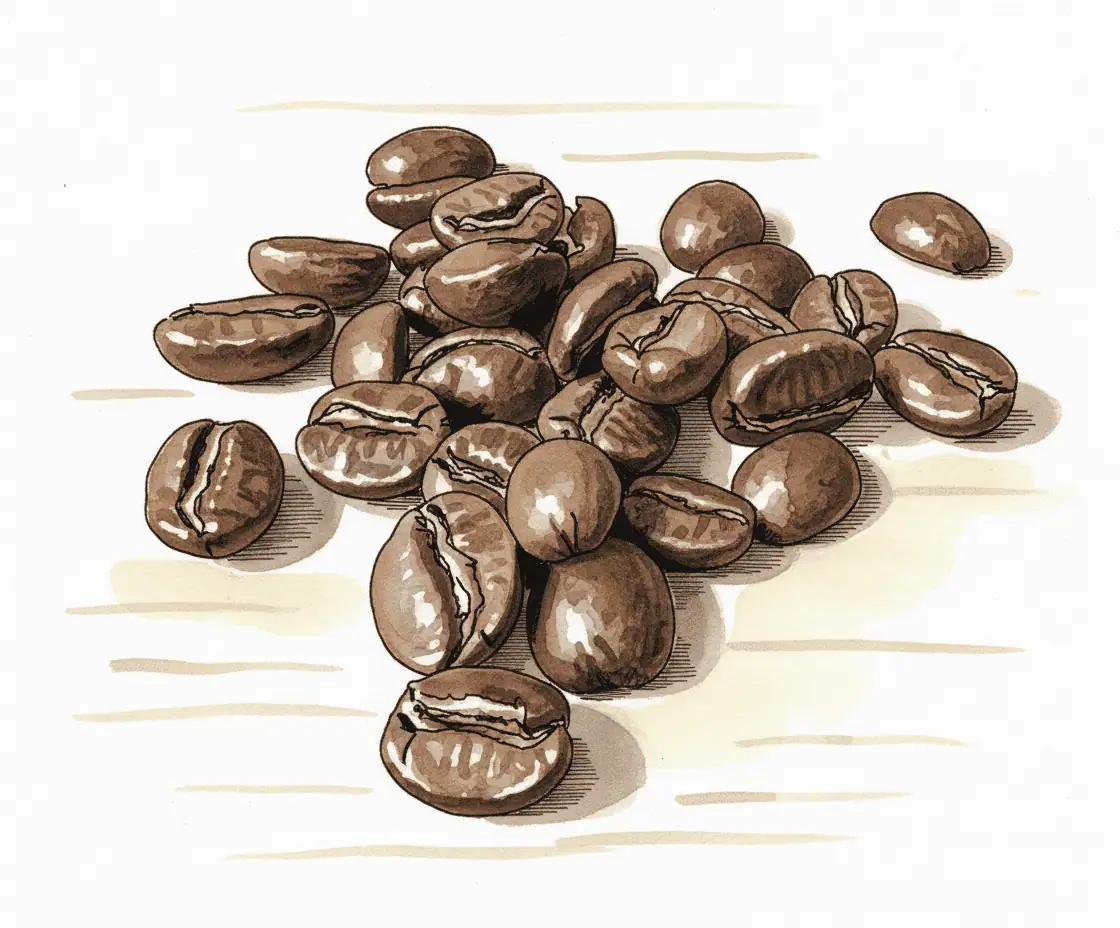
High‑altitude coffee beans

Myanmar Hopong Three Kuhns
Myanmar Hopong Three Khuns van Texelse Branding laat zien hoe spannend koffie uit Shan State kan zijn. Dit village lot van Three Khuns komt uit Hopong en is anaerobic natural verwerkt, wat zorgt voor veel fruit en extra diepte.In de kop proef je kers, blauwe bes, cola en chocolade. Tegelijk blijft de koffie helder, sappig…
Naranjo
Naranjo komt uit de gemeenschap Naranjuyacu in het noorden van Peru, waar koffie op 1700 tot 1900 meter groeit. De bonen zijn gewassen en gebrand als espresso, met heldere tonen van pure chocolade, bloedsinaasappel, karamel, witte druif en bruine suiker. De koffie is biologisch, single origin en onderdeel van direct trade met partner Cultivar. Geschikt…
Neon Milk – Colombia
DAK Neon Milk is een opvallende Pink Bourbon uit Huila, Colombia, van producent Henry Bonilla. Dankzij fermentatie met geselecteerde gisten en hibiscus krijgt de koffie tonen van strawberry milkshake, hibiscus en witte suiker.Daardoor blijft de kop helder, zoet en levendig, met hoge aciditeit en een zachte afdronk. DAK adviseert deze release als filterkoffie, ideaal voor…
Nestor Lasso
Nestor Lasso van Keen Coffee is een opvallende microlot uit Huila, Colombia. Deze Bourbon Ají komt van Finca El Diviso en laat direct zien waarom Nestor Lasso zo hoog staat aangeschreven. Door natural verwerking met oxidatie, anaerobe fermentatie en thermal shock ontstaat een helder en intens profiel. In de kop proef je vlierbloesem, citroengras en…
Nicaragua
Deze single origin uit het noorden van Nicaragua levert een schone, gebalanceerde kop. Hooggelegen percelen in Jinotega en Matagalpa geven dichtheid, helderheid en een zoete finale. Café du Jour roostert wekelijks klein, zodat aroma’s vers en levendig blijven. Verwacht geroosterde noten, zachte hints van steenvrucht en een vleug karamel. De zuurgraad is middelmatig en schoon,…
Nicaragua
Nicaragua The Coffee Lodge komt uit Aranuez, Jinotega, op 1.380 meter. De honey process geeft een ronde body en hogere zoetheid. De branding is medium, zodat fruit en cacao in balans blijven.Geur rijpe kers met honingachtige zoetheidSmaak melkchocolade, vriendelijke zuren en middelzware bodyHerkomst kleine boer Jesus Blandon met schaduwkweekCertificering Fairtrade en Organic voor duurzame teeltDe…
Nicaragua – Finca Las Hortensias
Nicaragua Finca Las Hortensias van Independent Coffee Roasters laat zien hoe uitgebalanceerd een natural kan zijn. Deze Red Catuai uit Dipilto smaakt naar melkchocolade, vanille en rozenbottel, met milde aciditeit en een medium body. Daardoor blijft de kop zacht, zoet en helder. Bovendien komt de koffie van een farm met een sterke kwaliteitsreputatie. De boon…
Nicaragua Bourbon SHG
Deze single origin is Nicaragua Bourbon SHG van Maalwerk Koffie uit Matagalpa. De bonen groeien op SHG hoogte en zijn gewassen verwerkt, wat zorgt voor een heldere, schone kop. Verwacht een zachte balans met florale citrus, smaken van papaja en abrikoos, en een chocoladeachtige zoetheid. De medium branding bewaart het fruit en biedt voldoende body.…
Nicaragua EL JAGUAR
Nicaragua El Jaguar van Tuka Coffee Roasters is een expressieve microlot uit het noorden van Nicaragua. Deze H3 koffie krijgt door fermented natural verwerking veel zoetheid, donker fruit en een romige body. Verwacht tonen van zwarte bes, blauwe bes, chocoladebiscuit en suiker, met een lange, plezierige afdronk. De koffie scoort 85 SCA punten en blijft…
Nicaragua Finca Mierisch
Nicaragua Finca Mierisch van Masters Tea Coffee komt uit een producentenfamilie die al sinds 1908 koffie verbouwt. Deze boon groeit op 1200 tot 1400 meter en biedt een volle, romige kop met karamel, noot, sinaasappel en groene appel. Daardoor blijft de smaak zacht en rond, maar ook levendig genoeg voor liefhebbers van fruit en frisheid.De…
Nicaragua MUNDO MAYA – Medium Light Roast
Deze microlot uit Matagalpa komt van Tuka Coffee Roasters en heet Mundo Maya. De boon is gefermenteerde natural en medium light gebrand. In de kop proef je pure chocolade, rijpe kers en een vleugje sinaasappelschil. De balans is rond, de aciditeit sprankelt. Dit artikel beschrijft herkomst, proces en smaak, en geeft praktische zetadviezen.Espresso dubbel 19…
Nº10 Peru Junín
Nº10 Peru Junín van Little Roastery komt uit Valle Ubiriki in de Andes. De bonen zijn gewassen en medium gebrand voor helderheid en zoetheid. Verwacht een cleane kop met melkchocolade, honing en zwarte bes, met karamel in de afdronk. De langzame roast zorgt voor gelaagde smaken en een romige body. Biologisch en Fairtrade, afkomstig van…
Nº12 Nicaragua Santiago
Little Roastery presenteert Nº12 Nicaragua Santiago, een biologisch gewassen Arabica uit Madriz. De boon komt via PRODECOOP en wordt als medium roast gebrand voor zoetheid en balans. Verwacht cacao in de neus, rode appel en een vleug kaneel in de kop. De zuurgraad is helder, de body romig, de afdronk lang en vriendelijk. Dankzij de…
Nº14 Colombia Excelso Dark
Deze Colombia Excelso Dark van Little Roastery brengt helderheid en kracht samen. De bonen komen van kleine familiebedrijven op grote hoogte, wat zorgt voor langzame rijping en rijke aroma’s. De gewassen verwerking geeft een schone kop met precieze zuren. De dark roast levert een volle body en cacao in de afdronk, terwijl het fruit levendig…
Nº14 Colombia Excelso Light
Nº14 Colombia Excelso Light is een licht gebrande, gewassen koffie met framboos, rozijn en limoen. De kop is schoon, sappig en helder, met een zijdeachtig mondgevoel. Kleine batches en een zorgvuldige slow roast leggen de nadruk op fris rood fruit en gebalanceerde zoetheid. De hoogte en klassieke variëteiten geven pit zonder hardheid, zodat elke slok…
Nº24 Rwanda Liza
Rwanda Liza No 24 van Little Roastery komt uit de Kivu regio, met hoogtes tot circa 2000 meter. De bonen zijn Red Bourbon en ondergaan een gewassen proces, wat zorgt voor helderheid en een schone afdronk. De branding is licht, waardoor fruit en florale tonen levendig blijven.In de kop proef je druif en kamille in…
High Altitude (above 1500 meters)
Welcome to the world of high-altitude coffee! When you think of beans grown above 1500 meters, words like “refined,” “complex,” and “vibrant” often come to mind. But why exactly? In this article, we’ll dive into the effects of high altitudes on your espresso, the chemical composition of the beans, processing methods, and much more.
How altitude affects espresso flavor
At high altitudes, coffee cherries mature more slowly. This gradual ripening process allows sugars and acids in the fruit to develop over time, giving the beans ample opportunity to build a full range of flavors. When you use these beans for espresso, you’ll often taste a refined acidity and floral or fruity characteristics—think subtle citrus or berry aromas with a bright, almost “sparkling” quality. If you enjoy a delicate espresso, high-altitude beans are an excellent choice.
Chemical composition: density, sugars, and acids
Because the air is thinner and cooler at higher elevations, coffee trees receive less oxygen and grow at a slower pace. This results in denser beans that often exhibit higher acidity. The sugars develop more gradually, and the extended ripening contributes to a complex flavor structure. You end up with a bean that balances sweetness and complexity, translating into a lively cup of coffee. The increased density also impacts roasting profiles: roasters usually take extra care to highlight all those nuanced flavors.
Processing methods at high altitude
Thanks to the cooler, sometimes more humid climate, some coffee farmers opt for processing techniques that emphasize their beans’ unique characteristics. In many high-altitude regions, the washed method is especially popular, as it accentuates fruity and floral notes. Removing the pulp and mucilage under carefully controlled conditions allows any impurities to wash away, leaving a clean, pure flavor. There’s also some experimentation with natural and honey processes in these regions, though washed processing is often the standard for maintaining clarity.
Climate and microclimate
High-altitude environments have unique weather conditions: cooler nights, milder days, and often more rainfall. In some places, mist clings to the mountainsides, creating microclimates that can vary even from one slope to the next. This contributes to the slow ripening of cherries and the development of complex aromas. On the flip side, coffee farmers face challenges like fungal diseases in damp conditions, but the reward is a flavor profile cherished worldwide.
Yield and resilience
Growing coffee at 1500 meters or higher isn’t easy. The trees often produce fewer cherries because the plants expend more energy just to survive in cooler temperatures. Still, the beans command a premium for their pronounced quality and distinctive taste. Many farmers form cooperatives to share knowledge about cultivating coffee under these challenging conditions, employing innovative irrigation methods or using shade trees to protect their coffee plants.
Choosing coffee varieties
Not all coffee plants thrive at 2000 meters. Farmers often select varieties that can handle the cold and resist diseases, such as certain Arabica strains (like Bourbon, Typica, or Geisha). These varieties are known for their potential to develop subtle flavor nuances—a perfect match for the special circumstances high altitudes provide.
All in all, coffee from high altitudes isn’t just any cup of joe. Expect floral notes, a lively acidity, and refined aromas that will delight anyone seeking a bright and complex coffee experience.