
 NL
NL High-Altitude Coffee
At high altitudes (above 1500 meters), coffee cherries ripen more slowly, resulting in denser beans with pronounced aromas. The lower temperature and thinner air foster a complex flavor profile, often characterized by high acidity and fruity, floral, or wine-like notes. Regions such as Ethiopia and parts of Latin America are known for their high-altitude coffees, which are prized for their refined and sparkling character.
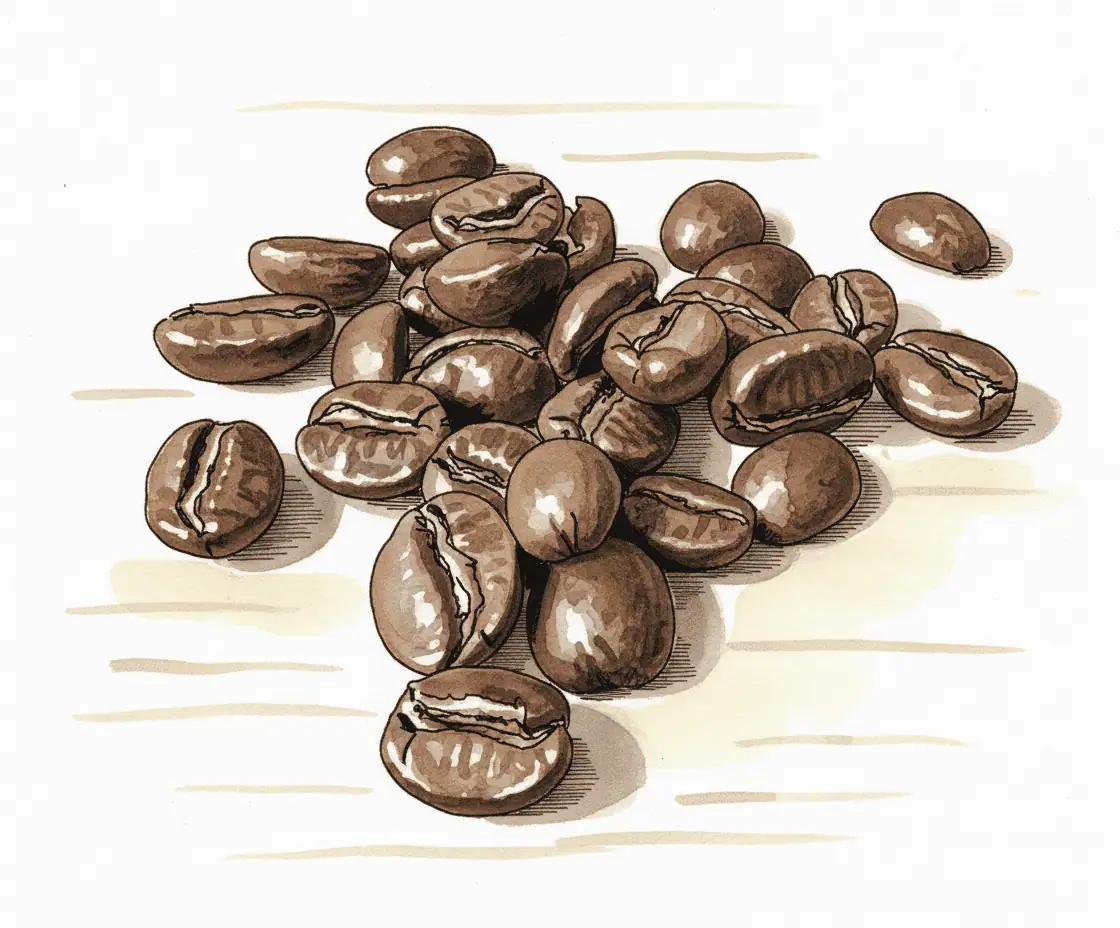
High‑altitude coffee beans

Fruta Viva – Eerlijke Boontjes, Colombia
Juicy forest fruits, ripe peach and tropical fruit with sweet notes of cane sugar.
Galeh
Galeh from DENF comes from Limu Kossa in Ethiopia and opens with floral notes and full sweetness. Moreover, this coffee is grown on an organic private estate, adding extra depth to the story behind every sip. DENF positions Galeh as a filter coffee, allowing enthusiasts to expect a soft, clear, and elegant cup.
Ganador
Ganador is a refined coffee from the Cauca region in Colombia. This premium Arabica has a complex flavor profile with notes of orange, grapefruit, and caramel. The light roast by Man met de Baard emphasizes the fruity and caramel-like flavors. The result is a coffee with a vibrant acidity and a soft body. Enjoy Ganador…
Gatekeeper Geisha
Gatekeeper Geisha from Brazuca showcases a different side of Brazil. This rare microlot from Alta Mogiana combines natural processing with a medium omni roast. As a result, you taste peach, orange, floral notes, and later honey and citrus. At the same time, the body remains silky and the finish clean. The roaster recommends this coffee primarily for V60, Chemex…
Gayo Indonesië
FREKKO Gayo from Aceh is a dark specialty coffee with plenty of body and a soft tension. Thanks to Giling Basah, you can taste red apple, oolong, and date in a warm, layered cup. The beans grow at 1,400 meters in Sumatra and score 85 SCA points. For espresso, FREKKO recommends 18 grams in and 40 grams out. For filter…
Gayo Sanctuary – Rayana Roast, Indonesia
Soft and lightly sweet with notes of pure chocolate, hazelnut, and mango.
Gerson
Gerson from Koffie van Kees comes from Villa Pastora in Huila, where the Mora Ortega family has grown coffee for three generations. This Pink Bourbon undergoes 96 hours of double fermentation yet remains clear and floral. In filter, you taste raspberry, mandarin, and cocoa nibs. As an espresso, sweet fruit, liquorice, and red port come forward more strongly.…
GERSON MORA YELLOW PACAMARA – Ripsnorter Coffee, Colombia
Floral with elderflower, sweet rhubarb compote, and soft milk chocolate.
Giani Guatemala
Giani Guatemala from Toscanelli brings Guatemala Atitlán clarity and roundness to your cup. The medium roast balances rich chocolate, roasted almond, and fresh citrus. As a result, you taste a full body, a soft finish, and a lively freshness without any sharpness. According to Toscanelli, this single origin is perfect for a powerful espresso and a silky lungo. Choose this bean if you love Guatemala coffee…
Gigesa
Gigesa from Giraffe Coffee Roasters demonstrates just how expressive a natural from Guji can be. This Ethiopian community lot grows at high altitudes, developing significant sweetness and nuance. In the cup, you'll taste strawberry, milk chocolate, and bergamot, with a round body and fresh, soft acidity. This makes the coffee excellent as a filter brew, but also…
Ginhawa Decaf
Ginhawa Decaf from Kaminto brings Peruvian decaf with a full, creamy body. Thanks to the Swiss Water Process, the coffee remains pure, organic, and free of chemical agents. You’ll taste chocolate and nuts, while the gentle intensity remains pleasantly balanced. Kaminto suggests espresso as the brewing method, making this bean a great fit for a relaxed espresso.
GIORGIO COLOMBIA
Giorgio Colombia from Rosenberg Coffee brings a mild single origin from Huila to your cup. The washed processing provides clarity, while notes of nut and chocolate remain rounded. Expect a full, robust body with a soft and balanced taste. That is why this coffee works well as filter coffee and as a strong espresso.
Gitesi
Gitesi from Keen Coffee combines Rwandan Red Bourbon with a clean, washed style. The coffee comes from the Gitesi Washing Station, led by Alexis and Aime Gahizi in the Western Province. Expect buttery sweetness, rosehip, and caramel, with a subtle hint of blackberry. As a result, every cup tastes clean, approachable, and layered, without becoming heavy or flat.
Gladde iep
Gladde iep from Stam Coffee Roasters delivers a soft, accessible cup from Veracruz, Mexico. This organic blend of Bourbon and Catimor is washed processed and sun-dried. This creates a clear profile with hazelnut, honey, and a rounded sweetness. The medium roast provides plenty of body for espresso and remains friendly…
GLAS
FUNDAMENT GLAS comes from Finca El Girasol in Quindío, where Robinson Ortiz works with Caturra, Castillo, and Colombia. Thanks to the semi washed processing, the coffee remains clear, sweet, and precise. Expect notes of red apple, citrus, mixed nuts, and a velvety body. Because of this, this Colombian feels classic, yet also lively and modern. The bean is…
High Altitude (above 1500 meters)
Welcome to the world of high-altitude coffee! When you think of beans grown above 1500 meters, words like “refined,” “complex,” and “vibrant” often come to mind. But why exactly? In this article, we’ll dive into the effects of high altitudes on your espresso, the chemical composition of the beans, processing methods, and much more.
How altitude affects espresso flavor
At high altitudes, coffee cherries mature more slowly. This gradual ripening process allows sugars and acids in the fruit to develop over time, giving the beans ample opportunity to build a full range of flavors. When you use these beans for espresso, you’ll often taste a refined acidity and floral or fruity characteristics—think subtle citrus or berry aromas with a bright, almost “sparkling” quality. If you enjoy a delicate espresso, high-altitude beans are an excellent choice.
Chemical composition: density, sugars, and acids
Because the air is thinner and cooler at higher elevations, coffee trees receive less oxygen and grow at a slower pace. This results in denser beans that often exhibit higher acidity. The sugars develop more gradually, and the extended ripening contributes to a complex flavor structure. You end up with a bean that balances sweetness and complexity, translating into a lively cup of coffee. The increased density also impacts roasting profiles: roasters usually take extra care to highlight all those nuanced flavors.
Processing methods at high altitude
Thanks to the cooler, sometimes more humid climate, some coffee farmers opt for processing techniques that emphasize their beans’ unique characteristics. In many high-altitude regions, the washed method is especially popular, as it accentuates fruity and floral notes. Removing the pulp and mucilage under carefully controlled conditions allows any impurities to wash away, leaving a clean, pure flavor. There’s also some experimentation with natural and honey processes in these regions, though washed processing is often the standard for maintaining clarity.
Climate and microclimate
High-altitude environments have unique weather conditions: cooler nights, milder days, and often more rainfall. In some places, mist clings to the mountainsides, creating microclimates that can vary even from one slope to the next. This contributes to the slow ripening of cherries and the development of complex aromas. On the flip side, coffee farmers face challenges like fungal diseases in damp conditions, but the reward is a flavor profile cherished worldwide.
Yield and resilience
Growing coffee at 1500 meters or higher isn’t easy. The trees often produce fewer cherries because the plants expend more energy just to survive in cooler temperatures. Still, the beans command a premium for their pronounced quality and distinctive taste. Many farmers form cooperatives to share knowledge about cultivating coffee under these challenging conditions, employing innovative irrigation methods or using shade trees to protect their coffee plants.
Choosing coffee varieties
Not all coffee plants thrive at 2000 meters. Farmers often select varieties that can handle the cold and resist diseases, such as certain Arabica strains (like Bourbon, Typica, or Geisha). These varieties are known for their potential to develop subtle flavor nuances—a perfect match for the special circumstances high altitudes provide.
All in all, coffee from high altitudes isn’t just any cup of joe. Expect floral notes, a lively acidity, and refined aromas that will delight anyone seeking a bright and complex coffee experience.