
 NL
NL High-Altitude Coffee
At high altitudes (above 1500 meters), coffee cherries ripen more slowly, resulting in denser beans with pronounced aromas. The lower temperature and thinner air foster a complex flavor profile, often characterized by high acidity and fruity, floral, or wine-like notes. Regions such as Ethiopia and parts of Latin America are known for their high-altitude coffees, which are prized for their refined and sparkling character.
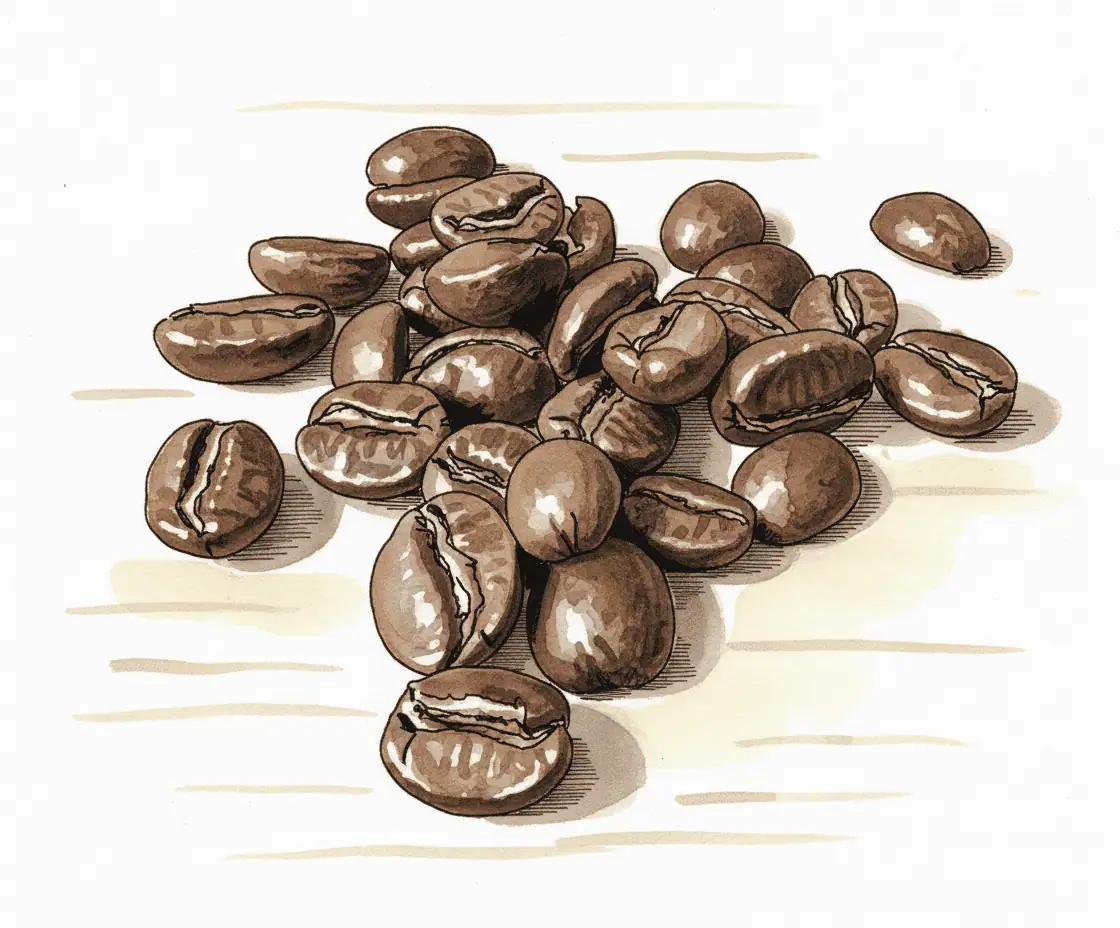
High‑altitude coffee beans
Spring Special
Spring Special from Op Kop is a light Ethiopian filter coffee from Guji, Hambella. Due to the natural process, you’ll taste gummy bear, cocoa nibs, and rum, with floral notes and vibrant acidity. The coffee scores 86 SCA and is designed for the V60. The roaster recommends 15 grams of coffee to 285 grams of water, medium grind, 94 to 96 degrees…

Sri Lanka & Indonesia
Sri Lanka Indonesie Specialty from De Jong Koffie offers a powerful blend with a full body. In addition, you taste chocolate, spices, and honey, supported by a clear washed process. The Sri Lankan Arabica from Kandy Kothmale achieves an SCA score of 83.5. Therefore, this coffee suits lovers of espresso, cappuccino, and lungo.
Ster Melange – De Wisent Koffiebranderij, Brazilië medium roast
Chocolade, noten, sinaasappel, perzik en bergamot.
Strong
Bacchi Sterk is a powerful Arabica blend of Brazilian and Nicaraguan beans. You taste chocolate, caramel, and red fruit, with soft acidity and a creamy body. Brew a 90 ml lungo with medium aroma and normal temperature. For espresso, they recommend 8.5 grams in, 24 grams out, and a 25-second extraction time.
Stronger
Bacchi Sterker van Special Roast brings Brazil and Nicaragua together in a full-bodied arabica blend. The pulped natural beans from Brazil provide sweet red fruit and dark chocolate notes. Nicaraguan beans add depth, with hazelnut, a creamy body, and soft acidity. For a fully automatic machine, use a medium grind, normal temperature, and a 90 ml cup. For espresso, the roaster recommends…
Stoned Apricots – Sprout Coffee Roasters, Colombia
Zoet en fruitig met tonen van overrijp steenfruit, perzik en perzikringen.
Strawberry Paintball Uganda
Strawberry Paintball Uganda from Reco brings strawberry clearly to the forefront in every cup. The coffee grows in the Rwenzori Mountains with small farmers using SL14 and SL28 varieties. Thanks to controlled fermentation and drying on raised beds, the profile remains fruity and complex. Filter brewing reveals a silky body with delicate notes of starfruit. Espresso offers more body and rich sweetness…
Suke Q Ethiopia – Screaming Beans Coffee Roasters, Ethiopië medium roast
Zoet met tonen van passievrucht, stervrucht en chocolade.
Sulawesi Kalossi
Sulawesi Kalossi from Frans de Grebber hails from the highlands of Toraja and Enrekang on Sulawesi. This coffee is processed using the Indonesian giling basah method, which ensures plenty of body and soft acidity. In the cup, you’ll taste warm spices, chocolate, and a round, long finish. This makes the coffee feel calm, deep, and accessible…
Sum Yum Plum
Sum Yum Plum is a natural espresso from Matazano, La Paz, roasted by Sprout Coffee Roasters. Expect ripe stone fruit with plum, hazelnut, and caramel, a full body, and juicy, medium acidity. The profile was developed for sweetness and texture in milk and in straight shots. Thanks to the altitude and dry climate, you taste layers of sweetness and…
Sumatra – Caffeine Dealers, Indonesië medium roast
Aards, met tonen van hazelnoot, pure chocolade en specerijen.
Sumatra Bener Meriah
Evermore Sumatra Bener Meriah comes from Bener Meriah in Aceh, at 1,400 meters in the Gayo highlands. This natural from Enzo Sauqi and Central Sumatera Coffee dries for 4 to 6 weeks on raised beds. This creates a layered cup with blueberries, molasses, and Sri Lankan black tea. The coffee feels round, slightly syrupy, and yet strikingly…
Sumatra Gayo
Sumatra Gayo from Roemar is an organic arabica from the Gayo Mountains in Aceh. This coffee comes from a farmers’ cooperative and carries the classic Sumatra style. As a result, you’ll taste plenty of chocolate, an earthy base, full body, and low acidity. Furthermore, the presumed wet hulling process complements this deep profile well. Roemar brandt vers…
Sumatra Gayo Black
Sumatra Gayo Black from Kiaterra brings the classic strength of Gayo coffee to the forefront. This Indonesian coffee from Sumatra features a heavy body, low acidity, and a rounded mouthfeel. Chocolate and caramel give the cup depth without making the balance feel heavy. The semi-washed processing preserves local tradition and enhances the full structure. Kiaterra notes for this specialty…
High Altitude (above 1500 meters)
Welcome to the world of high-altitude coffee! When you think of beans grown above 1500 meters, words like “refined,” “complex,” and “vibrant” often come to mind. But why exactly? In this article, we’ll dive into the effects of high altitudes on your espresso, the chemical composition of the beans, processing methods, and much more.
How altitude affects espresso flavor
At high altitudes, coffee cherries mature more slowly. This gradual ripening process allows sugars and acids in the fruit to develop over time, giving the beans ample opportunity to build a full range of flavors. When you use these beans for espresso, you’ll often taste a refined acidity and floral or fruity characteristics—think subtle citrus or berry aromas with a bright, almost “sparkling” quality. If you enjoy a delicate espresso, high-altitude beans are an excellent choice.
Chemical composition: density, sugars, and acids
Because the air is thinner and cooler at higher elevations, coffee trees receive less oxygen and grow at a slower pace. This results in denser beans that often exhibit higher acidity. The sugars develop more gradually, and the extended ripening contributes to a complex flavor structure. You end up with a bean that balances sweetness and complexity, translating into a lively cup of coffee. The increased density also impacts roasting profiles: roasters usually take extra care to highlight all those nuanced flavors.
Processing methods at high altitude
Thanks to the cooler, sometimes more humid climate, some coffee farmers opt for processing techniques that emphasize their beans’ unique characteristics. In many high-altitude regions, the washed method is especially popular, as it accentuates fruity and floral notes. Removing the pulp and mucilage under carefully controlled conditions allows any impurities to wash away, leaving a clean, pure flavor. There’s also some experimentation with natural and honey processes in these regions, though washed processing is often the standard for maintaining clarity.
Climate and microclimate
High-altitude environments have unique weather conditions: cooler nights, milder days, and often more rainfall. In some places, mist clings to the mountainsides, creating microclimates that can vary even from one slope to the next. This contributes to the slow ripening of cherries and the development of complex aromas. On the flip side, coffee farmers face challenges like fungal diseases in damp conditions, but the reward is a flavor profile cherished worldwide.
Yield and resilience
Growing coffee at 1500 meters or higher isn’t easy. The trees often produce fewer cherries because the plants expend more energy just to survive in cooler temperatures. Still, the beans command a premium for their pronounced quality and distinctive taste. Many farmers form cooperatives to share knowledge about cultivating coffee under these challenging conditions, employing innovative irrigation methods or using shade trees to protect their coffee plants.
Choosing coffee varieties
Not all coffee plants thrive at 2000 meters. Farmers often select varieties that can handle the cold and resist diseases, such as certain Arabica strains (like Bourbon, Typica, or Geisha). These varieties are known for their potential to develop subtle flavor nuances—a perfect match for the special circumstances high altitudes provide.
All in all, coffee from high altitudes isn’t just any cup of joe. Expect floral notes, a lively acidity, and refined aromas that will delight anyone seeking a bright and complex coffee experience.