
 NL
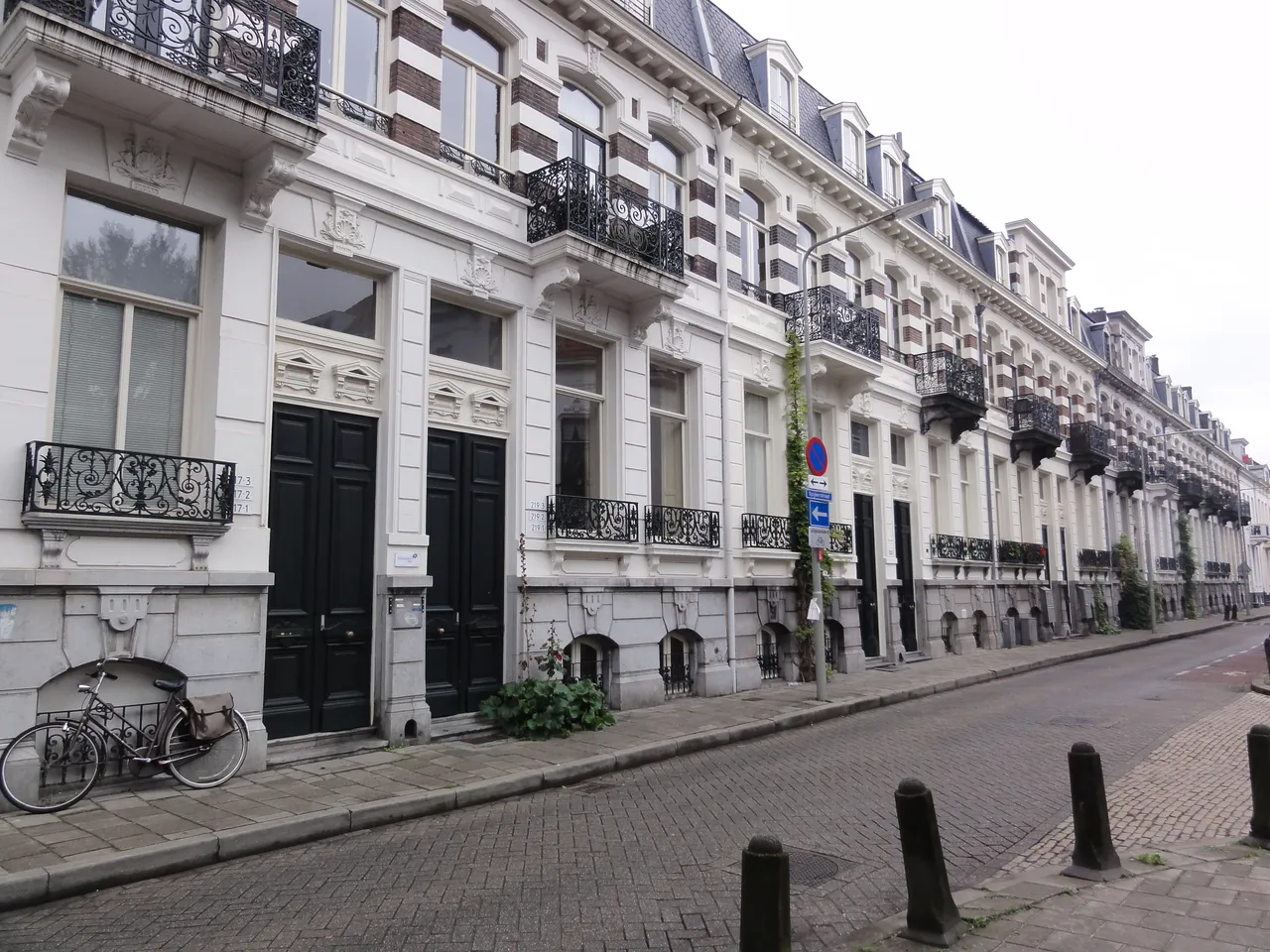
NL Spijkerkwartier in Arnhem has a walkable, quality-driven coffee scene around Steenstraat, with laptop-friendly cafés, strong to-go flows and clear links to Repair Café culture and circularity.
Roasters in Spijkerkwartier
Beukenhorst Koffie
Blommers Coffee Roasters
Bocca Coffee
Boot Koffie
Illimani
Keen Coffee
Peeze
Stean’s Beans
Coffee Bars in Spijkerkwartier

Lunchroom Eigen
Lunchroom Eigen in Belgisch Park opende in 2007 en richt zich op ontbijt en lunch. Het artikel beschrijft ook koffie, groepsgebruik, lokale activiteiten, duurzaamheid en de status als erkend leerbedrijf.
The Coffee District – Buitenveldert
Coffee District Buitenveldert is een specialty coffee-café in Amsterdam-Zuid. Het artikel beschrijft de geschiedenis, koffiebranders, locatie, werkwijze, inkoop en openbare vermeldingen.
De Brandweerkantine
De bron bevat geen inhoudelijke gegevens over een koffiebedrijf, producten, personen, locaties of werkwijzen. Daardoor is een feitelijk artikel niet mogelijk zonder aanvullende research.
Barista Cafe Zwolle
De artikeltekst bevat geen inhoud. Daardoor kan geen inhoudelijke, feitelijke samenvatting van het artikel worden opgesteld.
Jacques Coffee
De koffie wordt genoemd voor espresso en filter. Voor espresso staat een medium-fijne maalgraad vermeld; verdere zetdetails ontbreken.
Koffie Met Liefde
Koffie Met Liefde is een koffiebranderij en koffiebar aan de Vlamingstraat in Den Haag. Het artikel beschrijft de geschiedenis, Colombiaanse koffies, bereiding, mobiele espressobar en beschikbare informatie over herkomst.
Buitengoed Slavante
Buitengoed Slavante is een Grand-Café op de Sint-Pietersberg in Maastricht. Het artikel behandelt de geschiedenis, het koffieaanbod, wandelingen, de wijngaard, herkomst en openbare vermeldingen.
Footnote Coffee
Footnote Coffee is een koffiebar en branderij in De Pijp. Het artikel beschrijft de geschiedenis, koffies, bereidingsmethoden, trainingen, herkomstinformatie en vakmatige vermeldingen rond de zaak.
Paviljoen De Oele
Paviljoen De Oele is een horecagelegenheid in Groningen. Openbare informatie is beperkt tot basisgegevens over de locatie en de koppeling met koffiebrander Smit en Dorlas.
Studio Møbel Koffiebar
Studio Mobel Koffiebar in Den Haag combineert koffie, ontwerp en hergebruikte meubels binnen het concept van Studio Mobel. Het artikel beschrijft ook de samenwerking met koffiebranderij Ief en Ido.
De Hathor
De Hathor is een café en bar in Den Haag. Het artikel beschrijft de locatie, het aanbod, de samenwerking met Roast Factory en welke informatie openbaar beschikbaar is.
RataPlan Den Haag Koffiecorner
RataPlan Den Haag Koffiecorner is een koffievoorziening binnen een kringloopwinkel. Het artikel beschrijft de locatie, het aanbod, de sociale functie en de beperkte openbare informatie.
Ohøj Coffee Roasting
Ohøj Coffee Roasting in Utrecht combineert een koffiebar met een eigen branderij. Het artikel beschrijft de oprichter, koffie en beschikbare informatie.
Maats Rotterdam
Maats Rotterdam combineert een koffiebar met fietscultuur, retail en activiteiten rond een gemeenschap. Het artikel beschrijft ook de samenwerking met Man Met Bril Koffie.
Kūmi Café Rotterdam
Kūmi Café Rotterdam is een café in het centrum van Rotterdam met een concept rond Japanse baksels, matcha, koffie, thee en producten zoals shokupan.
Dolcetto Gelato & Specialty Coffee
Een overzicht van Dolcetto Gelato Specialty Coffee in Den Haag, met informatie over de locatie, het aanbod en de samenwerking met een koffiebranderij.
Wakuli Coffee Dijkmeerlaan
Wakuli Coffee Dijkmeerlaan is een koffiebar in Amsterdam Oost binnen het concept van Wakuli, met informatie over koffie, herkomst en werkwijze.
Zwart Goud
De koffiebar van Zwart Goud maakt deel uit van een locatie met een platenzaak, studio en evenementenorganisatie. Het artikel beschrijft koffieaanbod, herkomstinformatie en de relatie met muziekactiviteiten.
Het Koffiemannetje
Het Koffiemannetje is een koffieconcept in Amsterdam met informatie over specialty coffee, ceremonial matcha, koffieherkomst via Stean’s Beans en beschikbare gegevens over aanbod en activiteiten.
Kunstbar
Kunstbar in Den Haag combineert een kunstgalerie met een bar. Het artikel beschrijft tentoonstellingen, evenementen en de samenwerking met Ief en Ido Koffiebranderij.
BagelBoy Jordaan
BagelBoy Jordaan is een Amsterdamse koffiezaak met bagels en specialty coffee. De beschikbare informatie beschrijft de locatie, het aanbod en de samenwerking met Stean’s Beans.
Chiva Coffee
Chiva Coffee is een koffiebar en branderij in Scheveningen. Het artikel beschrijft de geschiedenis, koffieherkomst, activiteiten en beschikbare informatie over het bedrijf.
BagelBoy Spui
BagelBoy Spui is een horecalocatie aan Spui 26 in Amsterdam. Het artikel beschrijft het concept, aanbod, koffie en beschikbare informatie over de vestiging.
FIKA Koffiebar
FIKA Koffiebar in Haren gebruikt koffiebonen van Blanche Dael en biedt verschillende warme en koude koffiedranken aan.
Coffee Crafters
Coffee Crafters is een koffiebar in Amsterdam Zuid met beperkte openbare informatie. Het artikel beschrijft de genoemde samenwerking met Friedhats Coffee Roasters en ontbrekende gegevens over aanbod en activiteiten.
Café Restaurant Zalen De Mol
Cafe Restaurant Zalen De Mol in Zwolle wordt beschreven als horecalocatie met restaurantdiensten, evenementen, catering en een koffiesamenwerking met Campenaer Koffie.
Café Berkhout
Café Berkhout in Amsterdam wordt beschreven als een traditioneel bruin café met informatie over koffie, buurtfunctie en openbare bedrijfsgegevens.
Broodjesservice Jekerdal
Broodjesservice Jekerdal is een foodservicebedrijf in Maastricht. Het artikel beschrijft de beschikbare openbare informatie over bedrijfsgegevens, koffie, duurzaamheid en activiteiten.
BUN
BUN is een koffiebar in Delfshaven met een gedocumenteerde verbinding met Shokunin Coffee. Openbare informatie over oprichting, aanbod en activiteiten is beperkt.
Oma Toos
Oma Toos is een familierestaurant in Scheveningen met een concept rond Nederlandse gerechten, bijeenkomsten en een beschreven koffierelatie.
Cantine
Cantine is gevestigd in Cultuurpark Westergas in Amsterdam. Het artikel beschrijft het restaurantconcept, de verbonden koffiebrander en openbare informatie over koffie, leveranciers en activiteiten.
The Greenhouse (Vaeshartelt)
The Greenhouse is een koffie en horecazaak binnen Vaeshartelt in Maastricht met informatie over het aanbod, de samenwerking met Blanche Dael en beschikbare gegevens.
Coffee Corner (Burgers’ Zoo)
Coffee Corner is een koffiebar binnen Burgers Zoo. Het artikel beschrijft het koffieaanbod, de samenwerking met Peeze en de rol binnen de horeca van het dierenpark.
Sipsy
Sipsy is een koffiebar in Den Haag. Het artikel behandelt de beschikbare informatie over de locatie, relatie met Ief en Ido Koffiebranderij en ontbrekende gegevens.
’t Piepenhoes
’t Piepenhoes is een koffiebar en restaurantlocatie in Maastricht. Het artikel beschrijft de beschikbare openbare informatie over locatie, koffievoorziening, activiteiten en de relatie met Blanche Dael.
Café Blossom
Café Blossom in het Zeeheldenkwartier in Den Haag biedt koffie, ontbijt en lunch. Het artikel beschrijft het concept, leveranciers en beschikbare informatie over de werkwijze.
Café Baskèts
Café Baskèts in Amsterdam wordt beschreven als een retailcafé met een combinatie van kleding, design en koffie. Het artikel behandelt de opening en samenwerking met Lot Sixty One Coffee Roasters.
Café Cami
Café Cami in Den Haag wordt beschreven aan de hand van de oprichting, het horecaconcept, de koffievoorziening en de beschikbare openbare informatie.
Peeze Koffiewinkel
Peeze Koffiewinkel in Arnhem wordt beschreven aan de hand van de geschiedenis van Peeze, koffieproducten, duurzaamheid en activiteiten rond koffiekennis.
NZa café bij de ingang
Het café bij de ingang van de NZa in Utrecht wordt beschreven aan de hand van openbare informatie over locatie, koffieleverancier en duurzaamheidsrapportage.
Lebkov & Sons Rotterdam
Lebkov en Sons is een Nederlands familiebedrijf met een vestiging in Rotterdam. Het artikel behandelt de geschiedenis, het koffieconcept, de koffieselectie en openbare informatie over de locatie.
Ief&Ido Koffiebranderij
Ief en Ido Koffiebranderij in Den Haag brandt eigen koffie en beschrijft locaties, workshops, samenwerkingen en informatie over herkomst en bereiding.
Coffeecompany Berenstraat
Coffeecompany Berenstraat in Amsterdam wordt beschreven als een locatie van Coffeecompany. Het artikel behandelt beschikbare informatie over de vestiging en de organisatie.
Museumcafé Centraal
Museumcafé Centraal in Utrecht wordt beschreven op basis van openbare gegevens over de locatie en de koppeling met The Village Coffee en Music als koffiebrander.
Trakteren
Trakteren is een koffiezaak in Amsterdam-West die sinds 2011 specialty coffee aanbiedt met wisselende koffieselecties en verschillende bereidingsmethoden.
Harvey Amsterdam
Harvey Amsterdam in Watergraafsmeer wordt beschreven als een koffiebar met specialty coffee, lunchgerechten, huisgebakken producten en een lokale ontmoetingsfunctie.
De Zeeuwse Broodjesservice
De Zeeuwse Broodjesservice in Middelburg biedt lunchproducten, warme dranken en catering. Het artikel beschrijft de geschiedenis, locatie, koffie, dienstverlening en beschikbare informatie over de onderneming.
Birdflower
Birdflower is een café, moderne patisserie en ambachtelijke bakkerij in Segbroek, Den Haag. Het artikel beschrijft het concept, koffieaanbod en samenwerkingen met leveranciers.
Happy Tosti Den Haag
Happy Tosti Den Haag combineert horeca met een sociaal werkmodel en werkt samen met Santas Koffie rond koffieproducten, training en certificering.
Moi!
Moi is een koffiebar in Groningen met aandacht voor koffie, huisgemaakte taarten, lunch, lokale producten en een samenwerking met KOSU Koffiebranderij.
Yaya Lekkernijen
Yaya Lekkernijen is een familiebedrijf in Scheveningen met een café, patisserie en cateringdiensten. Het artikel beschrijft het aanbod, koffie en activiteiten.
Café De Nieuwe Stek
Café De Nieuwe Stek aan de Dapperstraat in Amsterdam Oost wordt beschreven aan de hand van openbare informatie over de eigenaar, koffie, activiteiten en de rol binnen de buurt.
The Blue Marble
The Blue Marble in Amsterdam richt zich op koffie, duurzaamheid en circulaire initiatieven. Het artikel beschrijft het concept en activiteiten.
KINO Rotterdam Café-Restaurant
KINO Rotterdam Café-Restaurant combineert film, horeca en culturele activiteiten. De locatie werkt voor koffie samen met Giraffe Coffee Roasters.
Drents Bakkie Koffiebar
Drents Bakkie Koffiebar in Emmen beschrijft koffieproductie, een sociaal concept, koffiesoorten, evenementen en een circulaire aanpak rond koffie.
Vlaamsch Broodhuys Bankastraat
Vlaamsch Broodhuys Bankastraat combineert bakkerij en caféservice. Het artikel beschrijft de locatie, de Huysblend koffie en de beschikbare informatie over duurzaamheid en erkenning.
BLENDN
BLENDN wordt genoemd als koffiebar in Amsterdam Zuidoost. Beschikbare informatie gaat over de relatie met Gosling Coffee en ontbrekende gegevens over aanbod, activiteiten en achtergrond.
Bij Goes
Bij Goes in De Meern combineert horeca met koffie, lunch, meetings en evenementen. Het artikel beschrijft het aanbod en de beschikbare openbare informatie over koffie, bijeenkomsten en duurzaamheid.
Chocolate Company Café Amsterdam
Chocolate Company Café Amsterdam combineert een café en chocoladewinkel. Het artikel beschrijft koffie, chocolade, herkomst en beschikbare informatie over duurzaamheid.
SOIL Vegan Café West
SOIL Vegan Café West in Amsterdam wordt beschreven aan de hand van het ontstaan van de locatie, het plantaardige concept, leveranciers en de beschikbare informatie over koffie.
Café Vrije Walvis
Café Vrije Walvis is een kleine bar in Amsterdam met informatie over concept, koffieaanbod, activiteiten en beschikbare openbare gegevens.
bakkerij louf – westerpark
bakkerij louf in Westerpark combineert bakkerijproducten en koffie. Het artikel beschrijft de geschiedenis, werkwijze, partners en het concept van de onderneming.
Museumcafé De Halve Vleet (Muzee Scheveningen)
Museumcafé De Halve Vleet maakt deel uit van Muzee Scheveningen en verwijst naar de visserijgeschiedenis van Scheveningen. Het artikel beschrijft de beschikbare informatie over koffie, activiteiten en herkomst.
Vlaamsch Broodhuys Twijnstraat
Vlaamsch Broodhuys Twijnstraat is een Baker’s Café in Utrecht. Het artikel beschrijft het concept, de koffiekaart met Huysblend en beschikbare informatie over herkomst en activiteiten.
The Dublin House
The Dublin House in Zwolle wordt beschreven als horecaconcept met koffie, dranken, ruimtes en activiteiten.
Kiosk Zwolle – perron 3/4
Kiosk Zwolle – perron 3/4 is een verkooppunt op het station van Zwolle. Het artikel beschrijft de beschikbare openbare informatie over locatie, koffie, activiteiten en duurzaamheid.
Molencafé Molen de Ster
Molencafé Molen de Ster maakt deel uit van de historische molenlocatie in Utrecht. Het artikel behandelt de geschiedenis, het aanbod en de beschikbare informatie over koffie.
BagelBoy Weteringschans
BagelBoy Weteringschans in Amsterdam combineert een bagelconcept met specialty coffee. Het artikel beschrijft de locatie, producten en beschikbare openbare informatie.
LYUBLU
LYUBLU is geregistreerd als koffiebar in Amsterdam-Centrum. Het artikel behandelt de beschikbare informatie over de locatie, Steans Beans en ontbrekende gegevens over het bedrijfsprofiel.
Café Arnhem
Café Arnhem wordt beschreven aan de hand van beschikbare gegevens over de locatie, de koffiebrander en ontbrekende informatie over de achtergrond en activiteiten.
The Chocolate Shop
The Chocolate Shop in Den Haag wordt beschreven aan de hand van locatie en de relatie met Ief en Ido Koffiebranderij. Informatie over aanbod en activiteiten is beperkt.
Café Cadans
Café Cadans in Arnhem combineert een koffiebar met fietsactiviteiten en een sociale werkplek. Het artikel beschrijft de locatie, koffie en openbare gegevens.
Café Restaurant Flora
Café Restaurant Flora in Den Haag wordt beschreven aan de hand van openbare informatie over de locatie, de koffiebranderij en ontbrekende gegevens over activiteiten en bedrijfsvoering.
United Coffee
United Coffee in Den Bosch wordt beschreven aan de hand van openbare gegevens over locatie, koffieaanbod en beschikbare informatie over oprichting, leveranciers en activiteiten.
MOVE Collective
MOVE Collective aan de Overtoom combineert een koffiebar met activiteiten rond beweging, creativiteit en ontmoetingen. Het artikel beschrijft het concept en betrokken partijen.
Ukiyo Koffie
Ukiyo Koffie is een microbranderij en slow coffee bar in Utrecht met aandacht voor koffie, bereiding, locatie en samenwerkingen.
SUE
SUE is een Rotterdamse foodonderneming met een concept rond zoete en hartige producten. Het artikel beschrijft koffie, leveranciers en beschikbare informatie.
Café Brecht
Café Brecht aan de Weteringschans in Amsterdam combineert horeca met culturele activiteiten en heeft een concept rond Bertolt Brecht.
Blue Parrot Café
Blue Parrot Café in Den Haag opende in 2025 en combineert koffie, eten, sociale activiteiten en een concept rond ontmoeting.
Café MOES
Café MOES in Arnhem is gevestigd in het Portiershuisje en combineert horeca met buurtgerichte activiteiten, koffie, lokale producten en bijeenkomsten.
MingleMush Foodhall Den Haag
MingleMush Foodhall Den Haag combineert horeca, activiteiten en ontmoetingsruimte. Het artikel beschrijft de geschiedenis, het concept en de beschikbare informatie over koffie.
Boulderhal Walhalla
Boulderhal Walhalla in Den Haag combineert boulderactiviteiten met koffieservice van Ief en Ido Koffiebranderij. Het artikel beschrijft locatie, activiteiten en beschikbare informatie.
Ief&Ido Koffiebranderij Winkel/Bar
Artikel over de oprichting van Ief en Ido Koffiebranderij, de werkwijze voor koffiebranden, koffieherkomst en de locatie in Den Haag.
Café In de Tenne Kan
Café In de Tenne Kan in Maastricht wordt beschreven aan de hand van de locatie, het horeca-aanbod, de koffie van Blanche Dael en de beschikbare openbare informatie.
Brood van Bro
Brood van Bro is een bakkerij en koffiebar in Den Haag met zuurdesembrood, gebak, broodjes en koffie. Het artikel beschrijft de oprichters en samenwerking met een koffiebranderij.
Café Blue
Café Blue is een koffiebar aan Noordeinde 45 in Den Haag. Het artikel beschrijft openbare informatie over de locatie, het koffieaanbod en de mogelijke relatie met Ief en Ido Koffiebranderij.
Sint Joris en de Draeck
Sint Joris en de Draeck in Den Haag wordt beschreven als café restaurant met aandacht voor de overname, koffiesamenwerking met Ief en Ido en beschikbare informatie.
Koffie van Kees
Koffie van Kees is a roastery and coffee bar at NoordOogst in Amsterdam-Noord. The article covers the background, the assortment, the origin of the coffee, and local activities.
Bayonne Restobar
Bayonne Restobar in the Zeeheldenkwartier combines breakfast, lunch, and dinner. The article covers ownership, the French-Spanish concept, coffee from Koffie Lovers, and public information on sustainability.
De Brunch Club
Profile of De Brunch Club in Rotterdam-Noord, highlighting their all-day brunch concept, coffee from Giraffe Coffee Roasters, and publicly available information on origin and sustainability.
BLEND Bloemhof
BLEND Bloemhof is a social enterprise in Rotterdam-Zuid featuring an espresso bar, hair salon, and second-hand shop. The article describes the organization, coffee sourcing, neighborhood activities, reuse, and financing.
Anne&Max Den Haag Hoytema
Anne&Max Den Haag Hoytema opened in 2021 in Benoordenhout. The article covers the background, coffee offerings, origin, sustainability policy, neighborhood role, and mentions of the broader chain.
Simon Lévelt Koffie & Thee
Simon Lévelt's The Hague location sells loose coffee and tea, coffee equipment, and maintenance services. The article also covers the entrepreneurs, product origins, and sustainability information.
NØRD
NØRD on Sint Jacobsstraat in Leeuwarden combines retail with a coffee bar. The article describes the assortment, collaborations, sustainability claims, and the limited public information about the menu and brewing methods.
Sama Stads Koffiebranderij
Sama Stads Koffiebranderij in Groningen roasts coffee, sells coffee machines, and supplies individuals, the hospitality industry, and offices. The article describes the assortment, origin, sustainability, and collaborations.
Wakuli Stoeldraaierstraat
Wakuli opened a coffee bar and shop on Stoeldraaierstraat in Groningen in November 2025. The article covers the history, the assortment, the origin of the coffee, and the agricultural goals reported by the company.
Koffiestation Riemer
Koffiestation Riemer is a coffee bar in Boekhandel Riemer in Groningen. The article describes the collaboration, the origins, the coffee, the origin, and the activities.
Vlaamsch Broodhuys Theresiastraat
The location on Theresiastraat combines a bakery and a café. The article describes the history, coffee offerings, neighborhood role, and details on origin and sustainability.
Ubica Utrecht
Ubica on the Ganzenmarkt is a grand café and restaurant in a historic building, offering coffee, food, drinks, and space for gatherings.
Koffiemaatjes
Koffiemaatjes in Kanaleneiland combines hospitality with supported day activities. The article describes the organization, the coffee offering, procurement, sustainability, and its function as a community and meeting location.
More over Spijkerkwartier
Spijkerkwartier from a coffee perspective
Historical roots of the cafés
- In 1891, Café Voorwaarts on the corner of Lombardsteeg and Spijkerstraat served as a socialist rally point, an early example of the café as a civic living room.
- From the 1920s onwards, “Le Métropole” at Steenstraat 68 became a modern icon and local reference point.
- The transition “from red to green” between 2000 and 2020 replaced window prostitution with restaurants, terraces, and small-scale hospitality, laying the foundation for specialty coffee and daytime use.
- Local history clubs still organize meetings in cafés, such as at De Lommerd on Spijkerstraat, keeping the beverage-driven community character alive.
The contemporary coffee scene
- Anne&Max Arnhem Steenstraat, Steenstraat 29, a work-friendly “living room” with an organic-driven menu and large mugs of filter coffee, popular with laptop users and the brunch crowd.
- Pure Roasted Coffeebar, Steenstraat 126, a specialty-focused neighborhood bar offering hands-on barista workshops and local collaborations within the district.
- Bomboca, Eusebiusbuitensingel 10, a Portuguese bar with home-baked pastéis de nata and a sunny terrace overlooking Musispark.
- Café Vrijdag, Steenstraat 80, a cornerstone of the quarter, offering everything from coffee to drinks, suitable for small events and meetups.
- The Coffee Center, Spijkerlaan 31, a to-go oriented micro-spot that opened in 2025, featuring trending matcha and espresso sizes for commuters between Velperpoort and Steenstraat.
Community, work, and events
- De Lommerd at Spijkerstraat 185A hosts the recurring Repair Café, where visitors walk in “with a cup of coffee” while volunteers repair electronics, clothing, and bicycles.
- Pure Roasted organizes barista nights and co-programs special Repair Café editions, bringing together the craft of coffee and circular knowledge sharing.
- Anne&Max explicitly invites laptop users and provides dedicated workspaces with fast Wi-Fi, leading to peaks in the late morning and mid-afternoon.
- Buren van Thialf at Dullertstraat 33-1 functions as a neighborhood living room, offering everything from “coffee and cake” to dinner, extending the social day.
Audience and taste profile
Sustainability and circularity
- SpijkerZwam collects local coffee grounds to grow oyster mushrooms right in the neighborhood, utilizing cargo bike pick-ups and retail partners within the community.
- Circulair Spijkerkwartier at DAZO, Spijkerstraat 125, coordinates reuse, repair, and community cleaning days that start with coffee and end with “no-waste soup”.
- Café Vrijdag uses Sit & Heat cushions via the Arnhems energy-saving scheme, making terrace heating more efficient during the shoulder seasons.
- Anne&Max emphasizes organic and fairtrade sourcing, aligning with local expectations regarding sustainability.
- Pure Roasted links workshops to the Repair Café, teaching households low-waste coffee routines, from equipment maintenance to dialing in.
Implications for operators and brands
- Invest in to-go and commuter-friendly formats on the outskirts toward Velperpoort, featuring fast throughput and clear signage.
- Design interiors to be laptop- and meeting-friendly, with stable Wi-Fi and clear “work zones” for peak hours.
- Explicitly communicate vegan and plant-based options, including non-dairy standards, to cater to steady demand.
- Pair offerings with local pastry favorites, such as pastéis de nata, to encourage repeat visits.
- Embed circularity into the daily ritual, for example, through coffee ground collection or maintenance sessions for home equipment.