
 NL
NL High-Altitude Coffee
At high altitudes (above 1500 meters), coffee cherries ripen more slowly, resulting in denser beans with pronounced aromas. The lower temperature and thinner air foster a complex flavor profile, often characterized by high acidity and fruity, floral, or wine-like notes. Regions such as Ethiopia and parts of Latin America are known for their high-altitude coffees, which are prized for their refined and sparkling character.
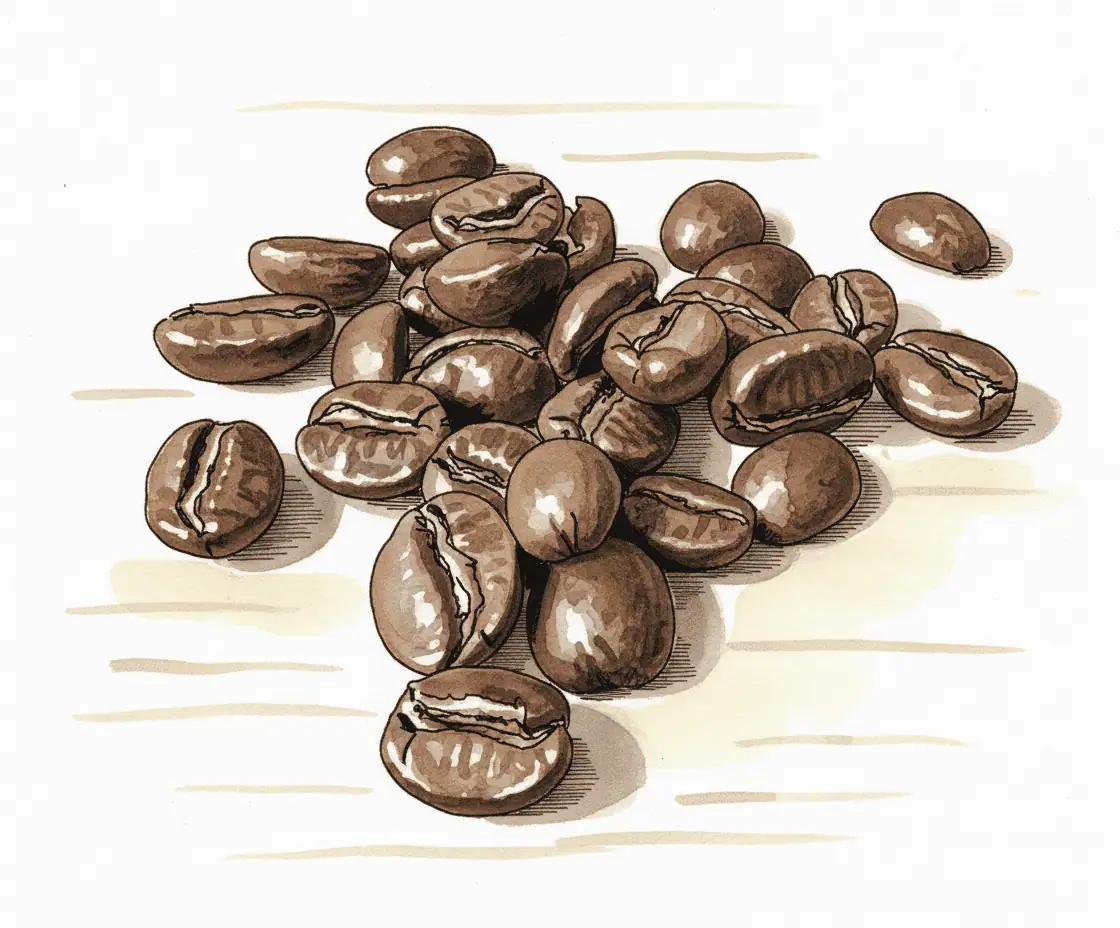
High‑altitude coffee beans
Rainforest Casita
Rainforest Casita is een Zuid Europees gebrande koffieblend met milde sterkte, samengesteld uit bonen uit Vietnam Brazilië Colombia Guatemala en Nicaragua, de melange legt de nadruk op Arabica High Grown met een vleug Robusta voor extra body, aroma en smaak tonen noten chocolade toast en geroosterde amandel, de body is vol en de afdronk stevig,…
Rainforest Cayembe
Rainforest Cayembe is een ambachtelijk gebrande blend van Arabica uit Brazilië, Colombia, Guatemala, Tanzania, Indonesië en Nicaragua. De Zuid Europese branding via slow drumroast levert een volle body, kruidige aroma’s en een pittige afdronk, ideaal voor espresso en cappuccino. Hesselink brandt in de Achterhoek met meer dan 125 jaar vakmanschap en het Rainforest Alliance keurmerk…

Rainforest El Tigre
Rainforest El Tigre van Hesselink Koffie is een SHG espresso melange met focus op consistentie. Bonen uit Brazilië, Guatemala, Tanzania, Indonesië, Vietnam en Nicaragua vormen een gelaagde kop.Verwerking varieert per herkomst, gewassen, natural en wet hulling, wat balans geeft tussen helderheid, zoetheid en body. De Zuid Europees gerichte branding levert intensiteit zonder scherp randje, met…
Rainforest NoCaf
Rainforest NoCaf is de cafeïnevrije huisblend van Hesselink Koffie. Deze 100% Arabica met SHG herkomst krijgt een medium branding voor balans. Het kopje smaakt fris en vol, met romige body en nette zoetheid. De crema blijft stabiel, ook wanneer de drank afkoelt. Duurzaamheid telt mee dankzij Rainforest Alliance en B Corp sinds 2025. Ideaal voor…
Raja Gayo
Raja Gayo van Café du Jour komt uit de Gayo hooglanden van Sumatra. Deze medium roast koppelt kruidige aroma’s aan zachte cacao en chocolade, met een volle, stroperige body en nette aciditeit.De bonen zijn semi washed met de Giling Basah methode, wat de body vergroot en de droogtijd verkort. Vers gebrand per week, met branddatum…
Red Dragon – China
Sango Red Dragon uit Yunnan laat zien hoe spannend Chinese specialty coffee kan zijn. Deze Typica van Lao Wang groeit hoog in Baoshan en krijgt een anaerobic natural verwerking. Daardoor ontstaat een sappig profiel met braam, grapefruit en barley tea. Tegelijk blijft de kop helder, zacht en precies. Sango brandt deze koffie licht tot medium…
Ribang Gayo – Indonesia
Ripsnorter Coffee presenteert Ribang Gayo, een natural single origin uit de Gayo Hooglanden op 1700 meter. De variëteiten P-88 en Ateng zorgen voor rijpe zoetheid en helder rood fruit. Verwacht tonen van honing, melasse, gedroogde aardbei en rode appel, met een lange, schone afdronk.Filter, gebruik een matige watertemperatuur voor balans en helderheid.Espresso, maal iets fijner…
Robuust
Robuust van Maalwerk Koffie is een donker gebrande melange voor liefhebbers van klassieke espresso. De bonen komen uit Midden en Zuid Amerika en Afrika, en zijn washed verwerkt. Dat geeft een schoon en strak profiel.In de kop proef je donkere chocolade, karamel en een vleug vanille. De body is vol en romig, de zuurgraad blijft…
Rony Herrera
Rony Herrera van Keen Coffee laat zien hoe helder en precies washed koffie uit Nicaragua kan smaken. Deze lot komt van Finca Fila Quemada in Nueva Segovia en combineert rode en gele Catuaí. In het kopprofiel vallen vooral rozijn, mandarijn en peer op. Daardoor ontstaat een sappige, frisse en mooi gebalanceerde koffie. Daarnaast vertelt deze…
ROSADO Colombia, Finca El Jaragual
Rosado Colombia van A Matter of Concrete komt uit Amalfi in Antioquia. De bessen rijpen langzaam op 1500 meter, wat extra zoetheid geeft. Na handpluk volgt gecontroleerde fermentatie in afgesloten bioreactoren met geselecteerde gist. Warme was en koude crash zorgen voor een schone, expressieve kop.Smaak: passievrucht, roze snoep, zijdeachtige structuurBrandprofiel: filter met hoge transparantie, ook…
Rosie Cheeks
Rosie Cheeks van Sprout Coffee Roasters laat zien hoe verfijnd Chiroso uit Huila kan smaken. Deze experimental washed koffie combineert peer, rozenwater en jasmijn met een heldere, mandarijnachtige frisheid. Daardoor ontstaat een kop die florale precisie koppelt aan sappige zoetheid en een schone afdronk. Sprout brandt deze microlot voor filter en adviseert 17 gram koffie…
Ruby Chocolate
Ruby Chocolate is Sprout Coffee Roasters ode aan West Guji in Ethiopië. Dit lot uit Haro Sorsa is natuurlijk verwerkt en groeit op 2200 tot 2400 meter. Verwacht melkchocolade, rode bessen en een florale finish met levendige zuren en een heldere structuur. De omni branding maakt het geschikt voor filter en espresso, ook thuis. Benieuwd…
Rum Cherry Rum
Rum Cherry Rum van Sprout Coffee Roasters komt uit Lalesa in Gedeb, Ethiopië. Deze anaerobic natural fermenteert negen dagen in vaten en droogt daarna langzaam op bedden. Dat levert een volle kop op met kers, perzik, sinaasappelmarmelade en cola.De brander kiest een omni branding, waardoor deze koffie werkt als filter en espresso. Voor espresso adviseert…
Rumba – Ethiopia
DAK Rumba is een expressieve filterkoffie uit Gatta Farm in Sidama Bensa, Ethiopië. Door de yeast semi anaerobic natural verwerking ontstaat een gelaagde kop met gestoofde aardbei, abrikoos en bruine suiker. Daardoor voelt de koffie modern en uitgesproken, maar blijft het profiel schoon en in balans. Het mondgevoel is zijdeachtig en de zoetheid blijft lang…
Rumudamo Ethiopia Sidama
Rumudamo Ethiopia Sidama van Uncommon Coffee laat zien waarom Sidama zo geliefd is onder koffieliefhebbers. Deze washed koffie uit Arbegona groeit op grote hoogte en smaakt helder, verfijnd en gelaagd. In het kopje komen jasmijn, mandarijn en blauwe bes mooi samen. Daardoor ontstaat een frisse, schone kop met levendige aciditeit en zachte zoetheid. Achter deze…
Rwanda
Pakaya Rwanda is een toegankelijke single origin voor liefhebbers van heldere, elegante koffie. Deze Bourbon groeit op grote hoogte in Rwanda, wat vaak zorgt voor meer zoetheid, spanning en geur in de kop. Daardoor ontstaat een profiel met sinaasappel, citroen, bloemige tonen en een romige textuur. Bovendien blijft de afdronk zacht en licht karamelachtig. Pakaya…
High Altitude (above 1500 meters)
Welcome to the world of high-altitude coffee! When you think of beans grown above 1500 meters, words like “refined,” “complex,” and “vibrant” often come to mind. But why exactly? In this article, we’ll dive into the effects of high altitudes on your espresso, the chemical composition of the beans, processing methods, and much more.
How altitude affects espresso flavor
At high altitudes, coffee cherries mature more slowly. This gradual ripening process allows sugars and acids in the fruit to develop over time, giving the beans ample opportunity to build a full range of flavors. When you use these beans for espresso, you’ll often taste a refined acidity and floral or fruity characteristics—think subtle citrus or berry aromas with a bright, almost “sparkling” quality. If you enjoy a delicate espresso, high-altitude beans are an excellent choice.
Chemical composition: density, sugars, and acids
Because the air is thinner and cooler at higher elevations, coffee trees receive less oxygen and grow at a slower pace. This results in denser beans that often exhibit higher acidity. The sugars develop more gradually, and the extended ripening contributes to a complex flavor structure. You end up with a bean that balances sweetness and complexity, translating into a lively cup of coffee. The increased density also impacts roasting profiles: roasters usually take extra care to highlight all those nuanced flavors.
Processing methods at high altitude
Thanks to the cooler, sometimes more humid climate, some coffee farmers opt for processing techniques that emphasize their beans’ unique characteristics. In many high-altitude regions, the washed method is especially popular, as it accentuates fruity and floral notes. Removing the pulp and mucilage under carefully controlled conditions allows any impurities to wash away, leaving a clean, pure flavor. There’s also some experimentation with natural and honey processes in these regions, though washed processing is often the standard for maintaining clarity.
Climate and microclimate
High-altitude environments have unique weather conditions: cooler nights, milder days, and often more rainfall. In some places, mist clings to the mountainsides, creating microclimates that can vary even from one slope to the next. This contributes to the slow ripening of cherries and the development of complex aromas. On the flip side, coffee farmers face challenges like fungal diseases in damp conditions, but the reward is a flavor profile cherished worldwide.
Yield and resilience
Growing coffee at 1500 meters or higher isn’t easy. The trees often produce fewer cherries because the plants expend more energy just to survive in cooler temperatures. Still, the beans command a premium for their pronounced quality and distinctive taste. Many farmers form cooperatives to share knowledge about cultivating coffee under these challenging conditions, employing innovative irrigation methods or using shade trees to protect their coffee plants.
Choosing coffee varieties
Not all coffee plants thrive at 2000 meters. Farmers often select varieties that can handle the cold and resist diseases, such as certain Arabica strains (like Bourbon, Typica, or Geisha). These varieties are known for their potential to develop subtle flavor nuances—a perfect match for the special circumstances high altitudes provide.
All in all, coffee from high altitudes isn’t just any cup of joe. Expect floral notes, a lively acidity, and refined aromas that will delight anyone seeking a bright and complex coffee experience.