
 NL
NL High-Altitude Coffee
At high altitudes (above 1500 meters), coffee cherries ripen more slowly, resulting in denser beans with pronounced aromas. The lower temperature and thinner air foster a complex flavor profile, often characterized by high acidity and fruity, floral, or wine-like notes. Regions such as Ethiopia and parts of Latin America are known for their high-altitude coffees, which are prized for their refined and sparkling character.
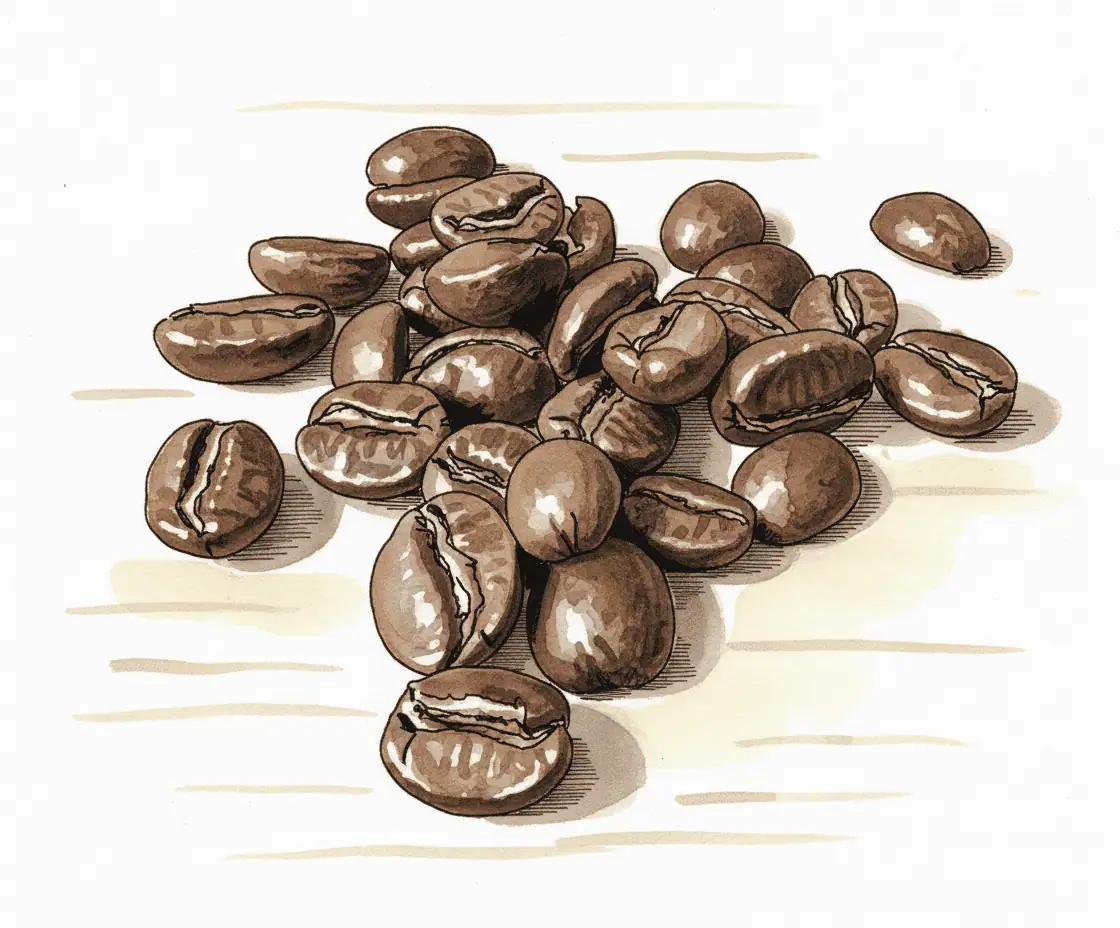
High‑altitude coffee beans

Costa Rica El Churro
Costa Rica El Churro van A Matter of Concrete komt van Aquiares Estate op de flanken van de Turrialba vulkaan. Door de thermische fermentatie ontstaat een levendig profiel met ananas, winegums, appelsap en glühwein.Tegelijk blijft de kop opvallend schoon en zijdeachtig. Daardoor past deze koffie goed bij liefhebbers van uitgesproken maar beheerste fermentatie. De brander…
Costa Rica Helsar
Costa Rica Helsar van Ief en Ido komt uit de West Valley, rond Llano Bonito. De micromolen Helsar de Zarcero bundelt oogsten van tientallen families en selecteert op schone, zoete koppen. Klassieke variëteiten als Caturra, Catuai en Villalobos geven balans en helderheid.Proef caramel, sinaasappel en een hint van praliné, met romige body.Levendige, rijpe citruszuur blijft…
Costa Rica Joiner Alvarado
Costa Rica Joiner Alvarado van Single Estate laat zien hoe precies een honey koffie kan zijn. Deze Catuaí uit Brunca groeit op grote hoogte bij Cerro Chirripó en levert een heldere, sappige kop op. Verwacht tonen van kers, abrikoos en rode appel, met een zachte body en een licht bloemige afdronk. Daardoor blijft de koffie…
Costa Rica LA BOMBA
Costa Rica La Bomba van TUKA is een zeldzame Geisha uit Santa Maria de Dota in Tarrazú. Door de red honey verwerking krijgt deze koffie veel zoetheid, romigheid en een lange afdronk. In het kopje proef je gepocheerde perzik, karamel en bergamot, met slagroom als zachte toets. De boon scoort 90 SCA en laat zien…
Costa Rica La Cumbre
Deze single origin uit San Marcos Tarrazú komt van Café La Cumbre. De extended natural verwerking versterkt rijp fruit en geeft een romige textuur.Ief en Ido kozen voor een lichte filterbranding. Verwacht abrikoos, rode druif en praline, met een schone afdronk en een frisse muntige echo.Aanbevolen zetmethoden V60 Kalita en batch brewKies een medium maalgraad…
Costa Rica Los Campos
Los Campos Black Honey Extended van Pacamara komt uit Los Santos in Costa Rica en scoort 86 SCA punten. Deze koffie van Red en Yellow Catuaí krijgt door het extended black honey proces een volle body en zachte zoetheid. Verwacht smaken van vanille, mango en dadel, met een lange romige afdronk. Daardoor werkt hij goed…
Costa Rica Tarrazu
Deze single origin uit Costa Rica komt uit de hooggelegen Tarrazu-regio, bekend om de rode vulkanische bodem en een beschermde herkomst. De bonen, vaak Caturra en Catuai, worden volledig gewassen verwerkt voor een heldere, schone kop. Een medium roast bewaart de balans en laat tonen van melkchocolade, karamel, honing en citrus spreken, met een levendige…
Costa Rica Tarrazu
De Costa Rica Tarrazu van De Limburgse Koffiebranderij laat het klassieke karakter van Tarrazu goed zien. Deze gewassen single origin groeit op 1.400 tot 1.900 meter en combineert een nootachtige body met een licht fruitige afdronk. Daardoor ontstaat een heldere, schone kop met balans en frisse spanning. De branding lijkt bewust breed inzetbaar en past…
Costa Rica Tarrazu SHB
Deze single origin uit Tarrazú geeft een schone kop met levendige frisheid. Maalwerk Koffie brandt Full City, waardoor zoetheid en body in balans blijven. Het resultaat is toegankelijk en blijft lang boeien in de afdronk.Herkomst Costa Rica Tarrazú SHB met dicht, hooggegroeid zaad.Verwerking vaak fully washed, wat zorgt voor precisie en helderheid.Smaaknotities karamel, pure chocolade…
Costa Rica Tarrazu SHB La Pantera
Dit is Da Silva Costa Rica La Pantera Tarrazú SHB, vers gebrand in de stadskoffiebranderij aan de Tramkade in s Hertogenbosch. De boon komt uit hooggelegen percelen in Tarrazú en is klassiek gewassen. Verwacht een heldere kop met levendige zuurheid en zoete definitie.Variëteiten Caturra en CatuaiTeelt 1200 tot 2000 meterSmaak rood fruit, florale neus, pruim…
Cranberry Lane – Kenya
Cranberry Lane van DAK Coffee Roasters laat een ander gezicht van Kenia zien. Deze filterbranding komt van Endebess Estate in West Kenia en combineert SL 28, SL 34, Batian en Ruiru 11. Door de natural verwerking krijgt de koffie meer ronding en sappig rood fruit dan veel klassieke gewassen Kenianen. In de kop volgen cranberry,…
Cuba
Cuba Serrano Superior van Koffiebranderij Venetië komt uit de Sierra Maestra en ademt pure koffiegeschiedenis. Deze washed koffie van 100 procent Typica biedt een zacht aroma, lage zuurgraad en een rustige, warme opbouw in de kop. Honing, cacao, tabak en lichte kruiden geven samen een klassiek Cubaans profiel. Bovendien zorgt de medium tot donkere branding…
Cuppa Joe
Cuppa Joe van Sprout komt uit Timaná in Huila, Colombia, en draait om comfort met karakter. Deze gewassen Castillo uit de Timaná community geeft tonen van pure donkere chocolade, karamelsuiker en butterscotch. Daardoor past hij goed bij liefhebbers van een ronde, zachte espresso met lage aciditeit. De koffie heeft een cupscore van 84,0 en blijft…
Danche
Keen Coffee presenteert Danche, een single origin uit Chelbesa in Gedeb, Zuid Ethiopië. De hoogte en schaduw zorgen voor trage rijping en uitgesproken aroma. Na handpluk volgt een drijftest, daarna ongeveer 72 uur onderwaterfermentatie. De kersen drogen vervolgens op verhoogde bedden voor een schone, levendige kop. De branding blijft licht om fruit en zoetheid te…
DECAF
DECAF van Steans Beans bewijst dat cafeïnevrije koffie karakter kan hebben. Deze medium roast uit Kenia groeit op 1600 meter en behoudt dankzij Swiss Water en Green Coffee Extract veel helderheid in de kop.Verwacht frisse citrustoetsen, subtiele chocolade en een toegankelijke body. Daardoor past deze koffie goed bij liefhebbers van een zachte, maar levendige decaf.…
High Altitude (above 1500 meters)
Welcome to the world of high-altitude coffee! When you think of beans grown above 1500 meters, words like “refined,” “complex,” and “vibrant” often come to mind. But why exactly? In this article, we’ll dive into the effects of high altitudes on your espresso, the chemical composition of the beans, processing methods, and much more.
How altitude affects espresso flavor
At high altitudes, coffee cherries mature more slowly. This gradual ripening process allows sugars and acids in the fruit to develop over time, giving the beans ample opportunity to build a full range of flavors. When you use these beans for espresso, you’ll often taste a refined acidity and floral or fruity characteristics—think subtle citrus or berry aromas with a bright, almost “sparkling” quality. If you enjoy a delicate espresso, high-altitude beans are an excellent choice.
Chemical composition: density, sugars, and acids
Because the air is thinner and cooler at higher elevations, coffee trees receive less oxygen and grow at a slower pace. This results in denser beans that often exhibit higher acidity. The sugars develop more gradually, and the extended ripening contributes to a complex flavor structure. You end up with a bean that balances sweetness and complexity, translating into a lively cup of coffee. The increased density also impacts roasting profiles: roasters usually take extra care to highlight all those nuanced flavors.
Processing methods at high altitude
Thanks to the cooler, sometimes more humid climate, some coffee farmers opt for processing techniques that emphasize their beans’ unique characteristics. In many high-altitude regions, the washed method is especially popular, as it accentuates fruity and floral notes. Removing the pulp and mucilage under carefully controlled conditions allows any impurities to wash away, leaving a clean, pure flavor. There’s also some experimentation with natural and honey processes in these regions, though washed processing is often the standard for maintaining clarity.
Climate and microclimate
High-altitude environments have unique weather conditions: cooler nights, milder days, and often more rainfall. In some places, mist clings to the mountainsides, creating microclimates that can vary even from one slope to the next. This contributes to the slow ripening of cherries and the development of complex aromas. On the flip side, coffee farmers face challenges like fungal diseases in damp conditions, but the reward is a flavor profile cherished worldwide.
Yield and resilience
Growing coffee at 1500 meters or higher isn’t easy. The trees often produce fewer cherries because the plants expend more energy just to survive in cooler temperatures. Still, the beans command a premium for their pronounced quality and distinctive taste. Many farmers form cooperatives to share knowledge about cultivating coffee under these challenging conditions, employing innovative irrigation methods or using shade trees to protect their coffee plants.
Choosing coffee varieties
Not all coffee plants thrive at 2000 meters. Farmers often select varieties that can handle the cold and resist diseases, such as certain Arabica strains (like Bourbon, Typica, or Geisha). These varieties are known for their potential to develop subtle flavor nuances—a perfect match for the special circumstances high altitudes provide.
All in all, coffee from high altitudes isn’t just any cup of joe. Expect floral notes, a lively acidity, and refined aromas that will delight anyone seeking a bright and complex coffee experience.